
Trump's Not Going To Stay At the Negotiating Table For Long: US-Iran Negotiations Analysis
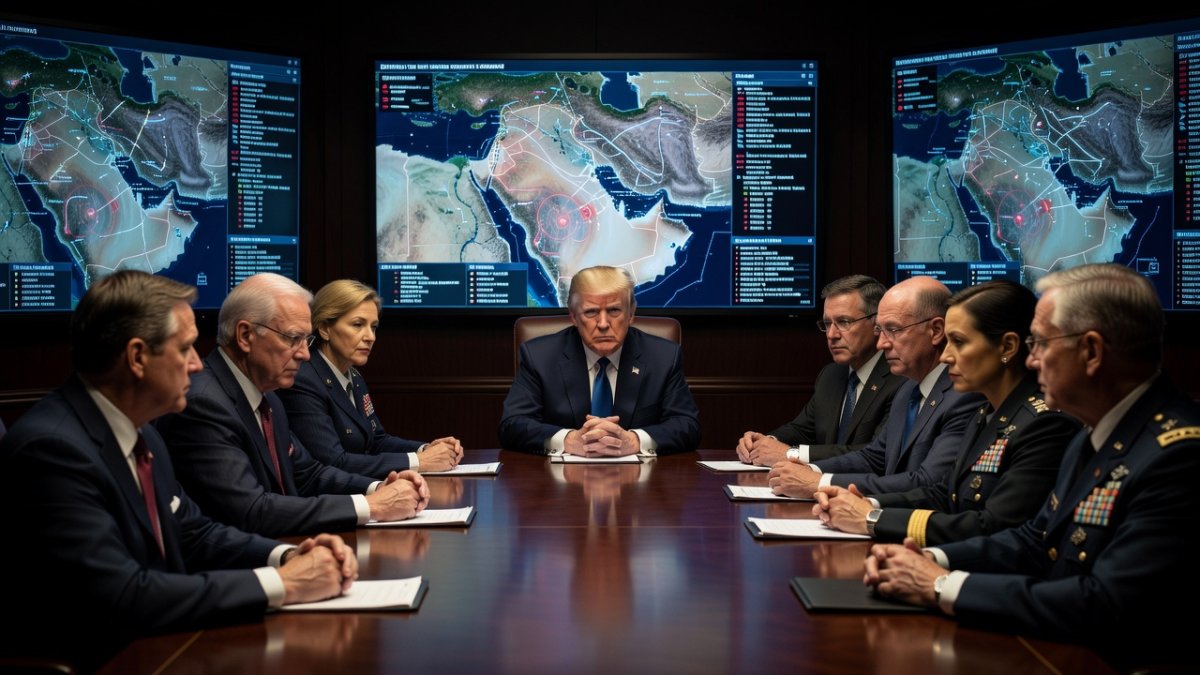
Trump's Ultimatum: Bigger Bombings If No Deal US President Donald Trump has issued a stark ultimatum to Tehran, declaring that further strikes will follow if Iran refuses to return to the negotiating table. Speaking on June 11, 2026, Trump warned that “There will be more bombing tonight. It will be bigger, more powerful,” signaling an escalation beyond the joint US-Israeli oper
Trump's Ultimatum: Bigger Bombings If No Deal
US President Donald Trump has issued a stark ultimatum to Tehran, declaring that further strikes will follow if Iran refuses to return to the negotiating table. Speaking on June 11, 2026, Trump warned that “There will be more bombing tonight. It will be bigger, more powerful,” signaling an escalation beyond the joint US-Israeli operations that began on February 28. The president told Fox News he would “rather not” target Iranian bridges or power plants, yet left open the possibility of seizing Kharg Island, Iran’s primary oil export terminal. Fires continue to rage across Tehran following the latest wave of attacks, underscoring the human cost already borne by civilians.
White House officials close to National Security Adviser John Bolton have framed the threat as a calibrated pressure tactic designed to force Iranian Supreme Leader Ayatollah Ali Khamenei into concessions. Yet analysts note that repeated ceasefire collapses have eroded trust on both sides. Iranian Foreign Ministry spokesman Nasser Kanaani has warned Gulf states hosting US strike operations that they bear direct responsibility for any further escalation. The rhetoric from Washington suggests Trump views prolonged negotiations as politically costly ahead of midterm pressures, leaving Tehran with a narrowing window to respond.
Iran's Strategic Calculus on Returning to Talks
Tehran’s decision on whether to re-engage diplomatically hinges on internal debates between hardliners in the Revolutionary Guards and pragmatists around President Masoud Pezeshkian. The Guards argue that any return to talks under current bombing conditions would signal weakness, especially after the collapse of multiple ceasefire attempts since February. Khamenei’s office has signaled that negotiations remain possible only if Washington halts strikes and addresses Iran’s core demands on sanctions relief and regional security guarantees.
Foreign Minister Abbas Araghchi has quietly explored back-channel communications through Oman and Qatar, seeking to test whether Trump’s team is prepared for a limited interim agreement. Iranian strategists calculate that prolonged resistance could rally domestic support and fracture the US-Israeli coalition, while capitulation risks emboldening domestic opponents. The presence of an Indian seafarer killed in recent strikes has also drawn international sympathy, complicating Washington’s narrative of precision operations.
The Kharg Island Factor: Energy Warfare's New Front
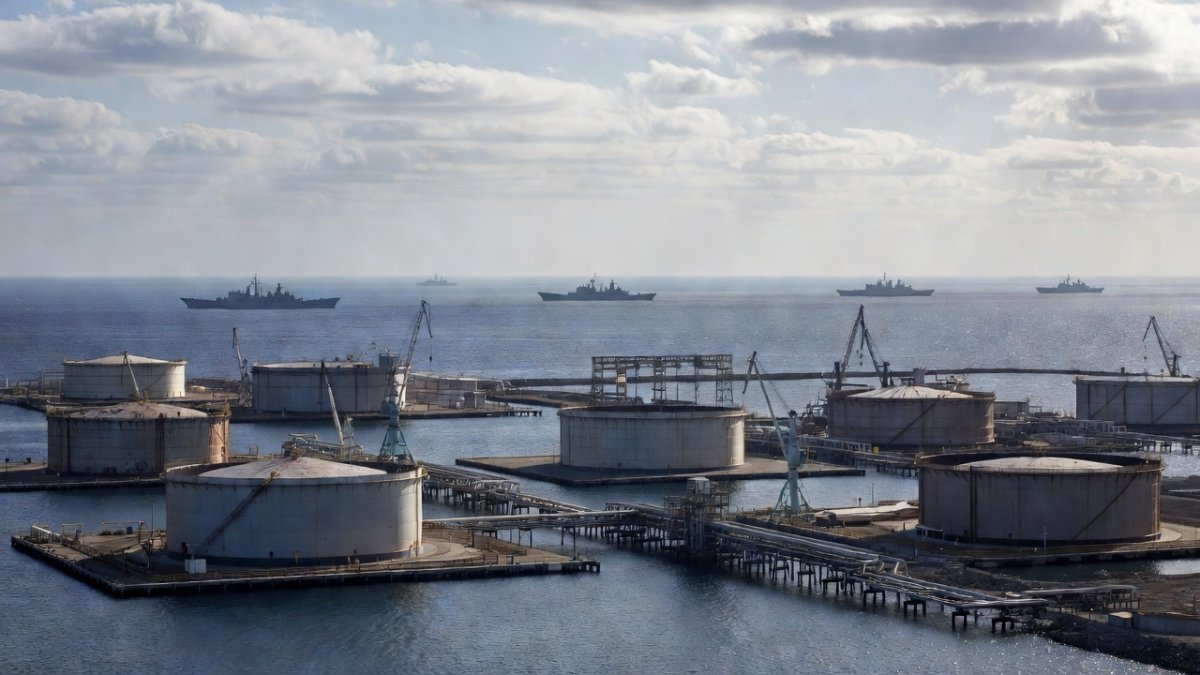
Trump’s expressed interest in seizing Kharg Island represents a significant escalation in energy warfare. The island handles over 90 percent of Iran’s crude exports, making it a critical node in Tehran’s economic survival. US Central Command has reportedly drawn up contingency plans for a limited occupation, though officials acknowledge the operation would require sustained naval and air support amid Iranian mine-laying and missile threats in the Gulf.
Saudi Arabia and the UAE have watched these developments with alarm, fearing that any disruption at Kharg could trigger Iranian retaliation against their own export facilities. Riyadh has quietly reinforced its eastern province defenses while urging Washington to avoid actions that could spike global oil prices. Iranian officials have already threatened to close the Strait of Hormuz if Kharg falls, a move that would immediately affect energy supplies to Asia and Europe.
Gulf States Caught Between Washington and Tehran
Gulf Cooperation Council members find themselves in an increasingly untenable position. Bahrain and the UAE host US military assets used in strikes against Iran, prompting sharp warnings from Tehran’s Foreign Ministry. Saudi Crown Prince Mohammed bin Salman has maintained public silence while dispatching envoys to both Washington and Muscat to explore de-escalation pathways. Kuwait and Qatar, traditionally more neutral, have accelerated diplomatic outreach to prevent a broader regional conflagration.
Omani Foreign Minister Badr al-Busaidi has emerged as a key mediator, leveraging Muscat’s long-standing channels to both Tehran and Washington. Yet the memory of past US pressure on Gulf states to isolate Iran leaves many capitals wary of fully endorsing Trump’s military campaign. The risk of Iranian proxy attacks on shipping or energy infrastructure remains a constant concern for governments already managing domestic economic strains.
Historical Precedent: From JCPOA to Military Confrontation
The current crisis traces directly to the unraveling of the 2015 Joint Comprehensive Plan of Action. Trump’s 2018 withdrawal from the nuclear deal and subsequent “maximum pressure” campaign set the stage for today’s military operations. Iranian officials repeatedly warned that the absence of economic relief would push Tehran toward greater regional assertiveness, a prediction borne out by expanded proxy activities across Iraq, Syria, and Yemen.
Israeli Prime Minister Benjamin Netanyahu’s consistent advocacy for military action against Iranian nuclear sites has aligned with Trump’s current approach, though differences remain over targeting priorities. European signatories to the JCPOA, including France and Germany, have urged restraint, arguing that renewed diplomacy offers the only sustainable path. The collapse of multiple ceasefire efforts since February demonstrates how far trust has eroded since the original agreement was reached.
Regional Fallout: Sunni-Shia Dynamics and Proxy Networks
The conflict has intensified sectarian fault lines across the Middle East. Iran-backed groups in Iraq and Syria have increased attacks on US positions, while Sunni governments in Egypt and Jordan have expressed concern over potential refugee flows and militant spillover. Hezbollah in Lebanon has maintained a calibrated response, avoiding full-scale involvement that could invite devastating Israeli retaliation.
Yemeni Houthis have threatened renewed Red Sea disruptions, linking their actions to solidarity with Tehran. Saudi Arabia’s ongoing efforts to stabilize its southern border face renewed pressure as Iranian-supplied weapons reach Houthi forces. These proxy dynamics suggest that even if US-Iran fighting subsides, regional instability could persist for years through decentralized militant networks.
Oil Markets, Global Supply Chains, and Economic Shockwaves
Markets have reacted sharply to the prospect of Kharg Island operations and Hormuz closure threats. Brent crude has surged above $120 per barrel, with analysts warning of further spikes if Iranian exports drop significantly. Asian economies dependent on Gulf oil, particularly China and India, have begun emergency diplomatic outreach to both Washington and Tehran to secure supply assurances.
Shipping insurers have raised premiums dramatically for vessels transiting the Gulf, forcing rerouting that adds weeks to delivery schedules. European central banks have flagged potential inflationary pressures from energy costs, complicating already fragile post-pandemic recovery efforts. The interconnected nature of global supply chains means that prolonged US-Iran confrontation could trigger recessionary effects far beyond the Middle East.
Can Diplomacy Still Succeed? The Narrow Window
Despite the bellicose rhetoric, limited diplomatic openings persist. Omani and Qatari mediators report that both sides have floated ideas for a temporary freeze on strikes in exchange for Iranian commitments on nuclear transparency. Trump’s own statements that he would “rather not” hit civilian infrastructure suggest some internal debate within his administration about the costs of total escalation.
Yet the window for meaningful talks remains narrow. Iranian hardliners demand verifiable sanctions relief before any concessions, while Trump faces domestic political pressure to demonstrate strength. Without a dramatic shift in calculations by Khamenei or the White House, the trajectory points toward further military action rather than negotiated settlement. The coming days will determine whether the region slides deeper into conflict or finds an off-ramp through quiet diplomacy.
By Malik Hassan, Staff WriterThis article was produced with AI-assisted research and editorial support. Reporting is based on sources cited in the article.
What's Your Reaction?
 Like
0
Like
0
 Dislike
0
Dislike
0
 Love
0
Love
0
 Funny
0
Funny
0
 Wow
0
Wow
0
 Sad
0
Sad
0
 Angry
0
Angry
0
Middle East Correspondent at Global1.News. Based in Beirut, covering politics, conflict, energy, and society across the Middle East. Brings context and depth to a region often reduced to headlines.










Comments (0)