
NEET UG 2026 Re-Exam: When Discipline Meets Disruption
Over 22 lakh students appeared for the NEET UG 2026 re-examination on June 21, 2026, after the National Testing Agency invalidated the previous attempt due to paper leak allegations. The re-test, conducted across India under strict protocols, exposed deep tensions between examination discipline and student welfare in the country's high-stakes medical entrance system. The Scale
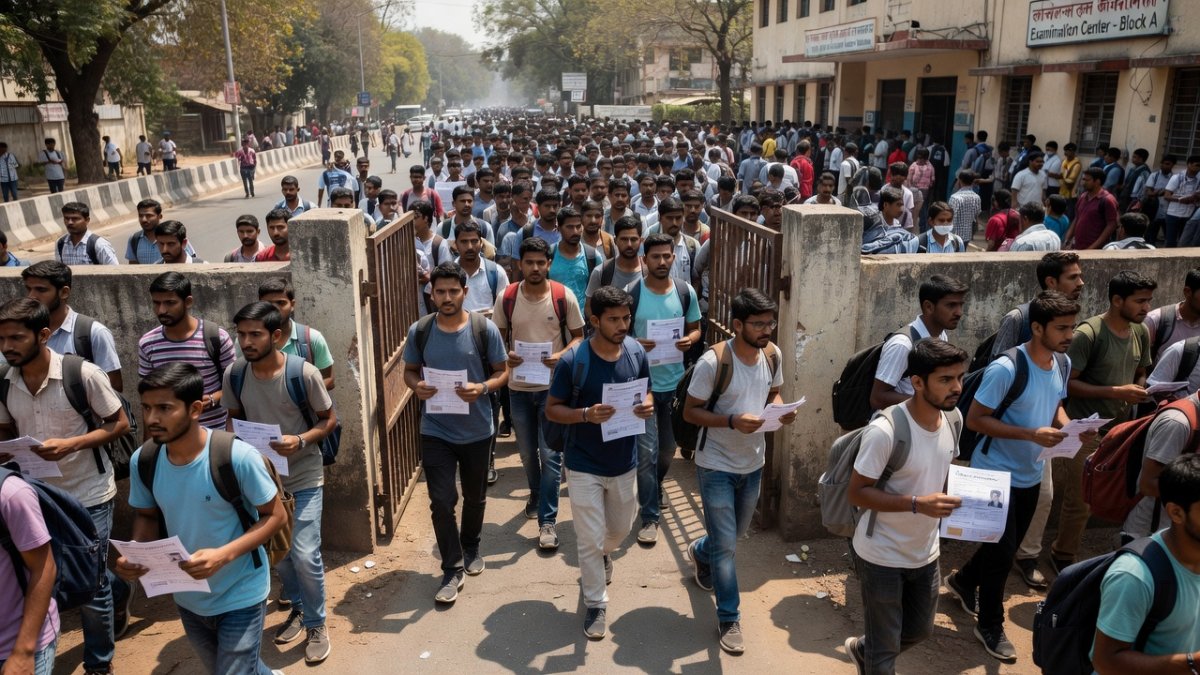
Over 22 lakh students appeared for the NEET UG 2026 re-examination on June 21, 2026, after the National Testing Agency invalidated the previous attempt due to paper leak allegations. The re-test, conducted across India under strict protocols, exposed deep tensions between examination discipline and student welfare in the country's high-stakes medical entrance system.
The Scale of the Re-Examination
The National Testing Agency managed the June 21 re-test for more than 2.2 million candidates. Admit cards went live on June 14, 2026. NTA command centres coordinated logistics nationwide, including special medical and transport arrangements for over 80 candidates with fractures, accidents, or ongoing treatment. These proactive measures ensured participation for students in cities such as Thiruvananthapuram and Bengaluru.
Strict Gate Rules and Their Enforcement
Union Education Minister Dharmendra Pradhan monitored proceedings from the NTA command centre via CCTV from early morning. The gate closure rule remained fixed at 1:30 PM, with the exam starting at 2 PM. Candidates who arrived even minutes late were denied entry. In Bengaluru, CCTV footage showed one candidate leaving home at 12:57 PM and reaching the centre at 1:33 PM after a 7-kilometre stretch took 35 minutes instead of the usual 20. Minister Pradhan stated that discipline is discipline and that rules had been clearly communicated in advance. Students and parents had begun arriving three to four hours early at centres across states including Karnataka, Delhi, Maharashtra, and Madhya Pradesh.
Political Dimensions in Indian Education Policy
The controversy quickly turned partisan. BJP leaders blamed the Congress government in Karnataka for road blockages caused by a rally, while Congress countered that students faced similar delays in BJP-ruled states such as Delhi, Maharashtra, and Madhya Pradesh. This exchange highlights how NEET administration, run by the NTA under the Ministry of Education, intersects with state-level politics. The episode raises questions about coordination between central testing bodies and state authorities during national examinations that determine entry into medical colleges across India.
Human Stories Behind the Statistics
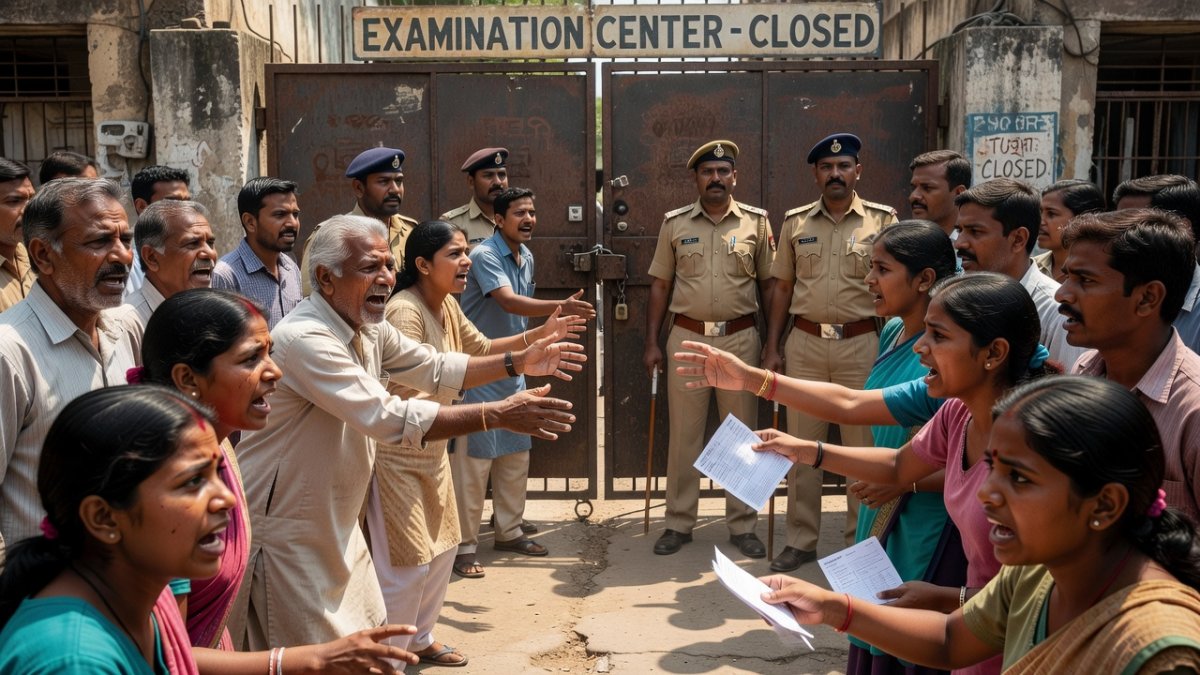
Outside examination centres, emotional scenes unfolded as students and parents pleaded for entry after arriving late. In Thiruvananthapuram, officials urged candidates to move quickly before gates closed. One Bengaluru parent, Krishna Murthy, described how traffic delays prevented his child from reaching on time despite leaving with what seemed adequate margin. Minister Pradhan acknowledged being hurt by these visuals yet upheld the need for uniform rules. These incidents affected families who had invested months of preparation and significant financial resources in coaching and travel.
What This Means for India
The re-examination process tests the balance between fairness and accessibility in India's education framework. With 22 lakh students competing for limited medical seats, even small logistical failures carry life-altering consequences for aspirants from middle-class and lower-income households. The NTA's handling of special-needs candidates shows institutional capacity, yet rigid gate policies without buffer mechanisms can penalise students facing unpredictable urban traffic or state-specific disruptions. This affects long-term trust in centralised testing and influences policy debates on exam reforms, regional equity, and the economic burden on families preparing for repeated attempts.
Bottom Line
The June 21 re-test demonstrated the NTA's ability to mobilise at massive scale while exposing gaps in contingency planning for time-sensitive rules. As India continues to expand its medical education infrastructure, consistent protocols that account for real-world variables will determine whether the system serves students equitably or simply enforces discipline at any cost.
— By Dr. Raj Patel, Staff WriterThis article was produced with AI-assisted research and editorial support. Reporting is based on sources cited in the article.
What's Your Reaction?
 Like
0
Like
0
 Dislike
0
Dislike
0
 Love
0
Love
0
 Funny
0
Funny
0
 Wow
0
Wow
0
 Sad
0
Sad
0
 Angry
0
Angry
0

Caribbean Correspondent at Global1.News. Based in Port of Spain, Trinidad, covering Caribbean politics, economy, energy, climate, and culture. Amplifying the voices and stories of the Caribbean region.















Comments (0)