
The House of Murdoch on Trial: Fox News Faces Its Reckoning in $1.6 Billion Dominion Defamation Case
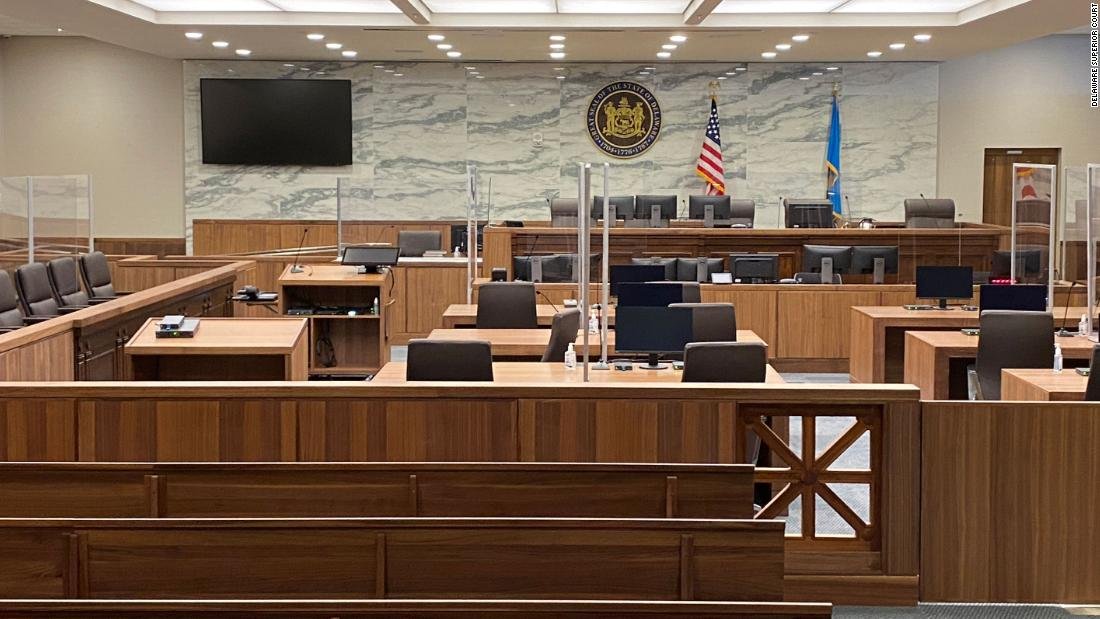
The House of Murdoch on Trial: Fox News Faces Its Reckoning in $1.6 Billion Dominion Defamation Case Jury Selection Sets the Stage for Historic Proceedings Jury selection in Dominion Voting Systems' monster $1.6 billion defamation lawsuit took place all of Thursday in Wilmington, Delaware. Three hundred potential jurors were summoned to court for the process. Good progress was
Jury Selection Sets the Stage for Historic Proceedings
Jury selection in Dominion Voting Systems' monster $1.6 billion defamation lawsuit took place all of Thursday in Wilmington, Delaware. Three hundred potential jurors were summoned to court for the process. Good progress was made and the presiding judge noted that there were "more than enough jurors" to start the trial as scheduled on Monday. This development signals that the case will move forward without delay in Courtroom 7E. The pace of selection underscores the court's determination to maintain the timeline despite the high stakes involved.
The proceedings mark a significant moment for media accountability in the United States. Fox News executives and hosts now face scrutiny in a formal legal setting. The network's usual methods of deflecting criticism will not apply here. Observers expect intense examination of internal communications and broadcast decisions from 2020. This environment demands evidence-based responses rather than on-air narratives.
Wilmington, Delaware, has become the focal point for this unfolding drama. The choice of venue reflects the company's headquarters location and the legal jurisdiction. Local courts will host the biggest figures in Murdoch Media along with their high-powered legal teams. The atmosphere is charged with anticipation as the trial approaches its start date. Public interest remains elevated given the unprecedented nature of the claims.
The Core Allegations Driving the Dominion Lawsuit
Dominion Voting Systems is suing Fox News for defamation over repeated false claims about its voting machines. The company alleges that these broadcasts damaged its reputation and business operations substantially. The $1.6 billion figure represents the scale of damages sought in the complaint. These assertions centered on baseless accusations of vote manipulation during the 2020 election. The lawsuit seeks to hold the network responsible for amplifying unverified information without proper verification.
The legal action highlights how media outlets can influence public trust in electoral processes. Dominion argues that the broadcasts went beyond opinion into outright falsehoods. Internal documents and communications are expected to play a central role in the evidence presented. This case tests the boundaries of journalistic responsibility when covering contested political events. The outcome could reshape how networks handle sensitive election-related reporting in the future.
Pre-trial hearings have already revealed tensions between the judge and Fox's legal team. The presiding judge has lost patience with certain arguments and put the defense on notice. These early warnings indicate that the court will enforce strict standards during the trial. Such oversight aims to ensure that proceedings remain focused on facts rather than distractions. The approach sets a tone of seriousness for all parties involved.
The 2020 Election Lies That Sparked the Legal Battle
Following the 2020 presidential election, Fox News aired numerous segments questioning the integrity of voting systems. These reports included claims that Dominion machines were rigged to favor one candidate. The broadcasts persisted even as official certifications confirmed the results. Such coverage contributed to widespread public confusion and distrust. The lawsuit contends that these statements lacked any factual basis and caused direct harm.
The pattern of reporting reflected a broader strategy to retain viewership amid competitive pressures. Hosts and guests promoted narratives that aligned with audience expectations rather than verified information. This approach amplified fringe theories that had previously remained on the margins. The consequences extended beyond ratings to real-world impacts on election confidence. Dominion's suit brings these dynamics into a courtroom for detailed examination.
Evidence from the pre-trial phase suggests that network leadership was aware of the inaccuracies. Yet the programming continued without sufficient corrections or retractions. This persistence forms a key element of the defamation argument. The trial will likely explore the decision-making processes behind these choices. Such scrutiny could reveal systemic issues in how certain media organizations prioritize content.
Prominent Figures Facing Scrutiny in Courtroom 7E
Rupert Murdoch, the media mogul behind the Fox empire, is among those expected to feature prominently. His oversight of editorial direction places him at the center of questions about accountability. Suzanne Scott, as a top executive, will also navigate the legal challenges alongside other leaders. The trial demands their direct engagement with evidence rather than evasion. This setting strips away the protections typically afforded in public discourse.
Tucker Carlson and Sean Hannity, as high-profile hosts, represent the on-air voices that delivered much of the contested content. Their segments are central to the allegations of repeated falsehoods. The court will examine whether these individuals operated with knowledge of the claims' falsity. Such analysis goes beyond individual performances to institutional practices. The involvement of these figures elevates the case's visibility across the media landscape.
The defense strategy must now rely on substantive arguments rather than external attacks. In this controlled environment, the network cannot simply ignore inquiries or shift focus. The contrast with typical broadcast tactics is stark and revealing. Legal teams will need to present fact-driven defenses under judicial oversight. This requirement tests the resilience of the organization's long-standing operational model.
Pre-Trial Hearings Reveal Judicial Frustration
The judge overseeing the case has already issued warnings to Fox's legal representatives during preliminary stages. These interventions signal an unwillingness to tolerate delays or evasive maneuvers. The court has emphasized adherence to procedural rules from the outset. Such measures aim to prevent the proceedings from devolving into spectacle. The approach reinforces the seriousness of the $1.6 billion claims at stake.
Pre-trial hearings have exposed gaps in the defense's initial positions. The judge's impatience reflects broader concerns about the quality of submissions. This dynamic suggests that the trial itself will demand rigorous preparation from all sides. Fox must adapt to a forum where its influence over narratives is limited. The shift challenges the network's accustomed dominance in shaping public conversations.
These early interactions provide insight into how the full trial may unfold. The emphasis on evidence and procedure contrasts sharply with broadcast formats. Observers anticipate continued judicial intervention to maintain order and focus. The warnings serve as a reminder that legal accountability operates under different rules. This framework could influence how media companies approach future disputes.
Accountability as a Turning Point for Media Practices
This trial represents a rare instance where a major network must defend its reporting in a court of law. The process could establish precedents for how defamation claims against media entities are evaluated. Accountability in this context means confronting the consequences of amplified misinformation. The case challenges the assumption that large platforms can operate without meaningful repercussions. Such developments may encourage greater caution in election coverage moving forward.
Media organizations have historically navigated controversies through public relations strategies. Here, however, the venue requires transparency and factual substantiation. The implications extend to how networks balance commercial interests with journalistic standards. This reckoning could prompt internal reviews of editorial guidelines across the industry. The outcome may redefine acceptable boundaries for political commentary.
The involvement of high-level executives underscores the institutional stakes involved. Decisions made at the top levels will face direct questioning. This level of exposure differs from typical responses to public criticism. The trial thus serves as a test case for corporate responsibility in broadcasting. Broader reforms might emerge depending on the final judgment.
Implications for the Integrity of Future Elections
The Dominion case carries significant weight for how media influences electoral trust. False claims about voting systems can erode confidence in democratic institutions. A strong verdict against Fox could deter similar reporting in upcoming cycles. This potential deterrent effect aims to protect the accuracy of public information during elections. The trial's resolution may set expectations for responsible coverage of contested results.
Future elections could benefit from heightened scrutiny of unverified allegations. Networks may adopt more rigorous fact-checking protocols to avoid legal exposure. The $1.6 billion lawsuit illustrates the financial risks associated with reckless broadcasting. Such precedents encourage a shift toward evidence-based reporting. The long-term impact could strengthen public faith in electoral processes.
Political actors and media consumers alike will watch the proceedings closely. The case highlights vulnerabilities in the information ecosystem surrounding votes. Lessons from this trial might inform regulatory discussions on media standards. Ultimately, the emphasis on truth in the courtroom could translate to more reliable coverage. This evolution supports the health of democratic participation over time.
What Happens Next as the Trial Commences
The trial is scheduled to begin on Monday in Courtroom 7E following successful jury selection. Opening arguments will outline the core disputes between Dominion and Fox News. Witnesses including executives and hosts are likely to provide testimony under oath. The presentation of internal documents will form a critical component of the evidence. This phase will determine the trajectory of the entire proceeding.
Legal teams on both sides have prepared extensively for the evidentiary battles ahead. The judge's prior warnings indicate a commitment to efficient and fair management. Observers expect detailed cross-examinations that probe decision-making processes. The public will gain unprecedented access to the network's internal operations. These revelations could reshape perceptions of media practices.
Regardless of the immediate outcome, the case marks a pivotal moment in media history. The focus on facts over spin creates an environment where deception faces direct consequences. The proceedings will continue to draw attention as they unfold in Wilmington, Delaware. This trial offers a template for addressing similar disputes in the future. Its legacy will influence how networks navigate contentious political topics.
By Jessica Ali, Staff WriterThis article was produced with AI-assisted research and editorial support. Reporting is based on sources cited in the article.
What's Your Reaction?
 Like
0
Like
0
 Dislike
0
Dislike
0
 Love
0
Love
0
 Funny
0
Funny
0
 Wow
0
Wow
0
 Sad
0
Sad
0
 Angry
0
Angry
0

Editor-in-Chief at Global1.News. Atlanta-based journalist who cuts through the BS and tells it like it is. Lead anchor, host, and the voice you hear when the spin stops and the truth starts.















Comments (0)