
Ukraine Strikes Two Russian Oil Refineries in Deepest Drone Attack Yet: Fuel Crisis Deepens Across the Country
Ukraine Strikes Two Russian Oil Refineries in Deepest Drone Attack Yet: Fuel Crisis Deepens Across the Country Immediate Events of the Strikes Fires broke out at two oil refineries in Russia after Ukrainian drones struck them early Tuesday morning, local authorities said. In the republic of Bashkortostan, regional head Radiy Khabirov said smoke could be seen rising from an indu
Ukraine Strikes Two Russian Oil Refineries in Deepest Drone Attack Yet: Fuel Crisis Deepens Across the Country
Immediate Events of the Strikes
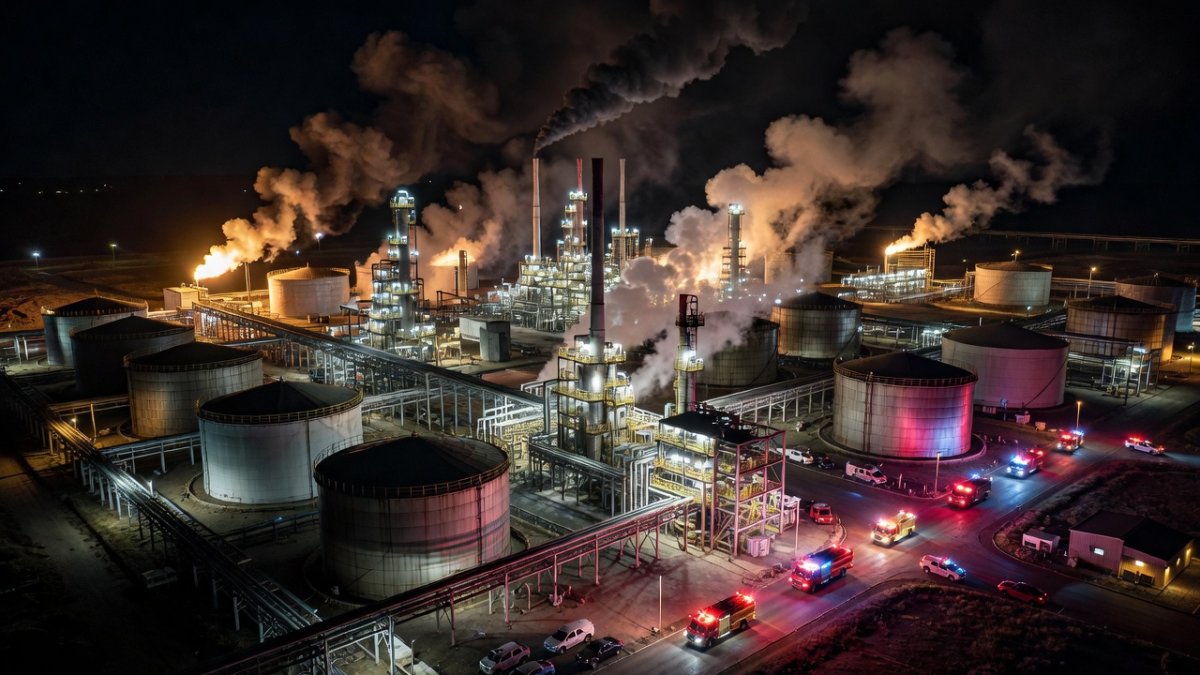
Fires broke out at two oil refineries in Russia after Ukrainian drones struck them early Tuesday morning, local authorities said.
In the republic of Bashkortostan, regional head Radiy Khabirov said smoke could be seen rising from an industrial area in the city of Salavat after drone debris fell to the ground. He said no one was injured but did not provide further details.
In the southern Krasnodar region, local authorities said a fire broke out at the Afipsky refinery, which has been struck multiple times since the full-scale invasion of Ukraine in February 2022. Authorities in Krasnodar later reported that firefighters extinguished the blaze. At least two people were injured in the attack.
Geographic Significance of the Salavat Strike
Salavat, located around 1,300 kilometers east of Russia's border with Ukraine, is home to the Gazprom-operated Neftekhim Salavat refinery, one of Russia's largest oil refining and petrochemical facilities.
Independent media reports suggested that a Rosneft fuel depot was also targeted in the attack on Salavat. This distance underscores the extended operational reach demonstrated in the strikes.
Analysts suggest this signals Ukraine's capacity to target energy assets far from the front lines, though the longer-term impact depends on whether Ukraine can sustain its campaign against Russia's oil infrastructure.
Official Russian Responses and Interceptions
Russia's Defense Ministry said Monday that it intercepted 288 Ukrainian drones in Russia and annexed Crimea between Monday night and Tuesday morning.
In annexed Crimea, Kremlin-installed authorities said a Ukrainian attack on energy sites caused a partial blackout in the port city of Sevastopol. A state of emergency remains active in Crimea following previous Ukrainian strikes against energy infrastructure in the region last month.
The Kremlin-installed head of the partially occupied Donetsk region said late Monday that Ukrainian drone attacks killed eight people, including a family of four.
Broader Fuel Crisis Context Across Russia
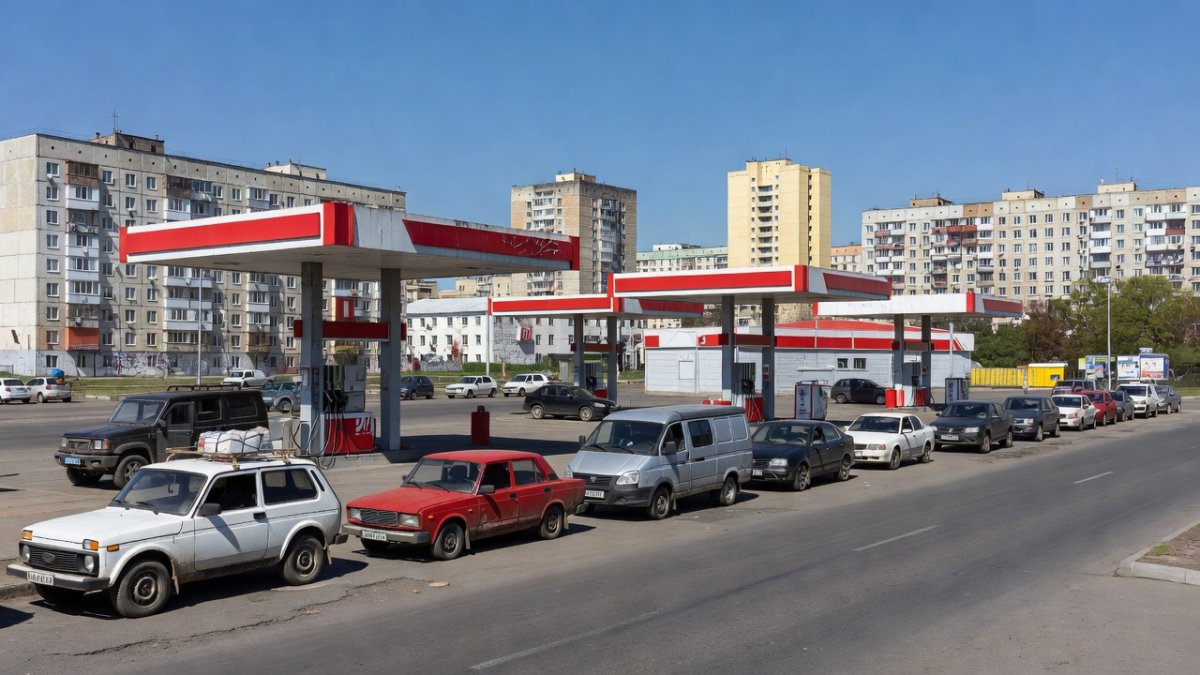
Ukraine has struck most of Russia's oil refineries in recent months, leading to acute gasoline shortages in some parts of the country. Most Russian regions have introduced fuel rationing measures since early June as authorities try to ensure the domestic market remains supplied.
Two-thirds of Russia's 83 federal entities are experiencing fuel rationing. At least six regions have rolled out odd-even gasoline purchase plans. The government is considering temporarily relaxing fuel-quality standards to allow production of lower-grade gasoline.
Reuters reported this week that the Syzran oil refinery on the Volga River halted operations after a Ukrainian drone attack on July 12 damaged a primary processing unit. This adds to the strain on domestic supply chains managed by companies such as Gazprom and Rosneft.
Geopolitical Analysis for Russia's War Effort
This could indicate mounting pressure on Russia's energy sector, which plays a central role in funding military operations through export revenues. Strikes on facilities operated by Gazprom and Rosneft highlight vulnerabilities in the infrastructure supporting both domestic needs and broader strategic objectives.
Analysts suggest this signals potential challenges for the Kremlin in maintaining steady fuel supplies amid ongoing conflict. The involvement of multiple regions, from Bashkortostan to Krasnodar, reflects coordinated targeting of key nodes in the national energy network.
Perspectives from Ukrainian sources frame these actions as responses to Russian military advances, while EU observers note the ripple effects on regional energy stability. Russia's Foreign Ministry has consistently attributed such incidents to external aggression without detailing internal mitigation strategies.
Human Impact on Ordinary Russians
The introduction of rationing measures in most federal entities directly affects daily life for residents across vast areas of the country. Families in regions implementing odd-even schemes face added logistical hurdles when securing fuel for essential travel and work.
In areas like Salavat and Krasnodar, local communities near the affected refineries experience immediate disruptions from fires and emergency responses. The partial blackout in Sevastopol further compounds difficulties for civilians reliant on stable energy access.
These developments connect to wider Kremlin energy politics, where decisions by ministries and state companies influence prices and availability felt by ordinary citizens far from the conflict zones. Sustained pressure on refineries may prolong these hardships in the months ahead.
Longer-Term Considerations for Domestic Supply
Authorities continue efforts to stabilize the market through policy adjustments, including potential changes to fuel standards. The pattern of repeated strikes on sites such as the Afipsky refinery illustrates the persistent nature of the challenge.
Regional leaders like Radiy Khabirov provide limited updates, focusing on the absence of injuries in certain incidents while broader shortages persist nationwide. This approach reflects the centralized control exercised over information from affected areas.
Overall, the events tie into Russia's complex power structures, where energy resources underpin both economic stability and military sustainment, with consequences extending to households in dozens of federal entities.
By Irina Volkov, Staff WriterThis article was produced with AI-assisted research and editorial support. Reporting is based on sources cited in the article.
What's Your Reaction?
 Like
0
Like
0
 Dislike
0
Dislike
0
 Love
0
Love
0
 Funny
0
Funny
0
 Wow
0
Wow
0
 Sad
0
Sad
0
 Angry
0
Angry
0
Russia/Eastern Europe Correspondent at Global1.News. Covering Russian politics, energy, security, and the shifting dynamics of the post-Soviet space. Provides clear-eyed analysis on one of the world's most opaque regions.










Comments (0)