
Dominion v. Fox News: A 2023 Settlement That Reshaped Media Scrutiny
Dominion v. Fox News: A 2023 Settlement That Reshaped Media Scrutiny The Brink-of-Trial Drama in Wilmington The atmosphere in Wilmington, Delaware, grew electric as the Dominion lawsuit against Fox News edged toward its April 2023 start date. Local courts prepared for intense public interest, with Courtroom 7E designated as the central stage for proceedings that promised to dis
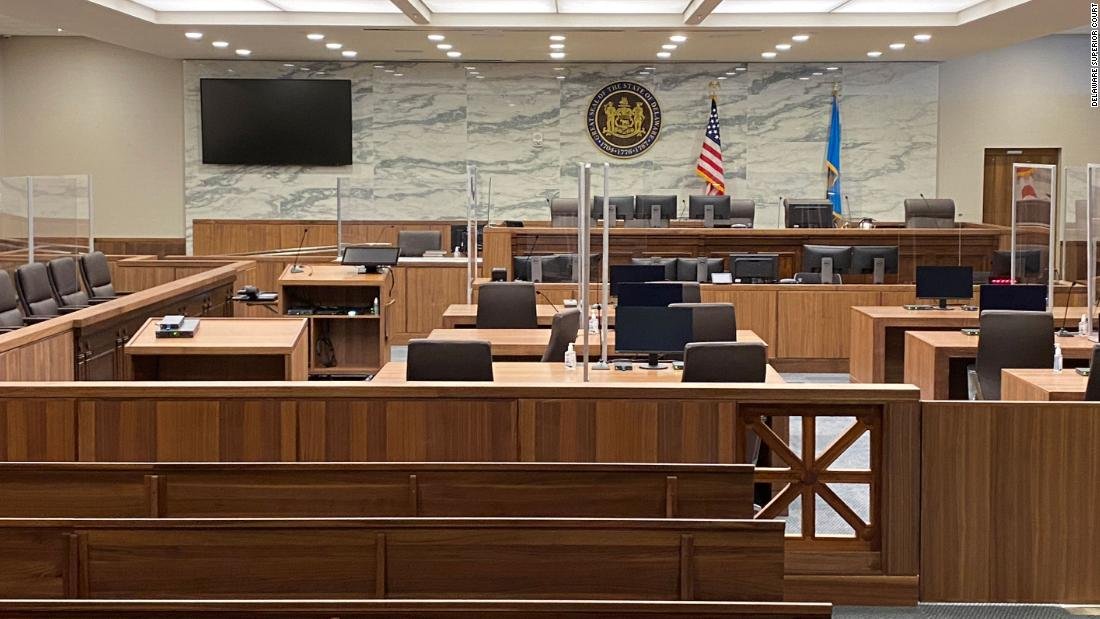
The Brink-of-Trial Drama in Wilmington
The atmosphere in Wilmington, Delaware, grew electric as the Dominion lawsuit against Fox News edged toward its April 2023 start date. Local courts prepared for intense public interest, with Courtroom 7E designated as the central stage for proceedings that promised to dissect high-stakes media practices. Attorneys on both sides maneuvered through last-minute motions, creating a sense of urgency that permeated the courthouse corridors and drew national attention to the small city.
Jury selection added layers of complexity to the unfolding drama. From a pool of 300 potential jurors, court officials worked methodically to identify individuals capable of remaining impartial amid widespread media coverage of the case. This process highlighted the challenges of empaneling a fair panel in a matter already steeped in political divisions, with questionnaires probing backgrounds and media consumption habits to filter out biases.
Inside Courtroom 7E, the physical setup reflected the gravity of the moment. Rows of benches accommodated legal teams, while space was allocated for limited spectators and reporters. The room's modest dimensions contrasted with the expansive implications of the trial, as participants anticipated opening statements that could expose internal network dynamics to public view.
Preparations extended beyond the courtroom itself. Local hotels filled with out-of-town lawyers and consultants, while security measures intensified around the courthouse to manage crowds. The imminent trial date forced rapid coordination among court staff, underscoring how a single venue in Delaware had become the focal point for a national conversation on accountability in broadcasting.
Observers noted the palpable tension among participants as deadlines loomed. Fox News representatives coordinated with their counsel in nearby offices, while Dominion's team reviewed strategies tailored to the Delaware setting. This pre-trial phase transformed Wilmington into a temporary hub of legal activity, with every detail from parking logistics to media access amplifying the sense of an approaching climax.
The selection of 300 potential jurors served as a reminder of the case's scale. Court officials conducted individual interviews to assess suitability, navigating concerns over preconceived notions formed through years of public discourse. This meticulous approach ensured that the eventual panel would confront evidence without external influences dominating deliberations.
Ultimately, the brink-of-trial period in Courtroom 7E encapsulated the intersection of local judicial routines and broader societal stakes. Wilmington's role as host city emphasized how even routine court procedures could command global scrutiny when tied to questions of electoral integrity and media responsibility.
Pre-Trial Discovery Bombshells
Pre-trial discovery in the Dominion case unearthed a trove of internal communications that contrasted sharply with Fox News' on-air narratives. Emails and text messages revealed exchanges among executives and hosts indicating awareness that certain 2020 election claims lacked factual basis, yet these doubts remained confined to private channels rather than public corrections.
The volume of materials obtained during discovery surprised many legal analysts. Thousands of documents illustrated a pattern where private skepticism about fraud allegations coexisted with continued broadcasts, creating a documented gap between internal knowledge and external presentation. This evidence emerged through standard litigation processes, including subpoenas that compelled production of sensitive records.
Discovery also highlighted the role of routine corporate communications in building the case. Messages exchanged during editorial meetings showed discussions about audience reactions versus factual verification, demonstrating how business considerations sometimes overshadowed journalistic standards in real time. These records provided a granular view of decision-making hierarchies within the network.
Analysts examining the materials noted the absence of immediate fact-checking protocols in response to emerging doubts. Instead, the documents depicted a workflow where concerns were acknowledged internally but did not halt the dissemination of contested claims. This dynamic formed a core element of the plaintiff's arguments regarding reckless disregard for truth.
The discovery phase extended over months, involving iterative requests and reviews that gradually assembled a comprehensive picture. Each new batch of texts and emails added context to previous findings, illustrating how information flowedor failed to flowbetween different levels of the organization. This methodical accumulation strengthened the foundation for settlement discussions.
Legal teams on both sides pored over the materials to identify pivotal exchanges. The resulting insights into private versus public stances underscored the power of discovery rules in defamation litigation, where internal records can illuminate motivations that remain hidden from viewers. Such revelations shifted focus from isolated broadcasts to systemic practices.
Overall, the bombshells from pre-trial discovery transformed abstract allegations into concrete documentation. By exposing the divergence between what was known behind closed doors and what aired publicly, these materials set the stage for evaluating liability without ever reaching a jury verdict.
Key Figures and Evidence of Internal Knowledge
Rupert Murdoch's involvement in the case centered on his oversight role, with evidence from discovery showing his awareness of inaccuracies in election-related reporting. As the controlling figure at the network's parent company, his communications reflected high-level recognition that certain claims required scrutiny, yet operational decisions continued along established lines.
Suzanne Scott, as a top executive, appeared in multiple internal exchanges that demonstrated coordination between newsroom priorities and corporate objectives. The materials indicated her participation in conversations where doubts about fraud assertions were raised, highlighting the tension between maintaining viewer engagement and addressing factual concerns at the leadership level.
Tucker Carlson's texts and emails portrayed a host grappling with conflicting impulses. Private messages revealed his personal dismissal of some election fraud narratives, even as his program amplified related content. This duality illustrated how individual on-air personalities navigated internal skepticism while fulfilling programming demands.
Sean Hannity's documented interactions further illustrated the pattern of private reservations. Evidence showed him expressing disbelief in specific allegations during off-air discussions, contrasting with the tone of his broadcasts. These records contributed to a broader portrait of hosts who maintained separate private and public personas regarding the same topics.
The collective evidence surrounding these figures emphasized hierarchical influences on content decisions. From Murdoch's strategic vantage point down through executive and talent layers, the materials depicted a network where knowledge of falsity circulated without prompting widespread on-air retractions. This structure informed assessments of organizational responsibility.
Discovery materials also captured how these key individuals responded to external pressures. Emails among the group referenced audience metrics alongside factual disputes, revealing the interplay of commercial and editorial considerations that shaped responses to emerging controversies. Such details enriched understanding of the environment in which broadcasts occurred.
By focusing on these individuals, the evidence painted a nuanced picture of institutional dynamics. The private acknowledgments by Murdoch, Scott, Carlson, and Hannity collectively underscored how personal insights failed to alter public-facing content, providing critical context for evaluating the network's overall conduct.
The $787.5 Million Settlement and Its Timing
The decision to settle for $787.5 million occurred mere days before opening statements were scheduled, averting a full trial that had loomed for months. This amount represented the largest defamation settlement in United States history, eclipsing previous records and signaling the financial stakes involved in prolonged litigation over election claims.
Timing played a decisive role in the agreement. With jury selection complete and evidence poised for presentation, both parties faced the prospect of unpredictable courtroom outcomes. The settlement allowed Dominion to secure substantial compensation without the risks of a verdict, while enabling Fox News to contain further exposure of internal documents.
The sum itself carried symbolic weight beyond its numerical value. At roughly half the original $1.6 billion demand, it reflected negotiated compromises shaped by the strength of discovery materials. Payment terms included immediate transfers that underscored the case's resolution as a landmark financial event in media law.
Negotiations intensified in the final hours, with mediators facilitating discussions that balanced Dominion's desire for acknowledgment against Fox's interest in avoiding precedent-setting testimony. The resulting accord included no admission of liability, yet the payout itself conveyed the practical consequences of the documented discrepancies.
Post-settlement reactions focused on the agreement's implications for future disputes. The record-breaking figure prompted discussions among media companies about insurance coverage and risk management, as the case demonstrated how pre-trial revelations could drive settlements of unprecedented scale.
The avoidance of opening statements preserved certain strategic advantages for both sides. Dominion achieved a monetary victory that validated its claims without further public dissection, while Fox News limited additional scrutiny of its operations. This mutual benefit explained the abrupt conclusion just before the trial's substantive phase.
In historical context, the $787.5 million resolution marked a turning point in how defamation suits against major outlets are valued. Its timing, immediately preceding what would have been extensive public proceedings, amplified its significance as a pragmatic endpoint to an otherwise expansive legal confrontation.
Legal Precedent in Defamation and Media Liability
The judge's ruling that Fox News had broadcast false statements established a foundational element for the case's trajectory. This determination streamlined subsequent arguments by confirming the falsity of specific claims, shifting emphasis toward questions of knowledge and intent rather than debating the underlying accuracy of the content.
Under established defamation standards, plaintiffs must demonstrate actual malice when public figures or matters of public concern are involved. The Dominion litigation illustrated how internal communications could serve as evidence of such malice, providing a template for future cases where private doubts contradict public assertions.
First Amendment protections remained central throughout the proceedings. The case tested the boundaries of these safeguards by examining whether repeated airing of debunked claims, despite internal awareness, constituted unprotected speech. The settlement avoided a definitive appellate ruling but reinforced the viability of discovery-driven challenges to media defenses.
Media liability doctrines evolved in light of the evidence presented. The ruling on falsity combined with discovery materials suggested that outlets could face heightened scrutiny when patterns of private acknowledgment emerge, potentially influencing how courts evaluate reckless disregard in similar disputes involving election-related reporting.
Procedural aspects of the case also contributed to precedent. The handling of voluminous discovery in a Delaware courtroom demonstrated practical mechanisms for managing complex defamation suits, including protections for sensitive corporate communications while ensuring relevant evidence reaches plaintiffs.
Scholars analyzing the outcome noted its potential ripple effects on summary judgment standards. By reaching settlement after a falsity ruling but before trial, the case underscored how early judicial findings can pressure parties toward resolution, altering the calculus for both plaintiffs and defendants in high-profile media litigation.
Overall, the legal framework applied here highlighted the interplay between constitutional protections and accountability mechanisms. The absence of a full verdict left room for interpretation, yet the documented path from falsity determination to record settlement offered guidance for navigating future conflicts at the intersection of journalism and law.
Media Accountability and Lessons for Journalism
The Dominion settlement prompted widespread reflection within news organizations about verification processes. Executives across the industry examined internal protocols to ensure that private skepticism about stories receives formal channels for escalation, reducing the likelihood of prolonged disconnects between editorial knowledge and broadcast content.
Training programs for journalists and producers began incorporating case studies drawn from the litigation. Emphasis shifted toward documenting fact-checking efforts and creating audit trails that could withstand discovery requests, fostering a culture where concerns about accuracy are addressed transparently rather than confined to informal exchanges.
Corporate governance discussions at media companies highlighted the need for clearer oversight structures. Boards and senior leaders considered implementing regular reviews of high-risk reporting areas, aiming to align operational incentives with legal and ethical standards that prioritize accuracy over immediate audience retention.
The case also influenced insurance and risk assessment practices. Premium calculations for defamation coverage started reflecting the potential for multimillion-dollar exposures, encouraging outlets to invest in compliance teams dedicated to monitoring the consistency between internal assessments and public reporting.
Public trust metrics became a renewed focus following the resolution. Newsrooms explored ways to communicate corrections more proactively, recognizing that settlements of this magnitude can erode viewer confidence if not accompanied by visible reforms in how contested claims are handled from the outset.
Industry associations convened panels to distill broader lessons, stressing the importance of separating commercial pressures from news judgment. These conversations emphasized sustainable practices that protect both journalistic integrity and organizational resilience against future legal challenges.
Ultimately, the episode served as a catalyst for incremental changes in newsroom culture. By illustrating the costs of unaddressed internal doubts, it encouraged a more rigorous approach to accountability that extends beyond any single network or lawsuit, shaping expectations for responsible broadcasting in an era of heightened scrutiny.
By Jessica Ali, Staff WriterThis article was produced with AI-assisted research and editorial support. Reporting is based on sources cited in the article.
What's Your Reaction?
 Like
0
Like
0
 Dislike
0
Dislike
0
 Love
0
Love
0
 Funny
0
Funny
0
 Wow
0
Wow
0
 Sad
0
Sad
0
 Angry
0
Angry
0

Editor-in-Chief at Global1.News. Atlanta-based journalist who cuts through the BS and tells it like it is. Lead anchor, host, and the voice you hear when the spin stops and the truth starts.















Comments (0)