
Displaced Yemeni Women Trapped Between War and Harassment in Rural Camps
The Loss of Urban Identity in Rural Settings Afnan al-Soroori once navigated the streets of Taiz in fitted abayas of varied colors that reflected her middle-class urban life and her studies at Taiz University. In the al-Safia camp those same garments now single her out as an outsider among rural residents who view any deviation from local dress codes as provocation. The transit
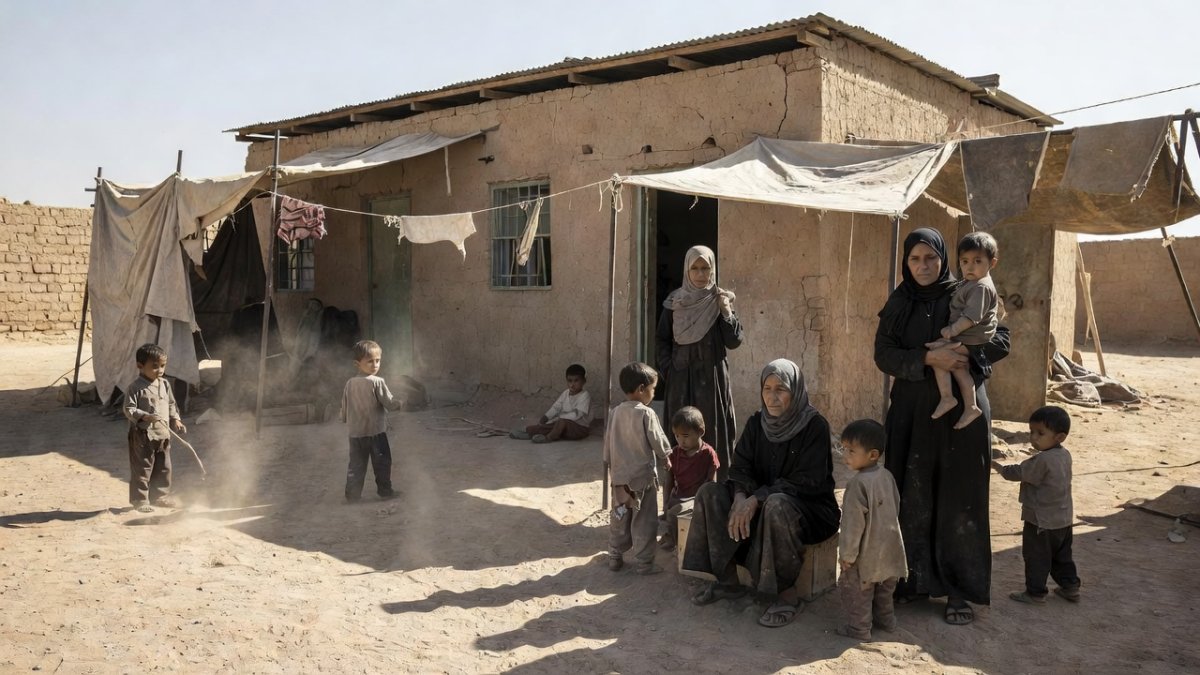
The Loss of Urban Identity in Rural Settings
Afnan al-Soroori once navigated the streets of Taiz in fitted abayas of varied colors that reflected her middle-class urban life and her studies at Taiz University. In the al-Safia camp those same garments now single her out as an outsider among rural residents who view any deviation from local dress codes as provocation. The transition from city routines to a 65-kilometre displacement has stripped away the small freedoms that once defined her daily existence, replacing them with constant scrutiny of her appearance and manner.
Mariam Abdul-Qader experienced a similar erasure when she attempted to blend in by adopting the dress of local women. Youths in the area still identified her by the sandals she wore and the way she walked, details that betrayed her urban background despite her efforts at conformity. This recognition turned every attempt at adaptation into another reminder that her identity as a displaced person from Taiz could not be hidden, intensifying the sense of alienation within the camp.
The harassment that follows these visible markers extends beyond verbal abuse to obscene gestures that occur especially in the afternoon hours when young men gather around the camp perimeter. Soroori described how leaving the grounds invites shouts of bad words and unwanted advances, a pattern that has forced her and her sisters to remain inside even when the surrounding green land offers a tempting contrast to their confinement. The loss of urban anonymity has therefore created an invisible boundary more restrictive than the physical limits of the makeshift shelters.
These markers of city life also affect how the women interact with one another inside the camp, where shared memories of Taiz University gatherings and household appliances now feel distant. The contrast between past independence and present restrictions underscores the gendered impact of displacement, as women bear the additional burden of having their bodies and movements policed by unfamiliar social codes. Without the protective anonymity of urban crowds, every step outside risks reinforcing their status as unwelcome outsiders.
Failed Appeals to Traditional Authority
Soroori's father sought help from tribal elders and local mosques after repeated incidents of harassment against his wife and three daughters. He explained the family's situation to religious leaders in the village, hoping their influence would curb the behavior of local youths. Instead the appeals were met with criticism directed at the women themselves for their fashionable clothes and what were described as loud voices, leaving the family without recourse within the existing social structures.
The rejection from these traditional authorities highlighted the power imbalance faced by displaced families who lack tribal connections in the al-Safia area. Soroori noted that because this is not their home territory they have no choice but to accept the cultural norms imposed upon them. The absence of any mediating voice from elders or mosques effectively closed off the only channels the family knew for seeking protection, deepening their isolation.
Mariam Abdul-Qader witnessed the same pattern when group outings failed to deter the harassment, revealing that collective presence offered no shield once the women's outsider status had been established. The father's unsuccessful interventions underscored how displacement removes not only material possessions but also the social capital that might otherwise allow families to negotiate safety. Without local kinship ties the displaced women remain dependent on the very authorities who have already dismissed their concerns.
This breakdown in traditional mediation mechanisms leaves families like Soroori's with few options beyond internal confinement. The experience illustrates how conflict-driven movement can fracture the informal protections that rural communities sometimes extend, particularly when newcomers arrive without established relationships. The result is a form of social exclusion enforced as much by silence from leaders as by the actions of harassers.
A Climate of Impunity
Sheikh Mohammed Gobah acknowledged that sexual harassment had become a major problem in the area yet attributed it to the immodesty of city women rather than the conduct of local youths. His statement that he had never heard of such harassment before the arrival of displaced families from Taiz placed the responsibility on the victims and their urban habits. This framing effectively absolved the community of any obligation to address the behavior, creating an environment where complaints are preemptively invalidated.
The sheikh's position reflects a broader reluctance among local figures to confront patterns of abuse that target outsiders. By focusing on the women's clothing and mannerisms he reinforced the same social codes that already confined Soroori and Abdul-Qader to the camp grounds. The lack of any protective response from recognized authorities signals to both harassers and victims that such incidents will continue without consequence.
Abdul-Qader expressed her frustration with the situation by condemning the war that forced her family into proximity with people who do not appreciate their suffering. The sheikh's comments compounded that sense of abandonment, transforming what should have been a neutral or supportive voice into another source of judgment. Without external intervention or accountability mechanisms the cycle of harassment persists unchecked.
The resulting climate of impunity extends the harm of displacement beyond the initial loss of homes and livelihoods. Women who once moved freely in Taiz now weigh every potential outing against the certainty of verbal and gestural aggression that local leaders refuse to condemn. This dynamic entrenches vulnerability and limits any possibility of gradual integration into the surrounding community.
Daily Life Behind Invisible Walls
Inside the al-Safia camp Soroori cooks meals over firewood and washes clothes by hand in the courtyard, tasks made more difficult by the absence of the electric appliances that once eased household labor in Taiz. As the eldest of five siblings she shoulders much of this work while her father remains unable to find employment after the family's flight. The physical demands of these routines compound the psychological strain of knowing that the green land visible beyond the camp remains inaccessible.
The restriction on movement means that even brief periods outside the school building turned shelter carry the risk of confrontation with groups of youths. Soroori has described the difficulty of adapting to domestic work without modern conveniences, yet she identifies the inability to leave the camp as the greater hardship. The daily rhythm of the camp therefore revolves around indoor tasks performed under conditions of enforced seclusion rather than choice.
Abdul-Qader shares the same confined space and has likewise found that attempts to modify her appearance or travel in groups provide no relief from recognition and harassment. The camp routine offers little variation, with women remaining within the grounds throughout the day to avoid the afternoon hours when abuse intensifies. This pattern of self-imposed limits mirrors the external pressures that treat displaced women as perpetual outsiders.
The contrast between the family's former middle-class existence and their current circumstances underscores the layered losses experienced by women in particular. Without the ability to step beyond the camp boundaries even for moments of respite, the women endure a form of rural confinement that compounds the trauma of war-induced displacement. Their days unfold within these invisible walls, sustained by memories of university life and city streets now far removed.
Yemen's Wider Crisis and the Gender Dimension
The experiences of Afnan al-Soroori and Mariam Abdul-Qader in the al-Safia camp illustrate how armed conflict amplifies existing gender inequalities through the mechanism of displacement. Families fleeing advancing Houthi forces from Taiz arrive in rural areas carrying urban habits that clash with local expectations, placing women at the intersection of wartime loss and social restriction. The dual crisis leaves them without the protections once afforded by city anonymity or established community ties.
Displacement severs access to education, employment, and public participation that many women in Taiz previously enjoyed, replacing those opportunities with domestic labor performed under surveillance. The appeals made by Soroori's father to tribal elders and mosques demonstrate how traditional structures can fail to extend safeguards to newcomers, particularly when those newcomers are women whose dress and speech are deemed inappropriate. This failure perpetuates a cycle in which vulnerability increases with each layer of exclusion.
The broader pattern of war-driven movement across Yemen has produced similar camps where women navigate both material hardship and the policing of their bodies. Sheikh Mohammed Gobah's attribution of harassment to the immodesty of displaced women reveals how local discourse can shift blame away from perpetrators and onto victims, reducing the likelihood of protective measures. Such attitudes compound the isolation already imposed by the physical separation from urban centers.
Women like Soroori and Abdul-Qader therefore embody the gendered consequences of prolonged conflict, where the loss of home coincides with the loss of mobility and voice. Their accounts highlight the need for responses that address not only immediate shelter but also the social barriers that prevent displaced women from reclaiming any measure of autonomy. Without attention to these intersecting pressures the confinement experienced in places like al-Safia risks becoming a lasting feature of life for those uprooted by fighting.
By Fatima Al-Rashid, Staff WriterThis article was produced with AI-assisted research and editorial support. Reporting is based on sources cited in the article.
What's Your Reaction?
 Like
0
Like
0
 Dislike
0
Dislike
0
 Love
0
Love
0
 Funny
0
Funny
0
 Wow
0
Wow
0
 Sad
0
Sad
0
 Angry
0
Angry
0
Middle East Correspondent at Global1.News. Based in Beirut, covering politics, conflict, energy, and society across the Middle East. Brings context and depth to a region often reduced to headlines.












Comments (0)