
DepEd Confirms 12 Copycat School Violence Incidents After Tacloban Shooting
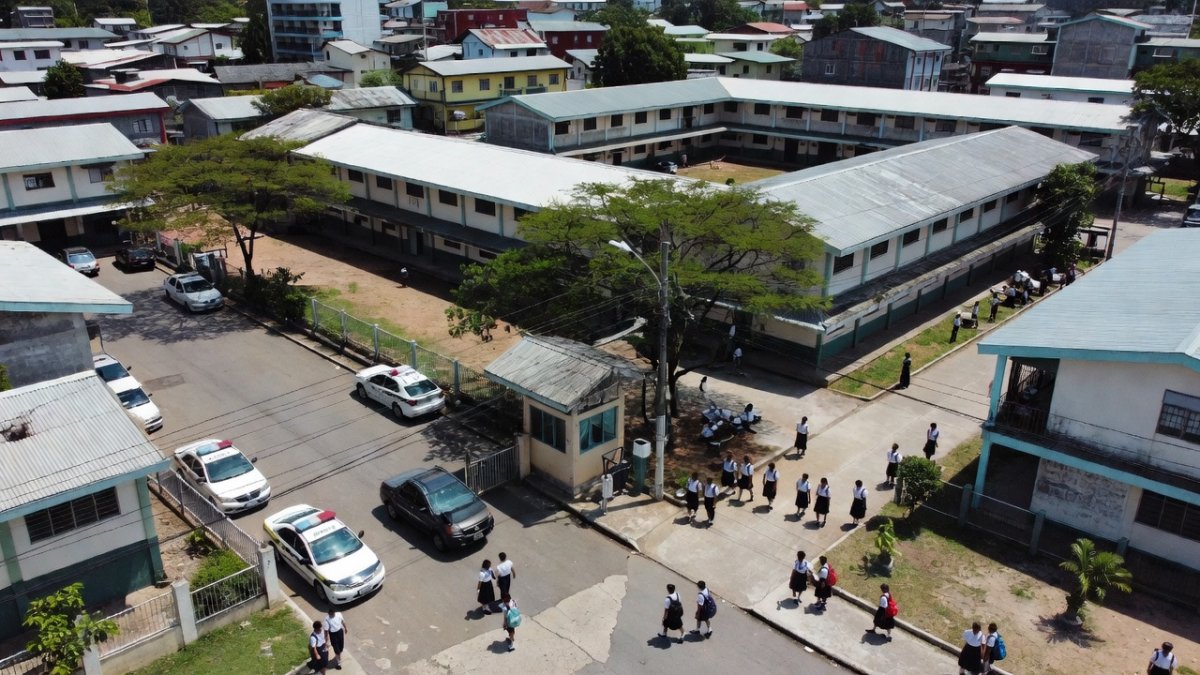
In a recent ANC 24/7 broadcast of The World Tonight on July 9, 2026, DepEd Undersecretary Malcolm Garma detailed how the June 22, 2026, mass shooting at San Jose National High School in Tacloban City, Leyte, triggered 12 copycat incidents across the Philippines in just 20 days. Three students died and several others were wounded in the original attack carried out by two suspect
In a recent ANC 24/7 broadcast of The World Tonight on July 9, 2026, DepEd Undersecretary Malcolm Garma detailed how the June 22, 2026, mass shooting at San Jose National High School in Tacloban City, Leyte, triggered 12 copycat incidents across the Philippines in just 20 days. Three students died and several others were wounded in the original attack carried out by two suspects aged 14 and 15, whom Philippine National Police investigators linked to violent online content from the group known as 764, which the FBI has flagged as a national security threat. Garma presented the timeline directly to the Senate Committee on Basic Education, underscoring the urgent need for coordinated action to shield students in public high schools from Tacloban to Davao City.
The Tacloban Shooting and Its Immediate Ripple Effects
The June 22, 2026, attack at San Jose National High School in Tacloban City, Leyte, left three students dead and several others wounded, with Philippine National Police findings pointing to the 14- and 15-year-old suspects' exposure to violent online material tied to the 764 group. This event, occurring in a region still recovering from past typhoons, immediately unsettled families who send their children to public schools expecting safety. Parents in Tacloban barangays described the shock of learning that classmates could turn violent after viewing the same online content that influenced the perpetrators. The incident exposed gaps in monitoring digital spaces that reach even remote Leyte households where many OFW remittances fund smartphone access for students.
Within hours, the Philippine National Police noted the potential for copycat behavior, a pattern DepEd Undersecretary Malcolm Garma later confirmed had materialized across multiple provinces. Communities in Leyte and neighboring areas began organizing bayanihan-style parent patrols around school gates, reflecting traditional Filipino responses to crisis. The human cost extended beyond the initial victims, as siblings and classmates in Tacloban dealt with trauma that disrupted classes and family routines. Education officials recognized that the shooting's visibility online amplified curiosity among other adolescents, setting the stage for the 12 documented follow-on incidents between June 23 and July 6, 2026.
Local leaders in Tacloban emphasized that the violence struck at the heart of community life, where high schools serve as centers for both learning and social connection. Families reported heightened anxiety during the traditional start of the school year preparations, with some students refusing to attend classes. The Philippine National Police's early attribution to online influence prompted immediate calls for intervention that reached the Senate within weeks. This single event in Leyte thus became the catalyst for nationwide scrutiny of school safety protocols and digital content regulation.
DepEd's Presentation of the 12-Incident Timeline to the Senate
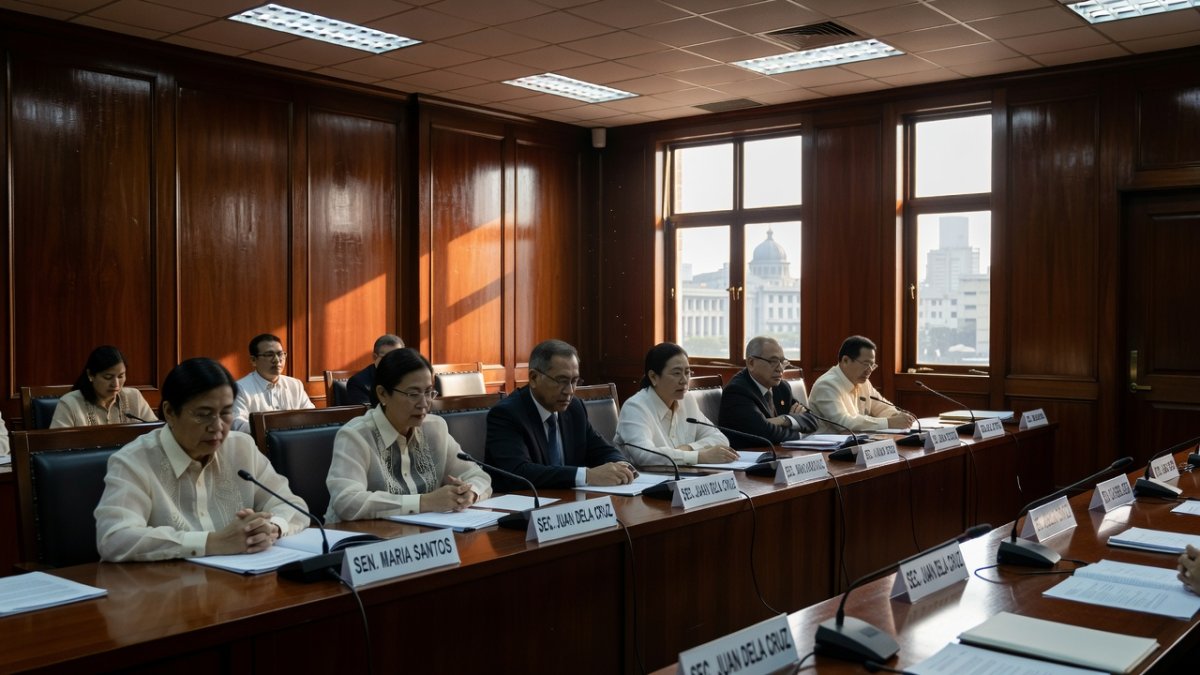
On July 9, 2026, DepEd Undersecretary Malcolm Garma appeared before the Senate Committee on Basic Education chaired by Sen. Bam Aquino and laid out a precise timeline of 12 copycat incidents recorded between June 23 and July 6, 2026. Garma stated that Philippine National Police data showed the tendency for copycat behavior, noting that students became curious after learning details of the Tacloban case. The presentation highlighted how the original shooting's online spread directly correlated with new threats in schools from Tarlac to Davao City, prompting DepEd to seek external assistance for prevention.
Sen. Bam Aquino questioned whether some incidents predated the Tacloban shooting but went unreported, pressing for clarity on reporting mechanisms within the Department of Education. Garma confirmed that the surge followed the June 22 event, with each case involving threats, riots, stabbings, or recovered firearms in public high schools. The Senate hearing revealed that DepEd had accelerated internal reviews of campus security while coordinating with the Philippine National Police on threat assessments. This data-driven account underscored the speed at which violence can replicate in interconnected school networks across the archipelago.
The committee session also addressed the broader implications for Filipino students whose daily commutes on jeepneys or walks through sari-sari store-lined streets now carry added risk. DepEd officials described how the 20-day window strained resources in regional offices from Cagayan to Zamboanga, where local education personnel worked to reassure parents. The presentation served as a formal acknowledgment that the Tacloban incident had ignited a chain reaction requiring whole-of-nation coordination beyond the Department of Education alone.
Geographic Spread of the Copycat Incidents Across Regions
The 12 incidents documented by DepEd spanned multiple regions, beginning with a bomb threat in Tarlac on June 23, 2026, and a riot at Julio Ledesma National High School in Negros Occidental the same day. On June 24, a stabbing occurred at Tolosa National High School in Leyte, followed by events at Aparri School of Arts and Trade in Cagayan and Emilia Ambalada Poblete Integrated High School in Cavite on June 26, where firearms and ammunition were recovered. Additional cases unfolded at Palo National High School in Leyte on June 27, Batangas City Integrated High School and Escalante National High School in Negros Occidental on June 29, and Barotac Nuevo National Comprehensive High School in Iloilo on June 30.
Further incidents included a case at Cabaluay National High School in Zamboanga City on July 1, Eastern Samar National Comprehensive High School on July 3, and Emilio Ramos National High School in Davao City on July 6. Each location involved public high school students whose families rely on the stability of classroom environments for future opportunities. The geographic spread from Luzon to Visayas and Mindanao demonstrated how information about the Tacloban shooting traveled rapidly through social media platforms accessible even in areas with limited internet infrastructure.
Communities in these provinces reported immediate effects on daily life, with parents in Cavite and Iloilo adjusting work schedules to accompany children to school. The pattern highlighted vulnerabilities in schools serving working-class families, where resources for counseling remain limited compared to private institutions. DepEd's mapping of these events provided concrete evidence that the copycat phenomenon crossed regional boundaries, affecting students from urban centers like Davao City to smaller towns in Eastern Samar.
Senate Legislative Responses Including the School Safety Act
Sen. Bam Aquino advocated for the urgent passage of the proposed School Safety Act, arguing that protecting students demands immediate and whole-of-nation intervention following the confirmed copycat incidents. The legislation aims to standardize security measures across public high schools, incorporating lessons from the 12 events that occurred after the Tacloban shooting. Sen. Sherwin Gatchalian introduced Senate Bill No. 2066, the Social Media Safety for Children Act, which would ban social media access for minors aged 16 and below, directly addressing Philippine National Police findings that the original suspects were influenced by violent online games and content.
Gatchalian explicitly rejected proposals to lower the age of criminal liability, instead emphasizing prevention through digital restrictions. Amnesty International Philippines echoed this stance, stating that lowering the liability age fails to address root causes of youth violence. The Senate discussions connected these proposals to existing Philippine institutions, including coordination with the Department of Education and the Philippine National Police to implement monitoring without infringing on family structures central to Filipino society.
Lawmakers noted that the rapid sequence of incidents from June 23 to July 6, 2026, illustrated the need for legislation that reaches barangay-level schools where students gather daily. The proposed measures would allocate resources for resilient infrastructure and digital literacy programs, directly impacting families who view education as the primary path out of poverty. Senate action on these bills reflects recognition that the Tacloban-triggered wave requires systemic changes rather than isolated school responses.
Human Impact on Students, Families, and School Communities
Students in affected schools from Tarlac to Davao City experienced disrupted routines as parents increased supervision and communities held emergency meetings to discuss safety. In Leyte, families connected to the original San Jose National High School victims shared stories of grief that spread to neighboring provinces, prompting similar concerns among households with children enrolled at Julio Ledesma National High School and Tolosa National High School. The copycat incidents placed additional emotional strain on OFW parents who rely on relatives for daily oversight of their children's education.
Teachers and administrators at schools such as Emilia Ambalada Poblete Integrated High School in Cavite and Cabaluay National High School in Zamboanga City reported heightened vigilance, with some implementing informal buddy systems reminiscent of bayanihan traditions. The 20-day period of incidents affected not only direct participants but also broader student populations who encountered news of the events through local networks. This atmosphere of uncertainty challenged the cultural emphasis on education as a communal priority in Philippine society.
Longer-term consequences include potential declines in enrollment and attendance in public high schools across multiple regions, as families weigh safety against the value of formal schooling. DepEd's confirmation of the timeline has mobilized local government units to support counseling services, yet gaps remain in reaching remote barangays. The human stories emerging from these events underscore how violence in one Leyte school reverberated through the daily lives of thousands of Filipino students and their support networks.
DepEd's Ongoing Measures and Calls for National Intervention
DepEd Undersecretary Malcolm Garma confirmed that additional incidents continued to surface after the Tacloban shooting, leading the department to request external support for prevention strategies. Education Secretary Sonny Angara ordered accelerated construction of disaster-resilient classrooms, integrating safety features that address both natural hazards and security threats. These efforts build on existing Department of Education protocols while responding to the specific pattern of 12 copycat cases documented between June 23 and July 6, 2026.
Regional DepEd offices coordinated with the Philippine National Police to review threat assessments at schools including Batangas City Integrated High School and Eastern Samar National Comprehensive High School. The department's approach emphasizes collaboration with Senate initiatives such as the School Safety Act and Senate Bill No. 2066, aiming for comprehensive coverage that protects students nationwide. Officials stressed that the copycat phenomenon requires sustained attention beyond the immediate 20-day window.
By centering responses on community involvement, DepEd seeks to restore confidence among families who depend on public education systems in provinces from Negros Occidental to Zamboanga City. The combination of infrastructure upgrades and legislative advocacy represents a direct response to the data presented on July 9, 2026, ensuring that the lessons from Tacloban translate into tangible protections for future generations of Filipino learners.
By Bella Reyes, Staff Writer
This article was produced with AI-assisted research and editorial support. Reporting is based on sources cited in the article.
What's Your Reaction?
 Like
0
Like
0
 Dislike
0
Dislike
0
 Love
0
Love
0
 Funny
0
Funny
0
 Wow
0
Wow
0
 Sad
0
Sad
0
 Angry
0
Angry
0

Philippines/Southeast Asia Correspondent at Global1.News. Manila-based journalist covering Philippine politics, environment, maritime security, and social issues. Passionate about marine conservation and the communities protecting the Philippines' natural heritage.













Comments (0)