
Sara Duterte Impeachment Trial: Key Allegations Explained
Senate Impeachment Trial: The Core Allegations The impeachment trial of Vice President Sara Duterte centers on serious accusations that she plotted to kill President Marcos and engaged in corruption. The core issue revolves around statements she made on November 23, 2024, where she indicated that she had hired an assassin to target the President, the First Lady, and former Spea
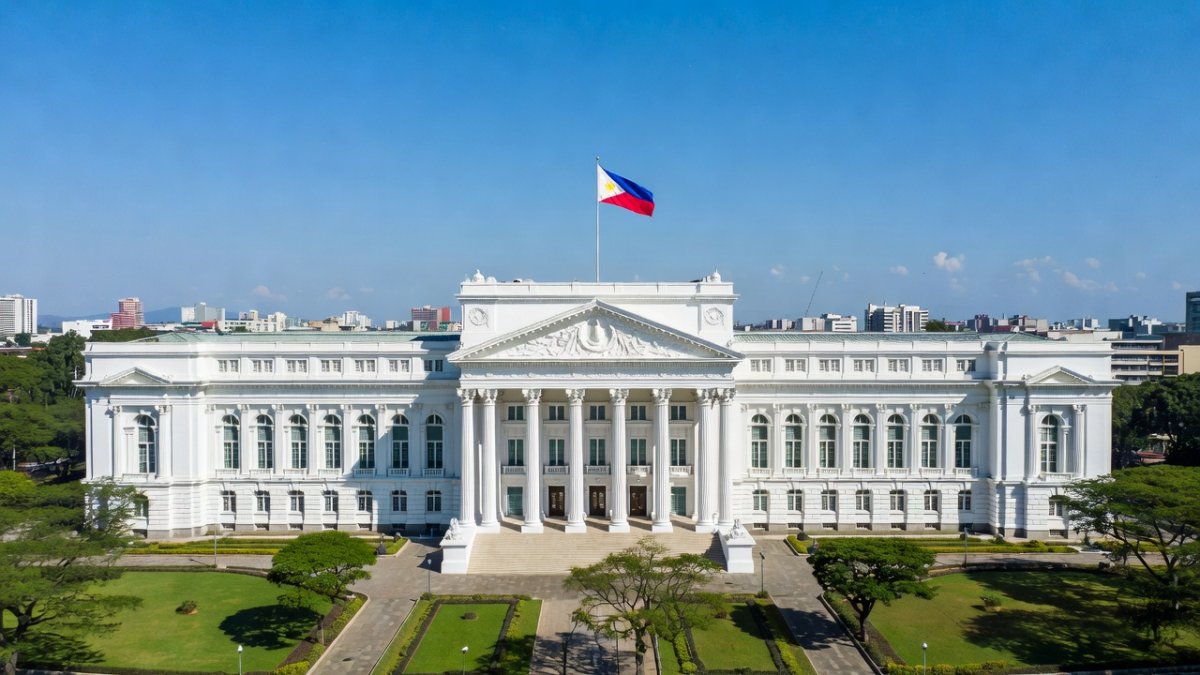
Senate Impeachment Trial: The Core Allegations
The impeachment trial of Vice President Sara Duterte centers on serious accusations that she plotted to kill President Marcos and engaged in corruption. The core issue revolves around statements she made on November 23, 2024, where she indicated that she had hired an assassin to target the President, the First Lady, and former Speaker Martin Romualdez if she herself were killed. These remarks form the basis of the grave threat charges that have brought the matter before the Senate as an impeachment court.
Prosecutors argue that the Vice President issued a direct and real threat rather than a hypothetical one. The House prosecution team has emphasized that such words, coming from a high-ranking official, cannot be dismissed lightly. They point out that the statements were made publicly and have not been denied by Duterte herself. The trial is expected to examine whether these actions rise to the level of an impeachable offense under existing rules.
Evidence presented so far includes the context of the November 2024 remarks and the subsequent investigations that followed. The prosecution maintains that the trial must proceed based on facts and in accordance with Senate procedures. This process is described as essential for upholding justice rather than protecting any individual politician. The allegations also touch on claims of corruption, though the primary focus during early proceedings has been the threat-related charges.
Throughout the hearings, the Senate has heard arguments about the nature of the threat and whether it was conditional or absolute. The court is tasked with weighing these elements carefully to reach a decision grounded in evidence. This trial represents a significant moment in Philippine governance as it tests the boundaries of accountability for the country's second-highest official.
Malacañang's Stand: Betrayal of the People
Malacañang has taken a firm position that protecting any politician despite overwhelming evidence of wrongdoing amounts to a betrayal of the Filipino people. Palace press officer Claire Castro has repeatedly stressed that the impeachment trial of Vice President Sara Duterte must follow existing rules and be decided solely on the basis of evidence presented. She clarified that this approach serves the public interest and is not designed to shield any individual from consequences.
Castro emphasized that the executive branch intends to keep its distance from the proceedings due to the principle of separation of powers. The Palace maintains that the trial should remain independent and focused on facts rather than political considerations. This stance underscores the administration's commitment to allowing the legislative process to unfold without interference from the executive.
In response to defense arguments, Castro noted that the Vice President's statements cannot be separated from her official role. She pointed out that a threat remains a threat regardless of whether it is framed as coming from a mother or a public official. The Palace has rejected claims that the remarks were merely hypothetical, stating clearly that they were uttered by Duterte herself and stand as recorded facts.
Castro also addressed attempts to justify the statements by referencing alleged injustices against Duterte's chief of staff. She maintained that the focus must stay on the evidence regarding the threat itself. This position reflects a broader call for accountability that prioritizes the welfare of the nation over personal or political loyalties.
The Defense: Context, Family, and 'Operation Romanov'
The defense team for Vice President Sara Duterte has argued that her statements should be understood in the context of her roles as a wife, mother, daughter, and sister seeking to protect her family. They contend that the remarks were not made in her official capacity as Vice President but as a private individual responding to perceived dangers. This framing aims to separate her personal concerns from her public duties during the impeachment proceedings.
Defense lawyers have highlighted the existence of an operation referred to as Romanov, claiming that the threat to Duterte and her family was genuine and required a strong reaction. They presented this as justification for the Vice President's words, suggesting that the statements were a defensive measure rather than an aggressive plot. The team has also described the threat as conditional, arising only in the event of harm to Duterte herself.
Former chief presidential legal counsel Salvador Panelo supported this view by characterizing the statements as a natural reaction to life-threatening risks. The defense has questioned the prosecution's interpretation, insisting that context matters when evaluating whether the remarks constitute an impeachable offense. They argue that family protection instincts should be considered alongside the official record.
Throughout the trial, the defense has sought to introduce details about alleged threats to underscore the seriousness of the situation Duterte faced. This strategy attempts to shift the narrative from accusation to self-preservation. The Senate continues to examine these claims as part of its duty to assess all sides of the case with fairness and attention to the evidence provided.
Young Filipinos Bear Witness: PolSci Students at the Senate
Political science students from the Polytechnic University of the Philippines have taken time from their semester break to observe the impeachment trial in person at the Senate plenary hall. Nineteen-year-old Mesiah Ignacio spent three days watching the proceedings from the public gallery, describing the experience as witnessing history even amid what he called a political circus. His friends, twenty-one-year-old Jasper Rojas and twenty-year-old Mark Owen Logro, joined him on the third day to gain firsthand insight into the process.
The students expressed dismay at certain remarks made during the hearings, including comments from Senator Robinhood Padilla about a University of Prison. They also found Senator Alan Peter Cayetano's characterization of the Vice President's statements as a conditional threat to be difficult to accept. The young observers noted that such language seemed to downplay the seriousness of threats against the President.
For these students, attending the trial represents more than academic interest. It reflects a desire to understand how accountability works in practice and to see the mechanisms of governance up close. Their presence in the gallery highlights the engagement of younger generations with critical national issues that will shape the country's future.
The students voiced the view that the Vice President should be held responsible for her statements. Their observations underscore the importance of public participation in democratic processes. By dedicating their break to following the trial, they demonstrate a commitment to informed citizenship that extends beyond the classroom.
NBI Investigation and the Push for Accountability
Former National Bureau of Investigation director Jaime Santiago has expressed readiness to testify before the Senate impeachment court if called upon. Santiago led a six-member panel that investigated Vice President Sara Duterte's statements in 2024 and 2025 to determine whether criminal charges were warranted. The panel concluded unanimously that she should face charges, leading the NBI to file complaints for grave threats and inciting to sedition in February 2025.
These complaints remain pending before the Department of Justice. During the trial, defense lawyers have raised questions about gaps in the NBI investigation while cross-examining senior agent John Mark Calilung. Santiago has indicated that he would welcome a subpoena to provide further details from the probe he oversaw.
The NBI's work focused on the November 2024 remarks in which Duterte referenced hiring an assassin under certain conditions. The bureau's findings form part of the broader effort to establish whether the statements crossed legal lines. This investigation represents one avenue through which accountability is being pursued alongside the impeachment process.
Santiago's willingness to appear highlights the ongoing commitment of former officials to support the pursuit of truth. The status of the complaints at the DOJ continues to be monitored as the Senate trial moves forward. These developments illustrate the multiple layers of scrutiny applied to high-profile cases involving public officials.
Legal Experts Weigh In: The Danger of Defensive Arguments
Law expert Ralph Sarmiento of the University of St. La Salle in Bacolod City has warned that the defense team's insistence on considering the context of the threats could prove dangerous. By opening the door to discussions about Operation Romanov, the strategy risks introducing additional questions that may complicate the proceedings. Sarmiento noted that this approach might shift attention in unexpected directions during the trial.
House prosecution counsel Benjamin Tolosa Jr. has stated that no evidence has been presented to support claims of injustice against Duterte's chief of staff. He described such assertions as remaining allegations without substantiation. Representative Ysabel Maria Zamora added that any contract involving an assassin or the killing of a person would be illegal and therefore void under the law.
Trial spokesman Robert Ace Barbers pointed out the illogical nature of expecting individuals planning a crime to create a legally enforceable written agreement. The prosecution has maintained that the focus must remain on verifiable facts rather than unproven claims. These positions reflect the challenges of presenting a coherent defense while adhering to evidentiary standards.
Legal observers continue to analyze how these arguments will influence the Senate's deliberations. The emphasis on evidence and the rejection of unsubstantiated assertions underscore the trial's commitment to due process. This careful examination helps ensure that decisions are grounded in law rather than speculation.
What This Means for the Filipino People
The impeachment trial of Vice President Sara Duterte carries significant implications for governance and public trust in the Philippines. As the Senate weighs the evidence, the proceedings serve as a reminder that accountability applies to all officials regardless of position. The emphasis on evidence-based decisions reinforces the principle that no one stands above the law.
Young Filipinos watching the trial, such as the political science students from Polytechnic University of the Philippines, represent the next generation invested in these outcomes. Their presence signals a growing awareness that the actions of leaders today will shape opportunities and challenges for years to come. Community focus on fair processes helps strengthen democratic institutions.
The separation of powers highlighted by Malacañang ensures that the trial remains independent, fostering confidence that justice is pursued without undue influence. This approach aligns with the broader goal of protecting the interests of ordinary citizens over political alliances. Public discourse around the case encourages greater civic engagement across the nation.
Ultimately, the trial tests the resilience of Philippine institutions in handling complex allegations involving top officials. By prioritizing evidence and due process, the Senate contributes to a culture of responsibility that benefits all Filipinos. The outcome will influence how future cases of alleged misconduct by public servants are addressed, reinforcing the shared commitment to integrity in leadership.
By Bella Reyes, Staff WriterThis article was produced with AI-assisted research and editorial support. Reporting is based on sources cited in the article.
What's Your Reaction?
 Like
0
Like
0
 Dislike
0
Dislike
0
 Love
0
Love
0
 Funny
0
Funny
0
 Wow
0
Wow
0
 Sad
0
Sad
0
 Angry
0
Angry
0

Philippines/Southeast Asia Correspondent at Global1.News. Manila-based journalist covering Philippine politics, environment, maritime security, and social issues. Passionate about marine conservation and the communities protecting the Philippines' natural heritage.











Comments (0)