
Trump demands another $10 million from Congress to cover his disastrous Freedom 250 event costs
The Trump administration is seeking a further $10 million from Congress to cover shortfalls from the troubled Freedom 250 anniversary events on the National Mall. Senator Jeff Merkley has demanded a full accounting after the Great American State Fair was hit by cancellations, extreme heat closures, and sparse crowds. From Westminster's perspective, the disarray raises questions about American governance ahead of joint projects.
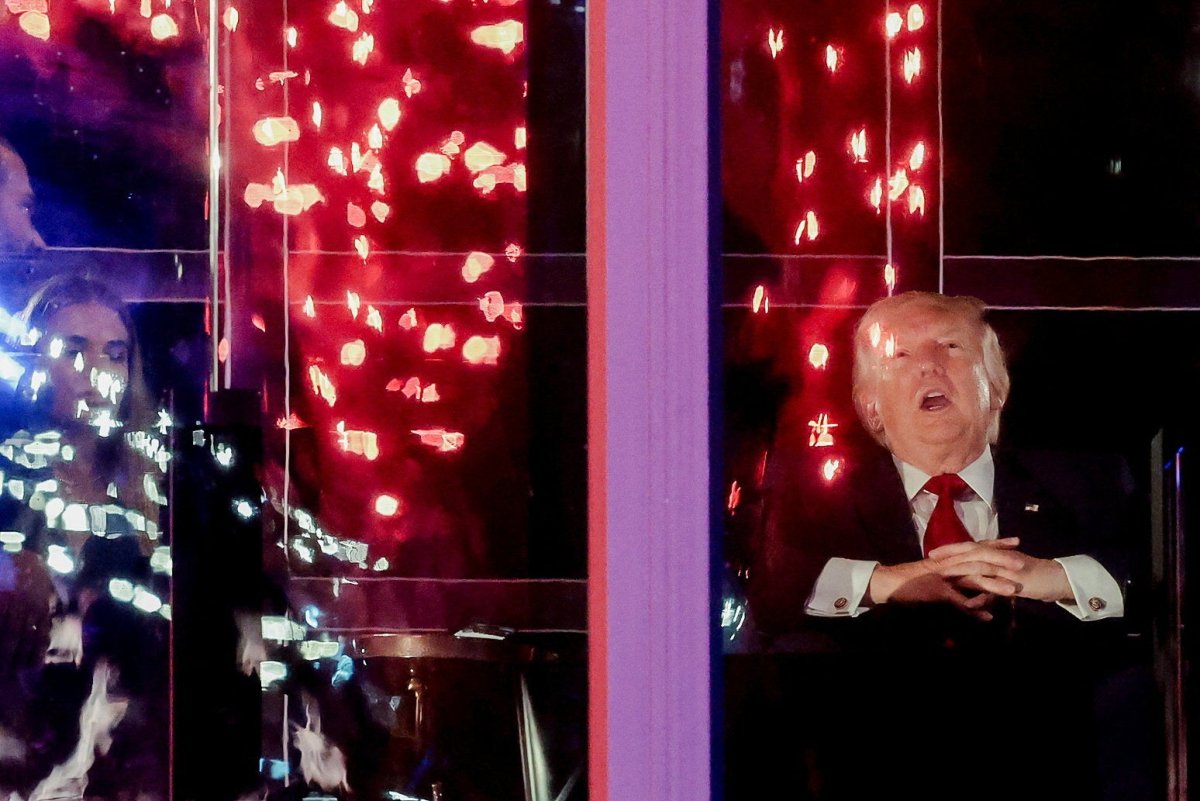
The Trump administration has formally requested an additional $10 million from Congress to cover shortfalls from a series of events marking America's 250th anniversary on the National Mall. The Department of the Interior submitted the ask to reimburse the National Park Service for expenses tied to the Rededicate 250 prayer gathering, the Great American State Fair and the Salute to America fireworks display. Officials cited an elevated security posture following incidents at the White House Correspondents Association dinner and a UFC event on the White House lawn.
Details of the disputed events
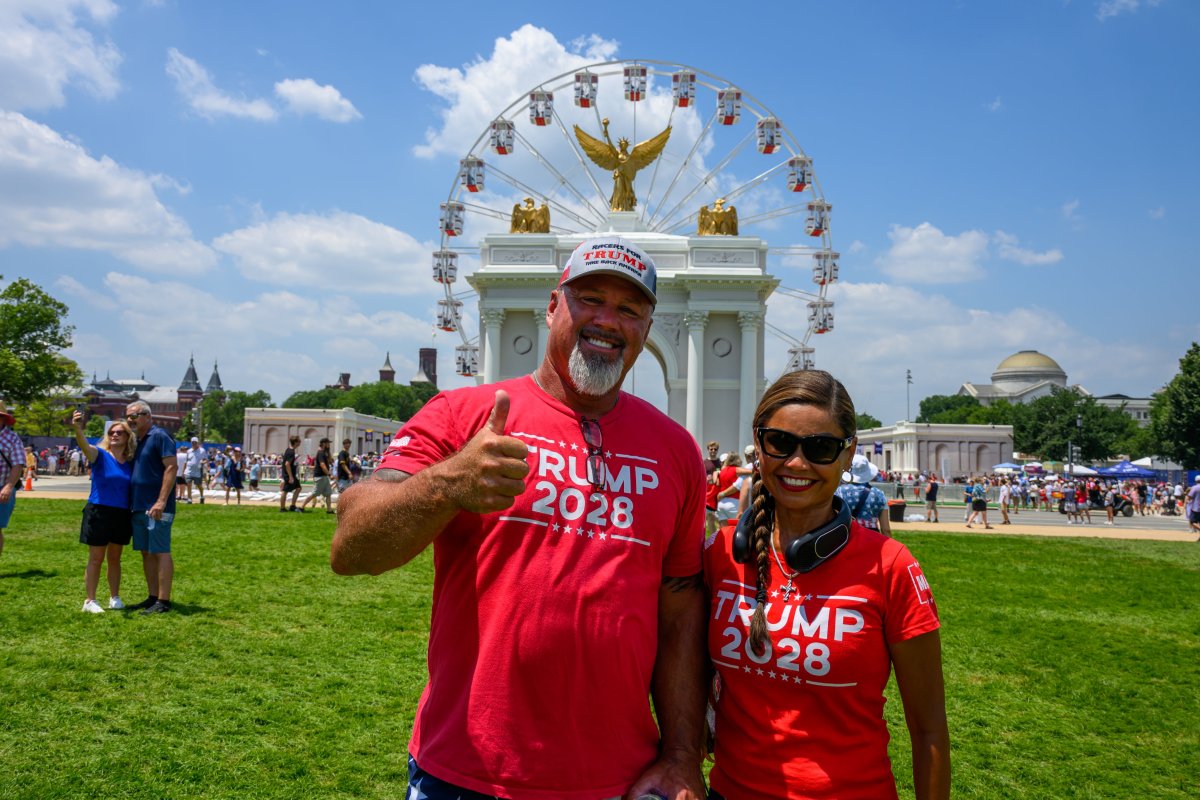
The Great American State Fair opened on 25 June with promises of a 110-foot Ferris wheel, military flyovers and exhibits representing all 50 states. In practice, every performer except Vanilla Ice withdrew from the concert series, with his appearance itself cancelled hours before it was due to begin. Extreme heat and thunderstorms forced repeated closures, while several states declined to participate, leaving exhibits empty and power outages compounding the difficulties. Attendance remained low throughout.
The Rededicate 250 prayer event carried an explicit Christian focus, while the Fourth of July fireworks display began later than scheduled. These shortcomings occurred despite an earlier congressional allocation of $150 million under last year's One Big Beautiful Bill Act, much of which was redirected toward the White House-led Freedom 250 project that had also sought private donations.
Senator Merkley's demand for oversight
Senator Jeff Merkley, the senior Democrat on the Senate Appropriations subcommittee responsible for National Mall funding, wrote to Interior Secretary Doug Burgum insisting on a full accounting. He noted that Congress had already provided $150 million without bipartisan consultation and that private donors had been expected to cover remaining costs. Merkley argued that if Freedom 250 had been designated the responsible entity, it should meet any shortfall rather than turning to taxpayers.
A Department of the Interior spokesperson confirmed the additional funds would address security requirements in the capital. The request remains under consideration, with no indication yet of when or whether lawmakers will approve it.
Transatlantic relations under strain
From Westminster's perspective, such visible disarray in the planning of national commemorations raises questions about the reliability of American partners on shared cultural and security projects. UK officials have long viewed the special relationship as resting on predictable institutions and steady public administration. When events on the National Mall require last-minute bailouts and produce sparse crowds, it complicates efforts by the Foreign Office to present joint initiatives as models of competent alliance management.
Trade negotiations and intelligence cooperation continue through established channels involving the Cabinet Office and the US National Security Council. Yet repeated stories of cost overruns and internal recriminations in Washington make it harder for British ministers to defend close alignment during domestic debates over sovereignty and value for money.
Global perceptions of American governance
International coverage of the fair's cancellations and the late fireworks has reinforced narratives of American political dysfunction that already circulate in European capitals. Broadcasters from Paris to Berlin have contrasted the scenes on the Mall with more orderly national anniversary programmes elsewhere, noting the contrast with the tightly choreographed events that marked France's own revolutionary commemorations.
For the United Kingdom, this matters because global confidence in US leadership influences everything from Bank of England currency forecasts to the willingness of Commonwealth partners to align with Washington-led initiatives. When the world's largest economy appears unable to stage a state fair without repeated interventions, it subtly shifts the terms on which Britain negotiates its own place in multilateral forums.
Parallels with British spending controversies
Westminster has its own recent history of public funds allocated to high-profile national events that later required supplementary estimates. The Treasury's handling of costs for the 2022 Commonwealth Games in Birmingham and the various Platinum Jubilee celebrations produced similar debates over transparency and private-sector contributions. In both cases, select committees demanded detailed breakdowns after initial budgets proved insufficient.
Devolved administrations in Edinburgh and Cardiff have also faced scrutiny over event spending, with the Scottish Parliament's finance committee repeatedly examining overruns on cultural programmes. These episodes demonstrate that the tension between ambitious national branding and fiscal discipline is not unique to Washington, yet the scale of the US request and the absence of bipartisan oversight have drawn particular attention in London.
Outlook for further funding decisions
Congressional appropriators are now examining the Interior Department's submission alongside existing commitments. Any approval would require fresh legislation, and Democratic members have already signalled they will seek detailed justification before agreeing to release additional public money. The episode illustrates the continuing difficulty of delivering large-scale commemorative programmes when political direction overrides conventional planning processes.
By Erica Thornton, Staff Writer
This article was produced with AI-assisted research and editorial support. Reporting is based on sources cited in the article.
What's Your Reaction?
 Like
0
Like
0
 Dislike
0
Dislike
0
 Love
0
Love
0
 Funny
0
Funny
0
 Wow
0
Wow
0
 Sad
0
Sad
0
 Angry
0
Angry
0

US Politics and Policy Correspondent at Global1.News. Based in Washington DC, covering American politics, policy, elections, and the courts. Knows how the system works and tells you what it actually means.












Comments (0)