
Could Israeli Attack on Beirut Derail US Peace Deal With Iran?
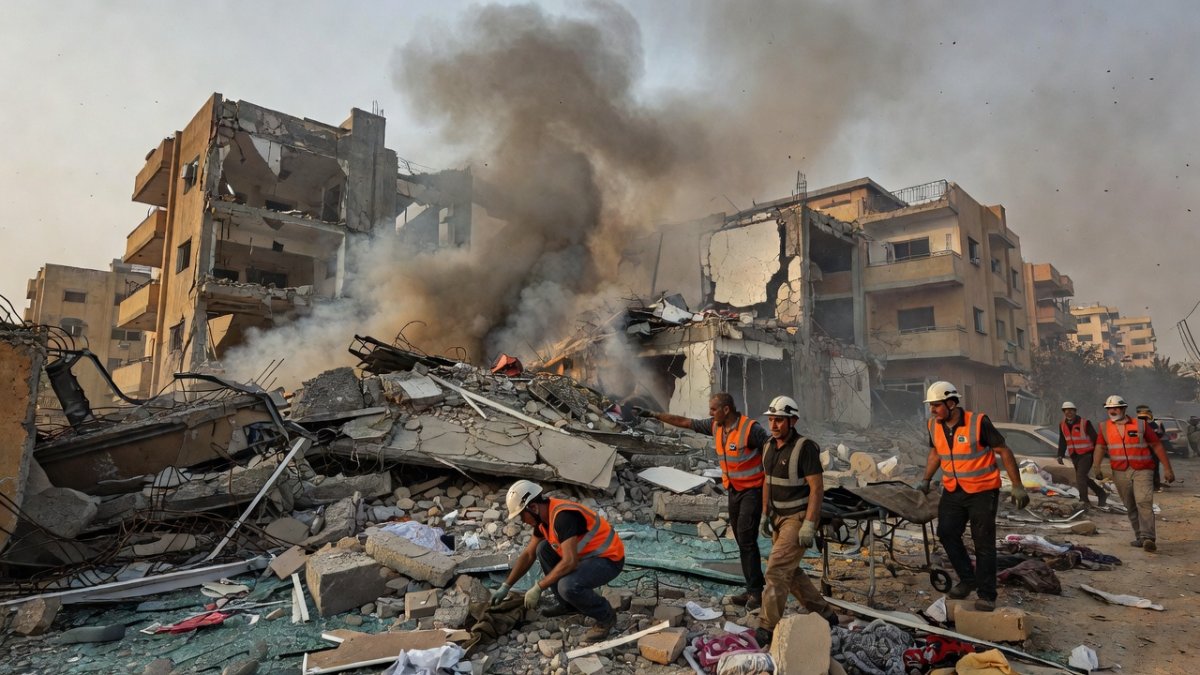
On Sunday 14 June 2026, Israeli airstrikes on the southern suburbs of Beirut killed at least three people and wounded six more, threatening to unravel a US-Iran peace framework that Donald Trump had hoped to sign on his 80th birthday. The strikes, which Israel said targeted a Hezbollah command centre, drew an immediate warning from the White House and raised alarms in London ov
On Sunday 14 June 2026, Israeli airstrikes on the southern suburbs of Beirut killed at least three people and wounded six more, threatening to unravel a US-Iran peace framework that Donald Trump had hoped to sign on his 80th birthday. The strikes, which Israel said targeted a Hezbollah command centre, drew an immediate warning from the White House and raised alarms in London over the stability of the Gulf region.
Could Israeli Attack on Beirut Derail US Peace Deal With Iran?
London, UK – 14 June 2026 — The Israel Defense Forces confirmed that its aircraft struck the Dahiyeh district of Beirut's southern suburbs, destroying a building and killing three people. In a separate operation south of the Litani River, Israeli forces killed senior Hezbollah commander Ali Mussa Dakdouk. The military said the operations were in response to rocket and drone attacks launched from Lebanon into northern Israel earlier in the day.
Trump Condemns Strike on His 80th Birthday
President Donald Trump, celebrating his 80th birthday, posted on Truth Social that the Beirut attack "should not have happened, particularly on a special day when we are so close to a Peace Deal with Iran." He called for an immediate cessation of hostilities from all sides, writing: "This could be the beginning of a long and beautiful peace — Let's not blow it!"
In an interview with Axios, Trump confirmed the signing had been postponed by several hours and revealed he had called Israeli Prime Minister Benjamin Netanyahu, telling the Israeli leader he had "no judgment." The blunt rebuke reflected mounting frustration within the White House at the timing of the military operation, which came just as US and Iranian negotiators, mediated by Pakistan, were finalising a Memorandum of Understanding.
Iran Warns of Retaliation as Tensions Mount
Iran's Foreign Ministry placed responsibility for the consequences of the strike squarely on the United States and Israel. Parliament Speaker Mohammad Bagher Ghalibaf said the attack called American credibility into question. The Supreme National Security Council warned that "a strong response is coming," while Ali Akbar Velayati, an adviser to Iran's Supreme Leader, declared that "zero hour has arrived" and "the order was issued."
Flights were cancelled at airports across western Iran as a precautionary measure, and the Iranian parliament's national security committee threatened further escalation. Qatari mediators — who had been shuttling between Tehran and Washington — remained in the Iranian capital as the situation deteriorated.
What This Means for the UK
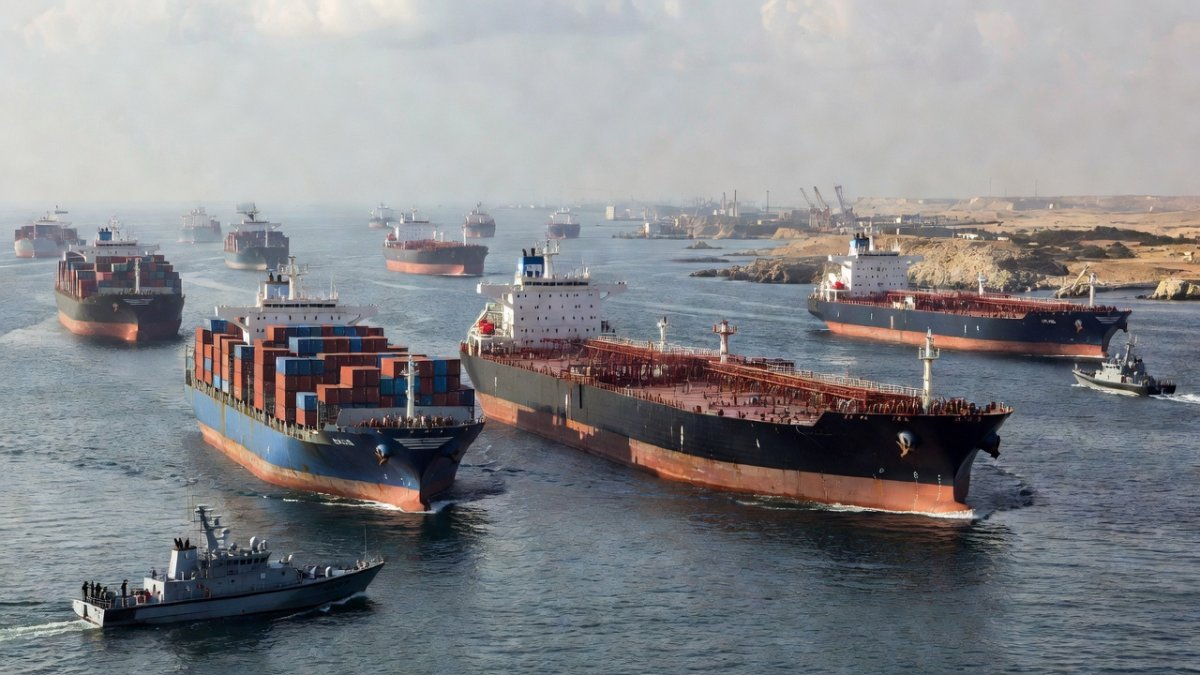
The UK Foreign Office confirmed it is closely monitoring developments. Britain's strategic interests in the Gulf are substantial: the reopening of the Strait of Hormuz was a central plank of the proposed US-Iran deal, and a return to hostilities would mean renewed disruption to oil supplies and shipping lanes that British trade depends upon. The Treasury is modelling scenarios in which Brent crude rises above $95 a barrel — a threshold that would add approximately 8p per litre to petrol prices within a fortnight, hitting motorists in the Midlands, the North East, and rural Scotland hardest.
Labour MPs representing coastal constituencies with port infrastructure, including areas reliant on fuel imports and container shipping, have already requested urgent briefings from the Ministry of Defence on potential Royal Navy deployments. Approximately 5,000 British citizens are estimated to be living in the UAE and Oman, areas that would be directly affected by any regional escalation.
Diplomatic Fallout and International Reaction
UN Secretary-General Antonio Guterres condemned the strikes and called for maximum restraint. Former US President Barack Obama weighed in, suggesting any new deal would struggle to improve upon the 2015 JCPOA from which Trump withdrew in 2018. The framework under discussion would reopen the Strait of Hormuz, release $25 billion in frozen Iranian assets, and place new restrictions on Iran's nuclear programme — but Israeli officials have repeatedly expressed scepticism.
The incident has also drawn fresh attention to Lebanon's collapsing economy. Residents of Beirut's southern suburbs, many of whom depend on remittances from family members in the UK and Europe, now face another layer of instability. The Lebanese Health Ministry has requested additional medical supplies from international partners as local hospitals treat the wounded.
Long-Term Impact on British Communities
Communities in Manchester, Birmingham and Glasgow — cities with significant Lebanese and Iranian diaspora populations — are following events closely. Community centres have reported increased calls from families seeking advice on travel safety and the welfare of relatives in the region. The Department for Education has advised schools to maintain flexible attendance policies for pupils whose families may be directly affected.
Should the peace framework collapse entirely, the knock-on effects for UK defence exports and energy contracts could be substantial. The Ministry of Justice is also preparing contingency guidance for British nationals detained in the region in the event of heightened tensions. With flights already suspended across western Iran, the practical consequences for British travellers and business operations are beginning to mount.
The Bottom Line — What Comes Next
Trump maintains that the deal will be signed within hours, but Iran's rhetoric suggests otherwise. The Israeli strike on Beirut has exposed the fragility of the entire negotiation process. For the UK, the stakes are clear: a return to open conflict in the Gulf would mean higher fuel prices, disrupted supply chains, and a fresh foreign policy crisis for the Foreign Office to manage. Whether diplomacy can survive the explosion in Dahiyeh remains the defining question of the weekend.
By Erica Thornton, Staff Writer
This article was produced with AI-assisted research and editorial support. Reporting is based on sources cited in the article.
What's Your Reaction?
 Like
0
Like
0
 Dislike
0
Dislike
0
 Love
0
Love
0
 Funny
0
Funny
0
 Wow
0
Wow
0
 Sad
0
Sad
0
 Angry
0
Angry
0

US Politics and Policy Correspondent at Global1.News. Based in Washington DC, covering American politics, policy, elections, and the courts. Knows how the system works and tells you what it actually means.










Comments (0)