
Consumer Pullback: Retail Sales Dropped 1% in March 2023 as Smaller Refunds and Banking Fears Squeezed Households
Retail Sales Data Shows Consumer Pullback Amid Banking Concerns In March 2023, U.S. retail sales figures released by the Commerce Department on April 14 painted a clear picture of consumers stepping back from spending. The data, adjusted for seasonality but not inflation, recorded a 1 percent decline from February. This drop exceeded the 0.4 percent decrease projected by Refini
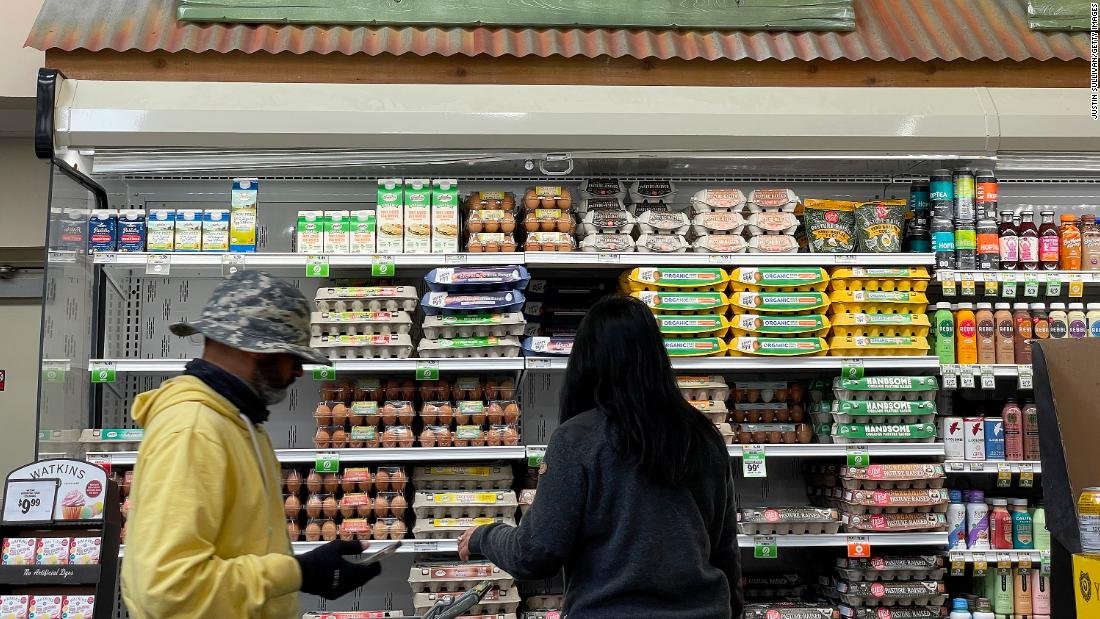
Retail Sales Data Shows Consumer Pullback Amid Banking Concerns
In March 2023, U.S. retail sales figures released by the Commerce Department on April 14 painted a clear picture of consumers stepping back from spending. The data, adjusted for seasonality but not inflation, recorded a 1 percent decline from February. This drop exceeded the 0.4 percent decrease projected by Refinitiv and followed a revised 0.2 percent fall in the previous month. The report arrived against the backdrop of the Silicon Valley Bank and Signature Bank collapses, which had already heightened recession worries across markets.
Investors immediately linked part of the weakness to delayed tax refunds and softening labor market signals. The Commerce Department numbers confirmed that overall retail activity contracted more sharply than anticipated, setting the tone for subsequent economic assessments. Analysts noted that the March reading stood in contrast to the 2.9 percent year-over-year increase, underscoring that the monthly contraction reflected immediate caution rather than a complete reversal of longer-term trends.
These figures provided an early window into how external shocks, including the mid-March banking turbulence, influenced household behavior. The Commerce Department release highlighted that the decline was broad enough to affect multiple categories, prompting economists to examine refund timing and employment data for further context. Retrospective review of the period shows the report served as a key marker of shifting consumer priorities in the post-SVB environment.
Tax Refund Shortfall Contributed to Reduced Household Expenditures
Bank of America analysts documented that the IRS distributed only 4 billion dollars in tax refunds during March 2023, approximately 5 billion dollars below the amount issued in March 2022. This shortfall directly coincided with weaker performance at department stores and in durable goods categories such as appliances and furniture. The timing proved critical because March historically serves as a peak refund month for many households.
Aditya Bhave, senior U.S. economist at BofA Global Research, observed that many consumers had anticipated refunds comparable to the prior year. When those amounts arrived smaller, discretionary purchases were scaled back accordingly. The Commerce Department data reflected this pullback through the 3 percent drop in spending at general merchandise stores and the 5.5 percent decline at gas stations during the same period.
Excluding gas station sales, retail spending still retreated 0.6 percent from February, indicating the refund effect extended beyond fuel-related categories. Bhave’s commentary emphasized that the reduced refunds interacted with other factors to produce the overall 1 percent monthly contraction reported by the Commerce Department. This dynamic illustrated how fiscal timing can amplify or dampen monthly retail readings in an already uncertain environment.
Expiration of Enhanced SNAP Benefits Added Further Pressure on Spending
Enhanced pandemic-era benefits under the Supplemental Nutrition Assistance Program ended in February 2023, removing an additional support layer for lower-income households just as March retail data began to reflect the change. Bank of America Institute researchers noted that this expiration, combined with smaller tax refunds, contributed to the moderation in credit and debit card spending per household.
The slowdown in card activity reached its slowest pace in more than two years according to the same Bank of America tracking. Economists attributed part of the March retail contraction to the absence of these benefits, which had previously bolstered food and general merchandise purchases. The Commerce Department figures captured the downstream result in the form of reduced outlays across multiple retail segments.
Retrospective analysis shows the benefit expiration acted as a structural headwind that compounded the refund shortfall. Households adjusted budgets quickly once the supplemental payments ceased, producing measurable effects in the monthly sales report. This sequence of events highlighted how the withdrawal of temporary support measures can influence consumer behavior even when broader labor market conditions remain relatively stable.
Labor Market Data Revealed Solid but Slowing Job Growth
The Bureau of Labor Statistics reported that employers added 236,000 jobs in March 2023, a figure that remained robust by historical standards yet fell below the average monthly pace recorded in the prior six months. This moderation in hiring coincided with the retail sales decline and contributed to investor concerns about future consumer resilience.
Average hourly earnings rose 4.2 percent year-over-year in March, down from the 4.6 percent annualized increase recorded the previous month and marking the smallest annual gain since June 2021. The Bureau of Labor Statistics data also showed that the Employment Cost Index had already begun reflecting slower wage gains over the preceding year, with first-quarter 2023 figures scheduled for later release.
The latest Job Openings and Labor Turnover Survey indicated that available positions remained elevated in February but had declined more than 17 percent from the March 2022 peak of 12 million. Revised unemployment claims data further suggested the labor market had lost some momentum. These indicators, released around the same period as the retail sales report, provided context for why consumers appeared more cautious despite ongoing job gains.
Banking Sector Turbulence Influenced Sentiment Without Immediate Spending Collapse
Consumer sentiment tracked by the University of Michigan deteriorated slightly in March 2023 during the bank failures, although the decline had already been underway prior to the Silicon Valley Bank and Signature Bank events. The April reading, released on the same Friday as the retail sales data, showed sentiment holding steady despite the earlier turbulence.
Year-ahead inflation expectations rose a full percentage point from 3.6 percent in March to 4.6 percent in April, partly driven by higher gas prices. Joanne Hsu, director of the surveys of consumers at the University of Michigan, stated that consumers did not perceive material changes in the economic environment in April overall. She noted that households were anticipating a downturn without feeling as pessimistic as they had the previous summer.
The limited immediate impact on spending suggested that banking concerns had not yet translated into widespread deposit runs or credit tightening for typical households. Nevertheless, the sentiment data released alongside the Commerce Department report underscored growing caution that aligned with the observed 1 percent retail sales contraction. Retrospective examination confirms the banking episode amplified existing recession fears without derailing the labor market’s supportive role in the short term.
Economists Highlighted Income Growth and Labor Market Health as Remaining Supports
Michelle Meyer, North America chief economist at Mastercard Economics Institute, emphasized that the broader picture remained favorable for consumers when considering income growth, balance sheets, and labor market conditions. Her assessment came as the retail sales report showed the monthly decline while year-over-year figures still posted a 2.9 percent gain.
Bank of America researchers linked the moderation in card spending to the combination of smaller refunds, expired benefits, and slowing wage growth. The 4.2 percent annual earnings increase reported by the Bureau of Labor Statistics represented the smallest rise in nearly two years, yet employment levels continued to expand. This balance helped prevent a sharper contraction in overall consumer outlays during March.
Retrospective review of the period indicates that these supportive factors provided a buffer even as monthly retail data turned negative. Economists at the Federal Reserve had already projected subdued growth with recession risks before the bank collapses, and the March figures reinforced the view that consumer spending could face further pressure if labor market cooling accelerated. The data points released in mid-April offered a snapshot of an economy navigating multiple crosscurrents.
Year-Over-Year Gains Masked Monthly Weakness in Broader Retail Picture
While the Commerce Department reported a 1 percent monthly decline, the 2.9 percent year-over-year increase in retail spending demonstrated that underlying demand had not collapsed entirely by March 2023. This contrast illustrated how seasonal and one-time factors, including refund timing and benefit changes, could produce sharp monthly swings without erasing longer-term growth.
Spending patterns at gas stations and general merchandise stores accounted for a significant portion of the monthly drop, with declines of 5.5 percent and 3 percent respectively. When gas station sales were excluded, the remaining 0.6 percent retreat still signaled broad-based caution. The Commerce Department release therefore captured both immediate reactions to fiscal timing and the lingering effects of earlier economic uncertainty.
Analysts reviewing the full dataset noted that the March reading aligned with expectations of consumers becoming more selective amid higher interest rates and banking sector news. The year-over-year comparison provided reassurance that the labor market’s continued job additions of 236,000 in March helped sustain some spending momentum even as monthly figures turned negative. This duality shaped subsequent discussions about the durability of consumer support for the economy.
Retrospective Assessment of March 2023 Data Informs Later Economic Narratives
The Commerce Department report on April 14, 2023, delivered a detailed accounting of how multiple forces converged on retail activity during a single month. Reduced tax refunds totaling 4 billion dollars, the end of enhanced SNAP benefits, and moderating wage growth of 4.2 percent combined to produce the observed 1 percent sales decline. These elements operated against a labor market that still added 236,000 jobs and maintained elevated though reduced job openings.
Consumer sentiment readings from the University of Michigan, showing inflation expectations climbing to 4.6 percent, added another layer to the analysis. Joanne Hsu’s remarks indicated households were bracing for a downturn without yet experiencing acute distress. The combination of these data points allowed economists to trace the pathways through which banking turbulence and fiscal changes influenced spending behavior.
Looking back, the March 2023 figures served as an early indicator of how the post-SVB environment could interact with existing trends in refunds, benefits, and employment. The 2.9 percent year-over-year gain alongside the monthly contraction underscored the nuanced picture that emerged from the Commerce Department, Bureau of Labor Statistics, and University of Michigan releases. This retrospective view clarifies the specific channels through which consumer caution manifested during that period.
By Jessica Ali, Staff WriterThis article was produced with AI-assisted research and editorial support. Reporting is based on sources cited in the article.
What's Your Reaction?
 Like
0
Like
0
 Dislike
0
Dislike
0
 Love
0
Love
0
 Funny
0
Funny
0
 Wow
0
Wow
0
 Sad
0
Sad
0
 Angry
0
Angry
0

Editor-in-Chief at Global1.News. Atlanta-based journalist who cuts through the BS and tells it like it is. Lead anchor, host, and the voice you hear when the spin stops and the truth starts.















Comments (0)