
Ukraine Drones Hit Russian Oil Refineries, Killing 2
Overview of Overnight Strikes Ukrainian drone attacks struck multiple oil refineries and other sites across Russia overnight into Wednesday, according to statements from both Ukrainian military sources and Russian regional authorities. Ukraine's military reported successful strikes on several energy facilities, including a Rosneft-operated refinery in Saratov and facilities in
Overview of Overnight Strikes
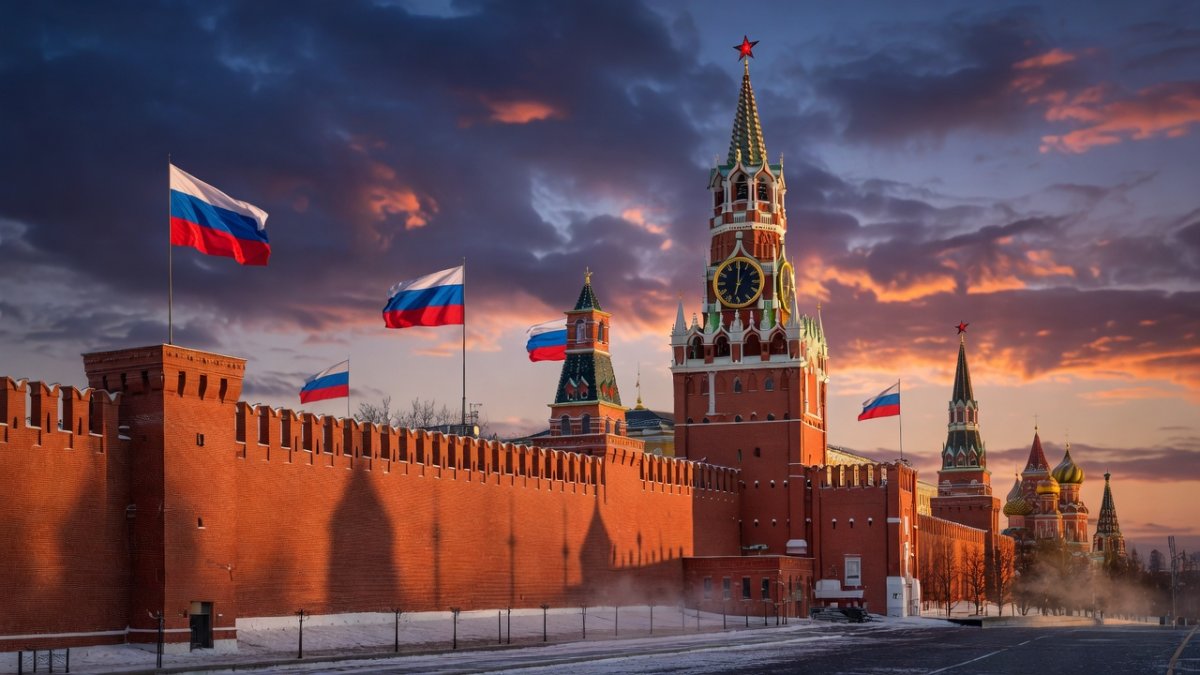
Ukrainian drone attacks struck multiple oil refineries and other sites across Russia overnight into Wednesday, according to statements from both Ukrainian military sources and Russian regional authorities. Ukraine's military reported successful strikes on several energy facilities, including a Rosneft-operated refinery in Saratov and facilities in Tatarstan. These operations form part of an ongoing campaign targeting Russia's oil infrastructure.
The strikes occurred amid heightened tensions, with Ukrainian forces claiming hits on key processing plants that supply fuel domestically. Regional governors provided initial damage assessments, while Ukraine emphasized the precision of its drone operations against energy targets. Social media images quickly circulated showing fires at affected sites, underscoring the visible impact on industrial zones.
These attacks coincide with summer travel and harvest periods, when fuel demand typically rises across Russia. Ordinary citizens in affected regions already navigate higher prices and supply constraints stemming from prior incidents since June. The latest wave broadens the geographic scope, reaching from western Siberia to southern and central areas.
Russian officials have consistently framed such incidents as threats to civilian energy supplies, while Ukrainian statements highlight the strategic value of disrupting refinery output. The pattern reflects sustained pressure on Russia's fuel production network without immediate resolution in sight.
Casualties and Damage in Saratov Region
Saratov region Governor Roman Busargin reported that one person was killed and several others injured in overnight drone strikes, with industrial sites sustaining damage. The governor's statement detailed the human toll alongside impacts on local facilities. Ukraine separately claimed responsibility for hitting a Rosneft-operated refinery in the region, where social media footage showed visible flames and smoke rising from the complex.
The refinery represents a significant processing asset for Rosneft, contributing to regional fuel distribution. Damage assessments remain preliminary, yet the incident adds to cumulative strain on operations already challenged by earlier Ukrainian actions. Local residents face indirect effects through potential supply disruptions during peak agricultural and vacation seasons.
Authorities in Saratov have not released full casualty lists or detailed injury updates beyond the governor's initial figures. Russian state responses typically prioritize containment of information around energy sites to avoid amplifying public concern. The strike aligns with Ukraine's stated focus on facilities supporting military logistics and domestic consumption alike.
Perspectives from Russian regional leadership stress the civilian risks involved, contrasting with Ukrainian assertions that targets are strictly military-adjacent. For Saratov residents, the event compounds existing anxieties over fuel availability and price volatility that have persisted since June refinery disruptions.
Tatarstan and Bashkortostan — Targeting Advanced Refineries
In Tatarstan, Ukrainian drones targeted Nizhnekamsk, home to the TANECO and TAIF-NK refineries. Videos and photos documented fire and smoke at TANECO, which had already halted operations in June following a previous strike. The facility stands among Russia's most advanced, equipped with hydrocracking, catalytic cracking, and delayed coking units essential for high-volume fuel output.
Ukrainian President Zelensky stated that drones also struck a refinery in Bashkortostan. Local authorities there have yet to issue public comments on the incident or any resulting damage. These locations represent critical nodes in Russia's refining capacity, with TANECO's technological sophistication making its repeated targeting particularly notable for production continuity.
The pattern of strikes on upgraded refineries illustrates Ukraine's emphasis on facilities capable of sustained high throughput. Russian energy companies operating these sites face repeated operational halts that ripple into broader supply chains. Ordinary Russians in surrounding areas encounter tightened fuel access precisely when harvest logistics and family travel intensify demand.
Regional officials in Tatarstan have coordinated with federal ministries on recovery efforts after the June incident, yet fresh damage extends recovery timelines. Ukrainian military statements frame these as legitimate responses to Russia's energy support for ongoing operations, while Russian accounts highlight risks to civilian infrastructure and economic stability.
Belgorod Civilian Casualties and Rostov Maritime Attacks
In Belgorod, one person was killed and at least six others, including a child, were injured during a drone attack on a shopping center. Regional reports confirmed the civilian nature of the site and the presence of non-combatants among the wounded. This incident stands apart from refinery-focused strikes elsewhere in the overnight wave.
Separately, in Rostov, Governor Yury Slyusar said two empty tankers sustained damage in Taganrog Bay on the Sea of Azov while en route to Rostov-on-Don. Two people suffered minor injuries in that episode. Ukraine's military claims its drones have struck a dozen shadow fleet tankers in the area over recent days, alleging the vessels sought to deliver fuel to annexed Crimea.
Russian authorities in both regions have documented the incidents through official channels, attributing them to Ukrainian drone activity. The maritime component introduces an additional dimension involving shipping routes critical for regional fuel movement. Local communities in Rostov and Belgorod now contend with both direct safety concerns and secondary effects on supply lines.
Ukrainian statements position the tanker strikes as efforts to interdict fuel flows supporting Russian positions in Crimea. Russian responses emphasize the civilian exposure in Belgorod and the economic role of the damaged vessels. These events collectively heighten pressure on everyday mobility and commerce in southern Russia during the summer period.
Russia's Air Defense Response and Infrastructure Impact
Russia's Defense Ministry stated that air defenses intercepted 415 Ukrainian drones across Russia and annexed Crimea between Tuesday night and Wednesday morning. This figure reflects the scale of attempted incursions and the intensity of defensive measures deployed overnight. The ministry's report covers a wide geographic area, indicating coordinated detection efforts.
Gazprom reported that drones attacked the Krasnodarskaya pumping station, which supplies gas to Turkey via the Blue Stream pipeline. The company confirmed that exports through the pipeline were not impacted despite the strike. This detail highlights selective resilience in certain export routes even as domestic infrastructure faces repeated challenges.
The high interception count demonstrates Russia's layered air defense posture, yet successful penetrations at multiple refineries reveal gaps in coverage for lower-altitude or dispersed targets. Energy operators including Rosneft and Gazprom subsidiaries must now accelerate repairs amid ongoing seasonal demand spikes.
Ordinary Russians experience these infrastructure incidents through localized fuel shortages and price increases that authorities have addressed via rationing measures. Federal responses balance public messaging on defensive successes with acknowledgment of cumulative economic strain on households and agricultural operations.
Fuel Crisis — Rationing, Shortages, and Putin's Admission
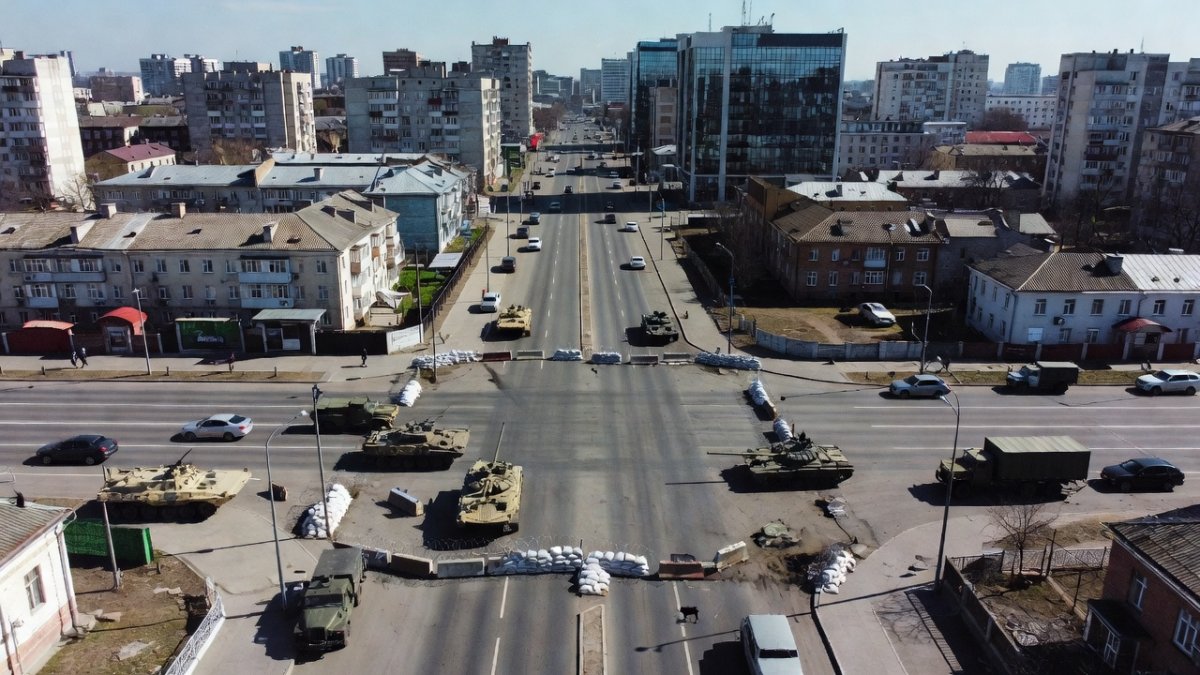
These attacks follow by two days Ukraine's strike on Russia's largest oil refinery in the Omsk region of western Siberia. That facility halted operations, triggering panic buying at gas stations across the region. Since June, multiple Russian regions have dealt with elevated gasoline prices and outright shortages caused by Ukrainian refinery strikes, arriving precisely during summer vacation travel and agricultural harvest season.
Authorities have introduced fuel rationing across the country and in annexed Crimea to manage constrained supplies. President Putin acknowledged the fuel crisis on Sunday for the first time, stating that Ukraine was causing "serious damage" to Russia's fuel supply. His comments mark an official recognition of the disruptions' breadth and persistence.
The combination of halted refining capacity and seasonal demand has forced regional governments to prioritize allocations for essential services and farming. Citizens report longer queues and restricted purchases at stations, directly affecting daily commutes and commercial activity. Rationing systems aim to stabilize distribution yet underscore the depth of the supply shortfall.
Russian energy ministries continue coordinating with regional administrations on mitigation steps, while Ukrainian actions maintain pressure on the same network. The resulting environment places tangible burdens on households already navigating broader economic pressures tied to energy availability.
Analysis and Implications
The overnight strikes illustrate Ukraine's expanding reach against Russia's energy sector, hitting both advanced refineries and supporting maritime assets. Attribution remains clear from Ukrainian military statements and Russian regional reports, with the Defense Ministry's interception numbers providing a quantitative measure of defensive scale. The involvement of specific sites such as TANECO and the Rosneft facility in Saratov points to deliberate selection of high-capacity targets.
Implications extend beyond immediate damage to long-term production capacity. Repeated halts at technologically sophisticated plants like TANECO reduce overall output margins, feeding into nationwide rationing and price pressures felt by ordinary Russians. Putin's recent acknowledgment signals that federal leadership now treats the issue as a sustained challenge rather than isolated events.
Perspectives differ sharply: Ukrainian sources present the campaign as a response to Russia's logistical support for its operations, while Russian officials stress civilian and economic consequences. Gazprom's assurance on Blue Stream exports offers one example of compartmentalized resilience amid broader vulnerabilities.
Looking ahead, the pattern suggests continued targeting of refining and transport nodes unless diplomatic or military shifts intervene. For Russian regions balancing harvest needs with travel demand, the fuel constraints represent a practical daily reality shaped by these strikes and the responses they elicit from authorities at every level.
By Irina Volkov, Staff WriterThis article was produced with AI-assisted research and editorial support. Reporting is based on sources cited in the article.
What's Your Reaction?
 Like
0
Like
0
 Dislike
0
Dislike
0
 Love
0
Love
0
 Funny
0
Funny
0
 Wow
0
Wow
0
 Sad
0
Sad
0
 Angry
0
Angry
0

Russia/Eastern Europe Correspondent at Global1.News. Covering Russian politics, energy, security, and the shifting dynamics of the post-Soviet space. Provides clear-eyed analysis on one of the world's most opaque regions.













Comments (0)