
US and Iran Trade Strikes as Strait of Hormuz Ceasefire Collapses
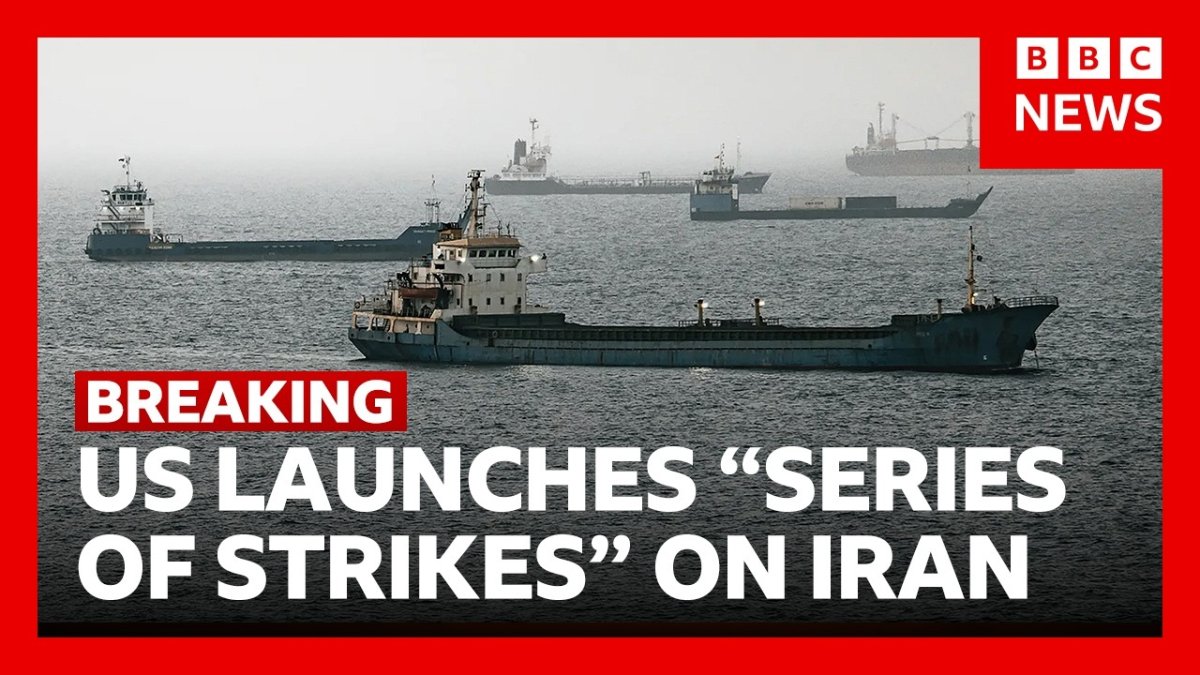
In a recent BBC News report, the worst exchange of fire between the United States and Iran since the signing of their interim ceasefire in June has erupted across the Gulf region, raising urgent questions about the durability of the 14-point memorandum of understanding signed in Islamabad last month. US and Iran Trade Strikes as Strait of Hormuz Ceasefire Collapses Into Open Co
In a recent BBC News report, the worst exchange of fire between the United States and Iran since the signing of their interim ceasefire in June has erupted across the Gulf region, raising urgent questions about the durability of the 14-point memorandum of understanding signed in Islamabad last month.
US and Iran Trade Strikes as Strait of Hormuz Ceasefire Collapses Into Open Conflict
Moscow – 8 July 2026 — The United States and Iran have exchanged their heaviest barrage of strikes since the June ceasefire, after attacks on three oil tankers in the Strait of Hormuz triggered a wave of American retaliation that struck more than 80 targets across southern Iran. The escalation marks the most serious test yet of the Islamabad Memorandum of Understanding — the 14-point framework that ended months of open warfare between Washington and Tehran — and has cast doubt on whether the interim agreement can survive the political and military pressures arrayed against it.
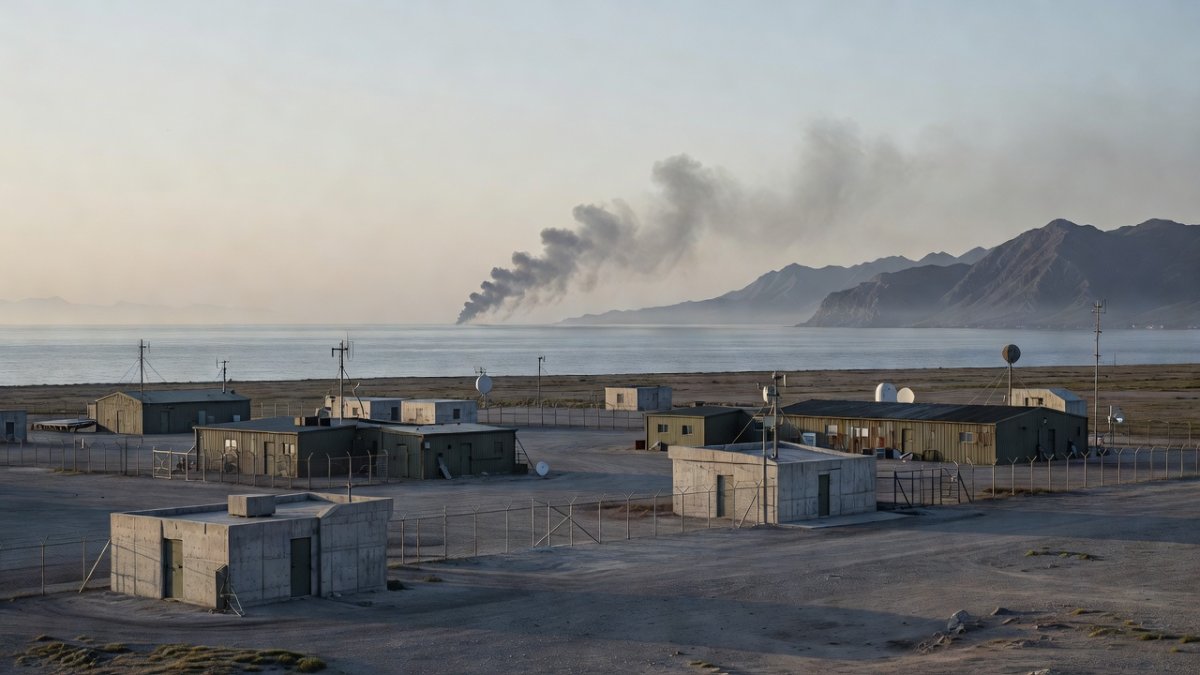
US Central Command confirmed that its forces responded on 7 July with coordinated strikes on air defence systems, coastal radar installations, fast boats, missile launch sites and command centres located on Qeshm island, at Bandar Abbas and near Sirik. More than 60 small boats were also hit during the operation. The US Treasury simultaneously revoked the temporary waiver on Iranian oil sanctions that had formed part of the June 17 Islamabad accord. Brent crude prices rose more than 3 percent to $76 per barrel within hours of the announcements, reflecting immediate market concern over supply security through the Strait of Hormuz. Iranian state media reported that Tehran launched missiles and drones against 85 key US military facilities in Bahrain and Kuwait in direct retaliation. The first confirmed casualty was IRGC Guardsman Mohammadreza Khazini, killed by shrapnel during the initial American wave.
The Tanker Attacks That Broke the Ceasefire
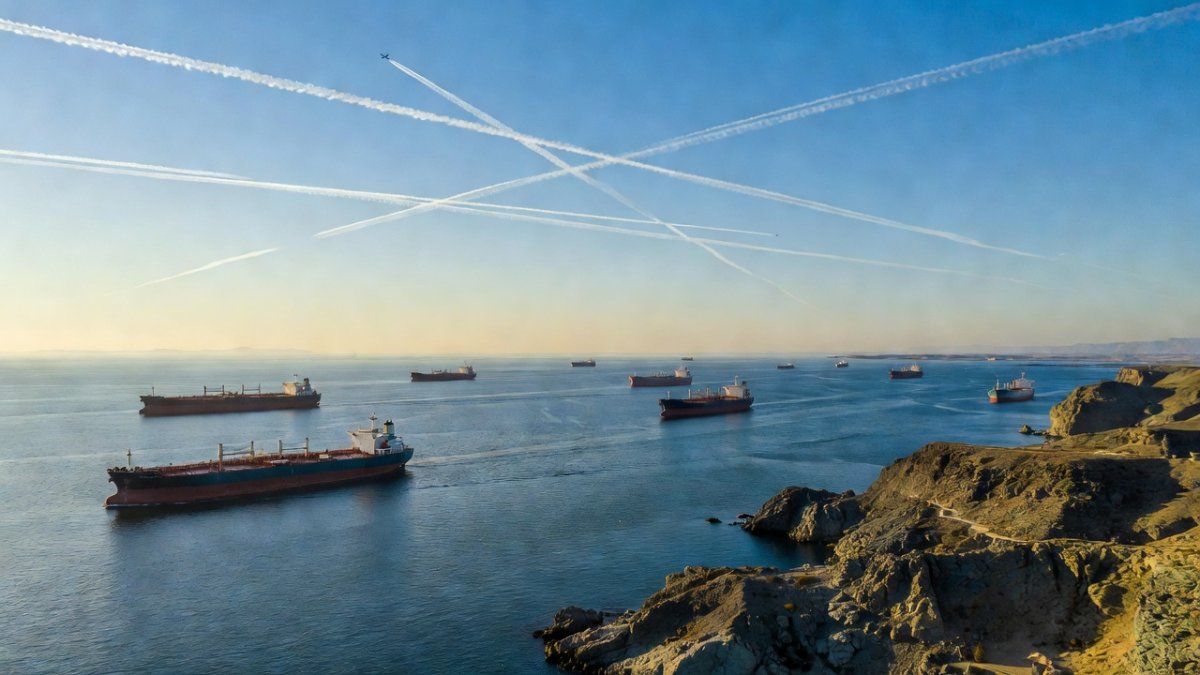
Qatar’s Foreign Ministry spokesperson Majed Al Ansari stated that Iran bore responsibility for the projectile strike on the tanker Al-Rekayyat. Saudi Arabia separately accused Iranian forces of targeting its vessel Wadyan. The UK Maritime Trade Operations centre documented a fire in the engine room of one tanker on Monday, followed by two additional incidents on Tuesday involving vessels transiting the same narrow waterway. These events directly contravened the Islamabad Memorandum’s requirement that Iran use best efforts to ensure safe passage of commercial vessels for a 60-day period.
Iran’s Fars news agency had previously asserted that the strait would ultimately fall under a new “Persian Gulf Strait Authority” managed by Tehran in coordination with Oman. That interpretation clashed with the explicit safe-passage language contained in the 14-point text. Western officials viewed the tanker strikes as a deliberate test of the fragile understanding reached on 17 June. Gulf shipping companies immediately rerouted several vessels, lengthening voyages and adding to insurance costs already elevated by months of prior tension.
The Iranian claim to establish a Persian Gulf Strait Authority under Tehran’s coordination with Oman constitutes a structural reinterpretation of the Islamabad text that prioritises sovereign oversight over the waterway rather than neutral transit guarantees. This assertion directly challenges the memorandum’s emphasis on unimpeded commercial movement. In practical terms, Gulf shipping companies have activated contingency routing around the Cape of Good Hope for multiple tankers, extending transit times by up to two weeks and elevating insurance premiums by 25 to 40 percent. These adjustments reflect calculated corporate risk management amid renewed volatility and illustrate how even limited breaches can cascade into broader supply-chain disruptions for energy importers in Europe and East Asia.
Iran's Retaliation and the Regional Fallout
Iran’s deputy foreign minister warned that Tehran would “take decisive measures” after the American strikes. Iranian forces subsequently targeted what they described as 85 US military facilities across Bahrain and Kuwait. Kuwaiti officials condemned the Iranian response as “repeated attacks” that endangered regional stability. The death of IRGC Guardsman Mohammadreza Khazini was announced by Iranian state media and framed as evidence of American aggression.
Gulf states expressed alarm at the widening scope of the confrontation. Bahrain and Kuwait host significant US military infrastructure, and any sustained exchange risks drawing additional regional actors into the conflict. Russia and China have both urged restraint through diplomatic channels, citing the danger to global energy flows. The IRGC has maintained operational silence on further planned actions, leaving open the possibility of additional asymmetric responses in the coming days.
Gulf capitals have voiced heightened concern that the confrontation’s expansion could destabilise their own security architectures, particularly given the concentration of American bases on their territory. Both Russia and China have intensified private diplomatic messaging to Tehran and Washington, emphasising the shared interest in preserving energy transit corridors that underpin their respective economic partnerships. Moscow’s outreach draws on its longstanding role as a mediator in Gulf disputes, while Beijing focuses on protecting its oil import routes. These parallel interventions underscore how the crisis intersects with wider Eurasian strategic calculations, even as the IRGC’s continued silence leaves space for further asymmetric measures that could test alliance cohesion in the coming period.
The NATO Summit and International Response
NATO Secretary General Mark Rutte, speaking at an emergency summit in Ankara, described the US strikes as “absolutely necessary” to restore deterrence. The timing of the gathering coincided with the peak of the latest escalation, forcing alliance members to coordinate public messaging while privately assessing the durability of the June ceasefire. European capitals have so far avoided direct military involvement, yet several have issued statements supporting freedom of navigation.
UKMTO reports have been shared with NATO partners, reinforcing the perception that commercial shipping faces immediate risk. Ankara’s role as host also highlighted Turkey’s interest in preventing further disruption to energy routes that affect its own economy. The alliance’s public stance has so far emphasised de-escalation while endorsing the American right to protect maritime traffic.
European governments have adopted measured positions that balance alliance solidarity with caution against deeper entanglement, reflecting domestic political constraints and energy-security priorities. The Ankara summit’s location carries symbolic weight, given Turkey’s geographic position astride critical energy corridors and its historical mediation efforts in regional disputes. While NATO messaging has prioritised de-escalation and navigational freedoms, several member states have quietly explored back-channel options through neutral intermediaries. This dual-track approach reveals the alliance’s internal tension between deterrence commitments and the imperative to prevent a broader conflagration that could strain transatlantic cohesion.
The Islamabad MoU — A Fractured Framework
The 14-point Islamabad Memorandum of Understanding, signed on 17 June 2026, committed both sides to end hostilities and required Iran to facilitate safe commercial transit through the Strait of Hormuz. The US Treasury’s revocation of the temporary oil sanctions waiver directly undercut one of the economic incentives embedded in the text. Iranian Speaker Mohammad Bagher Ghalibaf accused Washington of breaching the accord, declaring that “the era of bullying and extortion is over. It leads nowhere. We don’t fold.”
US Vice President JD Vance countered that “violence will be met with violence.” Iran’s Foreign Ministry spokesman Esmail Baghaei and parliament’s national security commission head Ebrahim Azizi have both signalled that further American moves would prompt additional Iranian responses. The ongoing funeral proceedings for Iran’s late leader, with burial scheduled in Mashhad on Thursday, have complicated diplomatic efforts and limited the scope for immediate back-channel talks.
The 14-point text’s core provisions on sanctions relief and transit assurances were designed to create mutual incentives for compliance, yet the swift revocation of the oil waiver has removed a key economic pillar and exposed the agreement’s structural vulnerabilities. Iranian officials have framed this step as a unilateral breach that nullifies reciprocal obligations. The funeral proceedings for Iran’s late leader, culminating in burial at Mashhad, have further constrained diplomatic bandwidth by diverting senior attention and limiting secure communication channels during a period of national mourning. These overlapping pressures illustrate how domestic political calendars can intersect with international crises to narrow windows for de-escalation.
Analysis — Implications for Energy Markets and Global Security
The rise of Brent crude to $76 per barrel illustrates the Strait of Hormuz’s continued centrality to global energy supply. Roughly one-fifth of seaborne oil trade passes through the waterway, and any prolonged closure or heightened risk premium would transmit price shocks worldwide. Russia, as a major exporter, stands to benefit from elevated prices yet must weigh the risk of secondary sanctions and market volatility. Chinese officials have expressed concern over supply security for their own refineries while avoiding direct criticism of either party.
The Kremlin’s power structures have historically used energy leverage to advance geopolitical aims; renewed Gulf instability offers Moscow opportunities to position itself as a stabilising actor. At the same time, the collapse of the Islamabad framework demonstrates how quickly interim agreements can unravel when core security interests collide. Future pathways remain uncertain. Sustained diplomatic engagement through Oman or other intermediaries could restore a narrow corridor for de-escalation, but both Washington and Tehran have adopted uncompromising public positions that limit room for compromise. The coming days will determine whether the June ceasefire can be salvaged or whether the region faces a longer period of open confrontation.
The Brent price movement to $76 per barrel captures only the immediate risk premium layered onto an already tight market, where inventories remain low and spare capacity is concentrated in a handful of producers. Russia’s calculus involves balancing short-term revenue gains against the threat of renewed secondary sanctions that could curtail its shadow fleet operations. Comparisons to earlier US-Iran crises, such as the 2019 tanker incidents, suggest that markets price in persistent uncertainty rather than outright closure, yet the current diplomatic vacuum leaves less margin for rapid containment. Beijing’s restrained posture reflects its dependence on Gulf crude while preserving leverage for future mediation, underscoring how energy interdependence continues to shape great-power responses even as the Islamabad framework’s rapid erosion highlights the limits of interim accords in high-stakes theatres.
By Irina Volkov, Staff Writer
This article was produced with AI-assisted research and editorial support. Reporting is based on sources cited in the article.
What's Your Reaction?
 Like
0
Like
0
 Dislike
0
Dislike
0
 Love
0
Love
0
 Funny
0
Funny
0
 Wow
0
Wow
0
 Sad
0
Sad
0
 Angry
0
Angry
0
Russia/Eastern Europe Correspondent at Global1.News. Covering Russian politics, energy, security, and the shifting dynamics of the post-Soviet space. Provides clear-eyed analysis on one of the world's most opaque regions.












Comments (0)