
China Sanctions PH Defense Chief Gilberto Teodoro Over South China Sea Remarks
In a recent ANC 24/7 report from Manila, China's Ministry of Foreign Affairs announced sanctions on Philippine Defense Secretary Gilberto Teodoro Jr. on Thursday. The measures bar Teodoro, his wife, and his child from entering mainland China, Hong Kong, and Macau. Chinese entities face prohibitions on any transactions, cooperation, or activities with the Teodoro family. China C
China Cites Remarks as Basis for Entry Ban
The sanctions target Teodoro for what Beijing called repeated erroneous remarks concerning China. These statements allegedly undermined China's legitimate interests and bilateral ties. Chinese foreign ministry spokesperson Lin Jian described the actions as a stunt to serve Teodoro's own political self-interest and accused him of distorting facts.
The Chinese embassy in Manila labeled the remarks ideologically biased and confrontational. The announcement came amid ongoing disputes in the South China Sea, where Philippine forces conduct regular patrols near features such as Bajo de Masinloc, also known as Scarborough Shoal.
Beijing previously accused Teodoro of lacking gratitude for Chinese supplies of fertilizer and fuel during shortages linked to the Iran conflict. The sanctions align with earlier measures against foreign officials, including US Secretary of State Marco Rubio in 2020 and five European Union lawmakers in 2021.
Teodoro Vows Continued Duty Despite Restrictions
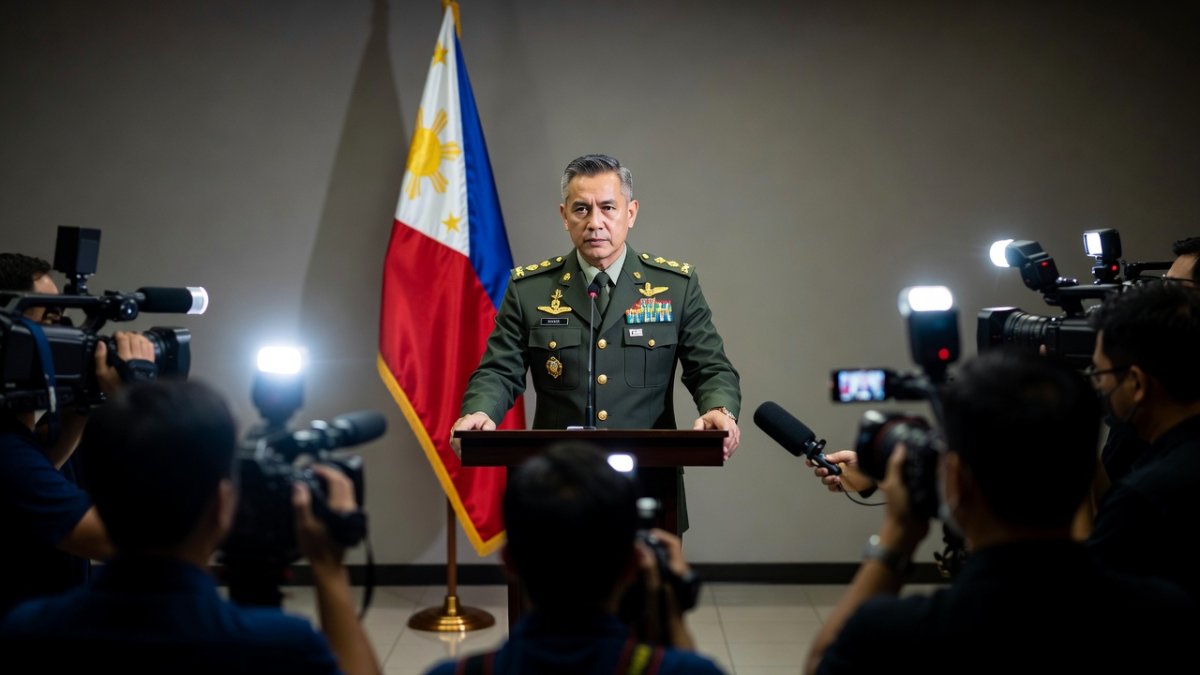
Defense Secretary Gilberto Teodoro Jr. responded with defiance from Manila. He stated that the sanctions represent what China does to those who speak the truth against their deception. Teodoro pledged to keep performing his duty and uphold the nation against actions he described as wickedness in Philippine seas.
Earlier at the Shangri-La Dialogue in Singapore on May 30, Teodoro told Reuters that China remains a severe threat with no demonstration of long-term good faith. His position reflects the Marcos administration's approach to maritime security in the West Philippine Sea.
Teodoro's family now faces direct travel restrictions to Hong Kong and Macau, areas with significant Filipino communities. The ban extends to any form of engagement with Chinese government-linked organizations or businesses.
Armed Forces and Foreign Affairs Departments React
The Armed Forces of the Philippines labeled the sanctions ungrounded. Spokesperson Rear Admiral Roy Trinidad called them a transparent attempt at political intimidation. The AFP confirmed it will continue patrols in the South China Sea as part of its constitutional duty to protect Philippine territory.
Department of Foreign Affairs Secretary Ma. Theresa Lazaro described the sanctions as an unfriendly act that further complicates bilateral relations. She noted the measures are not right while acknowledging China's sovereign right to impose them. Lazaro stated Manila will seek discussions with Chinese authorities on the issue.
These statements emerged from offices in Manila as the Philippines maintains its alliance with the United States while managing economic links with China. The DFA coordinates responses through established diplomatic channels in the capital.
South China Sea Disputes Drive Bilateral Strain
The sanctions form part of escalating tensions in the South China Sea under President Ferdinand Marcos Jr. The Philippines recently raised diplomatic concerns over the illegal presence of a Chinese floating structure at Bajo de Masinloc. Such incidents occur regularly near the shoal, affecting fishing communities from Zambales province.
Philippine vessels from the Philippine Coast Guard and Navy operate in these waters to assert rights established by the 2016 arbitration ruling. The Supreme Court has upheld Philippine sovereignty claims in the West Philippine Sea through multiple decisions.
China's actions target officials who challenge its positions, as seen in prior sanctions on international figures. For the Philippines, these measures coincide with increased Chinese presence near features claimed under the United Nations Convention on the Law of the Sea.
Impact on Filipino Workers and Families Abroad
The entry ban on Teodoro's family raises questions for the thousands of overseas Filipino workers in Hong Kong and mainland China. Many OFWs from provinces such as Ilocos and Cebu rely on employment in these regions for remittances that support households in the Philippines.
Communities in Quezon City and Davao monitor developments closely, as any cooling in relations could affect job placements coordinated through the Department of Labor and Employment. Sari-sari store owners in barangays across the country depend on steady OFW income streams.
Bayanihan spirit in affected areas may help families adjust if tensions limit opportunities. The sanctions do not directly restrict worker visas, yet they signal broader risks for bilateral labor agreements managed from Manila.
Political Reactions in Congress and Senate
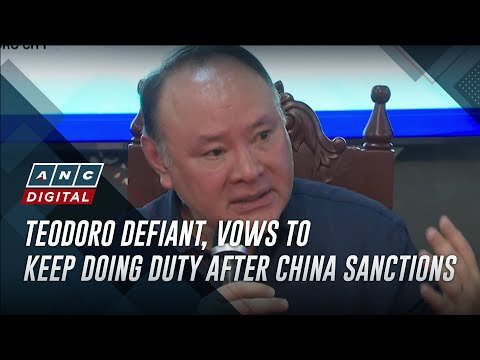
Philippine Senate members in Manila discussed the sanctions during sessions this week. Lawmakers referenced the need to uphold the 2016 arbitration victory while pursuing diplomatic engagement. The upper house has historically supported maritime rights through resolutions backed by the Supreme Court.
House of Representatives leaders in Quezon City echoed calls for unity behind the armed forces. They noted that political self-interest accusations from Beijing overlook the domestic priority of protecting fishermen and coastal communities in Palawan and Batanes.
President Marcos Jr. maintains a foreign policy that balances the US alliance with China trade ties. The sanctions test this approach as COMELEC prepares for future electoral cycles where foreign policy could influence voter sentiment in key regions.
Legal History and National Resilience
The 2016 Permanent Court of Arbitration ruling in The Hague affirmed Philippine rights in the West Philippine Sea. Philippine officials, including those at the Department of Foreign Affairs, continue to cite this decision in responses to Chinese actions.
Teodoro's role as defense secretary places him at the center of efforts to modernize the Armed Forces of the Philippines. His earlier comments at the Shangri-La Dialogue align with assessments shared by US and allied defense officials regarding regional security.
Filipino families in coastal barangays from Cebu to Baguio express support for officials who defend maritime boundaries. The sanctions underscore the personal costs faced by leaders who prioritize national interests over external pressure.
By Bella Reyes, Staff WriterThis article was produced with AI-assisted research and editorial support. Reporting is based on sources cited in the article.
What's Your Reaction?
 Like
0
Like
0
 Dislike
0
Dislike
0
 Love
0
Love
0
 Funny
0
Funny
0
 Wow
0
Wow
0
 Sad
0
Sad
0
 Angry
0
Angry
0

Philippines/Southeast Asia Correspondent at Global1.News. Manila-based journalist covering Philippine politics, environment, maritime security, and social issues. Passionate about marine conservation and the communities protecting the Philippines' natural heritage.









Comments (0)