
Cape Verde's Historic World Cup Debut: 40-Year-Old Goalkeeper Inspires Draw Against Spain
The Historic Debut in Atlanta Cape Verde, the archipelago nation of about 500,000 people off the west coast of Africa, stepped onto the global stage for the first time at the World Cup on June 15, 2026. In their opening Group H match in Atlanta, they held European champions Spain to a 0-0 draw. This result carried weight far beyond the scoreline. For a country whose population
The Historic Debut in Atlanta
Cape Verde, the archipelago nation of about 500,000 people off the west coast of Africa, stepped onto the global stage for the first time at the World Cup on June 15, 2026. In their opening Group H match in Atlanta, they held European champions Spain to a 0-0 draw. This result carried weight far beyond the scoreline. For a country whose population could fit into a single district of many larger African cities, the achievement spoke to resilience built over years of quiet preparation.
As a Senegalese journalist who has followed West African football for decades, I saw echoes of our own journeys. Senegal has known the thrill of reaching quarter-finals, yet moments like this from smaller neighbors remind us that progress in African football often arrives through persistence rather than size. The draw against Spain set a tone of defiance that resonated across the continent.
Vozinha: The Heart of the Defense
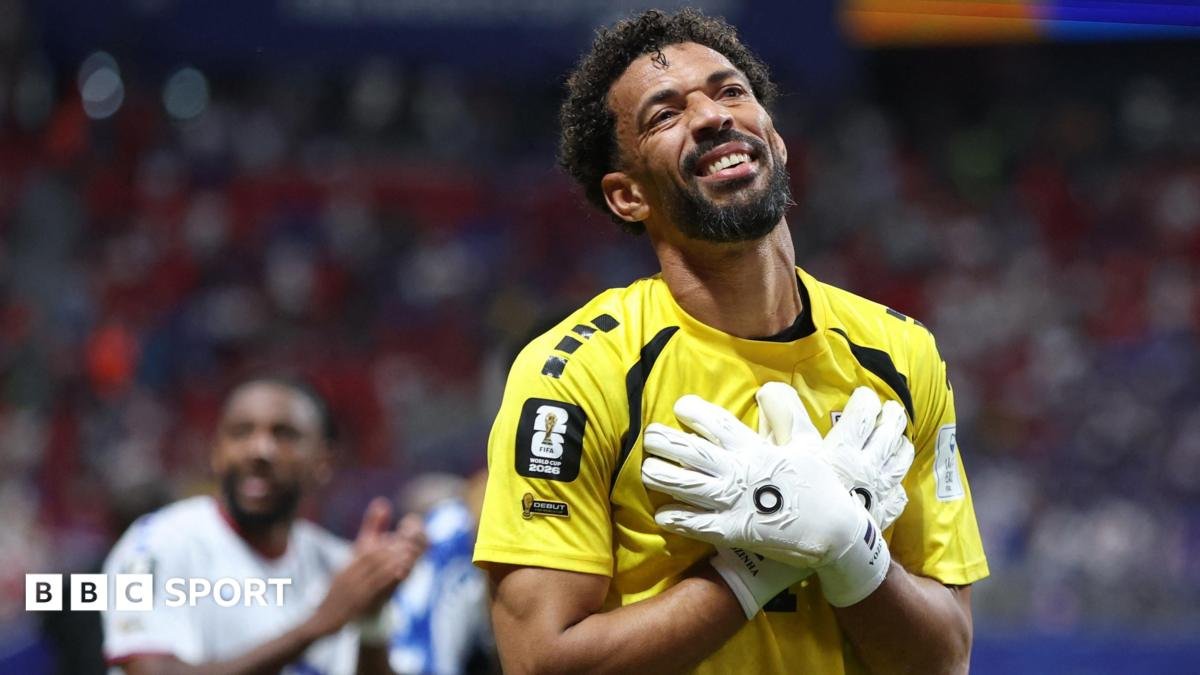
Goalkeeper Vozinha, whose full name is Josimar Dias, stood at the center of this story. At 40 years and 12 days old, he was named player of the match after making seven saves. He became the oldest goalkeeper since Pat Jennings in 1986 to record seven or more saves in a World Cup match. His performance kept Spain at bay despite their possession dominance.
Vozinha began his professional career late, at age 25 in 2012, after facing repeated rejection as a youth in Mindelo because he was considered too small. He left Cape Verde for Portugal and later played in Slovakia, Angola, Moldova, and Cyprus before settling at Portuguese second-tier side Chaves. That long road, marked by moves across continents, mirrors the diaspora paths many West African players take in search of opportunity. His journey from late starter to World Cup hero offers quiet encouragement to young athletes across the region who begin their careers without early recognition.
Unity as Their Greatest Strength
After the final whistle, Vozinha wept as he thought of his grandparents who had passed and his mother who could not obtain a United States visa in time to attend. In his words, “Our best weapon is our unity. The way we treat our family is our greatest strength.” He added, “Everyone thought we came here just to enjoy the World Cup, but no… we are here to compete, and we are here to fight for our country.”
These statements reflect values deeply familiar in West African football culture, where family ties and collective support often outweigh individual stardom. In Senegal, we see similar emphasis on community during national team campaigns. Cape Verde’s approach shows how small nations can turn limited resources into competitive cohesion. The team’s anthem, “nos óra dja txiga,” which means “our time has come” in Cape Verdean Creole, captured this shared sense of arrival.
Celebrations Across the Archipelago and Beyond
Back home, the streets of Praia erupted in celebrations filled with vuvuzelas, chants, and dancing. Supporter Isa Conceição told BBC that achieving such a result against Spain as a small country produced “the greatest feeling ever.” The moment extended beyond Cape Verde’s shores through its diaspora, with many following from Portugal, Angola, and the United States.
Vozinha’s Instagram following grew from 50,000 to over 5 million after Brazilian World Cup broadcasters encouraged fans to connect with him. This surge highlighted how African stories can capture global attention when they combine underdog spirit with genuine achievement. For West African communities watching from afar, the scenes in Praia reinforced the idea that football remains one of the strongest links between those at home and those abroad.
What This Means for Small African Nations
Cape Verde’s result carries particular meaning for smaller African countries that rarely receive the same spotlight as larger football powers. While Morocco became the first African semi-finalist at the 2022 World Cup and Cameroon, Senegal, and Ghana have all reached quarter-finals in past tournaments, nations with populations under one million often struggle for recognition. Cape Verde’s performance demonstrates that competitive football does not require vast resources or large talent pools alone.
In West Africa, where football culture values grit and togetherness, this draw serves as a reminder that unity can level the field. Many Senegalese fans I spoke with after the match expressed pride not only in Cape Verde but in the broader message it sends about African representation. Small nations contribute to the continent’s identity on the world stage by showing that participation can evolve into genuine contention.
Looking Ahead in Group H
Cape Verde will next face Uruguay and Saudi Arabia in Group H. Their debut has already shifted expectations from mere participation to the possibility of further points. The team’s late start in professional football for key players like Vozinha suggests that experience gained through varied leagues can translate into World Cup composure.
For African football overall, this outcome adds another layer to the narrative of steady advancement. It connects the diaspora journeys of players who move through Europe and beyond with the pride felt in island communities and mainland capitals alike. As the tournament continues, Cape Verde’s story will likely inspire conversations about how smaller nations sustain momentum and challenge traditional hierarchies in global sport.
By Amara Diop, Staff WriterThis article was produced with AI-assisted research and editorial support. Reporting is based on sources cited in the article.
What's Your Reaction?
 Like
0
Like
0
 Dislike
0
Dislike
0
 Love
0
Love
0
 Funny
0
Funny
0
 Wow
0
Wow
0
 Sad
0
Sad
0
 Angry
0
Angry
0
West Africa/Sahel Correspondent at Global1.News. Dakar-based journalist covering politics, security, climate, and development across Francophone and Anglophone West Africa. Tells the stories of a region undergoing profound transformation.










Comments (0)