
President Marcos Calls Congress to Special Session Starting June 17
President Marcos Calls Congress to Special Session Starting June 17 President Ferdinand Marcos Jr. has issued Proclamation 1318 summoning both chambers of Congress to a special session beginning Wednesday, June 17. The move comes as the Senate grapples with leadership disputes that have delayed action on key appointments and legislation. Palace press officer Claire Castro empha
President Marcos Calls Congress to Special Session Starting June 17
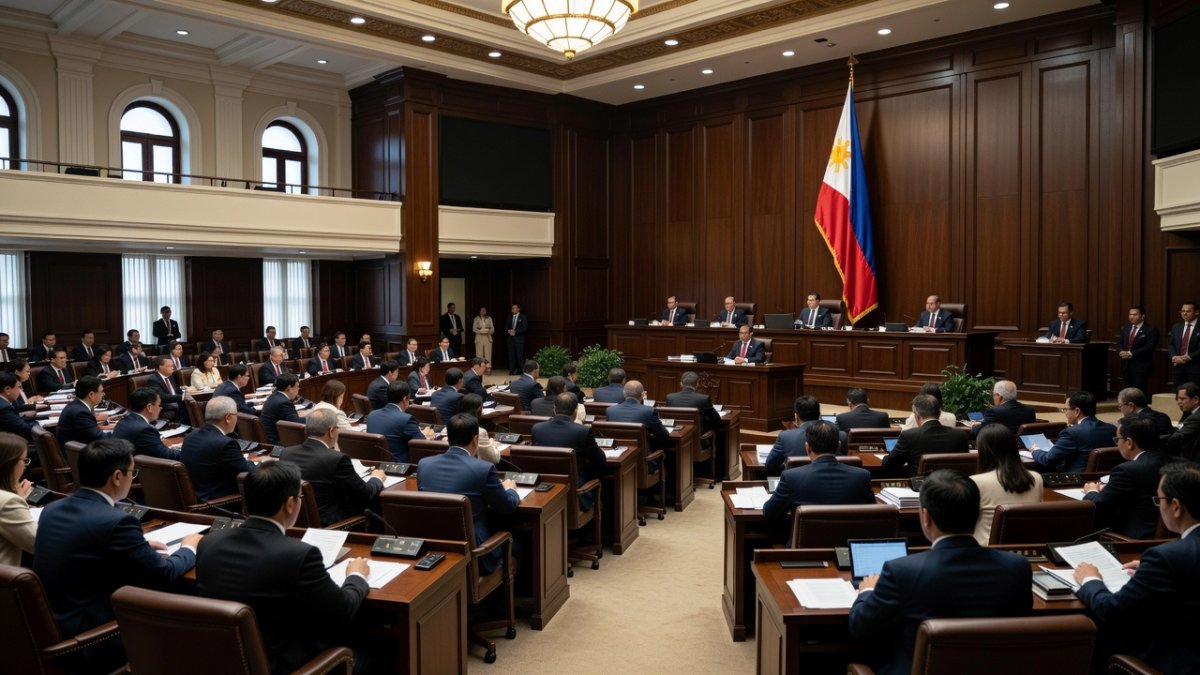
President Ferdinand Marcos Jr. has issued Proclamation 1318 summoning both chambers of Congress to a special session beginning Wednesday, June 17. The move comes as the Senate grapples with leadership disputes that have delayed action on key appointments and legislation. Palace press officer Claire Castro emphasized the urgency, stating that the President has spoken and it is time to get back to work.
The special session is intended to address stalled priority measures and allow the Commission on Appointments to review pending nominations for Cabinet, military, and foreign service posts. For ordinary Filipinos, prolonged inaction in the Senate means delays in programs that directly touch daily life, from school funding to health services for the elderly.
Barangay captains and local government units across the country often wait on national legislation to unlock resources for community projects. A special session offers a chance to move these forward without further postponement, especially as families prepare for the upcoming school year and farmers look ahead to harvest seasons.
Eight Priority Bills Target Education, Health, and Governance Reforms
The proclamation lists eight measures for immediate consideration. These include the anti-dynasty bill, the establishment of a National Center for Geriatric Health, amendments to the GASTPE Act, the AICS Act, changes to the Universal Access to Quality Tertiary Education Act, the Last Mile Schools Act, amendments to the Masustansyang Pagkain Para sa Batang Pilipino Act, and the Presidential Merit Scholarship Program.
Students in remote areas stand to benefit from the Last Mile Schools Act, which aims to bring quality education closer to far-flung communities. Parents in provinces where sari-sari stores double as informal learning spaces often see these bills as lifelines for their children's futures. Similarly, amendments to the Universal Access to Quality Tertiary Education Act could ease tuition burdens for families sending children to college, many of whom rely on remittances from OFWs.
The Masustansyang Pagkain Para sa Batang Pilipino Act amendments focus on child nutrition, a pressing concern in barangays where fiestas and community gatherings highlight both abundance and scarcity. Health measures for geriatric care address the needs of aging populations in rural areas, where tricycle drivers and market vendors worry about long-term care for their parents.
Former Senate President Drilon Urges Election of New Leadership for Stability
Former Senate President Franklin Drilon described the election of a new Senate president during the special session as appropriate and necessary. He pointed to the approaching impeachment trial of Vice President Sara Duterte as a key reason for restoring order in the upper chamber. All committee chairmanships, including the contested Blue Ribbon Committee, would be settled once a vote takes place.
Acting Senate President Sherwin Gatchalian appealed to colleagues to attend the session, noting that every measure listed serves the people. Senator Juan Miguel Zubiri added that there should be no drama, no delay, and no excuse to skip work. These statements reflect the frustration many Filipinos feel when political infighting overshadows legislative duties.
In communities from Manila to Mindanao, jeepney drivers and small business owners follow Senate developments closely because leadership changes influence how budgets are allocated. Stable Senate leadership can mean faster confirmation of officials who oversee programs affecting public transportation and local economies.
Pre-Trial Briefs Submitted in Vice President Duterte Impeachment Proceedings
On Monday, June 15, both the 11-member House prosecution panel and the defense team for Vice President Sara Duterte submitted their pre-trial briefs. The prosecution's document runs 57 pages, while the defense submission exceeds 60 pages. Lead prosecutor Representative Gerville Luistro of Batangas indicated that more than 30 witnesses will be presented.
The pre-trial conference is scheduled for June 18, with the trial itself tentatively set to begin July 6. The charges involve allegations of unexplained wealth, threats against the First Couple, and the use of P612.5 million in confidential funds. These proceedings carry weight for taxpayers who see public funds as resources meant for roads, classrooms, and health centers rather than discretionary spending.
Ordinary citizens in provinces often discuss such cases during neighborhood gatherings, weighing how accountability at the highest levels affects trust in government. Families dependent on government assistance programs hope that clear resolutions will prevent further disruptions in service delivery.
Unauthorized Blue Ribbon Hearing Attempt Underscores Senate Divisions
On June 16, the Cayetano-led minority bloc attempted to conduct an off-site Blue Ribbon committee hearing at Doublegem EDSA Garden Events Place in Mandaluyong. The venue canceled the event, and no senators attended. The session was led by former lawmaker Mike Defensor and lawyer Levi Baligod.
Official Blue Ribbon chair Senator Erwin Tulfo noted that Senate lawyers are examining possible complaints for usurpation of authority. Senator Alan Peter Cayetano has not issued a statement on the matter. Such episodes highlight ongoing tensions that can slow down investigations into matters of public interest.
Blue Ribbon hearings often examine issues like procurement and fund use that resonate with sari-sari store owners and tricycle operators who navigate daily bureaucratic hurdles. When Senate processes stall, it can delay oversight that protects community resources from misuse.
Impact on Filipino Communities and Forward Path
These developments in Congress and the Senate directly shape the environment in which LGUs operate. Barangay captains rely on national laws to secure funding for local health initiatives and school feeding programs. Delays from leadership disputes can mean postponed projects that affect daily routines of students walking to Last Mile schools or elderly residents seeking better geriatric services.
OFWs sending remittances home watch these political moves because stable governance supports economic programs that sustain families during lean seasons. The special session offers a window to advance measures that could ease pressures on household budgets strained by rising costs.
As the impeachment process moves toward its pre-trial conference and potential trial date, public attention remains on how these events influence the broader political climate. Filipinos value bayanihan spirit in times of uncertainty, coming together at the community level even as national institutions work through their challenges.
Looking ahead, the coming weeks will test whether the special session can deliver concrete progress on the listed priorities. For families across the archipelago, the hope is that legislative action will translate into tangible improvements in education access, child nutrition, and accountable use of public resources, strengthening the foundation for future generations.
By Bella Reyes, Staff WriterThis article was produced with AI-assisted research and editorial support. Reporting is based on sources cited in the article.
What's Your Reaction?
 Like
0
Like
0
 Dislike
0
Dislike
0
 Love
0
Love
0
 Funny
0
Funny
0
 Wow
0
Wow
0
 Sad
0
Sad
0
 Angry
0
Angry
0

Philippines/Southeast Asia Correspondent at Global1.News. Manila-based journalist covering Philippine politics, environment, maritime security, and social issues. Passionate about marine conservation and the communities protecting the Philippines' natural heritage.













Comments (0)