
Canada Joins GCAP Fighter Project as Observer: Japan View
The Announcement and Its Significance Canada plans to join the Global Combat Air Programme as an observer, with Japanese government sources confirming the development on June 10, 2026. This move positions Canada as the first non-founding participant and the first partner outside Europe or Japan. From Japan’s perspective, the inclusion signals growing international interest in a
The Announcement and Its Significance
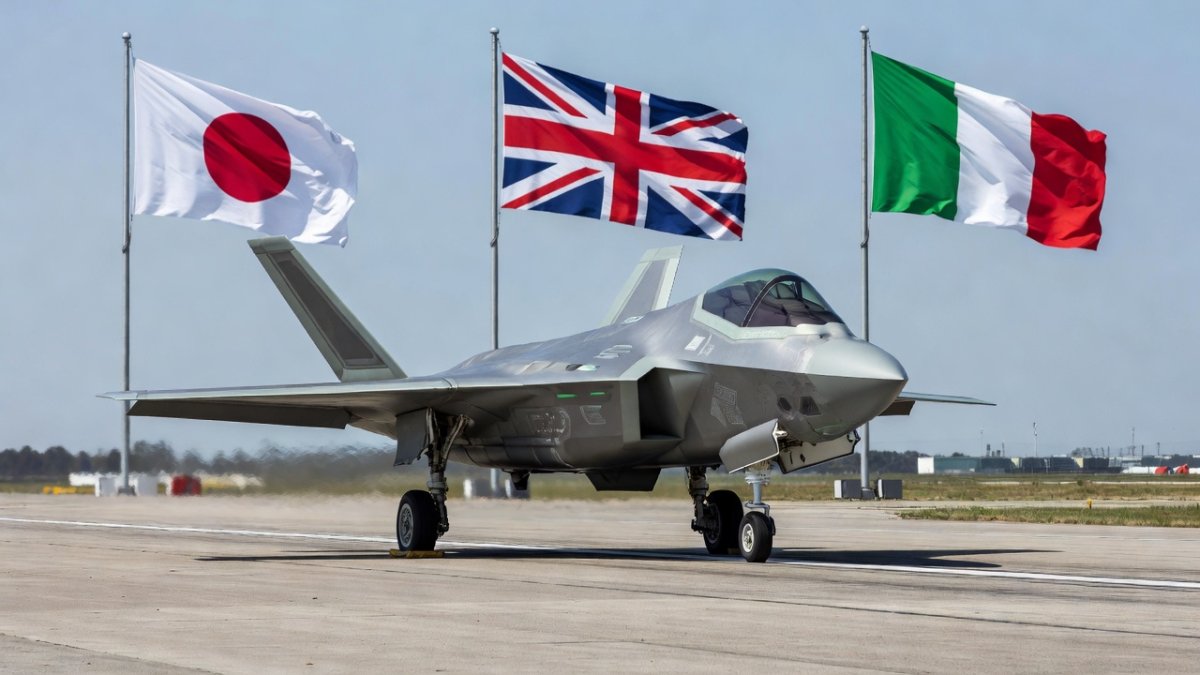
Canada plans to join the Global Combat Air Programme as an observer, with Japanese government sources confirming the development on June 10, 2026. This move positions Canada as the first non-founding participant and the first partner outside Europe or Japan. From Japan’s perspective, the inclusion signals growing international interest in a programme led by Mitsubishi Heavy Industries alongside BAE Systems and Leonardo, potentially broadening the industrial and technological network without altering core decision-making structures.
The announcement carries weight for Japan because it underscores the programme’s appeal beyond its founding nations. GCAP aims for service entry in 2035 to replace Japan’s Mitsubishi F-2 fighters and the Eurofighter Typhoons operated by the United Kingdom and Italy. Japanese analysts view Canada’s observer status as validation of the project’s technical direction while preserving the control held by the three lead nations and their joint venture Edgewing, which recently secured an approximately $850 million unified design contract.
Japan’s support for Canada’s participation reflects a deliberate effort to strengthen ties with like-minded partners amid shifting global security dynamics. By endorsing observer inclusion, Tokyo demonstrates openness to information sharing that could enhance collective awareness of sixth-generation fighter technologies without committing additional resources or diluting programme timelines.
Further context emerges from Portugal’s earlier expression of observer interest in July 2025, indicating that Canada’s step may encourage similar inquiries. For Japan, managing such interest carefully helps maintain focus on the 2035 target while exploring opportunities for selective collaboration that align with national industrial priorities.
What Observer Status Entails
Observer status grants Canada access to sensitive programme information, including development progress, technical direction, and industrial structure. Importantly, this role carries no voting rights or funding obligations, allowing participation without altering the governance framework established by Mitsubishi Heavy Industries, BAE Systems, and Leonardo. From Japan’s viewpoint, this arrangement protects the programme’s efficiency while offering Canada valuable insights into advanced aerospace integration.
The distinction between observer and full member status is critical for Japan’s cautious stance on expansion. Observers can monitor Edgewing’s unified design efforts and the overall trajectory toward 2035 service entry, yet they remain outside formal decision processes. This setup enables Japan to share knowledge selectively, fostering goodwill with Canada without risking delays that could arise from broader membership discussions.
Japanese defence officials emphasize that observer access supports transparency on key milestones, such as the integration of next-generation sensors and propulsion systems destined to succeed the Mitsubishi F-2. By limiting obligations, the structure ensures that core partners retain authority over resource allocation and technical specifications, a priority for Tokyo as it balances domestic industrial needs with international cooperation.
Canada’s observer role also sets a precedent for future non-European, non-Japanese participants. Japan sees this as an opportunity to evaluate how external perspectives might contribute to programme resilience, particularly in areas like supply-chain diversification, while upholding the original governance model that prioritizes speed and focus.
The March 2026 Tokyo Meeting — Diplomatic Foundations
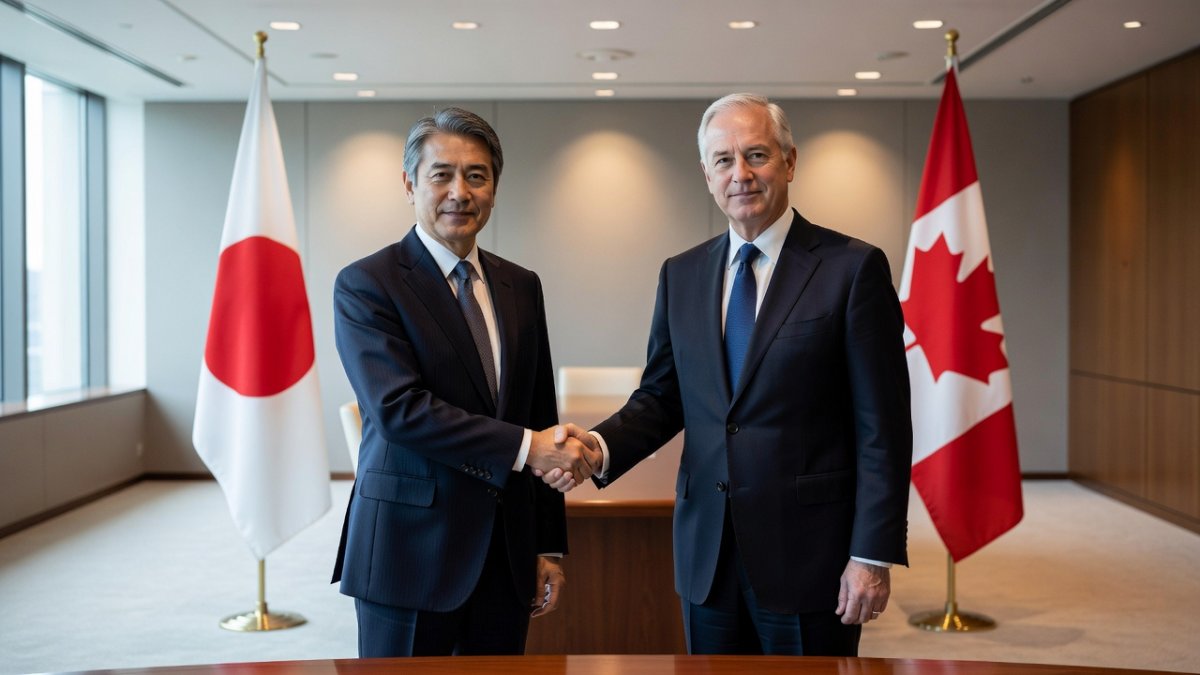
The diplomatic groundwork for Canada’s observer status was laid during a March 6, 2026, meeting in Tokyo between Japanese Defense Minister Shinjiro Koizumi and Canadian Defense Minister David McGuinty. Japan explicitly supported Canada’s inclusion at this session, highlighting mutual interest in advanced fighter development. This encounter provided a platform for discussing how observer participation could align with both nations’ evolving defence requirements.
From Japan’s perspective, the Tokyo meeting reinforced bilateral defence dialogue at a time when regional security challenges demand closer coordination. Koizumi’s endorsement of observer status demonstrated Tokyo’s willingness to extend programme visibility to Canada, thereby strengthening ties without immediate financial or governance commitments. The discussions also touched on broader cooperation possibilities that could benefit Mitsubishi Heavy Industries’ leadership role in the project.
The timing of the meeting, occurring months before the expected formal announcement at a UK-hosted GCAP defence ministers gathering in June or July 2026, allowed both sides to align expectations. Japan used the opportunity to clarify the boundaries of observer access, ensuring that sensitive information on technical direction remains protected while still offering Canada meaningful engagement with the programme’s industrial structure.
Japanese sources note that the Koizumi-McGuinty dialogue helped frame Canada’s participation as a low-risk entry point. This approach supports Japan’s goal of maintaining programme momentum toward 2035 while opening channels for potential future collaboration involving Canadian aerospace capabilities, all without expanding the founding partnership prematurely.
Strategic Context — Canada’s Shift Beyond U.S. Dependency
Canada’s interest in GCAP observer status occurs against a backdrop of strained U.S.-Canada relations under the Trump administration, marked by tariffs and sovereignty concerns. Prime Minister Mark Carney’s government is currently reviewing defence policy, including Canada’s earlier commitment to approximately 88 F-35A aircraft made in January 2023 under the previous Trudeau administration. Japan interprets this review as an opportunity for Canada to diversify partnerships, with GCAP offering a complementary avenue.
From Tokyo’s standpoint, Canada’s pivot reflects broader efforts to reduce reliance on U.S. platforms amid geopolitical uncertainties. Observer access to GCAP information on development progress and industrial structure could inform Canada’s long-term fighter strategy, potentially complementing its existing F-35 commitments. Japan welcomes this diversification because it strengthens the overall Western-aligned aerospace ecosystem without requiring immediate changes to GCAP governance.
The deterioration in bilateral trade and security dynamics has prompted Canadian policymakers to explore alternative technology pathways. Japan views Canada’s observer role as a pragmatic response that allows Ottawa to monitor sixth-generation fighter advancements led by Mitsubishi Heavy Industries, BAE Systems, and Leonardo while preserving flexibility in its procurement decisions.
By supporting Canada’s inclusion, Japan positions itself as a constructive partner in this strategic adjustment. The observer framework enables knowledge exchange that could enhance interoperability between Canadian forces and Japanese assets in future multinational operations, all while respecting the programme’s 2035 timeline and core partner control.
Japan’s Cautious Approach to Programme Expansion
Japan maintains a cautious stance toward full membership expansion in GCAP, citing risks of slowing development momentum. The decision to grant Canada observer status rather than full membership reflects this prudence, ensuring that decisions on technical direction and resource allocation remain with Mitsubishi Heavy Industries, BAE Systems, and Leonardo. Tokyo prioritizes preserving the programme’s focus on achieving service entry in 2035.
Analysts in Japan argue that additional full members could complicate the industrial structure managed through Edgewing’s unified design contract. Observer status provides a middle path that satisfies Canadian interest while protecting the streamlined governance model. This approach allows Japan to gauge external contributions without exposing the programme to potential delays associated with wider consensus requirements.
Japan’s position also considers the need to safeguard sensitive technologies developed for the Mitsubishi F-2 successor. By limiting observer access to information rather than decision rights, Tokyo ensures that core intellectual property and integration strategies stay under founding-nation oversight. This measured openness supports diplomatic objectives without compromising technical or schedule integrity.
The cautious framework extends to other potential participants, such as Portugal, which expressed interest in July 2025. Japan advocates evaluating each case individually, using observer arrangements to build relationships while keeping the primary development pathway intact and on track for 2035.
Canada’s Aerospace Industrial Base and Potential Role
Canada possesses a capable aerospace sector that includes companies such as Magellan Aerospace, CAE, IMP Aerospace, L3Harris Canada, and Héroux-Devtek. Although observer status does not entail funding obligations, these firms could eventually contribute specialized components or expertise if future collaboration deepens. From Japan’s perspective, awareness of Canada’s industrial strengths adds strategic depth to the GCAP ecosystem.
Japanese officials note that Canadian capabilities in simulation, avionics, and landing-gear systems align with areas that could support GCAP’s technical direction. Observer participation allows Canada to understand the programme’s industrial structure, potentially identifying niches where its companies might engage without altering the leadership roles of Mitsubishi Heavy Industries, BAE Systems, and Leonardo.
The inclusion of Canadian industry perspectives through observer channels could enhance supply-chain resilience for the overall programme. Japan sees value in monitoring how these firms might integrate into future phases, particularly as GCAP moves toward replacing both the Mitsubishi F-2 and Eurofighter Typhoons by 2035.
By facilitating information access, the observer arrangement creates a foundation for possible later industrial partnerships. Tokyo views this as a prudent way to expand the programme’s reach while ensuring that any Canadian contributions complement rather than complicate the existing joint-venture framework under Edgewing.
European Shifts and GCAP’s Transregional Positioning
The June 2026 abandonment of the Future Combat Air System by France and Germany has prompted Airbus to explore alternatives, including GCAP. This development elevates the programme’s profile as a leading European sixth-generation effort. Japan regards these shifts as confirmation that GCAP, under the direction of Mitsubishi Heavy Industries, BAE Systems, and Leonardo, offers a viable pathway forward.
Canada’s observer status further positions GCAP as a transregional initiative capable of attracting interest from beyond its founding members. The combination of European realignments and North American participation broadens the programme’s strategic relevance, something Japan welcomes as it seeks to embed its own defence industrial base within a wider collaborative network.
From Tokyo’s viewpoint, the evolving European landscape underscores the importance of maintaining programme discipline. Observer arrangements like Canada’s allow external stakeholders to stay informed about development progress without introducing new governance complexities that could affect the 2035 service-entry goal.
GCAP’s growing appeal also highlights Japan’s role in fostering inclusive yet controlled cooperation. By supporting Canada’s inclusion and monitoring Airbus’s interest, Japan helps shape a programme that balances technological ambition with practical partnership models across continents.
What to Watch For
The formal announcement of Canada’s observer status is expected at the UK-hosted GCAP defence ministers meeting scheduled for June or July 2026. Japan will monitor how this development influences subsequent discussions on programme governance and potential additional observers. Attention will focus on whether the model preserves the authority of Mitsubishi Heavy Industries, BAE Systems, and Leonardo.
Further developments to track include any concrete expressions of interest from Canadian firms such as Magellan Aerospace or CAE in supporting specific GCAP work packages. Japan will assess whether observer access translates into tangible industrial dialogue that could benefit the programme’s supply chain without requiring full membership.
Japan also intends to observe how Canada’s defence policy review under Prime Minister Mark Carney interacts with its existing F-35A commitments and new GCAP visibility. The interplay between these platforms may reveal opportunities for enhanced interoperability that align with Tokyo’s regional security objectives.
Finally, the response of other interested parties, such as Portugal, will provide insight into the scalability of the observer framework. Japan remains committed to ensuring that any expansion supports rather than hinders the core objective of fielding advanced fighters by 2035 under the established leadership structure.
By Kenji Tanaka, Staff Writer
This article was produced with AI-assisted research and editorial support. Reporting is based on sources cited in the article.
What's Your Reaction?
 Like
0
Like
0
 Dislike
0
Dislike
0
 Love
0
Love
0
 Funny
0
Funny
0
 Wow
0
Wow
0
 Sad
0
Sad
0
 Angry
0
Angry
0

Japan Correspondent at Global1.News. Tokyo-based voice covering Japanese politics, technology, economy, and culture. Tracks the intersection of tradition and innovation in one of the world's most dynamic societies.












Comments (0)