
Bongo Flava: How a Tanzanian Music Genre Won Global Attention
In the vibrant tapestry of African music, Bongo Flava stands out as a testament to Tanzanian creativity and resilience, blending hip-hop roots with Swahili storytelling that resonates far beyond East Africa. As a Senegalese journalist, I find deep cultural parallels between this genre's rise and the rhythms that pulse through Dakar streets. Its global journey offers lessons in
In the vibrant tapestry of African music, Bongo Flava stands out as a testament to Tanzanian creativity and resilience, blending hip-hop roots with Swahili storytelling that resonates far beyond East Africa. As a Senegalese journalist, I find deep cultural parallels between this genre's rise and the rhythms that pulse through Dakar streets. Its global journey offers lessons in innovation and community.
Bongo Flava: How a Tanzanian Music Genre Won Global Attention
Dakar, Senegal — From humble beginnings in Dar es Salaam to international stages, Bongo Flava has captured hearts with its infectious beats and authentic narratives. This genre, born from the hustle of urban youth, now influences artists worldwide while preserving Swahili linguistic heritage spoken by over 150 million people across East Africa. Its story reflects broader themes of cultural pride and adaptation in a digital age.
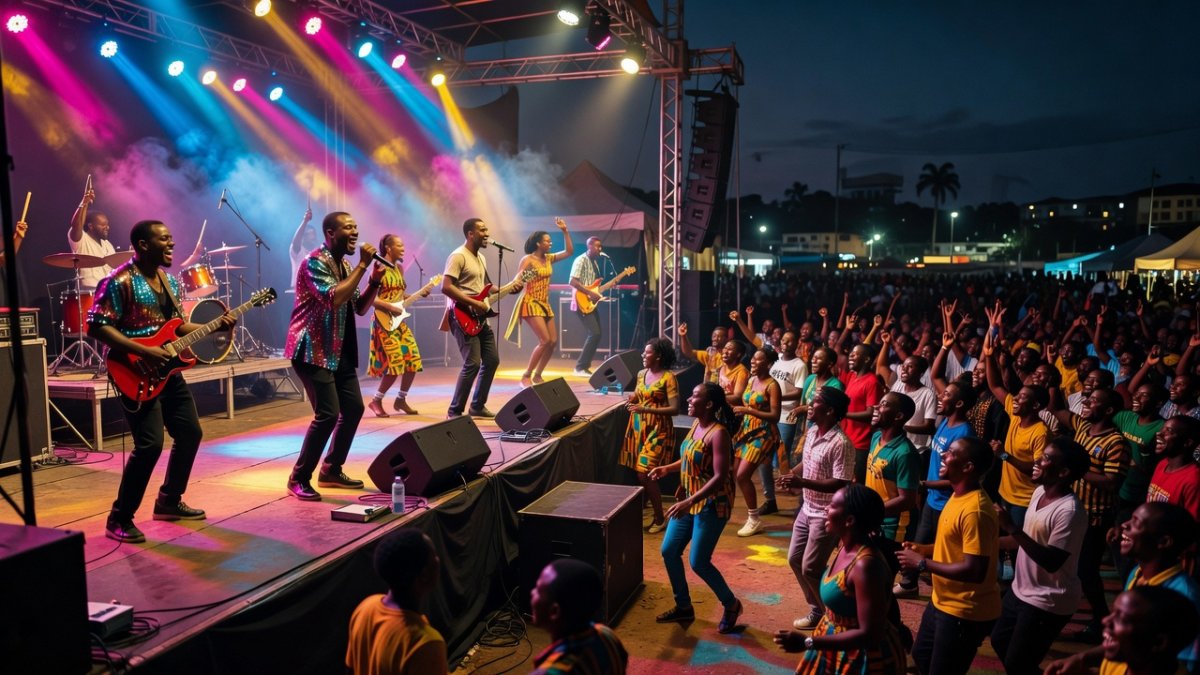
From the Streets of Dar es Salaam: The Birth of Bongo Flava
Saleh Jabir recorded the first Swahili hip-hop track in 1991, cleverly sampling Vanilla Ice to create a local flavor that immediately drew crowds in Dar es Salaam. This pioneering effort set the stage for what would become a defining sound, emerging from informal gatherings where young people experimented with rhymes in their mother tongue. The track's grassroots appeal highlighted how music could capture the everyday struggles and joys of Tanzanian life.
The "Yo! Rap Bonanza" event at the New Africa Hotel in Dar es Salaam became a landmark showcase, bringing together early talents and solidifying hip-hop's foothold in the city. Organizers transformed hotel spaces into vibrant stages where performers tested new material, fostering a sense of community among aspiring artists. This gathering marked a shift from private experimentation to public celebration of the emerging style.
Mike Mhagama coined the term "Bongo Flava" in 1996 during a broadcast on Radio One, combining "bongo" from the Swahili word ubongo meaning brain or hustle with "flava" to evoke distinctive flavor. The name perfectly encapsulated the genre's clever wordplay and energetic vibe, quickly catching on among listeners. Radio One DJ Taji Liundi, known as "Master T," had already been playing local hip-hop tracks since 1994, paving the way for this terminology to spread.
Early artists such as Kwanza Unit, Mr II known as Sugu, Nigga One, and Eazy B laid foundational recordings that defined the sound. Kwanza Unit's "Tucheze" and Mr II's "Chini ya Miaka 18" stood among the first widely circulated tracks, often dismissed by older generations as "kihuni" or thug music due to their bold social commentary. These works captured youthful defiance and creativity in equal measure.
Mac Muga's 1995 release "The Mac Mooger" pioneered grassroots cassette distribution, allowing music to reach remote areas without formal industry support. This method bypassed traditional gatekeepers and built a loyal fanbase through hand-to-hand sharing. Such innovations underscored the resourcefulness that continues to characterize Bongo Flava's evolution.
The Titans: Ali Kiba and Diamond Platnumz
Ali Kiba has built an impressive media empire through his ownership of Crown Media, which operates Crown FM and Crown TV, giving him direct control over content promotion. His strategic investments have allowed him to nurture talent while maintaining artistic independence. This business acumen has positioned him as both performer and industry leader in Tanzania's evolving music landscape.
Diamond Platnumz, whose full name is Naseeb Abdul Juma, founded the WCB Wasafi label, creating a platform that launched numerous careers and maintained high production standards. The label's roster has consistently delivered chart-topping releases that blend traditional elements with modern production. Diamond's vision has transformed Wasafi into a powerhouse synonymous with Bongo Flava excellence.
Ali Kiba's collaboration "Bhuju" with Mbosso topped East African charts in 2026, demonstrating the enduring appeal of his melodic style and storytelling. The track's success highlighted how veteran artists continue to innovate while mentoring younger voices. Its widespread radio play reinforced Bongo Flava's dominance in regional markets.
Harmonize began his career at WCB Wasafi before embarking on a successful solo path, illustrating the label's role as an incubator for talent. His departure and subsequent hits showed the genre's capacity for individual growth beyond collective structures. This trajectory has inspired many emerging artists to seek both mentorship and independence.
Diamond's "Jeje" from 2026 serves as an ongoing example of how established stars refresh their sound while staying true to Bongo Flava roots. The song's catchy hooks and relatable lyrics have kept fans engaged across generations. Such releases affirm the genre's commercial viability and artistic depth.
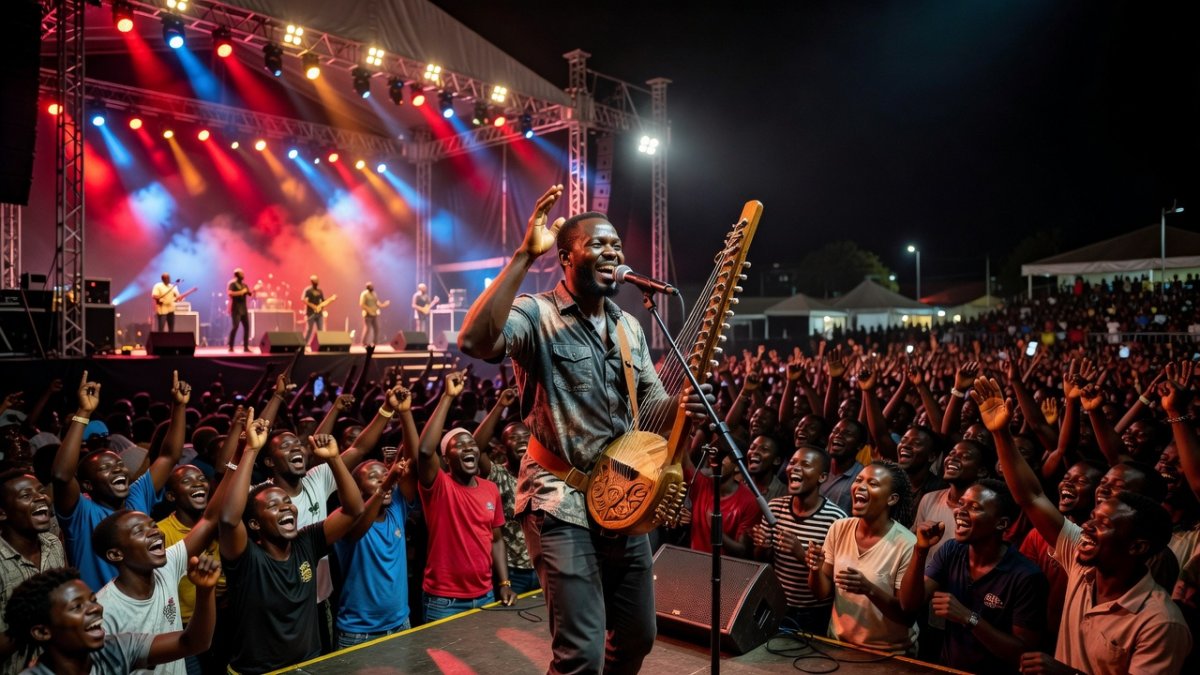
Bongo Flava Goes Global
Diamond Platnumz has performed in more than 20 countries, including South Korea, the UAE, the USA, and the UK, bringing Swahili rhythms to diverse audiences. These international tours have introduced Bongo Flava's unique fusion to listeners unfamiliar with East African sounds. Each performance builds bridges between cultures through energetic live shows.
Apple Music's 98-song Bongo Flava playlist has introduced the genre to global subscribers, curating tracks that showcase its range from classic hits to contemporary releases. This digital platform has accelerated discovery, allowing fans worldwide to explore the music at their convenience. The playlist's depth reflects the genre's rich catalog developed over decades.
Muchi Melo, a Switzerland-based Tanzanian artist, released a 16-track fusion album that merges Bongo Flava with European influences, expanding the genre's sonic boundaries. His work demonstrates how diaspora artists contribute fresh perspectives while honoring origins. Such projects highlight the music's adaptability in transnational contexts.
A French africanews article dated April 8, 2025, spotlighted Bongo Flava's rising profile, noting its appeal beyond traditional markets. The coverage emphasized how the genre's storytelling resonates with international listeners seeking authentic voices. This media attention has further propelled its global recognition.
Industry Challenges: Piracy and Infrastructure
Despite its popularity, Bongo Flava faces persistent piracy issues that undermine artists' earnings and discourage investment in new projects. Many creators rely on live performances and brand partnerships to sustain careers amid widespread unauthorized distribution. These challenges mirror struggles across African music industries where digital protections remain limited.
Inadequate recording infrastructure in Tanzania forces many artists to seek facilities abroad or work with makeshift setups, affecting production quality. Limited access to professional studios slows the pace of releases and raises costs for emerging talents. Overcoming these barriers requires sustained local investment and training programs.
Early distribution methods like cassette sharing evolved into today's streaming battles, yet revenue models still lag behind global standards. Artists must navigate complex licensing agreements while competing with international content. Building stronger industry frameworks remains essential for long-term sustainability.
A French africanews article published on April 8, 2025, titled "Tanzanie: le Bongo Flava, entre rayonnement international et fragilités locales," examined these very tensions. The piece noted that while Diamond Platnumz has successfully carried the genre onto global stages, the majority of Tanzanian artists confront piracy, lack of funding, and the absence of structured state support. Compared to Nigeria's more developed music industry infrastructure — which has propelled Afrobeats to worldwide dominance — Bongo Flava operates with far less institutional backing, making the achievements of its biggest stars all the more remarkable.
WCB Wasafi under Diamond Platnumz and Crown Media under Ali Kiba stand as rare examples of organised industry infrastructure in Tanzania. These ventures have created viable career paths for dozens of artists, producers, and video directors, but the sector as a whole still lacks the investment needed to nurture the next generation. Without stronger copyright enforcement and government recognition of music as an economic driver, many talented artists risk being left behind.
Radio play and live events continue to serve as vital lifelines, compensating for gaps in formal distribution networks. Community support through these channels keeps the genre vibrant despite economic hurdles. Collaborative efforts among artists help mitigate individual losses from piracy.
The Sound of East Africa: Cultural Impact
The Singeli subgenre, originating from Manzese in Dar es Salaam, adds a faster, more percussive dimension to Bongo Flava, reflecting neighborhood energy and innovation. This style has gained traction among younger listeners who appreciate its raw intensity. Singeli's rise illustrates the genre's ongoing internal evolution.
Swahili lyrics allow Bongo Flava to connect deeply with audiences across East Africa, preserving linguistic traditions while addressing contemporary issues. The language's reach of over 150 million speakers amplifies the music's cultural resonance. Themes of love, hustle, and social justice find universal echoes through this medium.
Early resistance labeling the music as "kihuni" has given way to widespread acceptance, as Bongo Flava now features in national celebrations and educational discussions. This shift demonstrates changing attitudes toward youth expression. The genre's maturation mirrors broader societal progress in valuing creative voices.
Cross-border collaborations have strengthened East African musical identity, with Bongo Flava influencing and being influenced by neighboring styles. Festivals and joint tours foster regional unity through shared artistic platforms. This interconnectedness enriches the cultural landscape for all participants.
In the broader tapestry of African music, Bongo Flava occupies a distinctive space alongside Senegal's Mbalax — the driving sabar rhythms that Youssou N'Dour carried to global audiences — Ghana's highlife, DR Congo's soukous, and South Africa's amapiano. Each genre tells its continent's story through its own rhythmic language. What sets Bongo Flava apart is its seamless weaving of Swahili lyricism with hip-hop energy, creating a sound that feels both deeply local and surprisingly universal. For a Senegalese observer, the parallels between Mbalax's journey from Dakar nightclubs to international acclaim and Bongo Flava's trajectory from Dar es Salaam streets to world stages are unmistakable.
What to Watch For
Emerging talents continue to build on foundations laid by pioneers, experimenting with new fusions that could redefine Bongo Flava's next chapter. Watch for increased integration with global genres while maintaining core Swahili elements. These developments promise exciting sonic explorations ahead.
Digital platforms like Apple Music will likely play larger roles in discovery, expanding playlists and algorithmic recommendations to reach new demographics. Artists are adapting by creating content optimized for short-form video and streaming metrics. This evolution could accelerate international breakthroughs.
Industry advocates are pushing for better copyright enforcement and infrastructure development to support sustainable careers. Government and private sector partnerships may address current gaps in training and facilities. Progress here would empower more creators to thrive locally.
Listeners can explore the genre through curated playlists and live performances that highlight both veterans and newcomers. Supporting official releases helps sustain the ecosystem that produced this vibrant sound. Bongo Flava's future looks bright as it continues to inspire across continents.
By Amara Diop, Staff WriterThis article was produced with AI-assisted research and editorial support. Reporting is based on sources cited in the article.
What's Your Reaction?
 Like
0
Like
0
 Dislike
0
Dislike
0
 Love
0
Love
0
 Funny
0
Funny
0
 Wow
0
Wow
0
 Sad
0
Sad
0
 Angry
0
Angry
0

West Africa/Sahel Correspondent at Global1.News. Dakar-based journalist covering politics, security, climate, and development across Francophone and Anglophone West Africa. Tells the stories of a region undergoing profound transformation.












Comments (0)