
Benin's Pottery Capital: The Women of Sè Keeping an Ancient Art Alive
In the quiet lowlands of south-western Benin, the village of Sè is a living museum of clay and fire, where generations of women have transformed earth into art. Known across the country as the pottery capital, this village carries forward a tradition that is as much about cultural identity as it is about livelihood. The potters of Sè, led by women like Solange Akakpo, are provi
In the quiet lowlands of south-western Benin, the village of Sè is a living museum of clay and fire, where generations of women have transformed earth into art. Known across the country as the pottery capital, this village carries forward a tradition that is as much about cultural identity as it is about livelihood. The potters of Sè, led by women like Solange Akakpo, are proving that the old ways still hold meaning in a rapidly modernising continent.
Benin's Pottery Capital: The Women of Sè Keeping an Ancient Art Alive
Dakar, Senegal — In Sè, a village in south-western Benin celebrated as the country's pottery capital, women are preserving a craft handed down through generations. From sourcing clay in Dota's lowlands to firing finished pieces in traditional kilns, each stage of the process is a testament to heritage, resilience, and the enduring power of artisanal knowledge in West Africa.
The Women Behind the Clay: Generations of Craftsmanship
Solange Akakpo, member of women's pottery association Akpénin Mahou in Sè, Benin, begins each morning by leading her group to the lowlands of Dota village where the distinctive red earth is dug with care. The Akpénin Mahou association represents collective women's enterprise that has sustained dozens of families for decades through shared labour and knowledge.
Skills are passed matrilineally from mothers to daughters, with young girls learning to recognise the exact texture of Dota clay that provides raw material with unique quality for pottery. This transmission ensures that techniques remain consistent across generations without written instructions.
The process starts when clay is dried and crushed into fine powder, then soaked in well water until it reaches a workable consistency before being mixed into smooth paste. No potter's wheel is used; instead, coiling, pinching, and hand-molding techniques shape each vessel by feel and memory alone.
Once formed, pieces rest in shade for 72 hours to prevent cracking, then dry in workshop for at least three weeks under careful supervision. Red clay applied before firing for beauty and finish gives the final surface its characteristic warm glow and protective layer.
The matriarchal knowledge transmission system means that elder women like Solange Akakpo oversee every stage, correcting apprentices until the quality meets the standards maintained for centuries. This system has kept the craft alive even as other villages have shifted to imported goods.
Women maintain quality across generations by testing each batch of clay for impurities and adjusting mixing ratios based on seasonal humidity, ensuring that every pot leaving Sè meets the same durability expected by customers in Cotonou and beyond.
Sè: The Village That Lives and Breathes Pottery
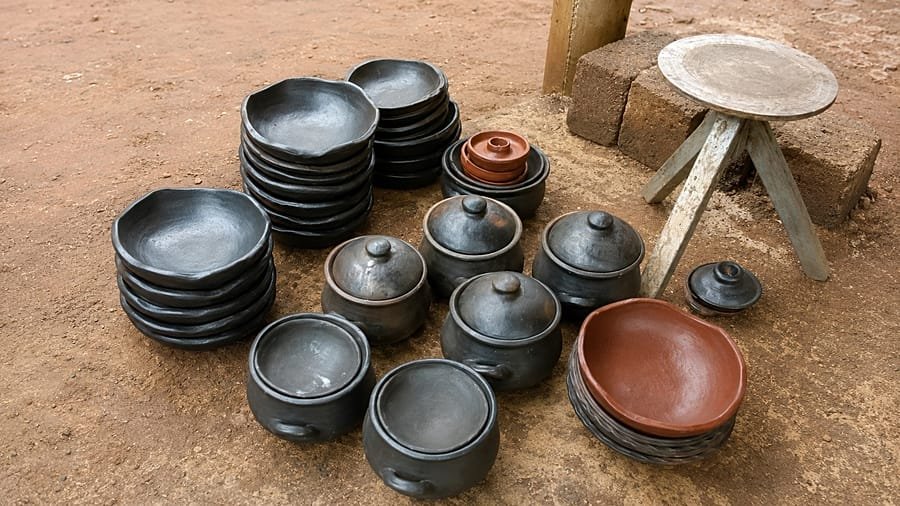
Sè, south-western Benin, celebrated as the country's pottery capital, displays finished pots along the road running through Sè, turning the main thoroughfare into an open-air gallery that greets every visitor. These displays include water jars, cooking pots, and decorative bowls stacked in neat rows under thatched shelters.
The economic importance of pottery to the village cannot be overstated, as nearly every household participates in some stage of production or sales, providing steady income where farming alone would fall short during dry seasons. Families rely on monthly earnings from these ceramics to cover school fees and medical needs.
Calixte Adankpo, finance manager at NGO Art and Development in Benin, has worked with the potters for five years to improve kiln efficiency and connect them with urban markets. His organisation supplies basic tools while respecting the women's control over design decisions.
The cultural identity of Sè shaped by clay means that children grow up surrounded by the smell of wet earth and the sound of hands slapping coils into shape. Visitors often remark that the village feels inseparable from its craft, with pottery motifs appearing on local clothing and even house walls.
Pottery defines the village to visitors and locals alike, serving as both livelihood and landmark that distinguishes Sè from neighbouring communities focused on agriculture or trade. Tourists stop specifically to watch the firing process and purchase pieces directly from the makers.
Pressures from urbanization, industrial alternatives, and plastic products have reduced some local demand, yet the women continue producing because their clay vessels last longer and carry cultural value that plastic cannot match. Many families now combine pottery with small vegetable gardens to diversify income.
From Workshop to Table: The Art of Clay Cooking
Christmine Edaye, Cotonou restaurant owner, orders jars and pots from Sè every month because clay pots retain heat and give food a different flavour that her customers recognise immediately. She notes that stews simmered in these vessels taste richer and require less oil than those cooked in metal.
Clay pots change food flavour through gentle, even heating that draws out natural sweetness from ingredients like tomatoes and okra, a quality that modern aluminium pots cannot replicate. Regular customers at her restaurant specifically request dishes prepared in Sè ceramics.
Orders received monthly from towns across Benin and abroad show the reach of Sè pottery, with shipments going to Lomé in Togo and even to Senegalese households in Dakar that value traditional cooking methods. These repeat orders provide stable revenue for the Akpénin Mahou association.
The functional and aesthetic value of the pottery allows the same vessel to serve both daily cooking and special occasions, with simpler forms used for millet porridge and more ornate pieces reserved for ceremonies. Each item carries subtle markings that identify the maker's family line.
Everyday vessels such as water coolers sit beside ceremonial items like ritual bowls used during naming ceremonies, showing how Sè pottery bridges practical needs and spiritual traditions. The women produce both types using the same hand techniques passed down for generations.
Sè pottery connects to broader West African earthenware traditions across Senegal, Mali, Togo, Nigeria, where similar hand-coiling methods produce cooking pots that communities have relied on long before imported cookware arrived. This shared heritage strengthens cultural ties during regional festivals.
Adapting Tradition for a Changing World
Potters gradually adapting to changing consumer patterns now produce smaller bowls suited to single-person households and larger platters for urban restaurants, while keeping the core hand-molding process unchanged. These adjustments help maintain sales without abandoning ancestral methods.
Innovation in designs while preserving core techniques includes adding subtle patterns inspired by local textiles, yet the women refuse to use glazes or wheels that would alter the authentic texture. Solange Akakpo insists that any new shape must still feel like Sè pottery in the hand.
Pressures from urbanization and younger generations have led some daughters to seek work in Cotonou, but those who remain receive support from the Akpénin Mahou association through shared childcare during firing days. This collective approach helps retain skilled hands in the village.
The potters balance tradition with contemporary market demands by offering custom sizes for export while refusing to compromise on the three-week drying period that ensures durability. Customers abroad appreciate the natural finish that no factory can duplicate.
Cultural tourism driving renewed interest in traditional crafts brings visitors who pay to watch demonstrations and purchase directly, providing extra income that funds community projects such as well maintenance. The women now schedule open workshops on market days to accommodate these guests.
The Festival of Masks in Porto-Novo promotes cultural heritage by featuring Sè pottery alongside dance performances, drawing attention from government officials who have begun including artisan support in national development plans. This visibility helps secure small grants for kiln repairs.
Benin's Wider Artisanal Renaissance
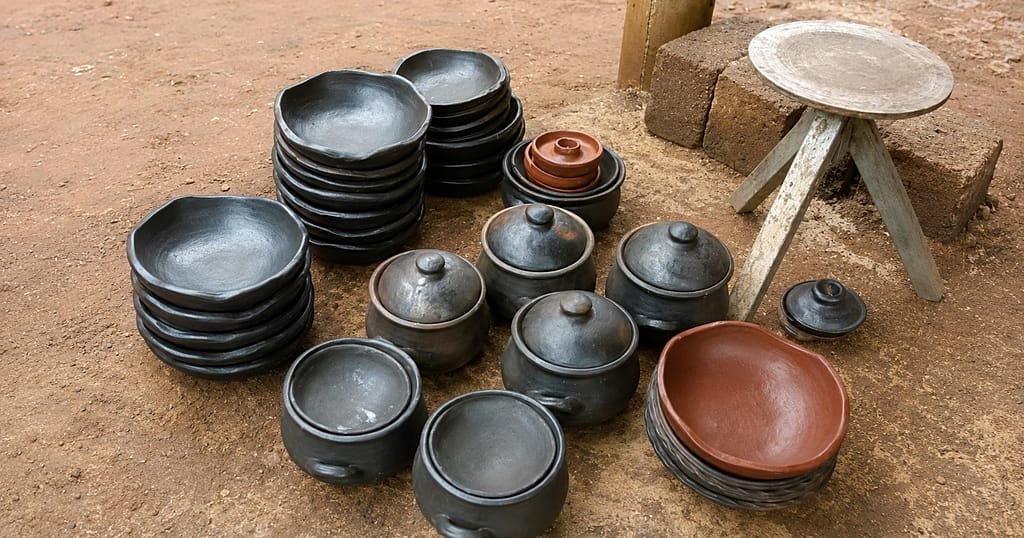
Sè within the broader context of Benin's artisanal heritage sits alongside metal casting using lost-wax brass and bronzework techniques in Abomey, beadwork traditions in the north, and wood carving that produces ceremonial stools still used in royal courts. Each craft reinforces the others through shared markets and festivals.
Nearby Sowé village's earthen architecture techniques mirror the clay knowledge of Sè potters, with homes built from the same Dota-sourced earth that creates durable walls resistant to seasonal rains. Artisans from both villages sometimes exchange techniques during joint training sessions.
The Festival of Masks in Porto-Novo promotes cultural heritage by showcasing pottery from Sè next to brass figures and carved masks, creating a living exhibition that educates younger Beninese about their diverse artistic roots. Attendance has grown steadily since the event expanded three years ago.
Benin's cultural tourism strategy now highlights Sè as a key stop on heritage routes, with the government promoting intangible heritage and artisan economies through radio programmes and school visits. These efforts aim to keep traditional skills economically viable for the next generation.
Sè pottery connects to West Africa's broader artisanal economy through networks that link potters in Senegal's Casamance region with those in Mali and Nigeria, allowing shared marketing at regional fairs. Senegalese potters often recognise the hand-coiling style of Sè pieces immediately.
The growing international interest in African handmade crafts has brought new buyers from Europe and North America who value the story behind each pot, from the Dota clay sourcing to the matrilineal teaching. This demand helps offset losses from plastic competition in local markets.
Preserving Heritage, Shaping the Future
What Sè's pottery tradition means for cultural preservation extends beyond economics to the maintenance of a distinct Beninese identity rooted in the earth itself. The women of Akpénin Mahou see each pot as a record of their mothers' hands and a promise to their daughters.
The balance between tradition and innovation allows the craft to evolve without losing its soul, as seen when potters add modern handles to classic water jars while keeping the red-clay finish that signals authenticity. This careful adaptation keeps the work relevant.
The women of Sè are role models for artisanal resilience, showing how collective organisation through the Akpénin Mahou association can protect knowledge even when individual families face economic hardship. Their example inspires similar groups in other West African villages.
The broader significance for African cultural heritage lies in Sè's demonstration that handmade crafts can thrive alongside modern life when communities retain control over their methods and materials. This lesson resonates strongly with Senegalese artisans facing similar pressures in Dakar markets.
Senegalese connections appear in shared pottery traditions where women in the Thiès region also source local clay and fire without wheels, creating vessels that echo the forms produced in Sè. Exchanges between these communities strengthen regional pride in earthenware.
The future of Sè pottery as both craft and livelihood depends on continued support for cultural tourism and government promotion of intangible heritage. With upcoming opportunities at the Festival of Masks in Porto-Novo and growing export interest, the women remain hopeful that their clay will continue to shape both meals and memories for generations to come.
By Amara Diop, Staff Writer
This article was produced with AI-assisted research and editorial support. Reporting is based on sources cited in the article.
What's Your Reaction?
 Like
0
Like
0
 Dislike
0
Dislike
0
 Love
0
Love
0
 Funny
0
Funny
0
 Wow
0
Wow
0
 Sad
0
Sad
0
 Angry
0
Angry
0

West Africa/Sahel Correspondent at Global1.News. Dakar-based journalist covering politics, security, climate, and development across Francophone and Anglophone West Africa. Tells the stories of a region undergoing profound transformation.












Comments (0)