
Beaufort Castle Capture: Israel's Lebanon Push and the Human Cost
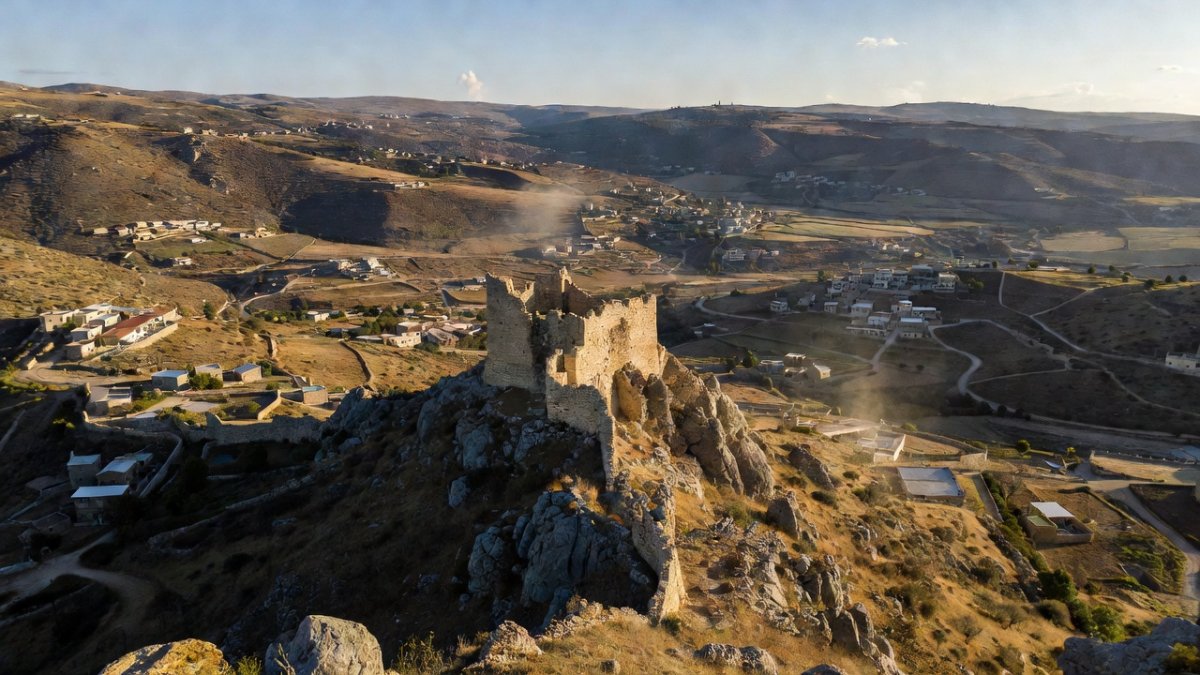
In a recent Middle East Eye report examining the capture of Beaufort Castle, former Palestinian military commander Mueen Al-Taher reflects on the operation's roots in historical symbolism rather than purely tactical gains. The 900-year-old Crusader fortress, known locally as Qalaat Al-Chakif, sits on a strategic ridge in southern Lebanon. Israeli forces took control of the site
In a recent Middle East Eye report examining the capture of Beaufort Castle, former Palestinian military commander Mueen Al-Taher reflects on the operation's roots in historical symbolism rather than purely tactical gains. The 900-year-old Crusader fortress, known locally as Qalaat Al-Chakif, sits on a strategic ridge in southern Lebanon. Israeli forces took control of the site and surrounding area around June 1, 2026, during an expanded ground operation. Netanyahu described the move as a dramatic shift in policy, while the IDF later announced the discovery of an extensive Hezbollah tunnel network beneath the ridge, reportedly built with Iranian support.
Historical Echoes of 1982
Beaufort Castle carries deep historical weight for communities across the region. Israeli forces previously controlled the fortress from 1982 until their withdrawal in 2000. During the 1982 invasion, the castle was seized after intense fighting with Palestinian fighters positioned in the Nabatieh-Beaufort area. Al-Taher, who served as a commander there at the time, notes that the current operation revives patterns from that earlier period. The site's elevated position once offered observation advantages, yet he emphasizes that modern surveillance technology reduces its direct military utility today. Still, the location could function as a forward base supporting further advances toward the Nabatieh plateau.
Immediate Military Developments
Israeli authorities reported uncovering the tunnel network on June 7. The discovery was presented as evidence of Hezbollah's infrastructure in the area. Al-Taher argues that while the tunnels represent a significant engineering effort, the castle itself holds limited operational value in contemporary warfare compared with its role in earlier decades. The seizure nevertheless allows Israeli forces to establish a visible presence on high ground, potentially facilitating monitoring of movements across adjacent valleys. These developments occur alongside ongoing exchanges of fire between Iran and Israel, as well as Houthi statements designating Israeli-linked vessels as military targets in the Red Sea.
Displacement and Civilian Hardship
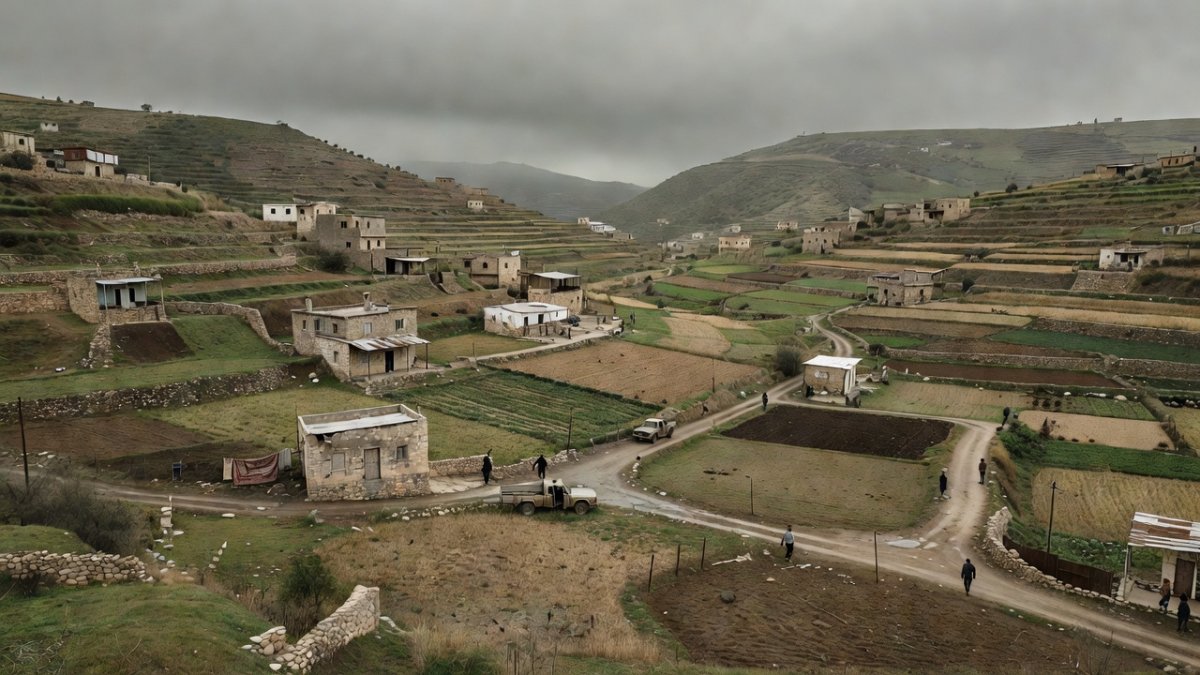
Evacuation orders issued for nine villages in southern Lebanon have prompted thousands of residents to leave their homes. Families have sought safety in neighboring areas, disrupting daily routines, agricultural work, and access to local markets. An Israeli strike near a hospital in Tyre wounded 13 staff members, further straining medical services already under pressure. These events echo the lived experiences of communities that have faced repeated cycles of conflict and displacement. Palestinian voices, including those of veterans like Al-Taher, connect the current situation to the broader history of occupation and forced movement that has affected generations in Lebanon and the occupied Palestinian territories.
Ceasefire Efforts and Regional Context
Hezbollah has rejected a US-backed ceasefire proposal. The decision reflects ongoing mistrust and the absence of guarantees addressing core security concerns for communities in southern Lebanon. Regional escalation continues, with direct exchanges between Iran and Israel adding layers of complexity. Local economies in affected Lebanese villages rely heavily on agriculture and cross-border trade; prolonged fighting threatens both. Palestinian analysts note that such instability reverberates beyond immediate battlefields, influencing political dynamics and daily life for families already navigating restrictions on movement and access to resources.
Strategic Outlook and Human Costs
Al-Taher maintains that the operation's primary driver appears symbolic, reviving memories of the 1982 campaign. While the castle may serve limited forward positioning purposes, its capture does not alter the fundamental challenges of achieving lasting security for civilians on either side of the border. Continued displacement, damage to civilian infrastructure, and interrupted access to healthcare underscore the human dimension of these military moves. Figures on total numbers of displaced persons were not immediately available from official sources. Observers stress the need for de-escalation measures that prioritize protection of non-combatants and respect for international humanitarian standards.
The capture of Beaufort Castle therefore sits within a wider pattern of escalation whose long-term effects on Palestinian and Lebanese communities remain to be seen. Historical memory, current military actions, and civilian realities intersect at this ancient site, reminding observers that policy decisions carry consequences measured in disrupted lives and prolonged uncertainty.
By Fatima Al-Rashid, Staff Writer
This article was produced with AI-assisted research and editorial support. Reporting is based on sources cited in the article.
What's Your Reaction?
 Like
0
Like
0
 Dislike
0
Dislike
0
 Love
0
Love
0
 Funny
0
Funny
0
 Wow
0
Wow
0
 Sad
0
Sad
0
 Angry
0
Angry
0

Gulf/MENA Correspondent at Global1.News. Based in Doha, covering Gulf politics, energy markets, diplomacy, and development across the Middle East and North Africa. Tracks the economic transformation of the Gulf states.











Comments (0)