
Japan Deploys AI Drones and Robots Against Record Bear Attacks
Japan is deploying a suite of advanced technology solutions — AI-powered image recognition, remotely operated drones, and animatronic deterrent robots — to address a record surge in bear attacks across the country's northeastern prefectures. The interventions, developed by major telecom firms and a Hokkaido-based manufacturer, reflect Japan's broader strategy of applying cuttin
Japan is deploying a suite of advanced technology solutions — AI-powered image recognition, remotely operated drones, and animatronic deterrent robots — to address a record surge in bear attacks across the country's northeastern prefectures. The interventions, developed by major telecom firms and a Hokkaido-based manufacturer, reflect Japan's broader strategy of applying cutting-edge innovation to pressing social challenges under the Society 5.0 framework.
Japan Deploys AI, Drones and Robots Against Record Bear Attacks
Tokyo, Japan — June 8, 2026 — The Ministry of the Environment recorded 238 bear casualties, including 13 fatalities, in fiscal 2025 — the highest total since record-keeping began in 2006. Four additional deaths occurred between April and June 2026 in Iwate, Yamagata, and Akita prefectures. On 8 June 2026, Utsunomiya closed nearly 100 schools after a single bear sighting. These figures reflect a sharp rise in human-bear encounters across northeastern Japan, where 70 percent of attacks took place.
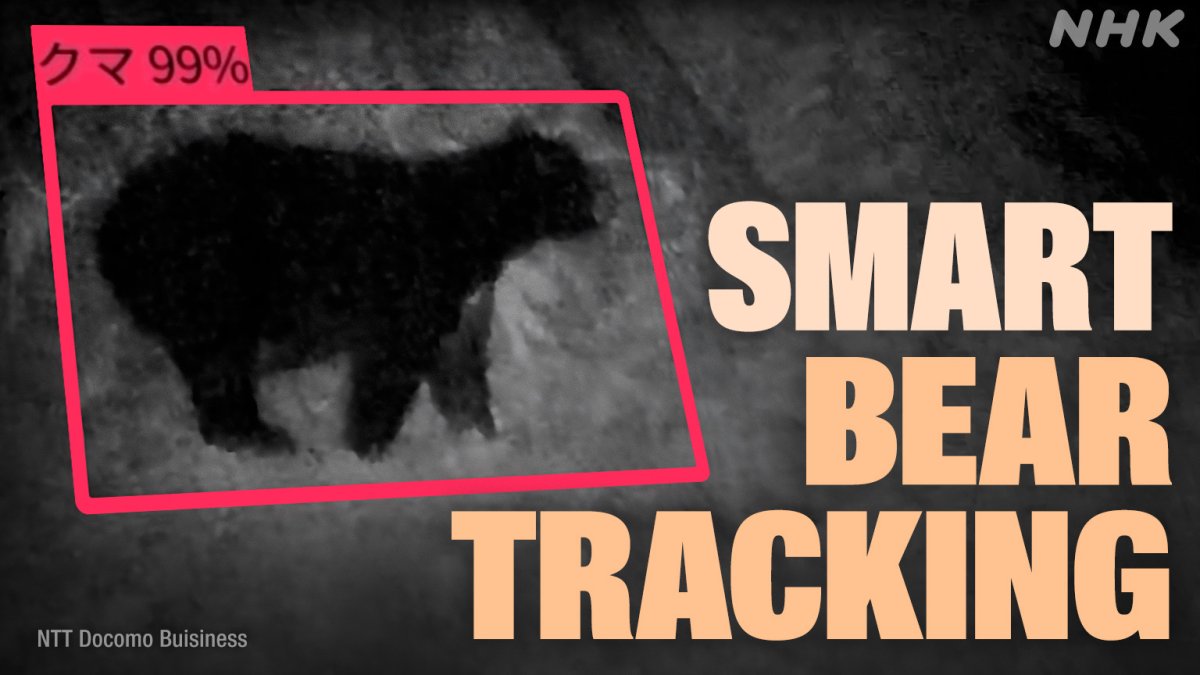
AI Image Analysis Deployed in Fukushima Village
Showa Village in Fukushima Prefecture, home to roughly 1,000 residents, began using an AI-powered image analysis service from NTT Docomo Business in April 2026. Trail cameras automatically capture images when animals pass. The AI identifies bears with 99.9 percent accuracy and immediately sends email alerts to village officials, police, and fire services.
Sugawara Yoko of NTT Docomo Business stated that the system has been refined specifically to identify bears and is ready for immediate use. Village official Igarashi Kuniaki noted that bear captures rose from approximately 30 per year to 95 last year, making the technology a practical tool for monitoring remote areas where human patrols are increasingly difficult to maintain.
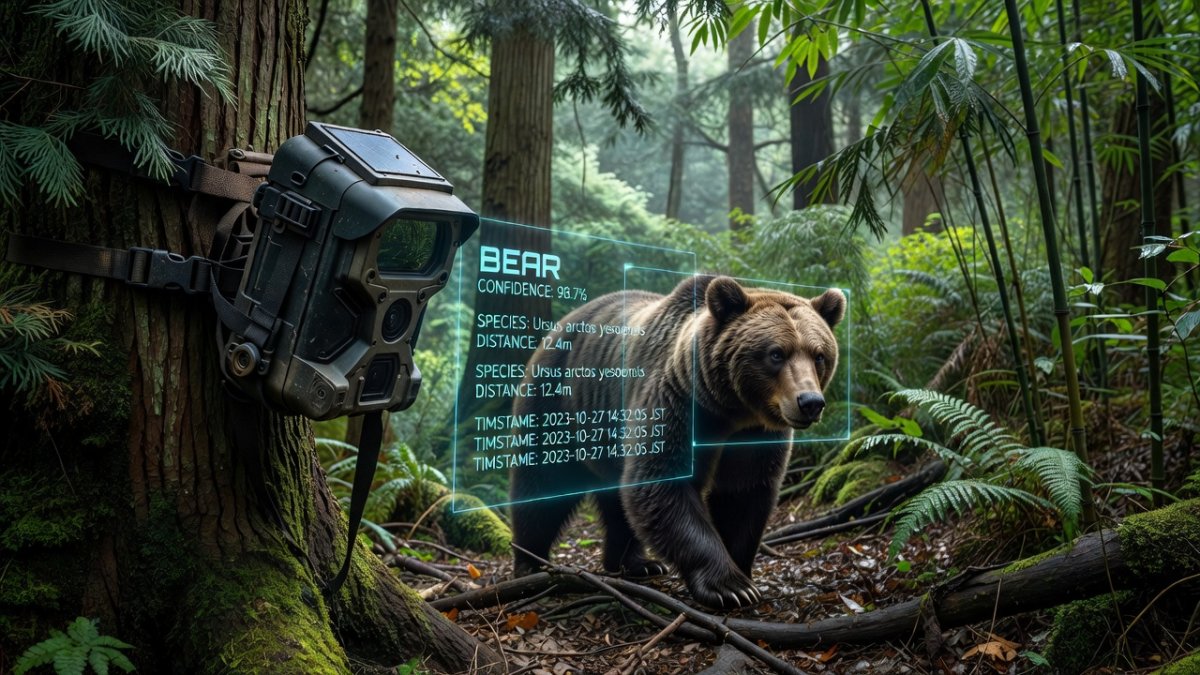
Remote Drone Surveillance Operated from Tokyo Control Center
In Shintotsukawa, Hokkaido, KDDI SmartDrone conducts drone operations from its Tokyo control center, 900 kilometres away. When a sighting is reported, a drone launches within ten minutes and tracks the bear using thermal cameras through dense vegetation until hunters or police arrive. CEO Hirono Masafumi explained that the system helps maintain essential services despite rural population decline. The partnership agreement was signed in December 2025, with a drone port installed at the town hall.
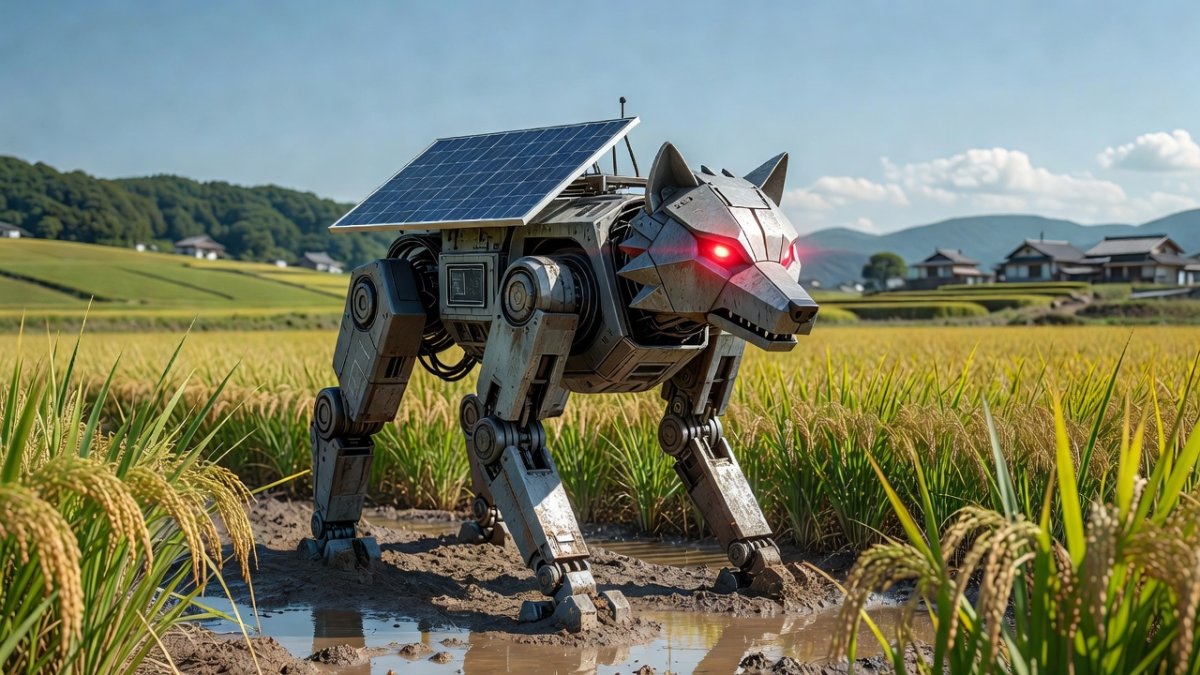
Animatronic "Monster Wolf" Devices Deter Wildlife
The solar-powered Monster Wolf robot, manufactured by Hokkaido-based Ohta Seiki, stands 50 centimetres tall and 65 centimetres long. Motion sensors trigger infrared activation, causing red eyes to glow, the head to turn, blue LED lights to flash, and approximately 50 different sounds — including howls and human voices — to play at volumes audible up to one kilometre. Demand for these units has increased sharply following the surge in bear incidents. Bears killed 13 people nationwide in the 2025-2026 season, more than double the previous record.
Society 5.0 Framework Guides National Response
Japan's approach aligns with the Society 5.0 vision promoted by the government, which integrates advanced technologies — AI, robotics, IoT, and remote operations — to solve demographic and environmental challenges. Climate-driven acorn shortages, rural depopulation, and expanding bear habitats have combined to increase encounters. The Environment Ministry continues to track incidents while local governments test these targeted technological interventions. The solutions represent a practical application of Japan's strategy to use technology as a force multiplier in communities with shrinking workforces.
Implications for Asia Pacific Wildlife Management
These systems allow small municipalities with limited staff to maintain rapid response capabilities. Early data from Showa Village and Shintotsukawa suggest faster detection and reduced response times. Continued evaluation will determine how widely the technologies can be scaled across other prefectures facing similar pressures. The Japanese model may offer lessons for other Asia Pacific nations grappling with increasing human-wildlife conflict driven by climate change and land-use shifts.
What to Watch For
As bear activity intensifies during the summer and autumn months, the effectiveness of these technology-driven countermeasures will face their most rigorous tests. The Environment Ministry is expected to release updated casualty figures for fiscal 2026 later this year. The broader adoption of AI monitoring systems by additional municipalities will indicate whether Japan's technology-led approach to wildlife management gains traction as a scalable national model.
By Kenji Tanaka, Staff Writer
This article was produced with AI-assisted research and editorial support. Reporting is based on sources cited in the article.
What's Your Reaction?
 Like
0
Like
0
 Dislike
0
Dislike
0
 Love
0
Love
0
 Funny
0
Funny
0
 Wow
0
Wow
0
 Sad
0
Sad
0
 Angry
0
Angry
0

Japan Correspondent at Global1.News. Tokyo-based voice covering Japanese politics, technology, economy, and culture. Tracks the intersection of tradition and innovation in one of the world's most dynamic societies.















Comments (0)