
Ukraine Strikes Wildberries Warehouses, Killing 8
In a recent BBC News report, details emerged of a devastating Ukrainian drone operation targeting two warehouses belonging to Wildberries, Russia's largest online retailer. Eight people were killed and 62 injured in strikes on facilities in Tambov and Elektrostal, marking one of the most significant Ukrainian attacks on Russian logistics infrastructure this year.
In a recent BBC News report, details emerged of a devastating Ukrainian drone operation targeting two warehouses belonging to Wildberries, Russia's largest online retailer. Eight people were killed and 62 injured in strikes on facilities in Tambov and Elektrostal, marking one of the most significant Ukrainian attacks on Russian logistics infrastructure this year.
Ukraine Strikes Russian Wildberries Warehouses: 8 Dead in Logistics Blow
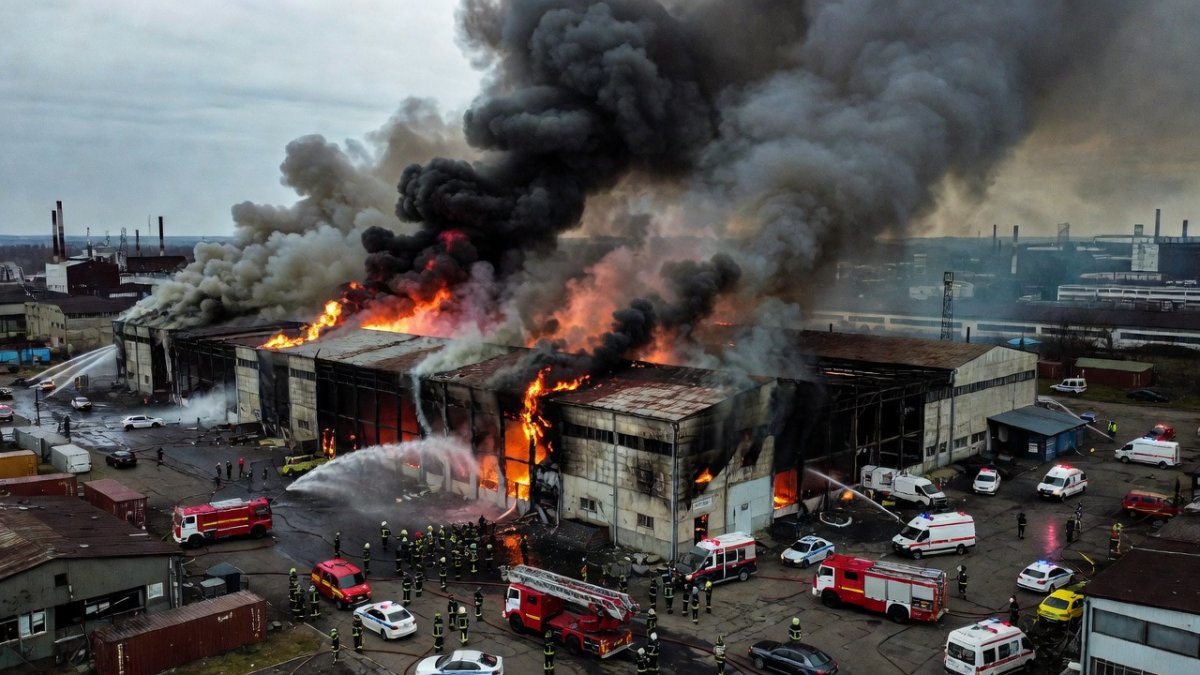
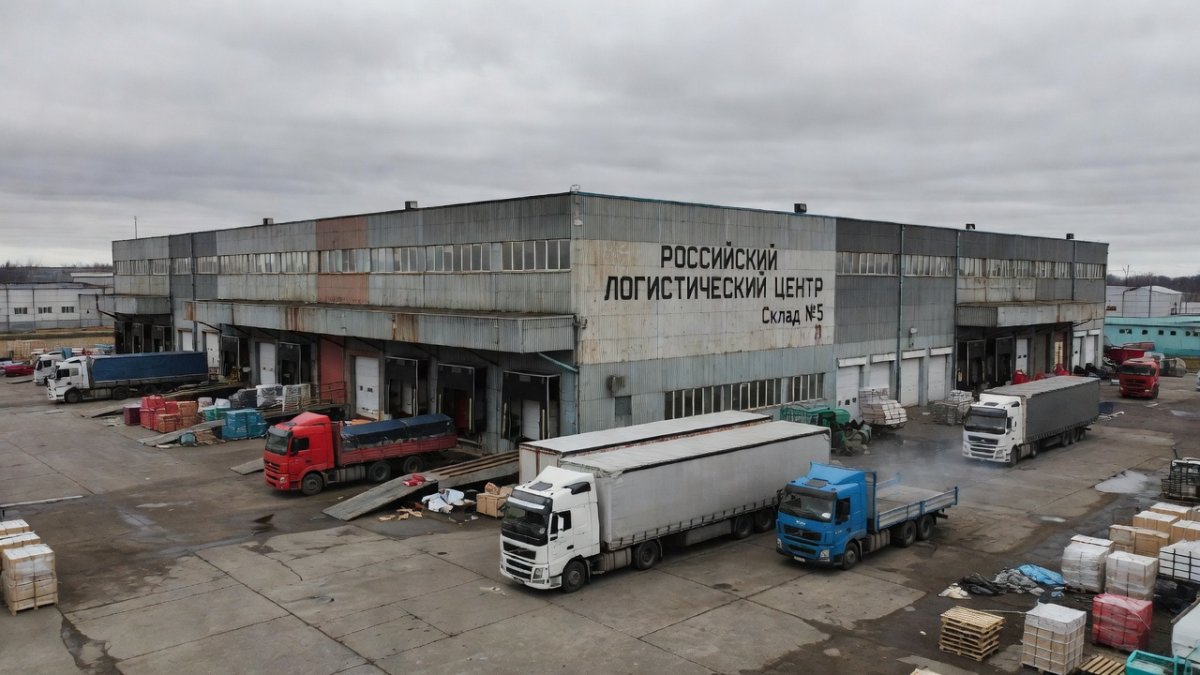
Kyiv, Ukraine — 18 July 2026 — Ukrainian drones struck two warehouses operated by Wildberries, Russia's largest online retailer, in a coordinated overnight attack that killed eight people and wounded 62 others, according to Russian officials. The strikes targeted facilities in the city of Tambov, approximately 475 kilometres south-east of Moscow, and in Elektrostal in the Moscow region, hitting what Ukrainian President Volodymyr Zelensky described as "major logistics facilities" used to supply sanctioned components for drone production and navigation equipment.
The Tambov and Elektrostal Strikes: Toll and Response
Seven deaths and 25 injuries occurred at the Wildberries warehouse in Tambov, where governor Evgeniy Pervyshov confirmed that workers on the night shift were killed on the spot. Writing on Telegram, Pervyshov stated that 28 drones were shot down on approach to the region and described the attack as the "largest and most inhumane" to strike Tambov in terms of both the number of drones used and the casualty count. Most of the 25 injured suffered shrapnel wounds, with seven listed in serious condition.
At the Elektrostal facility in the Moscow region, one person was killed and 37 injured. Governor Andrei Vorobyov reported that eight of those wounded were in serious condition. A total of 48 drones were intercepted in the Moscow region overnight, Vorobyov said. He added that a Russian oil depot was also struck by a falling drone — an incident he described as having "the most serious consequences" — though he did not detail the extent of the damage. Firefighters, emergency services, and personnel from the Ministry of Emergency Situations remain at the scene.
Wildberries CEO Tatyana Kim, one of Russia's first female billionaires, described the overnight assault as a "terrible night" for both the company and the country. The merged RWB group — combining Wildberries with advertising company Russ — was valued at approximately $12.6 billion by Forbes Russia in 2026, underscoring the economic significance of the company targeted.
Zelensky's Military Rationale and the Broader Campaign
Ukrainian President Volodymyr Zelensky confirmed that the strikes were aimed at disrupting Russian military logistics, stating that the Wildberries warehouses had been used to supply sanctioned components for drone production and navigation equipment. He added that Ukraine had also struck targets in the Sea of Azov, the Black Sea, and Russian-annexed Crimea as part of a broader coordinated operation.
Zelensky framed the attacks as a direct response to ongoing Russian strikes on Ukrainian civilian infrastructure. Overnight into Wednesday, 14 people were killed in Russian attacks across Ukraine, he said. The Ukrainian president has consistently characterised strikes on Russian logistics and energy infrastructure as legitimate military actions, arguing that Moscow relies on these networks to sustain its full-scale invasion, which began in February 2022.
Wildberries as a Military Logistics Target
Serhii Kuzan, chairman of the Ukrainian Security and Cooperation Centre, told the BBC that Wildberries was a "vital component" of Russian logistics. The company's online marketplace allowed Russian volunteers to purchase military equipment such as walkie-talkies, body armour, and drone components directly through its platform. Ukrainian planners therefore view the retailer as a legitimate military target because its distribution network funnels dual-use goods into the defence supply chain. Sanctioned electronics purchased via Wildberries have reportedly reached Russian defence factories, enabling production of navigation systems and unmanned aerial vehicles used against Ukrainian forces.
The dual-use goods argument rests on the reality that everyday consumer electronics sold on the platform include components essential for military drones and communications gear. Ukrainian intelligence assessments indicate that volunteer procurement networks rely heavily on Wildberries for rapid acquisition and delivery of these items across Russia. By striking the warehouses, Kyiv aims to sever this channel rather than limit attacks to front-line military assets alone. This approach mirrors Russia's own targeting of Ukrainian postal services and electronics distributors since the February 2022 invasion began.
Kuzan emphasised that the strikes reflect a deliberate strategy to degrade Russia's rear-area support structures. The retailer’s vast logistics footprint makes it difficult for Moscow to shield every facility contributing to the war effort. Ukrainian officials maintain that such actions comply with international law when facilities demonstrably support military operations, even if they also serve civilian customers.
Economic and Psychological Impact on Russia
The $12.6 billion valuation of the RWB group highlights the scale of economic disruption caused by the strikes on Russia's largest e-commerce platform. Wildberries handles millions of orders daily, and damage to two major warehouses will force rerouting of shipments and temporary closures that affect both civilian consumers and military procurement networks. Russian officials have not released updated figures on lost revenue, yet the incident underscores vulnerabilities in domestic supply chains already strained by Western sanctions.
The psychological effect on Russian society appears equally significant. Citizens accustomed to convenient online shopping now witness destruction of familiar infrastructure, which Serhii Kuzan argues could gradually erode continued public support for the war. Similar logistics strikes by Russia against Ukrainian postal and distribution centres since 2022 produced comparable civilian hardship, illustrating the mirror-image nature of these campaigns.
Analysts note that sustained pressure on e-commerce giants like Wildberries may amplify domestic discontent without requiring direct battlefield victories. The visibility of such attacks inside Russia differentiates them from distant front-line losses reported through state media.
Escalating Drone Campaign and Russia's Fuel Crisis
The Wildberries strikes connect directly to Ukraine's intensified long-range drone campaign against Russian energy infrastructure. Earlier this month Kyiv claimed that 43 percent of Russia's oil refining capacity had been disabled through repeated attacks. President Vladimir Putin made a rare admission in June that Ukrainian strikes had caused fuel shortages, prompting him to sign legislation in early July aimed at boosting domestic supply and curbing exports.
The incidental strike on an oil depot in the Moscow region during the Wildberries operation forms part of this wider pattern. Fuel shortages have since spread across Crimea, southern Russia, Siberia, and even the capital itself. Motorists report long queues at filling stations, while agricultural and transport sectors face rising costs that threaten to ripple through the broader economy.
Russian authorities have responded with emergency measures, yet the persistence of shortages reveals limits in the country's ability to protect dispersed energy assets. Ukrainian planners continue to prioritise these targets because they impose immediate, visible costs on Russian civilians and industry alike.
Analysis — The Strategic Logic Behind the Wildberries Strikes
The Wildberries operation demonstrates Ukraine's evolving doctrine of striking deep inside Russian territory at economic and logistics targets that sustain the war effort. These are not tactical battlefield strikes but strategic operations designed to impose costs on Russia's war economy and domestic stability. The psychological dimension — Russian civilians seeing their shopping infrastructure destroyed — creates domestic pressure that battlefield losses alone do not generate.
The strikes also signal that Ukraine can and will target any facility in Russia that contributes to the military effort, regardless of its civilian-facing purpose. By focusing on dual-use infrastructure, Kyiv seeks to raise the overall price of continued aggression for Russian decision-makers and the population that supports them.
President Volodymyr Zelensky has framed such actions as necessary responses to Russian attacks on Ukrainian energy and logistics networks. The approach reflects a calculated effort to shift the conflict's burden back onto Russian territory while avoiding direct escalation against purely civilian sites.
What Comes Next — Escalation Risks and Diplomatic Prospects
The trajectory of Ukraine's long-range strike campaign suggests further escalations as Kyiv develops more capable drones and gains access to longer-range Western systems. Russia's ability to protect critical infrastructure across its vast territory remains limited, and the psychological and economic toll is mounting. Continued strikes on logistics hubs could intensify pressure on the Kremlin to seek negotiations.
However, the strikes also risk provoking Russian retaliation against Ukrainian decision-making centres and critical infrastructure. President Vladimir Putin has repeatedly warned of severe responses to attacks on Russian soil. The diplomatic landscape remains uncertain, with Ukraine insisting on the legitimacy of striking military-supporting infrastructure on Russian territory while Western partners weigh the implications of deeper escalation.
By Irina Volkov, Staff WriterThis article was produced with AI-assisted research and editorial support. Reporting is based on sources cited in the article.
What's Your Reaction?
 Like
0
Like
0
 Dislike
0
Dislike
0
 Love
0
Love
0
 Funny
0
Funny
0
 Wow
0
Wow
0
 Sad
0
Sad
0
 Angry
0
Angry
0

Russia/Eastern Europe Correspondent at Global1.News. Covering Russian politics, energy, security, and the shifting dynamics of the post-Soviet space. Provides clear-eyed analysis on one of the world's most opaque regions.












Comments (0)