
B-52 Bomber Crash at Edwards Air Force Base, California
The Immediate Aftermath of the Edwards Air Force Base Incident A B-52 bomber crashed shortly after takeoff at Edwards Air Force Base in Southern California's Mojave Desert, with emergency crews responding to the scene around 11:20 a.m. local time. Video footage captured a plume of black smoke rising from the desert floor, while the airfield was promptly closed and all inbound a
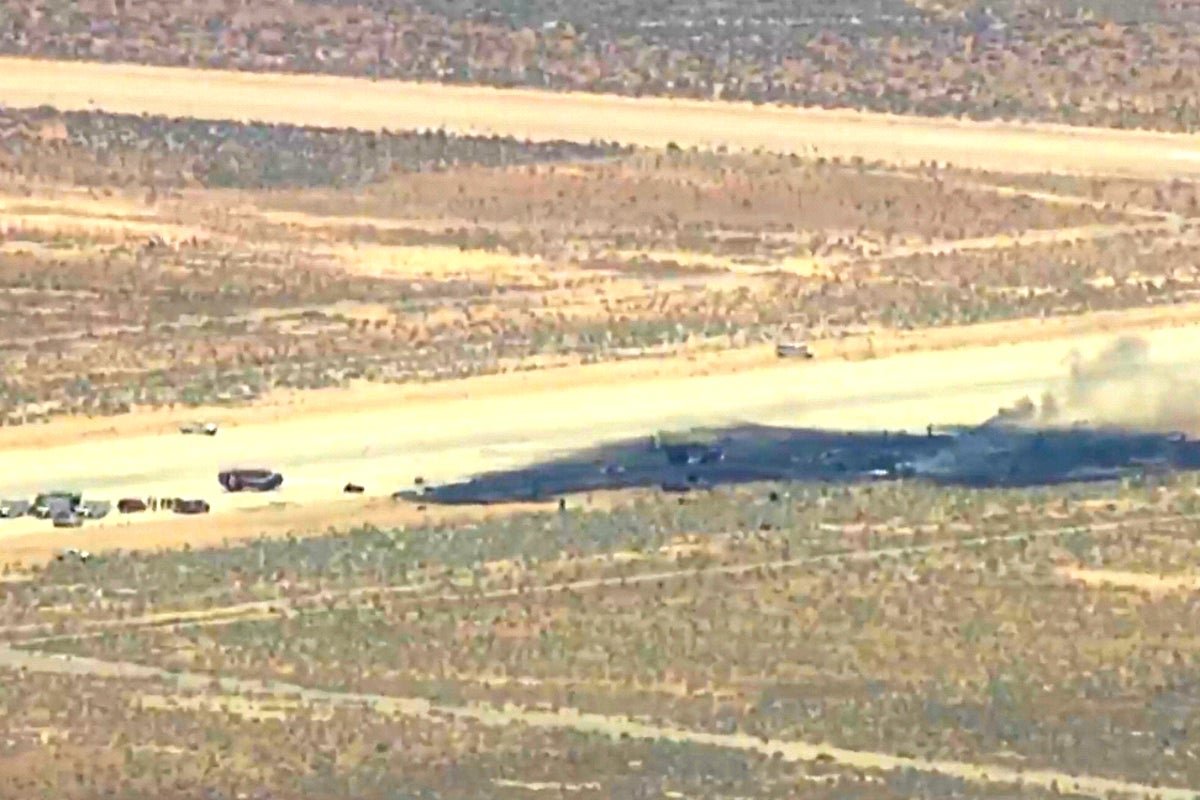
The Immediate Aftermath of the Edwards Air Force Base Incident
A B-52 bomber crashed shortly after takeoff at Edwards Air Force Base in Southern California's Mojave Desert, with emergency crews responding to the scene around 11:20 a.m. local time. Video footage captured a plume of black smoke rising from the desert floor, while the airfield was promptly closed and all inbound aircraft diverted. Non-commercial visitor passes were suspended as a direct precaution. Officials have yet to release details about any deaths or injuries, leaving the full human impact unclear at this stage.
The charred runway in Kern County remained visible in subsequent images, with smoke still billowing hours later. This event unfolded at a facility roughly 100 miles north of Los Angeles, home to the 412th Test Wing, where testing and operational activities intersect on a daily basis. The timing, coming almost a year after a regional airliner over North Dakota made an unexpected sharp turn to avoid a possible midair collision with a B-52, has prompted renewed scrutiny of airspace management around these aircraft.
Profile of the Boeing B-52 Stratofortress
The Boeing B-52 Stratofortress, typically crewed by five people, stands as a long-range bomber that entered service in 1955. Designed to carry both conventional and nuclear weapons, it has featured in conflicts from the Vietnam War through to recent operations in the Middle East. Its endurance and payload capacity have kept it relevant despite successive generations of newer platforms entering service.
During Desert Storm the aircraft delivered 40 percent of all weapons dropped by coalition forces, underscoring its central contribution to large-scale air campaigns. The type's continued presence at bases such as Edwards reflects ongoing requirements for heavy bomber testing and evaluation within the United States Air Force inventory.
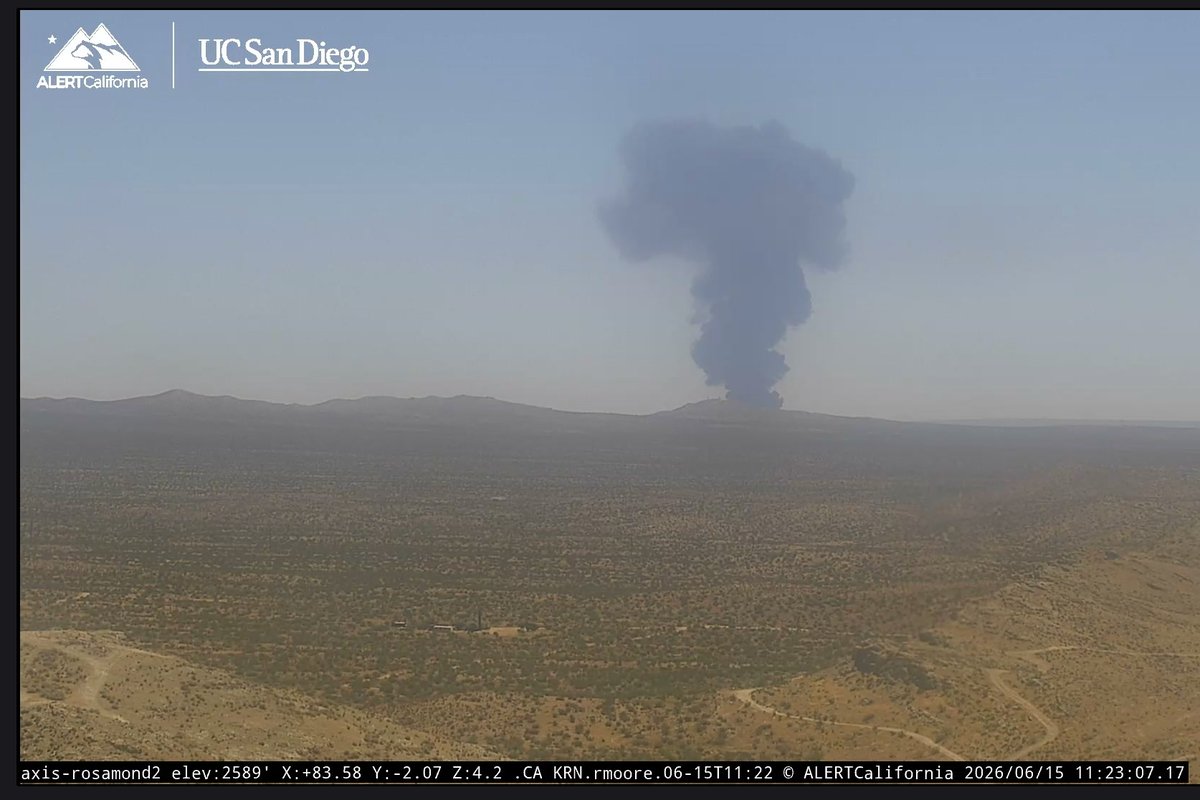
Geopolitical Context Surrounding Recent Deployments
The crash occurs against a backdrop of B-52 deployments in support of President Donald Trump's war with Iran, which began at the end of February. On Monday President Trump claimed that a peace deal with Tehran is "all signed", introducing an element of diplomatic movement even as military assets remain active in the region. The precise linkage between the Edwards incident and these operations remains unstated by officials, yet the timing invites examination of how forward-deployed bomber fleets are sustained.
Representative Vince Fong, who serves the community, wrote on X that people should join him in praying for the B-52 crew at Edwards Air Force Base. Such public statements from elected representatives highlight the local dimension of what is otherwise a national-level military occurrence, particularly in areas where bases form an integral part of the regional economy and identity.
Strategic Ties Between US Bomber Operations and the United Kingdom
B-52 deployments to RAF Fairford have long formed a staple of US-UK strategic cooperation, allowing the aircraft to operate from British soil during exercises and contingencies. These rotations strengthen interoperability between the Royal Air Force and United States Air Force, particularly in areas of long-range strike planning and European theatre support. The presence of such aircraft at Fairford has historically provided visible reassurance to NATO allies while enabling rapid response options across the Atlantic.
Any incident involving the type therefore carries implications that extend beyond American territory. UK military planners monitor B-52 availability closely because the platform's reach complements British assets in joint operations. The Edwards crash, while occurring on US soil, serves as a reminder of the shared maintenance and readiness challenges that affect both nations when these ageing yet capable bombers remain central to deterrence postures.
Operational and Safety Considerations at Test Facilities
Edwards Air Force Base functions as a primary site for evaluating new systems and maintaining the operational edge of legacy platforms such as the B-52. The closure of the airfield and diversion of inbound traffic illustrate the immediate ripple effects on testing schedules and training programmes. Investigators will now examine flight data, maintenance records and crew procedures to determine contributing factors, though no timeline for preliminary findings has been announced.
The incident also revives discussion about the balance between sustaining older aircraft and introducing replacements. With the B-52 fleet continuing to perform missions decades after its original design parameters were set, questions of structural integrity and systems reliability persist across both US and allied planning circles. British defence officials, accustomed to coordinating with American counterparts on Fairford rotations, will follow the investigation for any lessons applicable to joint training regimens.
Broader Implications for Transatlantic Defence Posture
The event at Edwards underscores the enduring role of heavy bombers within contemporary force structures, even as diplomatic channels appear to signal a possible reduction in tensions with Iran. For the United Kingdom, whose own strategic reach depends partly on access to American long-range capabilities, the reliability of the B-52 fleet carries direct relevance to contingency planning. Continued cooperation at sites such as RAF Fairford will likely remain a visible expression of that partnership regardless of the investigation outcome.
Public attention in both countries may now turn to how quickly the airfield can resume normal operations and whether additional safety measures will be introduced for test flights. Until further official statements emerge, the focus stays on supporting those affected and preserving the operational integrity of a platform that continues to link US and UK defence interests across multiple theatres.
Images: (The Independent)
By Erica Thornton, Staff WriterThis article was produced with AI-assisted research and editorial support. Reporting is based on sources cited in the article.
What's Your Reaction?
 Like
0
Like
0
 Dislike
0
Dislike
0
 Love
0
Love
0
 Funny
0
Funny
0
 Wow
0
Wow
0
 Sad
0
Sad
0
 Angry
0
Angry
0

US Politics and Policy Correspondent at Global1.News. Based in Washington DC, covering American politics, policy, elections, and the courts. Knows how the system works and tells you what it actually means.















Comments (0)