
Gulf of Paria Widens as Trinidad Pours Oil on Troubled Venezuelan Waters
The waters between Trinidad and Venezuela have long been a shared lifeline for fishing families and energy workers on both sides. Now, allegations of oil spills in the Gulf of Paria are testing that relationship, with Venezuela raising serious concerns about environmental damage and Trinidad and Tobago insisting its response has followed proper protocols. The situation touches
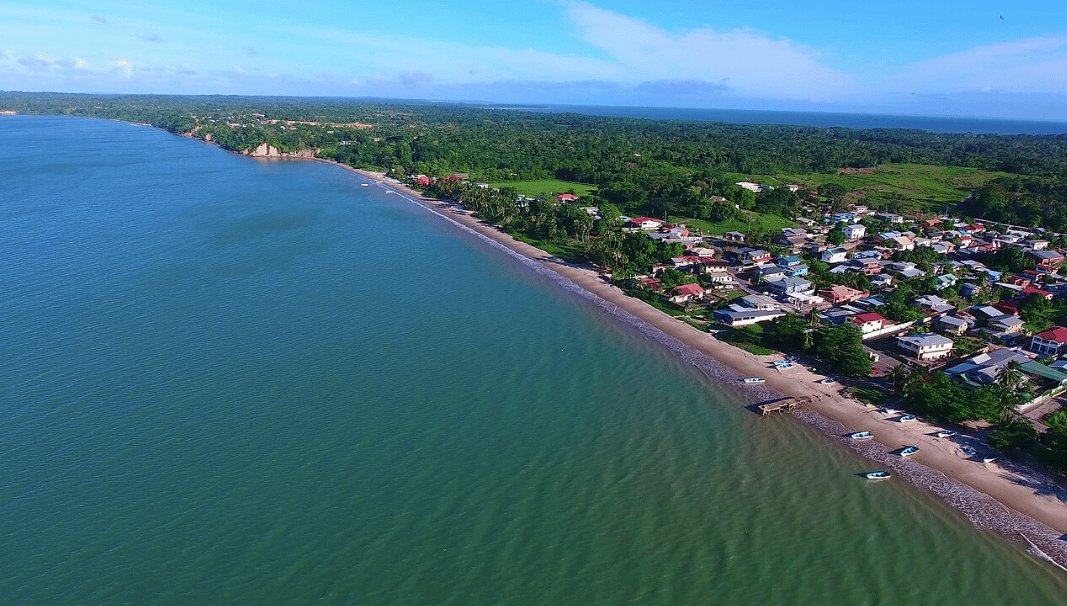
The waters between Trinidad and Venezuela have long been a shared lifeline for fishing families and energy workers on both sides. Now, allegations of oil spills in the Gulf of Paria are testing that relationship, with Venezuela raising serious concerns about environmental damage and Trinidad and Tobago insisting its response has followed proper protocols. The situation touches directly on the cost of living pressures felt across Caribbean fishing communities and highlights the delicate balance small island developing states must strike between energy production and coastal protection.
Venezuela Escalates Demands Over Gulf of Paria Spills
Venezuela has stepped up its calls for compensation following what it describes as significant oil pollution in the Gulf of Paria. Officials there point to two separate incidents and argue that Trinidad and Tobago failed to share timely information. The demands come at a sensitive time for both nations, with energy revenues vital to household budgets and fishing fleets already strained by rising costs. Tensions have been building since May, when the first spill was reported, and have now spilled into broader diplomatic exchanges. High stakes are involved because any prolonged dispute could affect joint environmental monitoring and the daily livelihoods of families who depend on these shared waters. Venezuela maintains that the spills threaten wetlands and marine life across a wide area, while Trinidad and Tobago continues to verify the scale of the claims. The back-and-forth underscores how quickly an operational incident can grow into a regional concern for CARICOM neighbours watching closely.
The May 1 Incident: A Tale of Two Narratives
Trinidad and Tobago reported that the spill was detected at 07:25 hours on 1 May at the Main Soldado Field, specifically at Heritage Petroleum Limited Riser Platform No. 2. According to local authorities, around 10 barrels were released before the leak was contained within 48 hours. The pipeline was repaired and returned to service without further incident. Energy Minister Dr Roodal Moonilal described the event as minor and emphasised that standard clean-up procedures were followed inside Trinidad and Tobago waters. This account stands in contrast to the wider concerns raised across the border. Local energy officials maintain that all protocols were observed and that the response was swift. The incident has nevertheless drawn attention to the need for clearer communication between the two countries that share these waters. Fishing communities on the Trinidad side also watched developments closely, aware that any spill can quickly affect catches and household incomes already pressured by higher living costs.
Venezuela's Environmental Assessment and Compensation Demand
Venezuelan Foreign Minister Yvan Gil stated that the spill affected 1,625 square kilometres, impacting 12 wetland systems, four national parks and more than 140 fish species. He noted that over 500 fishermen faced operational limitations as a result. During a press conference, Gil displayed satellite images dated 28 April that Venezuela says show the spill originating from Trinidad. He added that no information had been shared beforehand and stressed that Trinidad and Tobago is obligated to immediately report any oil spill. Venezuela deployed environmental specialists, biologists and risk monitoring personnel to assess the damage. The government there argues that the lack of early notification prevented quicker mitigation. These claims have placed additional pressure on bilateral relations, especially as fishing families across the region already contend with rising fuel and equipment costs. The detailed environmental assessment presented by Venezuela has become a central point in ongoing discussions about responsibility and future information-sharing arrangements.
Impact on Fishing Communities and Coastal Livelihoods
More than 500 fishermen have reported operational limitations linked to the spill, with Venezuela stating that its fishing fleet has been directly affected. Families who rely on daily catches now face uncertainty about when normal activity can resume. In Trinidad, coastal communities understand these pressures well, as higher living costs already squeeze household budgets. Mangroves and wetlands that support breeding grounds remain at risk, threatening long-term fish stocks that both nations depend upon. The situation echoes challenges faced by other Caribbean small island developing states where environmental incidents quickly translate into economic hardship. Local fishers on both sides of the Gulf of Paria have voiced concerns that prolonged restrictions could deepen existing difficulties with market prices and equipment expenses. The human dimension of the dispute is clear: behind every satellite image and diplomatic note are households waiting for clearer answers about the safety of their traditional fishing grounds.
A Second Spill: New Claims Fuel Diplomatic Tension
On 12 June, Venezuela claimed a second, much larger spill had been confirmed through satellite imagery. The government there warned of risks to marine ecosystems, fishing activity and coastal communities. Venezuelan state agencies activated monitoring and mitigation protocols while calling on Trinidad and Tobago to adopt immediate measures and be fully transparent. Trinidad and Tobago responded by requesting specific coordinates for the purported spill so that verification could begin. The new allegation has added another layer of complexity to relations already strained since the May incident. Officials in Port of Spain have maintained that any response must be based on confirmed data rather than unverified images. Fishing communities across the region are following the exchanges, aware that further uncertainty could affect market supplies and already tight household finances. The call for transparency now sits at the centre of diplomatic efforts to prevent the situation from escalating further.
Trinidad and Tobago's Investigative Response
Heritage Petroleum, together with the air and coast guard, deployed reconnaissance teams using drones to examine the area. Dr Roodal Moonilal confirmed he was in contact with Foreign Affairs Minister Sean Sobers, who engaged the Venezuelan Embassy in Port of Spain. The government statement noted: “We have requested from our Venezuelan counterparts the coordinates for this purported spill.” Trinidad and Tobago maintains that the May clean-up took place entirely within its waters and that established protocols were observed. Officials continue to stress the importance of verified information before any further steps are taken. The measured approach reflects the need to balance energy sector operations with environmental responsibilities that affect neighbouring communities. Local stakeholders, including those in the fishing sector, are awaiting updates that could clarify whether additional protective measures are required along the shared coastline.
Bilateral Talks and the Search for Joint Solutions
A hybrid meeting was held on 22 May between delegations from both countries. Venezuela’s side was led by Freddy Ñáñez, Minister of Popular Power for Ecosocialism, while Dr Roodal Moonilal headed the Trinidad and Tobago team, which included Minister Ernesto Kesar. The discussions focused on the spill at Riser Platform No. 2 in the Main Soldado Field. Both sides agreed to continue exchanging information and Dr Moonilal proposed the formation of a joint working committee. The possibility of renewing the Bilateral Oil Spill Contingency Plan was also raised as a practical step forward. Participants viewed the meeting as an opportunity to strengthen cooperation on future incidents. Such dialogue remains essential for communities whose livelihoods depend on stable relations and predictable access to fishing grounds. The emphasis on information sharing reflects a shared recognition that environmental challenges in the Gulf of Paria require coordinated responses rather than unilateral actions.
Regional Implications for Caribbean Environmental Governance
The unfolding situation carries lessons for the wider Caribbean, where small island developing states share marine spaces but often lack robust cross-border response mechanisms. CARICOM members have long advocated for stronger regional frameworks to handle environmental incidents that ignore national boundaries. The Gulf of Paria case illustrates how quickly an operational matter can affect fishing fleets and coastal economies already dealing with cost-of-living pressures. Shared waters demand shared protocols, yet gaps in communication can quickly erode trust between neighbours. Precedents set here may influence how future incidents are managed across the region. Fishing communities from Guyana to Grenada are watching, aware that their own livelihoods could be touched by similar events. Strengthened cooperation on oil spill contingency planning could offer a model for other SIDS facing comparable vulnerabilities in an era of increasing environmental and economic uncertainty.
What Comes Next: Diplomatic and Legal Pathways
Venezuela has reserved the right to take action before competent international bodies if its concerns are not addressed. Trinidad and Tobago continues to focus on verification and has reiterated that clean-up operations remained within its waters and followed established protocols. No resolution appears imminent as both sides await further data on the June claims. Fishing communities on either side of the Gulf remain in a state of watchful waiting, hoping that diplomatic channels will produce practical outcomes rather than prolonged uncertainty. The coming weeks will test whether the proposed joint working committee can deliver the information-sharing improvements discussed in May. For families whose daily income depends on these waters, clarity and cooperation are not abstract diplomatic goals but immediate necessities. The path ahead will require steady engagement if both nations are to protect the shared marine environment that sustains livelihoods across the region.
By Sharon Sahatoo, Staff WriterThis article was produced with AI-assisted research and editorial support. Reporting is based on sources cited in the article.
What's Your Reaction?
 Like
0
Like
0
 Dislike
0
Dislike
0
 Love
0
Love
0
 Funny
0
Funny
0
 Wow
0
Wow
0
 Sad
0
Sad
0
 Angry
0
Angry
0

Caribbean Correspondent at Global1.News. Based in Port of Spain, Trinidad, covering Caribbean politics, economy, energy, climate, and culture. Amplifying the voices and stories of the Caribbean region.












Comments (0)