
African World Cup Kits: Pride, Identity & World Cup Style
Introduction: More Than Just Fabric The World Cup is about goals, drama and emotion but it is also about great kits. And when it comes to colourful and iconic designs, Africa has had more than its fair share. BBC Sport Africa has picked 10 of the continent's very best for you to rank. These jerseys do more than cover players on the pitch. They carry the weight of national ident
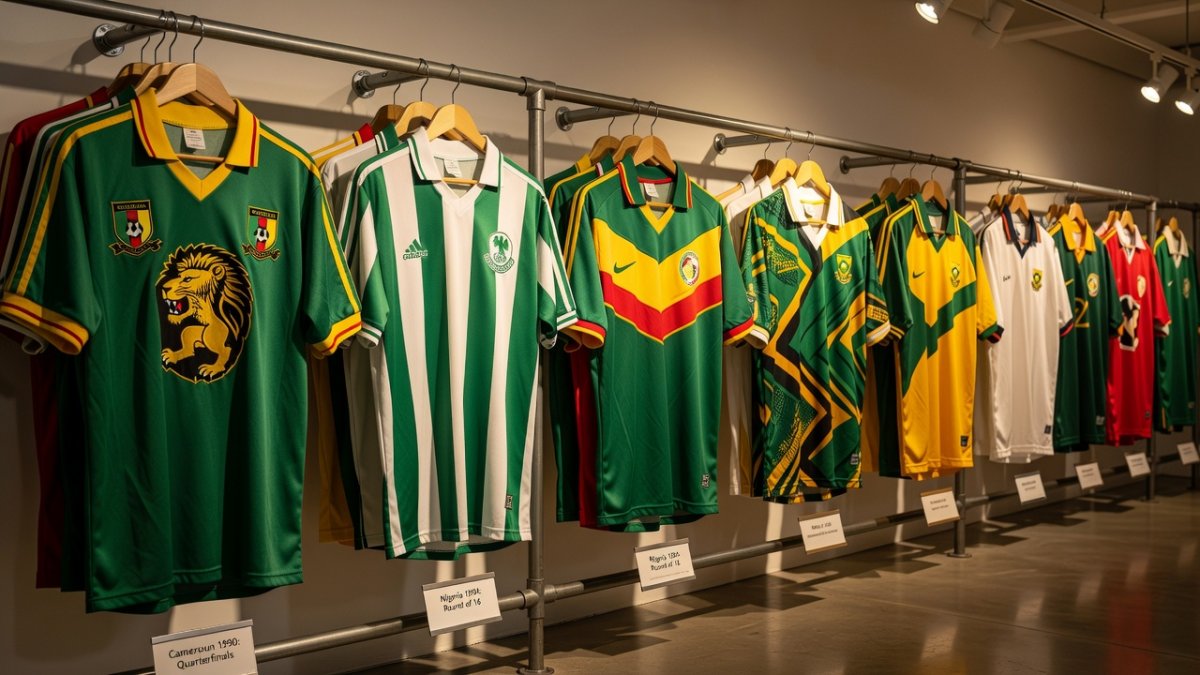
Introduction: More Than Just Fabric
The World Cup is about goals, drama and emotion but it is also about great kits. And when it comes to colourful and iconic designs, Africa has had more than its fair share. BBC Sport Africa has picked 10 of the continent's very best for you to rank. These jerseys do more than cover players on the pitch. They carry the weight of national identity, pride and history onto the global stage. From the streets of Dakar to stadiums across North America during the 2026 World Cup, African teams continue to turn heads with their style. Kits become symbols that fans wear long after the final whistle. They connect generations and remind people of moments when their nations stood tall in front of the world.
African World Cup kits through the decades (Global 1 News)
In Senegal we understand this deeply. A national team jersey is not simply fabric. It represents the spirit of the people and the stories we tell about ourselves. The same holds true across the continent. Whether it is the bold choices of the 1970s or the controversies of later decades, these designs reflect the eras in which they were created. They speak of independence, socialism, post-apartheid hope and the sheer audacity of African footballers stepping onto the biggest stage. As the 2026 World Cup unfolds, new kits will add fresh chapters. Yet the classics remain touchstones that continue to inspire. They show how football and fashion intertwine with culture in ways that reach far beyond the ninety minutes of play.
Zaire 1974: The Pioneers Who Knew Who They Were
Zaire's iconic green and yellow 1974 kit featured what was then the name of the country and the team's Leopards nickname. The shirt had a big collar and deep V-neck, and put both the name of the country and the team's Leopards nickname and logo on the chest. This design announced an African nation arriving on the world stage with confidence. Congolese designer Alvin Junior Mak, who has just gone viral after designing the current squad's leopard print arrival suits, says he went back to the fashions of 1974 for inspiration. "When you are in Africa, we say if you want to move forward, you have to see where you come from," he told BBC Sport Africa. The kit captured that spirit perfectly.
While Zaire's tournament 52 years ago, which included a 9-0 hammering at the hands of Yugoslavia, turned out to be a failure, at least the kit was anything but. It stood as a proud declaration of identity at a time when few African teams had reached the World Cup. The Leopards emblem and bold lettering told viewers exactly who these players were and where they came from. For many across the continent, seeing that shirt on television was a moment of recognition. It proved that African teams could bring their own colours and culture to the global tournament without apology. The design continues to influence modern creators who look back to that pioneering moment for strength and direction.
Algeria 1982: Arabic Script and Socialist Pride
Algeria's 1982 kit copied Zaire by having the name of the country written on the front in Arabic script (Al-Jaza'ir). Another deep neck and big collar also mark this shiny beauty out as a product of its era. Algeria's first World Cup appearance in 1982 came towards the back end of the country's socialist heyday, meaning the kit was manufactured by state-owned clothing firm Sonitex. The design carried the weight of national policy and collective identity. It was not simply sportswear but an expression of the era's values made visible on the pitch.
"The company is defunct now, so there's no copyright protection on the design, hence many smaller clothing companies copying and selling it in Algeria and to the diaspora," said Algerian sports journalist Maher Mazahi. "That's also one of the reasons it's so popular among our football hipsters." The Arabic script and distinctive collar made the shirt instantly recognisable. Fans still seek out replicas because the kit represents a specific chapter in Algerian history. It connects the football pitch to broader stories of state enterprise and cultural pride. Even decades later, the design remains a favourite because it speaks directly to that moment when Algeria stepped onto the world stage in its own colours and language.
Cameroon 1990: The Lion That Roared
Cameroon became the first African nation to reach the World Cup quarter-finals in 1990. Their run to the quarter-finals of Italia '90 was memorable for many reasons, including their 1-0 victory over holders Argentina in the tournament's opening match and Roger Milla's corner-flag wiggle. The shirt had an iconic lion roaring on the chest, which to many was a symbol of pride, courage and determination. That emblem captured the spirit of a team that refused to be intimidated by established powers. The design turned the players into living symbols of national strength.
"Many people believe that was the best ever performance of the Cameroon national team and some of them attribute that to the luck which came with the kit," explained Paul Njie, the BBC World Service's man in Yaounde. The lion became more than decoration. It embodied the determination that carried Cameroon through the group stage and into the knockout rounds. Fans across Africa watched with pride as the Indomitable Lions challenged expectations. The kit remains tied to that historic run because it visually represented the courage on display. Even today, the roaring lion evokes memories of a moment when an African team showed the world what was possible.
Nigeria 1994: Super Eagles Set the Standard
Nigeria made their first World Cup appearance in 1994 and immediately set the standard with this jersey. Rashidi Yekini, Daniel Amokachi and Emmanuel Amunike all scored as the Super Eagles rocked it on their debut, gaining a 3-0 win over Bulgaria. The green-white-green colours became instantly iconic. They announced Nigeria's arrival with flair and confidence that matched the team's attacking play. The design quickly moved beyond the pitch into everyday life for fans at home and abroad.
"We see the legends, the players that made the difference for Nigerian football, and if I close my eyes that's the first shirt that comes to mind," former Super Eagles skipper William Troost-Ekong told BBC Sport Africa. "Nigeria's greatest set of Super Eagles have worn that shirt and all of us strive to be able to imitate that." The jersey linked a generation of players to the hopes of a nation. Nigerian communities around the world wore it with pride, turning it into a badge of cultural identity. Its influence continues because it marked the moment when Nigerian football established its global reputation through both results and style.
South Africa 1998: Rainbow Nation on the Pitch
South Africa's 1998 geometric classic was an update on the much-loved shirt worn by Bafana Bafana as they claimed Africa Cup of Nations glory on home soil in 1996. The design captured the energy of a country stepping onto the world stage after years of isolation. Kappa created a shirt that felt fresh and vibrant, reflecting the optimism of the time. "These days South Africa tend to wear yellow, but back in the 1990s their shirts were much more fun," said Josh Warwick, co-founder of the Cult Kits website. "In our opinion, Kappa were one of the great brands from that era."
The geometric patterns stood out against the more traditional kits of other nations. They symbolised the new South Africa that was embracing colour and diversity on the global stage. Fans remember the shirt as part of the country's first World Cup appearance, a moment filled with hope and national unity. The design connected football to the broader cultural shift happening in the country. Its lasting appeal comes from how it visually represented that spirit of renewal and joy during a historic period.
Cameroon 2002: The Sleeveless Controversy
Cameroon were forced to add black sleeves to their 2002 jersey after Fifa ruled that the sleeveless version broke World Cup rules. Originally released as a basketball-style vest, the Indomitable Lions wore the sleeveless version as they romped to the Afcon title in February 2002. The choice showed a willingness to experiment and bring new ideas to the tournament. "The players didn't know we would play with a shirt with no sleeves," midfielder Eric Djemba-Djemba told BBC Sport Africa. That surprise element added to the kit's bold character.
The sleeveless design challenged conventions and drew attention to Cameroon's creativity. Even after the forced addition of sleeves, the original vision remained memorable. It represented the audacity of trying something different on football's biggest stage. The kit became part of the story of a team that refused to follow the usual script. Its legacy lies in that spirit of innovation, reminding fans that African teams have often pushed boundaries in both performance and presentation.
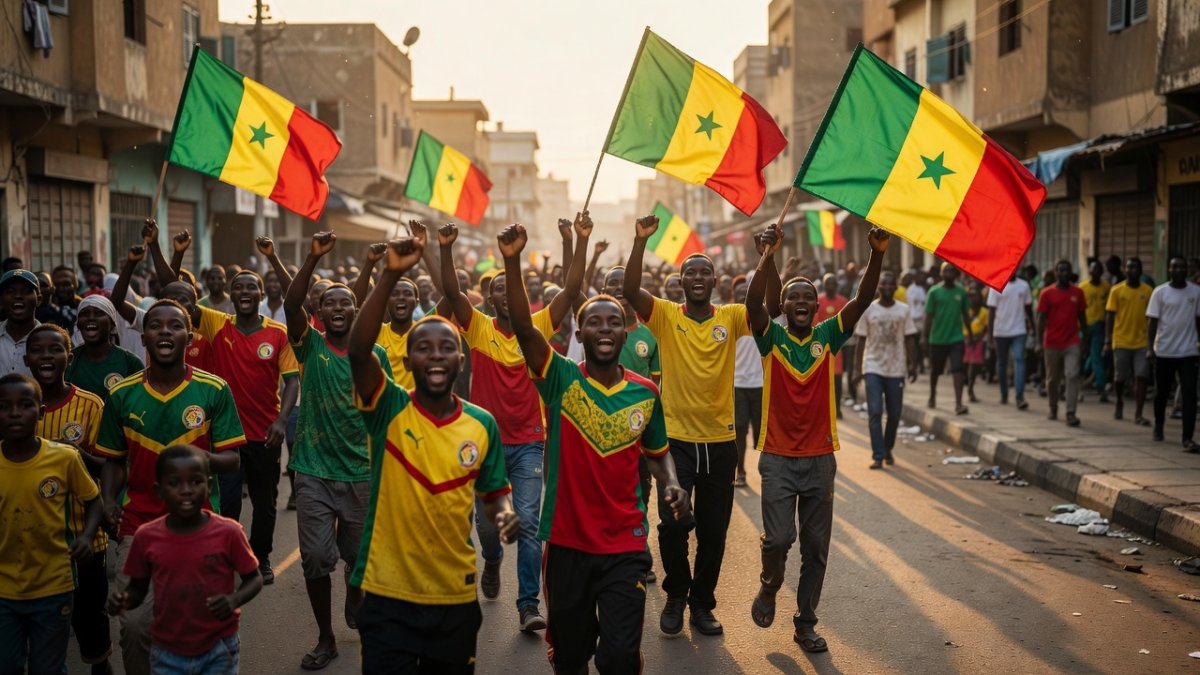
Senegalese Teranga Lions fans celebrate their national team's World Cup run (Global 1 News)
Senegal's Own Kit Stories: From 2002 to 2026
As a Senegalese journalist, I have watched how our national team kits carry deep meaning for fans across the country and the diaspora. The 2002 World Cup debut featured green, yellow, and red with the star, colours that immediately connected the team to our flag and heritage. That shirt became part of the story of Senegal's surprise quarter-final run, a moment that lifted the entire nation. The design reflected the warmth and pride of the Teranga Lions as they showed the world what Senegalese football could achieve.
The 2022 kit blended tradition with modernity, updating the classic colours while keeping the spirit of hospitality that defines us. When Senegalese fans see the national team take the field in our colours, they feel a sense of belonging and shared purpose. The Teranga Lions represent more than results on the pitch. Their kits embody the values of welcome and community that run through Senegalese culture. As the 2026 World Cup approaches, new designs will continue this tradition, linking past achievements with future hopes. Each jersey tells the story of a people who celebrate their identity through sport and style.
What African Kits Mean for the Next Generation
African World Cup kits have become powerful symbols of identity that reach far beyond the pitch. Young people from Dakar to Nairobi buy and wear these designs as expressions of cultural pride. The classic shirts connect them to the achievements of earlier generations while inspiring new dreams. Football and fashion meet in these jerseys, creating objects that carry stories of courage, innovation and national spirit. The 2026 World Cup will add fresh examples, yet the older designs remain reference points for what African teams can represent on the global stage.
These kits remind the diaspora of their roots and give communities abroad a visible way to celebrate their heritage. They also influence local fashion scenes, where designers draw inspiration from the bold colours and patterns of past tournaments. The intersection of football, culture and style continues to grow stronger. As new generations watch their teams compete, the jerseys they wear become part of how they understand themselves and their place in the world. The legacy of these iconic designs lies in that ongoing connection between past pride and future possibility.
By Amara Diop, Staff WriterThis article was produced with AI-assisted research and editorial support. Reporting is based on sources cited in the article.
What's Your Reaction?
 Like
0
Like
0
 Dislike
0
Dislike
0
 Love
0
Love
0
 Funny
0
Funny
0
 Wow
0
Wow
0
 Sad
0
Sad
0
 Angry
0
Angry
0
West Africa/Sahel Correspondent at Global1.News. Dakar-based journalist covering politics, security, climate, and development across Francophone and Anglophone West Africa. Tells the stories of a region undergoing profound transformation.











Comments (0)