
Russia and Ukraine Exchange Deadly Strikes Ahead of Paris Talks
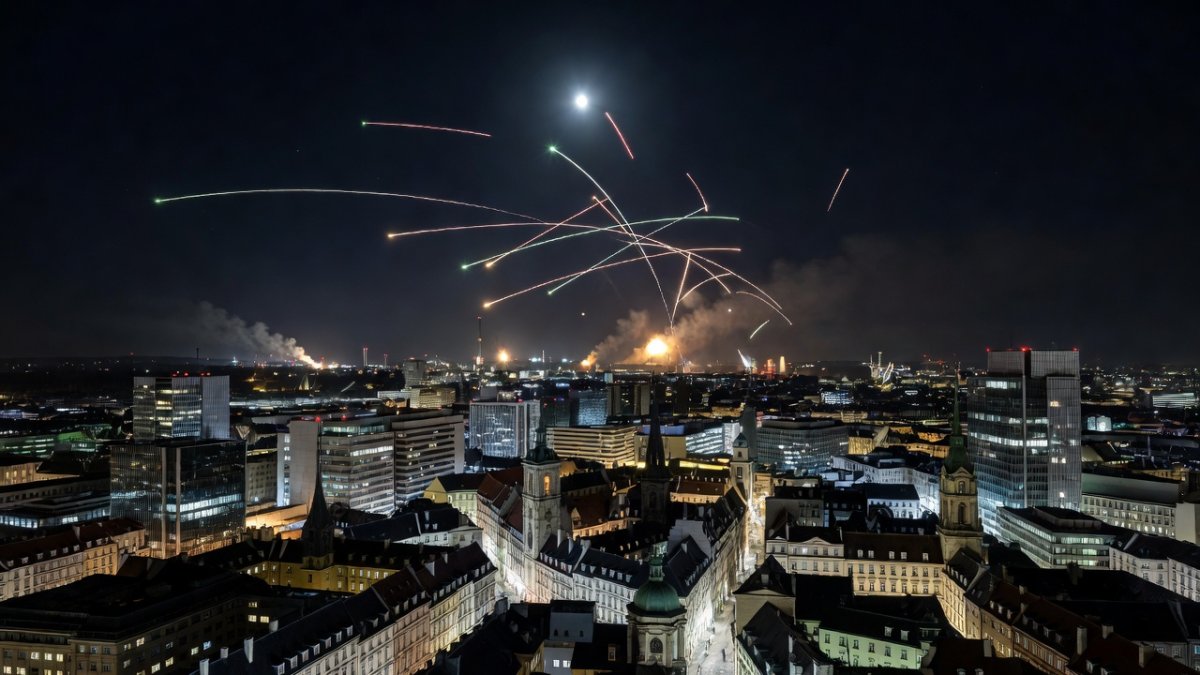
Opening: Overnight Russian Strikes Russian forces launched a coordinated overnight assault from Saturday into Sunday, deploying six ballistic missiles, six cruise missiles, and 121 drones against Ukrainian targets. Ukrainian air defenses intercepted two cruise missiles and 111 drones, yet the barrage still produced casualties across multiple regions. Four civilians died in the
Opening: Overnight Russian Strikes
Russian forces launched a coordinated overnight assault from Saturday into Sunday, deploying six ballistic missiles, six cruise missiles, and 121 drones against Ukrainian targets. Ukrainian air defenses intercepted two cruise missiles and 111 drones, yet the barrage still produced casualties across multiple regions. Four civilians died in the attacks, with three fatalities recorded in Dnipropetrovsk region and one in Kherson.
In Kryvyi Rih, two people were killed at an industrial enterprise hit during the missile and drone wave. Kherson mayor Yaroslav Shanko confirmed the death of a 48-year-old resident from falling debris. The strikes marked an escalation in Moscow's use of ballistic systems against rear areas, following weeks of similar pressure on Kyiv. In the capital itself, twelve people were wounded during the overnight attack that combined ballistic and cruise missiles with drones. President Zelensky stated that "civilian infrastructure was hit even before the air raid alert was issued," adding that "our defenders managed to shoot down most of the targets, but not the ballistic ones."
Ukrainian officials reported that the surviving missiles and drones struck energy infrastructure and residential zones, though exact damage assessments remain ongoing. The scale of the launch—133 total munitions—underscored Russia's continued capacity to sustain high-tempo operations despite Ukrainian interception rates exceeding 85 percent for drones. The ballistic missiles, traveling at several times the speed of sound, largely evaded current defensive systems, a vulnerability that Kyiv has urgently sought to address with allied support.
Prior Saturday Operations Expand Toll
Daytime strikes on Saturday added eight more deaths to the weekend total. In Sumy region, two Russian glide bombs struck a crowded area killing five people and injuring thirty others. One bomb landed directly at a bus stop, with photographs showing a yellow bus whose side had been ripped open by the blast. Apartment building facades in the surrounding area suffered extensive structural damage, scattering glass and debris across the street.
Odesa suffered two fatalities from a separate missile strike on Saturday afternoon. The attack hit civilian infrastructure, compounding the pressure on southern regions already strained by repeated aerial campaigns. Local emergency services worked through the evening to clear wreckage and treat the wounded. In a border district of Sumy region, where the Kremlin has indicated interest in expanding a buffer zone, a local official reported that a man was killed after stepping on an explosive device, underscoring the persistent danger in areas where fighting has shifted in recent months.
Kharkiv recorded seven additional wounded in a drone attack that same day. The cumulative civilian toll from Saturday's operations reached eight dead and at least thirty-seven injured, according to regional reports compiled by Ukrainian authorities. The attacks across Sumy, Odesa, and Kharkiv demonstrated the geographic breadth of Russian operations, hitting targets across the north, south, and east of the country within a single day.
Ukrainian Retaliation Targets Occupied Areas and Russia
Ukrainian long-range drones struck occupied Zaporizhzhia, killing four people in the latest round of cross-border retaliation. A separate strike on Russia's Samara region claimed one life, demonstrating Kyiv's expanding reach into Russian territory. The Russian Defense Ministry said its air defense units had downed a total of 178 Ukrainian drones over various regions overnight, though independent verification of these figures remains limited.
Robert Brovdi, a Ukrainian drone unit commander, stated that 76 vessels had been hit this week alone, including 21 fuel tankers and seven other ships operating in the Sea of Azov. These operations form part of a sustained effort to degrade Russian logistics supporting frontline forces in occupied southern Ukraine. Kyiv has described the maritime campaign as a direct response to Russian ballistic missile strikes on civilian areas, framing it as a method to bring Moscow to the negotiating table by targeting its ability to sustain military operations.
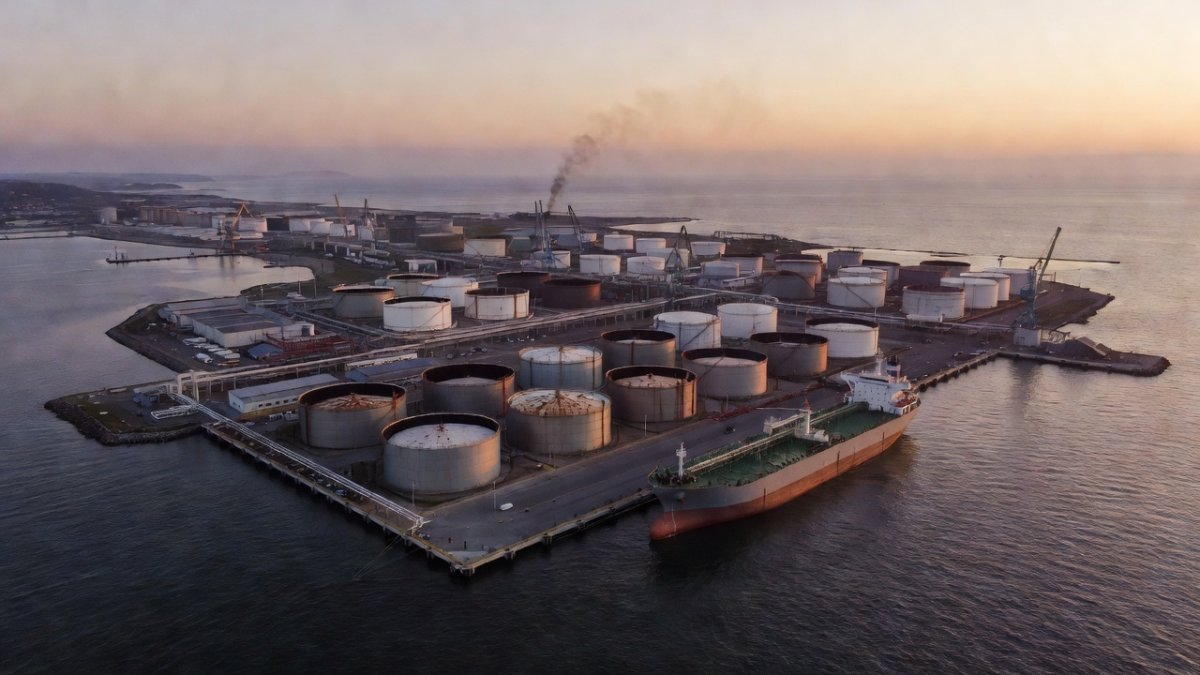
On Friday, fires broke out at two fuel depots and Taganrog sea port following Ukrainian drone activity. One person died aboard a methanol tanker among four vessels damaged in Taganrog Bay, according to Russian regional statements. Yury Slyusar, governor of the Rostov region, confirmed that more than one and a half dozen drones were destroyed during the repulsion of the air attack and that the vessels sustained various degrees of damage, though he stated there was no risk of a methanol spill or leak.
Maritime Campaign Disrupts Russian Logistics
The Sea of Azov tanker campaign has intensified in recent days, with Ukrainian units targeting vessels carrying fuel and supplies toward occupied territories. Brovdi's tally of 76 vessels struck this week reflects a deliberate focus on maritime choke points that sustain Russian ground operations. Ukrainian military officials stated that they had also hit four tugs, two cargo vessels, and a dredger used to supply military logistics and support port infrastructure.
Fires at fuel depots near Taganrog and direct hits on port facilities have forced temporary halts in loading operations. Russian officials have acknowledged the damage but provided limited details on the extent of losses. The cumulative effect of the maritime campaign appears to be contributing to fuel shortages in occupied Crimea, where authorities recently declared a state of emergency as Ukrainian strikes on logistics and energy infrastructure intensified.
Denis Pushilin, the Russian-appointed head of the Donetsk region, reported one civilian killed and nine injured when a drone struck a car and nearby bus close to the Sea of Azov coast. These incidents illustrate how the maritime strikes are rippling into adjacent civilian areas under Russian control, while also demonstrating the widening geographic scope of the conflict as both sides expand their targeting criteria.
Air Defense Crisis and U.S. Patriot Response
Ukraine faces critical shortages of Patriot interceptor missiles, leaving it unable to reliably engage incoming ballistic threats for the past month. Moscow has exploited this gap by escalating ballistic missile attacks on Kyiv, contributing to more than sixty deaths in the capital region this month alone. Ukraine's air defenses have come under unprecedented strain from repeated Russian ballistic missile strikes, and Kyiv has simultaneously pushed European partners to work on a joint anti-ballistic air defense system as a medium-term solution.
This week the United States granted Ukraine a production license for Patriot interceptors, a step intended to ease long-term supply constraints. Officials in Kyiv welcomed the decision but noted that domestic manufacturing will require months before it meaningfully augments existing stocks. U.S.-led diplomatic efforts to end the fighting have stalled in recent months as Washington shifted focus to its own war with Iran, leaving European allies to fill gaps in support ahead of the Paris meeting.
Yury Slyusar, governor of Russia's Rostov region, claimed 178 Ukrainian drones were downed in a single night, highlighting the intensity of the mutual aerial campaign. The shortage of advanced interceptors remains the most immediate constraint on Ukraine's defensive posture. Without rapid replenishment, the coming weeks could see even higher civilian casualties as Russia continues to exploit the window of vulnerability created by depleted Patriot stocks.
Diplomatic Landscape Ahead of Paris Talks
Allied representatives are scheduled to meet in Paris on Monday to coordinate additional pressure on Russia. The gathering comes amid stalled U.S.-led diplomacy and Washington's shifting focus toward the ongoing conflict with Iran. The strikes this weekend occurred just one day before the Paris discussions, underscoring the urgency of the moment as Russian forces continue to escalate their campaign.
President Zelensky has called for faster weapons deliveries and adjustments in diplomatic strategy, arguing that Ukraine's expanding drone campaign is designed to force Moscow back to the negotiating table. He stated that Russian President Putin shows no signs of softening his conditions for talks. Zelensky announced that he is "preparing changes in Ukraine's diplomatic efforts" and needs "a new level of cooperation with our partners" to ensure that "agreements reached by national leaders must be implemented much more quickly and completely."
Western capitals view the Paris meeting as an opportunity to align sanctions and military support packages before the summer recess. Ukrainian officials hope the session will produce concrete commitments on both air defense resupply and long-range strike capabilities. Meanwhile, Moscow has given no indication of a willingness to change its stance, with Russian Foreign Ministry statements continuing to reject concessions and the Kremlin characterizing the current military operations as proceeding according to plan.
Analysis and Strategic Implications
The weekend's exchanges reveal a deepening mutual deep-strike campaign in which both sides target energy, transport, and military logistics far from the front lines. Russia's ballistic missile usage has risen while Ukraine has shifted emphasis to maritime interdiction and strikes inside Russian territory. This dynamic suggests the conflict will intensify rather than de-escalate ahead of the Paris meeting, as both sides seek to improve their negotiating positions through military pressure.
Attrition now defines the trajectory of the conflict. Ukrainian forces have damaged or destroyed dozens of vessels and fuel facilities this week, yet Russian ballistic salvos continue to exploit gaps in Patriot coverage. The resulting civilian casualties in both countries underscore the human cost of sustained long-range operations. Zelensky has described the drone campaign as an instrument to compel Russia to the negotiating table, but Putin's refusal to soften his position indicates that Moscow believes continued military pressure will eventually produce better terms.
Putin's position appears anchored in the belief that sustained strikes on Ukrainian cities and infrastructure will weaken Kyiv's negotiating stance over time. Ukrainian leadership calculates that cumulative losses to Russian logistics — particularly the disruption of fuel supplies through the Sea of Azov campaign — will eventually raise the cost of Moscow's continued involvement. The absence of movement from either side suggests that battlefield outcomes, rather than diplomatic initiatives, will determine the pace of any future negotiations.
The coming weeks will test whether the Paris meeting can translate into accelerated deliveries of interceptors and strike systems. Without rapid replenishment of air defense munitions, Ukraine's ability to blunt further ballistic attacks remains limited, while Russia's capacity to absorb maritime losses has yet to be fully measured. For civilians in Kryvyi Rih, Kherson, Sumy, Odesa, Kharkiv, and Kyiv, the immediate outlook is continued exposure to strikes with limited defensive relief in the near term. The war has entered a phase where both sides possess the capacity to inflict pain but neither can deliver a decisive blow, pointing toward a protracted conflict shaped by incremental attrition rather than dramatic breakthroughs.
By Irina Volkov, Staff Writer
This article was produced with AI-assisted research and editorial support. Reporting is based on sources cited in the article.
What's Your Reaction?
 Like
0
Like
0
 Dislike
0
Dislike
0
 Love
0
Love
0
 Funny
0
Funny
0
 Wow
0
Wow
0
 Sad
0
Sad
0
 Angry
0
Angry
0

Russia/Eastern Europe Correspondent at Global1.News. Covering Russian politics, energy, security, and the shifting dynamics of the post-Soviet space. Provides clear-eyed analysis on one of the world's most opaque regions.














Comments (0)