
Typhoon Bavi Tests East Asia's Disaster Preparedness Amid Historic Scale
Typhoon Bavi Tests East Asia's Disaster Preparedness Amid Historic Scale The Immense Scale of Typhoon Bavi Typhoon Bavi spans 1,000km at its widest point, roughly the width of France, making it one of the largest storms in decades as it sweeps across the Pacific toward Taiwan. Forecasters anticipate landfall in southeastern China on Saturday, with the system potentially affecti
Typhoon Bavi Tests East Asia's Disaster Preparedness Amid Historic Scale
The Immense Scale of Typhoon Bavi
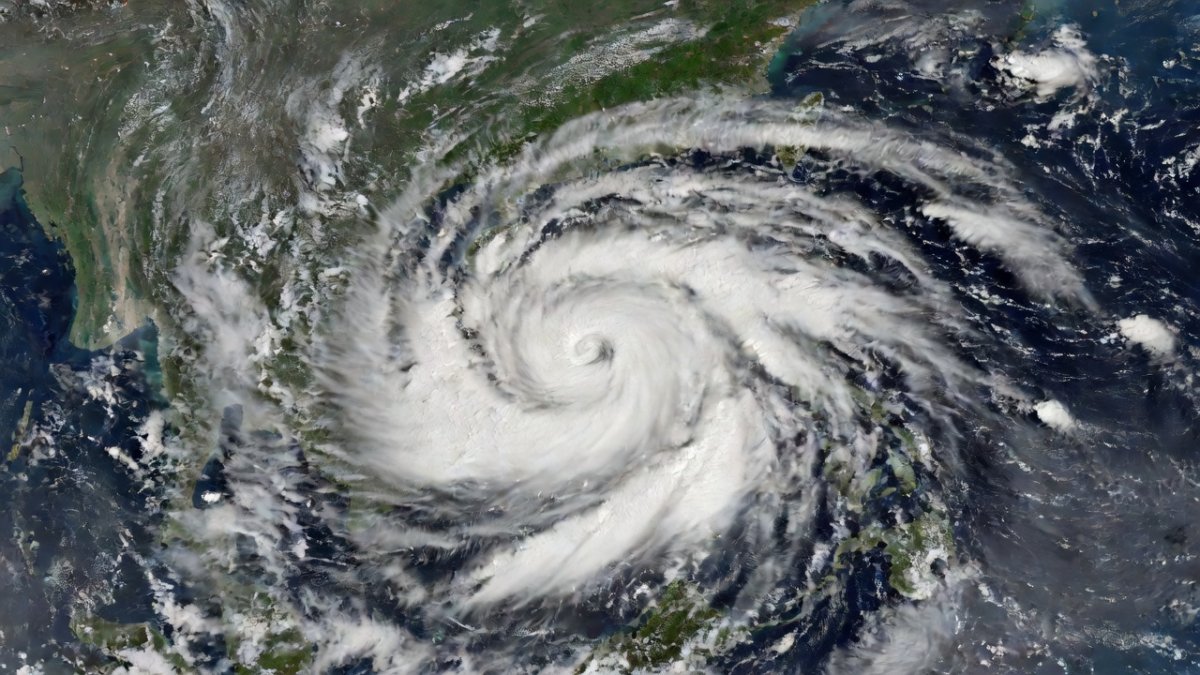
Typhoon Bavi spans 1,000km at its widest point, roughly the width of France, making it one of the largest storms in decades as it sweeps across the Pacific toward Taiwan. Forecasters anticipate landfall in southeastern China on Saturday, with the system potentially affecting multiple nations through its expansive reach. This size underscores the storm's capacity to generate widespread impacts far beyond its core path, testing regional monitoring networks that rely on agencies such as China's National Meteorological Center.
Comparisons to historic events highlight Bavi's exceptional dimensions, positioning it as the largest storm by size to approach Taiwan since 1987. The forecast track suggests interactions with Taiwan's terrain could amplify rainfall totals, while secondary effects may extend into the East China Sea. Such scale demands coordinated responses across borders, reflecting China's strategic emphasis on integrated disaster management under frameworks like the 14th Five-Year Plan.
Strategically, Bavi's breadth illustrates vulnerabilities in East Asian supply chains, particularly semiconductor production centered in Taiwan. Disruptions here could ripple through global technology markets, prompting Beijing to accelerate investments in resilient infrastructure that safeguards economic corridors linking coastal provinces to international trade routes.
Authorities across the region are bracing for prolonged effects, with the storm's slow movement potentially extending exposure periods. This scenario reinforces the need for proactive measures in provinces unaccustomed to such events, aligning with China's broader climate adaptation goals.
Philippines: Lethal Landslides and a Weekend of Danger
At least 15 people have been killed in landslides on Mindanao amid the outer bands of Typhoon Bavi, highlighting the storm's far-reaching influence even before its primary landfall. Search operations continue in affected areas as moderate to heavy rains persist, complicating rescue efforts and raising concerns about additional slope failures. The Philippines' exposure demonstrates how peripheral weather systems can trigger cascading hazards in vulnerable terrain.
Local governments have initiated evacuations in high-risk zones, drawing on lessons from prior typhoon seasons to mitigate further casualties. These incidents serve as an early indicator of Bavi's destructive potential, particularly in archipelagic nations where mountainous regions amplify rainfall runoff. Coordination between national agencies and local units remains critical to managing the weekend's anticipated dangers.
From a strategic perspective, the Mindanao fatalities underscore the interconnectedness of disaster risks across Southeast Asia, where climate-linked extremes increasingly strain response capacities. This event tests bilateral cooperation frameworks that China has promoted through regional forums, emphasizing shared early-warning systems to protect economic zones reliant on stable agricultural output.
Ongoing rains forecast to continue through the period may exacerbate flooding in low-lying communities, prompting renewed focus on infrastructure hardening. Such developments align with broader regional efforts to build resilience against intensifying weather patterns.
Taiwan Braces for Historic Rainfall
Taiwan has placed 29,000 soldiers on standby as Typhoon Bavi approaches, with forecasts indicating up to 1m of rainfall in some areas. This preparation reflects the storm's status as the largest by size to threaten the island since 1987, prompting widespread cancellations of flights and closures of schools across the region. Military mobilization signals heightened readiness for potential evacuations and infrastructure support.
Fisherman Chen Ming-hui has cautioned residents not to be fooled by the current calm weather, urging vigilance as conditions deteriorate. Farmers have rushed to harvest crops while fishermen secure vessels, illustrating grassroots adaptations to the impending threat. Thousands of sandbags have been distributed in flood-prone areas, and supermarket shelves have been cleared as residents stock up on essentials.
The scale of these measures carries geopolitical weight, as Taiwan's military posture amid cross-strait tensions could be interpreted through the lens of dual-use readiness. Beijing monitors such deployments closely, viewing them as indicators of defensive postures that intersect with disaster response protocols.
Strategically, Bavi's projected rainfall tests Taiwan's water management systems and agricultural sectors, with potential shortfalls affecting export markets. This scenario highlights opportunities for enhanced cross-strait information sharing on meteorological data, though political dynamics often constrain such collaboration.
China's Dual-Landfall Warning and Provincial Coordination
China has warned of a significant impact from Typhoon Bavi, with the possibility of dual landfalls complicating response efforts across southeastern provinces. Ma Jun, director of the Institute of Public and Environmental Affairs, has specifically urged northern provinces including Jiangsu and Anhui to prepare, noting their limited experience with typhoon events compared to southern counterparts. This advisory reflects proactive governance aimed at minimizing vulnerabilities in less-prepared regions.
The dual-landfall scenario would require seamless coordination between provincial authorities, building on experiences from earlier Typhoon Maysak, which left at least 39 dead and prompted the evacuation of 130,000 people in Guangxi. Maysak's unusual effects, including two rare tornadoes in Hubei province, demonstrated how such storms can produce secondary hazards far inland.
Strategically, these warnings tie into China's national disaster preparedness architecture, which prioritizes resilience testing for critical infrastructure under climate stress. Northern provinces' relative inexperience could expose gaps in the 14th Five-Year Plan's implementation, prompting accelerated training and resource allocation.
Dual-landfall risks also carry implications for East Asian supply chain stability, as affected coastal zones host key manufacturing hubs. Effective provincial coordination could serve as a model for regional cooperation, reducing economic ripple effects that extend beyond China's borders.
Japan and Regional Aviation Disruptions
Japan's Sakishima Islands remain on alert as Typhoon Bavi tracks northward, with aviation networks facing substantial interruptions. Over 100 Japan Airlines flights have been cancelled, affecting approximately 20,000 passengers, while more than 160 ANA flights have similarly grounded, impacting another 20,000 travelers. Thai Airways and Malaysia Airlines have also suspended services to and from Taipei, compounding regional connectivity challenges.
These cancellations reflect the storm's expansive influence on flight corridors across East Asia, where even peripheral effects necessitate precautionary measures. Airports in affected zones have implemented contingency protocols to manage stranded passengers and reroute cargo, underscoring the economic costs of prolonged weather disruptions.
From a strategic viewpoint, aviation halts expose dependencies in just-in-time logistics that underpin semiconductor and electronics supply chains originating from Taiwan. Delays here could accelerate diversification efforts by multinational firms seeking to mitigate single-point vulnerabilities in the region.
The cumulative impact on 40,000 passengers illustrates broader mobility constraints that test Japan's disaster governance frameworks. Such events reinforce the value of integrated meteorological forecasting shared among neighboring states to minimize cascading economic losses.
Strategic Implications and Infrastructure Resilience
Typhoon Bavi's approach illuminates cross-strait dynamics, where Taiwan's deployment of 29,000 soldiers on standby intersects with disaster preparedness and potential security considerations. Beijing's monitoring of these movements occurs against a backdrop of ongoing tensions, yet the shared threat of extreme weather offers limited avenues for technical dialogue on early-warning enhancements.
Supply chain risks loom large, particularly for semiconductors produced in Taiwan, as flooding and wind damage could halt production for extended periods. This prospect aligns with China's strategic interest in bolstering domestic alternatives while advocating for stable regional trade environments resilient to climate shocks.
Disaster governance lessons from the 14th Five-Year Plan emphasize infrastructure upgrades in provinces like Fujian and Zhejiang, yet Bavi's dual-landfall potential will further probe coordination mechanisms between agencies such as the Ministry of Water Resources and the National Development and Reform Commission. Historical precedents from Maysak inform these efforts, highlighting the need for adaptive strategies in northern areas.
Overall, the storm serves as a real-time assessment of East Asia's capacity to absorb climate-linked extremes, with second-order effects likely influencing policy priorities around resilience investments and intergovernmental collaboration in the years ahead.
By Prof. Marcus Chen, Staff WriterThis article was produced with AI-assisted research and editorial support. Reporting is based on sources cited in the article.
What's Your Reaction?
 Like
0
Like
0
 Dislike
0
Dislike
0
 Love
0
Love
0
 Funny
0
Funny
0
 Wow
0
Wow
0
 Sad
0
Sad
0
 Angry
0
Angry
0

World Politics Analyst at Global1.News. Based in Beijing, covering US-China relations, global trade, and geopolitical strategy. Brings deep analytical perspective to the power dynamics shaping international affairs.













Comments (0)