
Typhoon Bavi hits eastern China after more than 2 million evacuated
Typhoon Bavi Makes Landfall in Eastern China Typhoon Bavi made landfall in Yuhuan, a coastal city under Taizhou administration, at 23:20 over the weekend, bringing sustained winds of 144 kilometres per hour. The storm then struck a second time in Yueqing near Wenzhou, where its expansive rain bands extended roughly 1,000 kilometres across. Although Bavi weakened to a severe tro
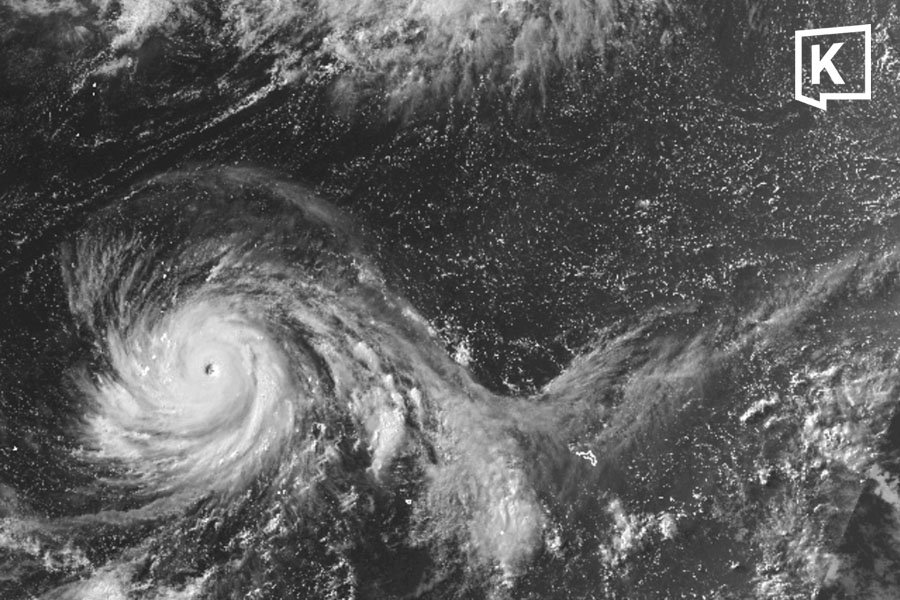
Typhoon Bavi Makes Landfall in Eastern China
Typhoon Bavi made landfall in Yuhuan, a coastal city under Taizhou administration, at 23:20 over the weekend, bringing sustained winds of 144 kilometres per hour. The storm then struck a second time in Yueqing near Wenzhou, where its expansive rain bands extended roughly 1,000 kilometres across. Although Bavi weakened to a severe tropical storm after moving inland, forecasters warned that the moisture it carried would sustain heavy rainfall across eastern China for several days, raising the risk of flooding and landslides in low-lying areas.
Authorities noted that the slow movement of the system allowed prolonged exposure to strong winds and intense precipitation. Coastal communities prepared for continued downpours while inland regions braced for rising water levels. Emergency alerts remained active as the storm tracked farther west, with officials urging residents to avoid travel and monitor local updates throughout the coming days.
More Than 2.2 Million Evacuated in Three Provinces
More than 2.2 million people left their homes in Zhejiang province, while an additional 180,000 residents moved from vulnerable zones in Fujian and over 290,000 in Shanghai. Schools, workplaces, tourist sites and outdoor events closed across the affected regions to reduce exposure. Hundreds of flights were cancelled at Shanghai Pudong and Hongqiao airports, and numerous train and ferry services were suspended until conditions improved.
In Yueqing, winds uprooted more than 1,300 trees and flooded streets, prompting emergency teams to deploy heavy machinery for debris removal. Crews worked through the night to clear blocked roads and restore basic services. Provincial officials coordinated shelter operations and supply distribution to ensure displaced residents had access to food, water and medical support during the evacuation period.
Bavi's Path Across the Pacific
Bavi previously intensified into a super typhoon over open waters, reaching peak winds near 290 kilometres per hour before passing the Northern Mariana Islands, southern Japan and Taiwan. Although the storm did not make direct landfall in Taiwan, it generated powerful gusts and heavy rain that disrupted transport networks and daily routines. At least 134 people there sustained injuries, mostly from wind-blown debris and slippery surfaces.
The system’s earlier strength prompted widespread preparations across its track. Maritime traffic adjusted routes, and aviation authorities issued advisories for affected airspace. As Bavi approached the Chinese mainland, its core weakened yet retained enough energy to deliver significant impacts on coastal infrastructure and communities along the way.
Second Major Storm in a Week
Bavi arrived just days after Tropical Storm Maysak, which caused flooding that claimed at least 39 lives in southern China. Provincial command centres now manage response efforts for both systems simultaneously, stretching resources and personnel. Shelters that recently housed Maysak evacuees reopened to accommodate new arrivals from Bavi-affected zones.
Supply chains for food, fuel and emergency equipment faced added pressure as logistics teams rerouted deliveries around damaged roads. Officials emphasised the need for continued vigilance, noting that overlapping storm impacts could extend recovery timelines and increase demand for long-term assistance in the hardest-hit counties.
Impact on Thai Trade and Nationals
Zhejiang and Shanghai serve as major hubs for Thai exports of rubber, rice and seafood, with many shipments originating from production centres in Chonburi and Rayong. Disruptions at ports and transport links in eastern China may delay deliveries and affect pricing over the coming weeks. Thai exporters are monitoring inventory levels and exploring alternative routing options to maintain supply continuity.
The Royal Thai Embassy in Beijing has been in contact with Thai students, workers and families living in the affected provinces to confirm their safety and offer consular assistance where needed. In Thailand’s northeastern provinces, some families with relatives working or studying in eastern China have sought updates through community networks, reflecting the close personal ties that link the two regions.
ASEAN Disaster Preparedness Lessons
Thailand’s Meteorological Department has maintained close coordination with Chinese weather services, sharing satellite imagery and forecast models to refine regional tracking capabilities. Within the Mekong sub-region, countries continue to exchange real-time data that supports early warning systems for cross-border weather events. These exchanges help improve accuracy for storms that may later influence rainfall patterns over mainland Southeast Asia.
Thailand’s Department of Disaster Prevention and Mitigation has reviewed evacuation procedures used in China to identify practices that could strengthen domestic protocols. Officials note that monsoon seasons in Thailand present similar challenges of prolonged rainfall and community displacement, making comparative study of large-scale shelter management particularly relevant for future planning.
Compassion Across Borders
At temples including Wat Pho in Bangkok, monks and lay supporters held merit-making ceremonies this week to honour those affected by the storm. Participants offered alms and chanted for the safety of evacuees, reflecting a shared sense of concern that extends beyond national boundaries. Such gatherings provide a quiet space for reflection amid reports of widespread disruption.
Many observers have turned to the teaching of anicca, or impermanence, to understand the sudden changes brought by powerful weather systems. This perspective encourages acceptance of shifting conditions while motivating practical acts of generosity toward those rebuilding their lives in the storm’s aftermath.
Looking Ahead
Recovery teams in eastern China have begun clearing debris and restoring power, while Thai authorities continue to monitor export routes and maintain contact with nationals in the region. Long-term assessments will examine how recent storms affect agricultural output and infrastructure resilience, guiding future preparedness measures for both countries.
By Ann Srisawat, Staff Writer
This article was produced with AI-assisted research and editorial support. Reporting is based on sources cited in the article.
What's Your Reaction?
 Like
0
Like
0
 Dislike
0
Dislike
0
 Love
0
Love
0
 Funny
0
Funny
0
 Wow
0
Wow
0
 Sad
0
Sad
0
 Angry
0
Angry
0

Southeast Asia Correspondent at Global1.News. Based in Bangkok, covering Thai and Southeast Asian politics, economy, technology, and culture. Deep regional perspective on one of the world's most dynamic regions.














Comments (0)