
Migrant Caravans in Mexico: Stranded Thousands Head North
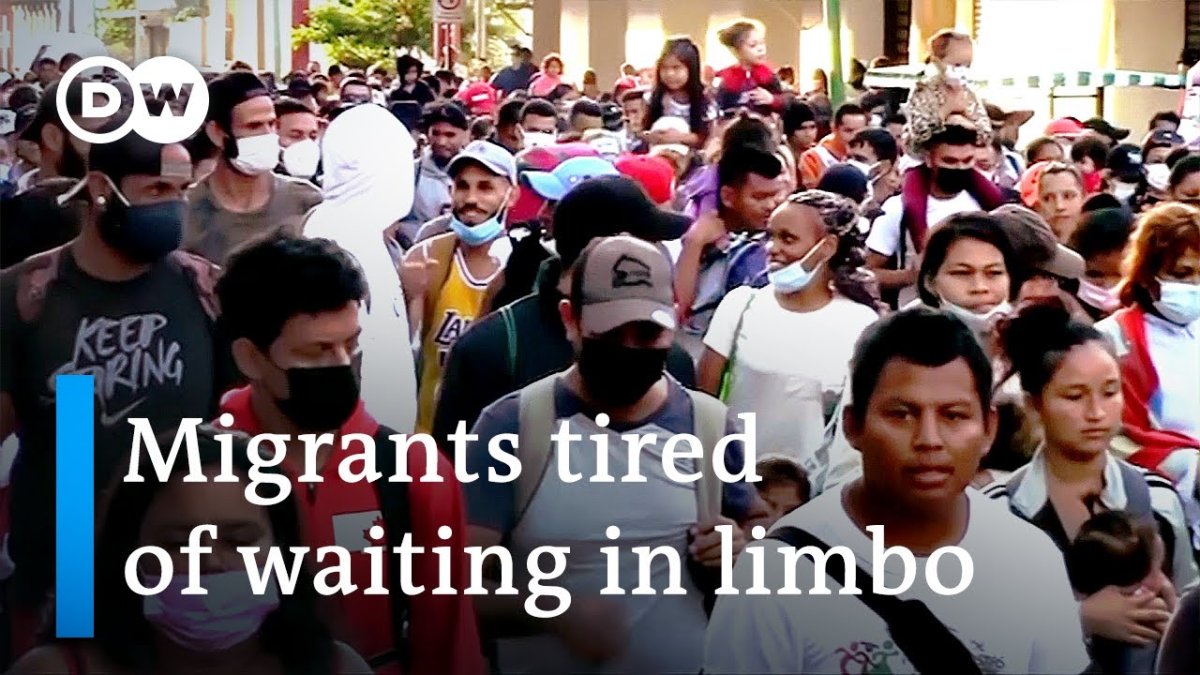
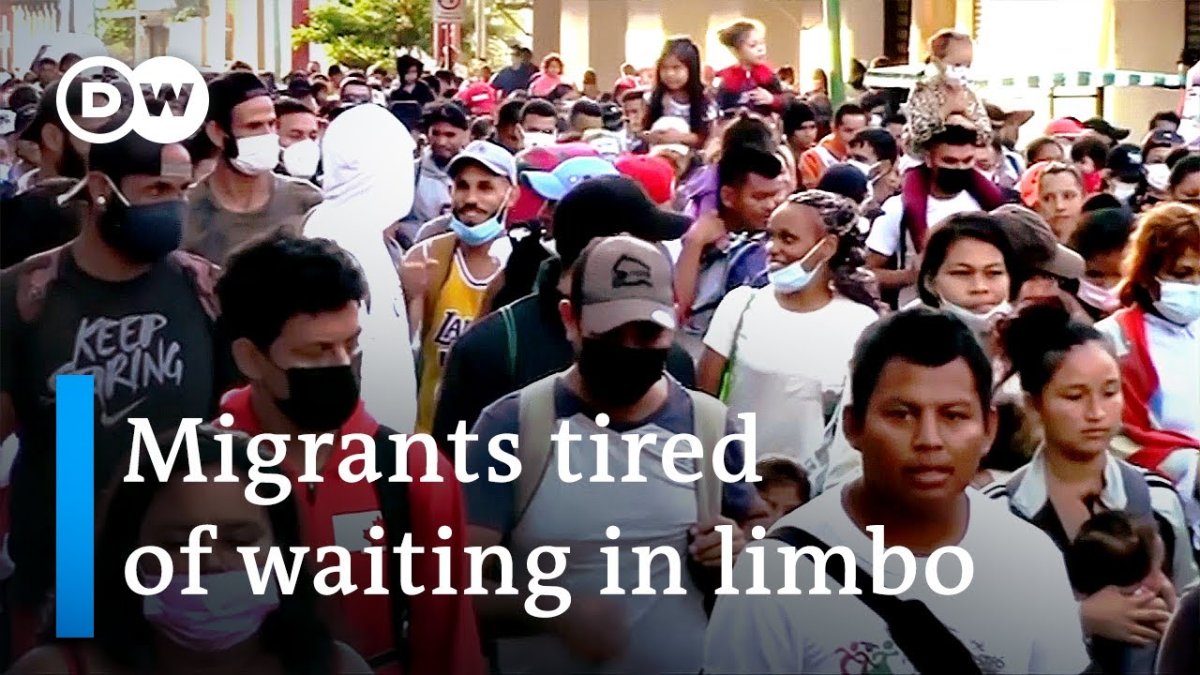
The DW News video titled "Thousands of migrants head toward US from southern Mexico" captures the latest movement along Mexico's southern frontier, where over two thousand migrants and refugees from Haiti, South and Central America walk north from the region. In late June 2026 a new group named "In God's Hands" set out from Tapachula in Chiapas, marking the third caravan of the
The DW News video titled "Thousands of migrants head toward US from southern Mexico" captures the latest movement along Mexico's southern frontier, where over two thousand migrants and refugees from Haiti, South and Central America walk north from the region. In late June 2026 a new group named "In God's Hands" set out from Tapachula in Chiapas, marking the third caravan of the year and drawing immediate attention from local authorities and residents alike.
The "In God's Hands" Caravan Leaves Tapachula
The "In God's Hands" caravan departed Tapachula on June 28, 2026, with roughly 200 participants from Honduras, Guatemala, El Salvador, Haiti, and Cuba. Organizers chose the name to reflect the faith many carry during the journey through southern Mexico. The group moved along the main highway toward Oaxaca, echoing earlier caravans that left in March and April 2026.
Instituto Nacional de Migración officers monitored the departure but did not block the walkers immediately. Participants carried backpacks and plastic bags filled with tortillas and water purchased at local tortillerías near the central market. Many cited violence in their home countries as the reason for leaving, while others hoped to reach larger Mexican cities rather than the northern border.
Comar Backlogs Leave Sixty Thousand Stranded
The Mexican Commission for Refugee Assistance, known as Comar, faces backlogs stretching up to two years in Tapachula. This delay has left approximately 60,000 foreign nationals stranded in the city under vulnerable conditions, according to local aid groups. Families wait in makeshift shelters near the bus terminal while their asylum claims remain unresolved.
SEGOB officials have acknowledged the strain on Comar resources, yet no additional funding has reached the southern office this year. INEGI data from early 2026 shows Tapachula's migrant population has grown steadily since 2024, overwhelming public services. Many applicants now sleep in parks or rented rooms in the colonia surrounding the Comar building.
Local Life in Tapachula Changes Under Pressure
Residents of Tapachula report shifts in daily routines as migrant numbers rise. Tianguis vendors near the central plaza now sell more bottled water and canned food to travelers, while local families share space in crowded neighborhoods. Crime linked to organized groups targeting migrants has increased, with reports of extortion near the bus station.
Business owners in the downtown area describe slower sales in some sectors because many newcomers lack steady income. At the same time, some tortillerías have hired extra hands from the migrant community to meet demand. Community leaders in Tapachula have organized food drives through churches to support both locals and newcomers.
Sheinbaum Administration Balances US Demands and Southern Border Reality
President Claudia Sheinbaum's government has reinforced immigration enforcement along the southern border to avoid potential US tariffs threatened during Donald Trump's second term. INM agents now conduct more frequent checks on buses leaving Chiapas, aiming to reduce the flow toward the northern border.
Hardline US policies have already cut crossings at the US-Mexico border, according to recent reports. Mexican authorities coordinate with US counterparts through SEGOB channels while maintaining that Mexico must address its own asylum capacity. Sheinbaum has emphasized humanitarian principles alongside border security in public statements this year.
Many Now Choose to Remain in Mexico
April 2026 saw hundreds of Haitians leave Tapachula on foot, yet many no longer target the US border as their final destination. Instead, they seek work in Mexico City, Monterrey, or Guadalajara where labor shortages exist in construction and food services. This shift reflects changing realities under stricter US enforcement.
INEGI surveys indicate growing numbers of Central American migrants apply for Mexican residency rather than continue north. Local employers in Monterrey have begun recruiting from these groups, offering jobs that allow families to settle. The trend reduces pressure on the northern route while creating new communities in central and northern Mexico.
The Human Face of Migration: Families on the Road
One family from Honduras traveling with the "In God's Hands" caravan includes a mother and two children who left their home after repeated extortion attempts. They carry documents from Comar and plan to apply for work permits once they reach Oaxaca. Their story mirrors thousands of others moving through Chiapas this summer.
Another group of Haitian asylum seekers paused near a roadside stand in Chiapas to rest and share food purchased from a local vendor. Parents described the difficulty of keeping children healthy during long walks while waiting for Comar appointments. These personal accounts highlight the daily challenges faced by people caught between policies in two countries.
What Comes Next for Mexico's Migration Crisis
Officials expect additional caravans to form in Tapachula before the end of 2026 as Comar backlogs persist. INM has increased patrols, yet the underlying causes of migration from Central America and Haiti remain unchanged. Local governments in Chiapas continue to request more federal support for shelter and legal processing.
Community organizations in Tapachula work to integrate those who stay, offering Spanish classes and job connections. The situation affects Mexican families through shared resources and changing neighborhoods, yet many residents express solidarity with people fleeing hardship. Future outcomes depend on coordinated action between Mexico City and Washington.
By Rosa Martinez, Staff WriterThis article was produced with AI-assisted research and editorial support. Reporting is based on sources cited in the article.
What's Your Reaction?
 Like
1
Like
1
 Dislike
0
Dislike
0
 Love
0
Love
0
 Funny
0
Funny
0
 Wow
0
Wow
0
 Sad
0
Sad
0
 Angry
0
Angry
0

Latin America/Andes Correspondent at Global1.News. Based in Bogota, covering politics, environment, energy, and social movements across the Andean region. Passionate about environmental journalism and communities protecting their land.














Comments (0)