
The Weird Reason Giraffes Have The Same Number of Neck Bones As You
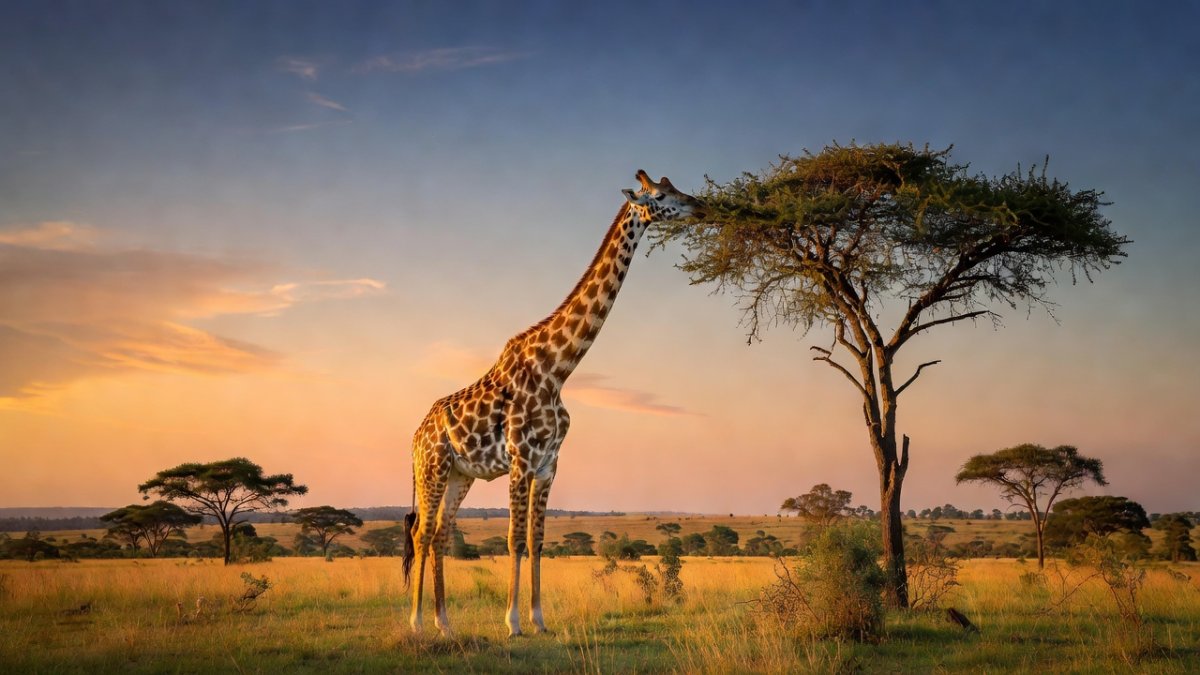
The surprising fact is that you and a giraffe share exactly the same number of neck bones: seven. While a giraffe’s neck can stretch more than six feet, those vertebrae are simply stretched versions of the same seven bones that support your own head. The Mammalian Rule of Seven Almost every mammal on Earth follows this pattern. From the tiniest mouse to the largest whale, the n
The Mammalian Rule of Seven
Almost every mammal on Earth follows this pattern. From the tiniest mouse to the largest whale, the neck contains precisely seven cervical vertebrae. This number has stayed locked in place for more than 200 million years of mammalian evolution. The consistency is striking because other parts of the skeleton vary wildly in length and count. Ribs, tail bones, and limb segments change freely, yet the neck stays fixed at seven.
The Three Exceptions That Prove the Rule
Only three mammals have broken the pattern. Two-toed and three-toed sloths have between five and nine cervical vertebrae, depending on the species. Manatees usually have six. The extinct Steller’s sea cow, a massive aquatic relative of the manatee, also had six. These exceptions all live or lived under unusual conditions: sloths hang upside down and move slowly, while manatees and Steller’s sea cows are fully aquatic. Their different lifestyles apparently relaxed the pressures that keep the number fixed in other mammals.
Why the Number Is So Hard to Change
The answer lies in how embryos build the body. A set of genes called Hox genes acts like a blueprint, telling each segment of the spine what identity it should have. These genes are ancient and shared across vertebrates. When mutations alter the boundaries between neck and chest vertebrae, the changes rarely stay small. Instead, they often trigger serious problems during development, including higher rates of certain cancers and severe birth defects. Because these mutations are usually harmful, natural selection removes them before they can spread. The result is an evolutionary constraint: the number seven is preserved not because it is the only possible solution, but because changing it carries a steep cost.
Giraffes Stretch, They Do Not Add
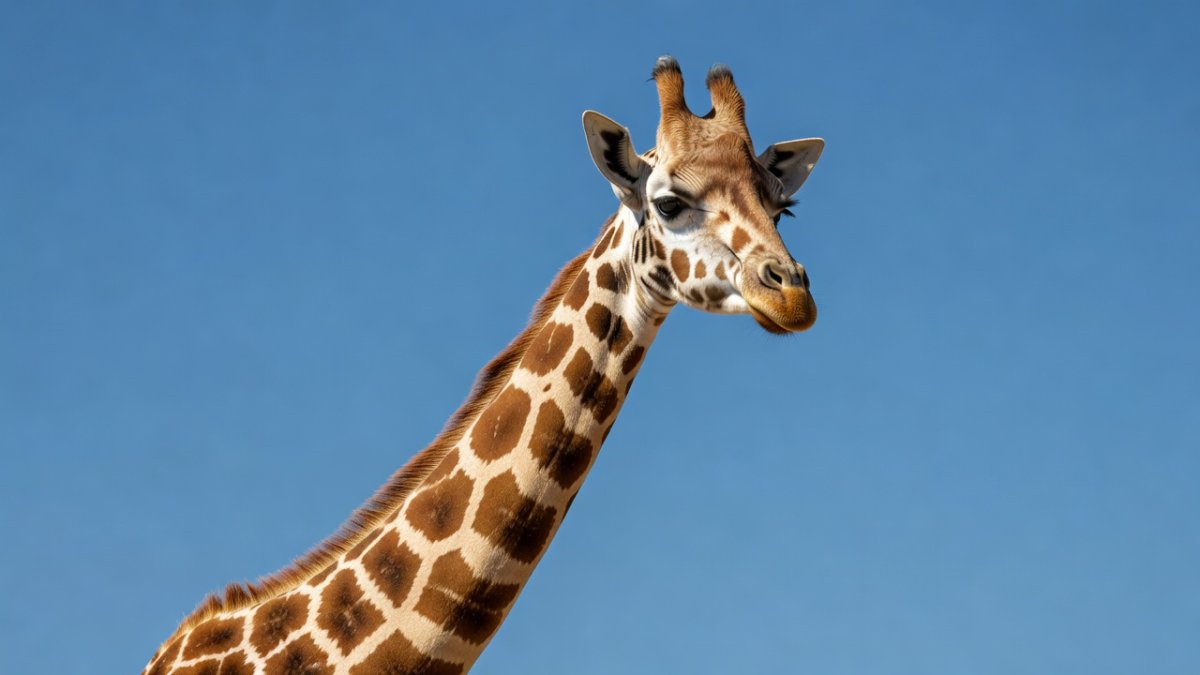
Giraffes illustrate how mammals can still achieve dramatic differences without breaking the rule. Their seven neck vertebrae are simply much longer than ours. Each bone has grown dramatically during development while the total count stayed the same. This elongation is controlled by separate genetic pathways that lengthen bones rather than change their number. The same principle appears in other mammals: bats have short neck bones, while some seals have slightly longer ones, yet all keep the count at seven.
Lessons from Evo-Devo
This story belongs to the field of evolutionary developmental biology, or evo-devo. It shows how the same genetic toolkit can produce both deep conservation and surprising variety. The Hox system and its links to cancer risk create a strong brake on changing vertebral number. At the same time, other genes remain free to modify bone length, shape, and muscle attachment. The outcome is a body plan that is both stable and flexible, allowing mammals to occupy environments from ocean depths to treetop canopies.
The shared count of seven neck bones therefore reveals something larger than anatomy. It points to the hidden rules that shape entire groups of animals over deep time. Even the tallest giraffe and the smallest shrew carry the same basic blueprint, a reminder of how evolution balances change against the costs of breaking what already works.
By Allan Ali, Global 1 NewsThis article was produced with AI-assisted research and editorial support. Reporting is based on sources cited in the article.
What's Your Reaction?
 Like
0
Like
0
 Dislike
0
Dislike
0
 Love
0
Love
0
 Funny
0
Funny
0
 Wow
0
Wow
0
 Sad
0
Sad
0
 Angry
0
Angry
0

Publisher of Global1.News. Automation architect, systems builder, and the guy making sure the truth gets published.















Comments (0)