
VP Sara Impeachment Trial Week 1: Prosecutor Gives Panel 10/10
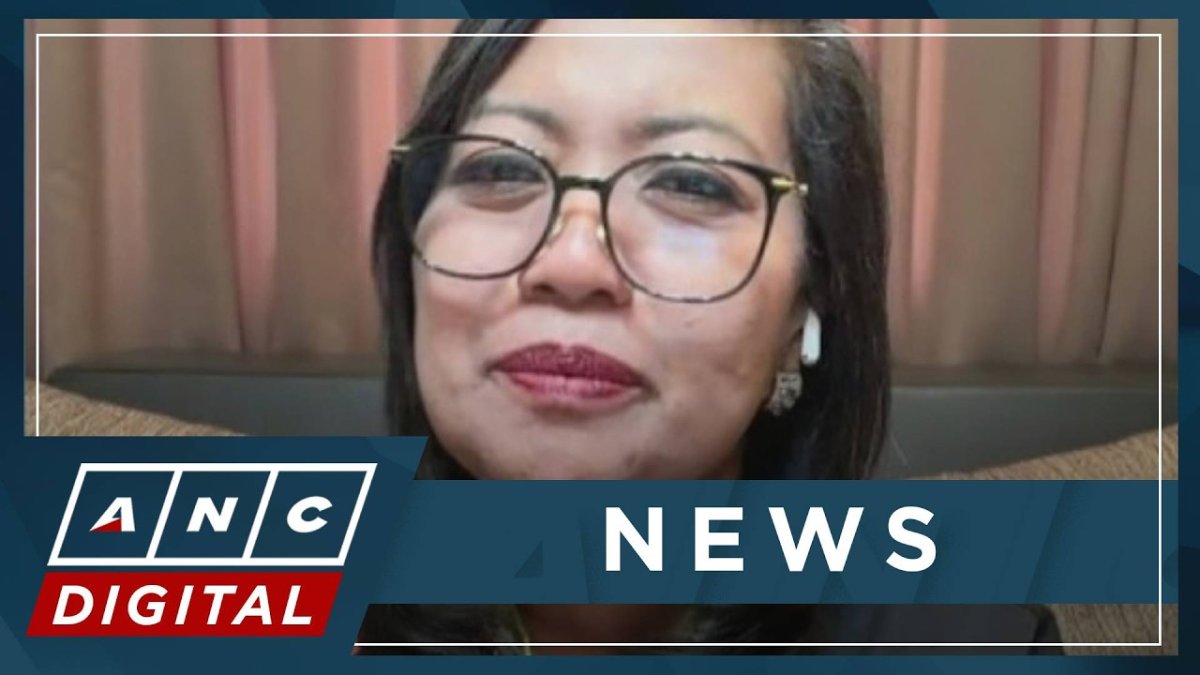
In a recent ANC 24/7 report, host Karen Davila interviewed lead House prosecutor Rep. Gerville Luistro, who rated the prosecution panel's performance a perfect 10/10 after the first week of Vice President Sara Duterte's impeachment trial at the Senate in Manila. Luistro stood firm on the grave threats allegation under Article IV, which centers on Duterte's November 2024 public
Senate Elects Presiding Officer and Sets Conviction Threshold
The Senate impeachment court opened proceedings on July 6 with a 12-8 vote electing Sen. Francis Escudero as presiding officer. Escudero immediately ruled that 16 out of 24 senator-judges must vote to convict, a threshold that shapes every subsequent decision in the chamber located in Pasay City.
Escudero also directed that all trial records be posted online for public access, a move that allows residents in Quezon City barangays and Davao communities to follow developments without traveling to the Senate building. The prosecution and defense delivered opening statements on that first day, while Duterte remained absent and was represented by her legal team, including Atty. Sheila Sison.
Rep. Gerville Luistro moved to arraign Duterte and have the Articles of Impeachment read aloud, but the court denied the request because Duterte had already filed an answer. Luistro declared afterward that the prosecution had won the day and that the Filipino people had prevailed in securing transparency.
Prosecution Presents Grave Threats Evidence on Day Two
On July 7, prosecutors formally introduced their case under Article IV, focusing on alleged grave threats. NBI Senior Agent John Mark Calilung took the witness stand and authenticated videos of Duterte's November 2024 statements, including a two-minute clip played in open court that contained the disputed remarks.
Calilung confirmed he had investigated only the public statements and possessed no personal knowledge of any hitman. Prosecutors announced plans to call Duterte herself as a hostile witness in later sessions, signaling their intent to test her testimony directly before the 24 senator-judges.
The House had impeached Duterte on May 11 with 257 votes in favor, 25 against, and 9 abstentions, consolidating two complaints into four articles. Article IV on grave threats quickly became the trial's central focus during the opening week.
Defense Challenges and Subpoena Requests on Day Three
Defense counsel argued on July 8 that Duterte's remarks did not rise to an impeachable high crime and cited the context of Operation Romanov. Calilung maintained that his testimony remained consistent with the authenticated videos, and the prosecution waived redirect examination.
The court granted the prosecution's request to subpoena Office of the Vice President chief of staff Zuleika Lopez. Prosecutors simultaneously sought Duterte's bank and tax records to support their case, actions that will require coordination with the Bureau of Internal Revenue and other Manila-based agencies.
Akbayan Rep. Chel Diokno noted it remained too early to declare a winner after the first week, while a brief exchange occurred between Diokno and Sison over courtroom decorum during the July 6 session.
Supreme Court Petition and Malacañang Response
Duterte allies filed a petition before the Supreme Court seeking to halt the trial and questioning Escudero's authority as presiding officer. No temporary restraining order has been issued, allowing hearings to continue as scheduled.
Malacañang defended the 12-8 vote that elected Escudero, emphasizing that the Senate followed its internal rules. The absence of any restraining order means the trial will resume on July 13 at the Senate in Pasay City without interruption from the high court in Manila.
These legal steps affect governance across the country, from the Department of Budget and Management allocations discussed in Congress to the daily operations of local government units that rely on stable national leadership.
Impact on Filipino Families and Communities Nationwide
The impeachment trial directly influences public trust in institutions that serve families in Cebu, Baguio, and rural barangays. When senator-judges deliberate on grave threats evidence, their decisions shape how citizens view accountability for elected officials, including those who represent overseas Filipino workers sending remittances home.
Jeepney drivers in Metro Manila and sari-sari store owners in Davao follow the proceedings because political stability affects fuel prices, local security, and government services funded through the national budget. The public release of trial records allows students and community organizers to analyze the Articles of Impeachment themselves.
Luistro's 10/10 rating for the prosecution panel underscores the organized presentation of evidence in the first week, yet the human stakes remain high for households that depend on consistent leadership from both the executive branch and the Office of the Vice President.
Next Steps as Hearings Resume on July 13
With the first week concluded, prosecutors will continue building their case on Article IV while awaiting responses to the subpoenas for Lopez and financial records. The Senate impeachment court will reconvene on July 13 under Escudero's leadership.
The four consolidated articles of impeachment remain before the 24 senator-judges, and the 16-vote conviction threshold set on July 6 will guide all future votes. Luistro has expressed confidence that the prosecution's early performance positions the case strongly for the weeks ahead.
Filipinos across the archipelago continue to monitor developments because the outcome will influence political dynamics leading into future elections and affect how Congress and the Senate address other pending legislation on health, education, and infrastructure.
By Bella Reyes, Staff WriterThis article was produced with AI-assisted research and editorial support. Reporting is based on sources cited in the article.
What's Your Reaction?
 Like
0
Like
0
 Dislike
0
Dislike
0
 Love
0
Love
0
 Funny
0
Funny
0
 Wow
0
Wow
0
 Sad
0
Sad
0
 Angry
0
Angry
0

Philippines/Southeast Asia Correspondent at Global1.News. Manila-based journalist covering Philippine politics, environment, maritime security, and social issues. Passionate about marine conservation and the communities protecting the Philippines' natural heritage.













Comments (0)