
Delhi's Air Quality Plunges to Season's Worst as AQI Crosses 260
Lead Delhi recorded an Air Quality Index of 261 on a sweltering July afternoon, marking the season's worst reading and the highest level seen in more than 85 days since mid-April 2026. At 5:30 PM the feels-like temperature hit 45.7°C, turning the capital into a furnace where residents struggled to breathe amid thick haze hanging over iconic landmarks. Streets near ITO and Anand
Lead
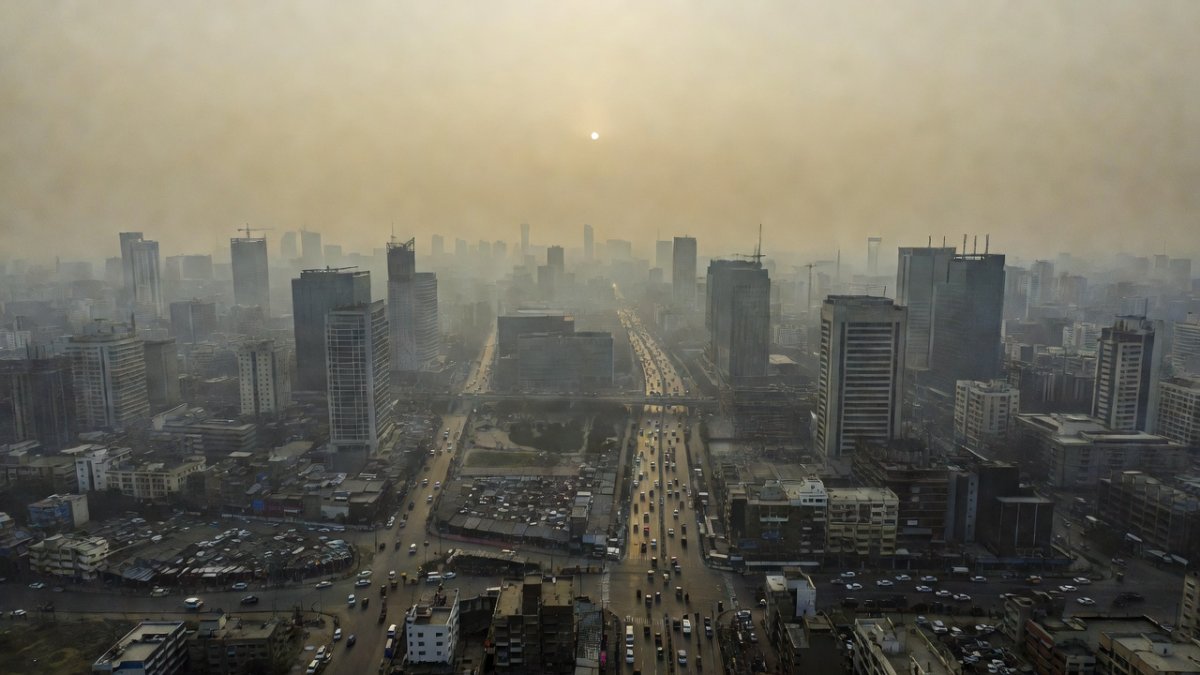
Delhi recorded an Air Quality Index of 261 on a sweltering July afternoon, marking the season's worst reading and the highest level seen in more than 85 days since mid-April 2026. At 5:30 PM the feels-like temperature hit 45.7°C, turning the capital into a furnace where residents struggled to breathe amid thick haze hanging over iconic landmarks. Streets near ITO and Anand Vihar bustled with masked commuters, yet the usual monsoon relief remained absent as dust and emissions lingered. This combination of extreme heat and poor air quality in July represents an unprecedented reversal of seasonal norms that experts had long considered impossible.
The National Capital Territory, home to over 20 million people, and the broader NCR region exceeding 30 million residents, experienced widespread discomfort as outdoor activities ground to a halt. Families kept children indoors while elderly residents reported immediate breathing difficulties, underscoring how the pollution spike defied typical summer expectations. Meteorologists noted that the absence of cleansing rains allowed particulate matter to accumulate rapidly under stagnant atmospheric conditions. Such an event signals a troubling shift that demands immediate public attention and policy recalibration.
Local monitoring networks captured the sudden deterioration, with residents describing the air as visibly murky despite the calendar date. The event caught many by surprise because July has historically offered cleaner skies, yet this year the combination of heat and emissions produced a toxic cocktail. Public health advisories from the Ministry of Health quickly urged vulnerable groups to limit exposure. This July reading therefore serves as a stark warning about the capital's deteriorating environmental trajectory.
The Numbers
The CPCB AQI scale classifies readings between 201 and 300 as Poor, placing the recorded 261 firmly in this category that triggers Stage I of the Graded Response Action Plan. This level exceeds the Moderate band of 101-200 and stands far above the Satisfactory range of 51-100 or Good readings of 0-50. In contrast, typical July averages in Delhi remain under 200 thanks to monsoon dispersion, while winter peaks routinely surpass 400 and enter the Severe category. The 261 figure therefore represents a sharp departure from expected summer conditions.
Monitoring stations across the city painted a consistent picture of elevated pollution, with ITO and Anand Vihar registering some of the highest concentrations due to heavy traffic and industrial proximity. Additional stations at RK Puram, Dwarka Sector 8, Rohini, and Punjabi Bagh all reported values clustering near or above 250, confirming the city-wide nature of the episode. These readings occurred against Delhi's chronic average PM2.5 levels of 100-150 µg/m³, which already exceed the WHO guideline of 15 µg/m³ by a factor of seven to ten. The data underscore how even modest meteorological lapses can push the city into dangerous territory.
Historical comparisons reveal that such summer spikes were rare before recent years, yet the current episode aligns with a gradual worsening trend observed since 2020. The 261 AQI reading, the highest since mid-April 2026, highlights how pollution control measures have failed to deliver sustained summer improvements. Experts emphasize that these numbers reflect both local emission sources and regional transport of pollutants. Continued monitoring will be essential to track whether this July anomaly becomes the new normal.
" alt="Delhi skyline shrouded in summer smog and haze" class="img-fluid">
Heat + Pollution Double Burden
High temperatures combined with elevated particulate matter create a synergistic health burden that amplifies cardiovascular and respiratory stress beyond what either factor produces alone. Hot air at 45.7°C forces the body to increase blood flow to the skin for cooling, yet PM2.5 particles simultaneously inflame lung tissue and reduce oxygen uptake efficiency. This dual assault leaves individuals fatigued and vulnerable to heatstroke even during routine activities. Delhi's population of over 20 million faces this compounded risk on an increasing number of days each year.
Dry heat allows sweat to evaporate and provide some relief, but when humidity rises alongside pollution the body's cooling mechanisms become severely compromised. Fine particles irritate airways, prompting shallow breathing that traps heat internally and raises core temperatures faster. Children and the elderly, already identified as highest-risk groups, experience rapid onset of symptoms including dizziness and chest tightness. The Ministry of Health advisory issued for such days explicitly warns these populations to remain indoors during peak afternoon hours.
Long-term exposure under these conditions accelerates chronic conditions because repeated inflammation damages alveolar structures and impairs thermoregulation. AIIMS data indicate that hospital admissions for respiratory issues rise 15 percent on days when AQI exceeds 200, a pattern now extending into summer months. The interaction between heat and pollution therefore transforms what should be a recovery season into an extended period of health strain. Public health systems must adapt protocols to address this emerging double burden.
Breaking Seasonal Patterns
July traditionally served as Delhi's cleanest month because monsoon rains wash pollutants from the atmosphere and improve dispersion through stronger winds. This year, however, erratic rainfall patterns and delayed monsoon onset allowed emissions to accumulate, producing the unexpected AQI of 261. Changing climate dynamics appear to be lengthening dry spells within the monsoon window, reducing the natural cleansing effect that once kept summer AQI below 200. Such shifts mirror broader trends observed across the Indo-Gangetic plain.
Stubble burning, while more prominent in winter, combines with year-round vehicular and industrial sources to maintain elevated baseline pollution that monsoon failure now exposes. Temperature inversions, once confined to November and December when AQI routinely crosses 400, are appearing earlier and persisting longer under altered weather regimes. The Commission for Air Quality Management, established in 2021 following Supreme Court intervention, has documented these seasonal boundary changes in its annual reports. Delhi's 30-million-plus NCR population therefore experiences extended periods of compromised air quality.
Policy frameworks built around predictable seasonal cycles require urgent revision to accommodate these new realities. National Clean Air Programme targets aim for a 40 percent reduction in PM2.5 by 2026 relative to 2017 baselines, yet progress remains uneven amid shifting meteorology. Without adaptive strategies that account for monsoon variability, summer months may no longer provide the annual respite residents once counted upon. Continuous data collection at stations such as Anand Vihar and RK Puram will be critical for refining forecasts.
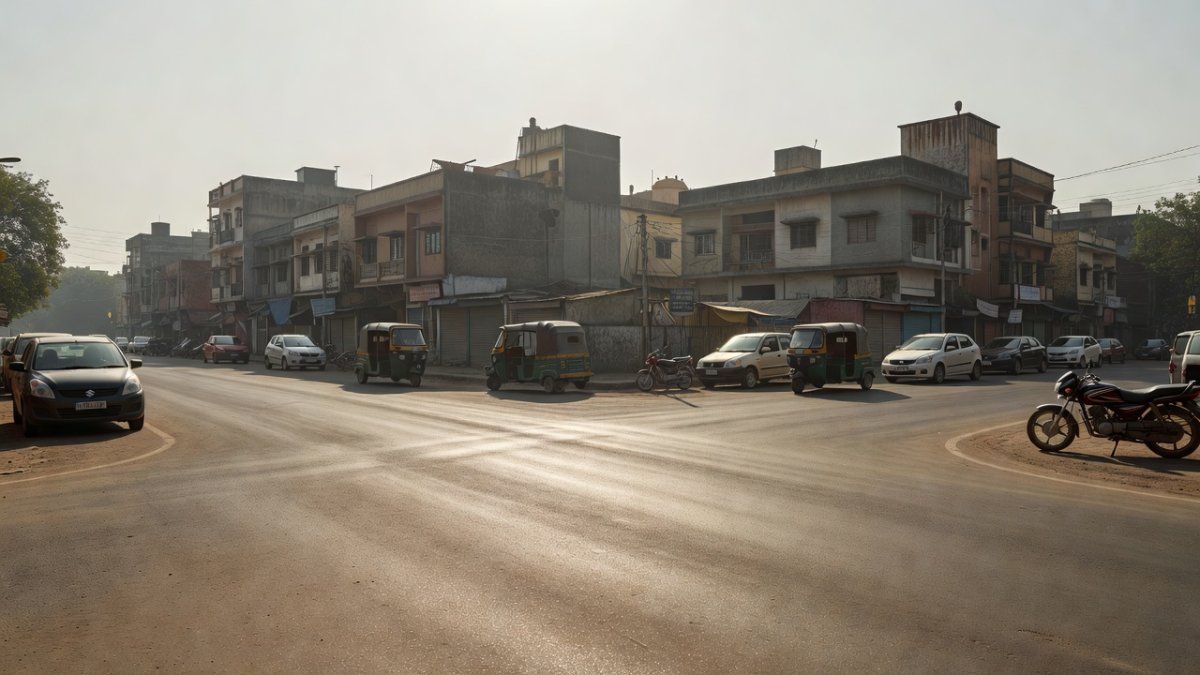 " alt="Delhi street scene during summer heatwave with empty roads" class="img-fluid">
Health Costs
AIIMS studies document a 15 percent surge in respiratory hospital admissions whenever AQI enters the Poor category, a burden now extending into July and affecting thousands of Delhi residents. Low-income neighborhoods near industrial zones and major roadways bear disproportionate impacts because residents lack access to air-conditioned indoor spaces during heat-pollution episodes. Children in these areas show measurable declines in lung function after repeated exposure, raising lifetime risks of COPD and asthma. The Ministry of Health advisory specifically flags these communities for priority outreach on high-AQI days.
School closures have become more frequent during pollution spikes, disrupting education for millions of students across the NCT and forcing parents to rearrange work schedules. Elderly populations with pre-existing conditions face elevated mortality risks, with emergency services reporting increased calls for oxygen support during the recent episode. Long-term cohort studies indicate that children growing up in Delhi's current air quality environment develop reduced lung capacity equivalent to several years of aging. These cumulative health costs translate into substantial economic losses through lost productivity and medical expenditures.
Vulnerable groups including those with asthma require continuous medication adjustments and monitoring that strain already stretched public health infrastructure. The 100 percent CNG conversion of auto-rickshaws and taxis achieved since 2022 has helped reduce certain tailpipe emissions, yet overall PM2.5 levels remain far above WHO guidelines. Without targeted interventions in low-income areas, health disparities will widen as pollution episodes intensify. Comprehensive screening programs and subsidized protective equipment represent essential next steps.
Policy Response
The Graded Response Action Plan activates Stage I measures at AQI levels of 201-300, including restrictions on construction and increased road watering, yet enforcement on the ground remains inconsistent across Delhi's sprawling urban landscape. The Commission for Air Quality Management, formed in 2021 after Supreme Court directives, coordinates inter-state efforts but faces challenges in aligning actions among multiple jurisdictions in the NCR. National Clean Air Programme targets seek a 40 percent PM2.5 reduction by 2026 compared with 2017 levels, yet current trajectories suggest the goal will require accelerated implementation. Supreme Court monitoring continues to push for stricter compliance and real-time reporting.
The odd-even vehicle scheme, last deployed during winter 2025, offers one proven tool for reducing traffic emissions, though its summer application has not been tested at scale. Stubble-burning mitigation through happy seeder machines and alternative crop residue management shows promise in Punjab and Haryana, yet adoption rates remain insufficient to prevent winter carryover effects. CAQM directives emphasize year-round source control rather than seasonal reactions, including expansion of electric public transport beyond the existing CNG fleet. Ground-level enforcement teams report difficulties in penalizing violations amid the city's dense and informal economic activities.
Progress under NCAP has been documented in some industrial clusters, yet residential and vehicular sources continue to dominate Delhi's pollution profile. Coordinated regional action remains essential because pollutants travel across state boundaries, undermining isolated city-level measures. The Supreme Court has repeatedly emphasized the need for binding timelines and transparent accountability mechanisms. Sustained political will and adequate funding will determine whether policy frameworks can reverse the current upward trend in summer AQI readings.
The Bottom Line
The July 2026 AQI reading of 261 demonstrates that Delhi's air quality trajectory is deteriorating even during months previously considered safe, signaling that existing seasonal assumptions no longer hold. Year-round action must replace episodic winter-focused responses if the capital is to protect its 20 million-plus residents from escalating health risks. Integration of climate adaptation measures with air quality management will be necessary to address both heat and pollution simultaneously. Without decisive shifts, similar episodes will recur with greater frequency and intensity.
Strengthening enforcement of GRAP stages, expanding real-time monitoring at all CPCB stations, and accelerating the National Clean Air Programme remain immediate priorities. Regional cooperation through CAQM must extend beyond advisory roles to include enforceable emission caps on major sources. Public awareness campaigns targeting vulnerable populations can reduce acute impacts while long-term infrastructure investments deliver structural improvements. The data from this episode provide a clear evidence base for recalibrating strategies.
Delhi's experience offers lessons for other Indian megacities facing similar compound threats from urbanization and climate change. Sustained reductions in PM2.5 toward WHO guidelines will require multi-year commitments that transcend electoral cycles. The 261 AQI reading should serve as a catalyst for comprehensive reform rather than another temporary headline. Only through persistent, science-driven policy can the capital secure breathable air for future generations.
— By Dr. Raj Patel, Staff WriterThis article was produced with AI-assisted research and editorial support. Reporting is based on sources cited in the article.
What's Your Reaction?
 Like
0
Like
0
 Dislike
0
Dislike
0
 Love
0
Love
0
 Funny
0
Funny
0
 Wow
0
Wow
0
 Sad
0
Sad
0
 Angry
0
Angry
0

India/South Asia Correspondent at Global1.News. Analytical voice with a background in science and health journalism. Based in New Delhi, covering Indian politics, education, healthcare, technology, and policy. Breaks down complex data into clear, actionable reporting.













Comments (0)