
AFWN 2025: Bold Styles at Africa Fashion Week Lagos
Africa Fashion Week Nigeria 2025 transformed Lagos into a vibrant hub of creativity and culture during the height of Detty December. The 11th edition drew thousands of fashion enthusiasts, designers, and celebrities to the city, showcasing the continent's growing influence on global style. With its free admission and focus on heritage textiles reimagined for modern audiences, t
Africa Fashion Week Nigeria 2025 transformed Lagos into a vibrant hub of creativity and culture during the height of Detty December. The 11th edition drew thousands of fashion enthusiasts, designers, and celebrities to the city, showcasing the continent's growing influence on global style. With its free admission and focus on heritage textiles reimagined for modern audiences, the event highlighted how Nigerian fashion continues to blend tradition with innovation in unforgettable ways.
Designers Showcase Bold Styles at Africa Fashion Week Nigeria 2025 in Lagos
Dakar, Senegal — Africa Fashion Week Nigeria 2025 stands as a powerful reminder of how fashion serves as a bridge between African nations, much like the vibrant scenes unfolding in Dakar through events such as Dakar Fashion Week. For Senegalese designers and enthusiasts, the Lagos showcase offers inspiration in the way it elevates local textiles and narratives onto international platforms. This connection underscores the shared journey of African creatives who draw from deep cultural roots while reaching for global recognition, making AFWN a vital part of the continent's fashion dialogue.
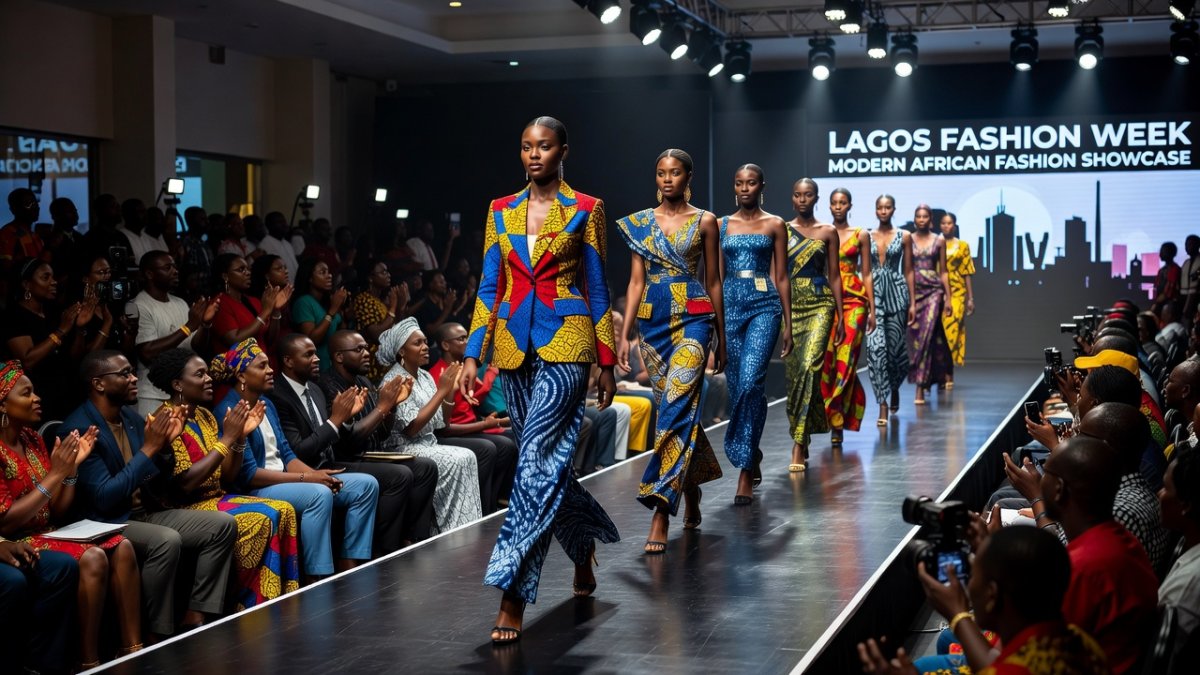
A Decade of African Fashion Excellence
Launched in 2014, AFWN has grown into one of Nigeria's premier fashion events, now celebrating its 11th edition with remarkable energy and reach. The 11th edition was held December 20-21, 2025 at the J. Randle Centre for Yoruba Culture & History in Onikan, Lagos, a venue that perfectly captured the spirit of cultural pride. Free and open to the public as part of the city's vibrant "Detty December" celebrations, the event welcomed everyone from local students to international visitors eager to experience the runway magic firsthand.
Organized by the Africa Fashion Week organization, which also runs Africa Fashion Week London, the gathering benefited from professional curation that has elevated its status year after year. The J. Randle Centre was a meaningful choice, a venue dedicated to Yoruba cultural heritage that resonated with the themes of the event and gave every collection an authentic backdrop. Over the past 11 years, AFWN has launched countless careers and put Nigerian fashion on the global map through consistent support for emerging talents.
The event has grown from a modest showcase to an international platform recognized across the fashion world, attracting buyers, media, and influencers who now see Lagos as an essential stop. This evolution reflects the broader maturation of Nigeria's creative industries, where fashion sits alongside music and film as a driver of national identity. Attendees often speak of the electric atmosphere that turns the two-day program into a celebration of resilience and beauty.
Many designers credit AFWN with their first major break, noting how the exposure helped them secure international orders and collaborations. The free admission policy ensures that fashion remains accessible, fostering a sense of community that distinguishes it from more exclusive events elsewhere. As the years pass, the platform continues to adapt while staying true to its mission of showcasing African excellence.
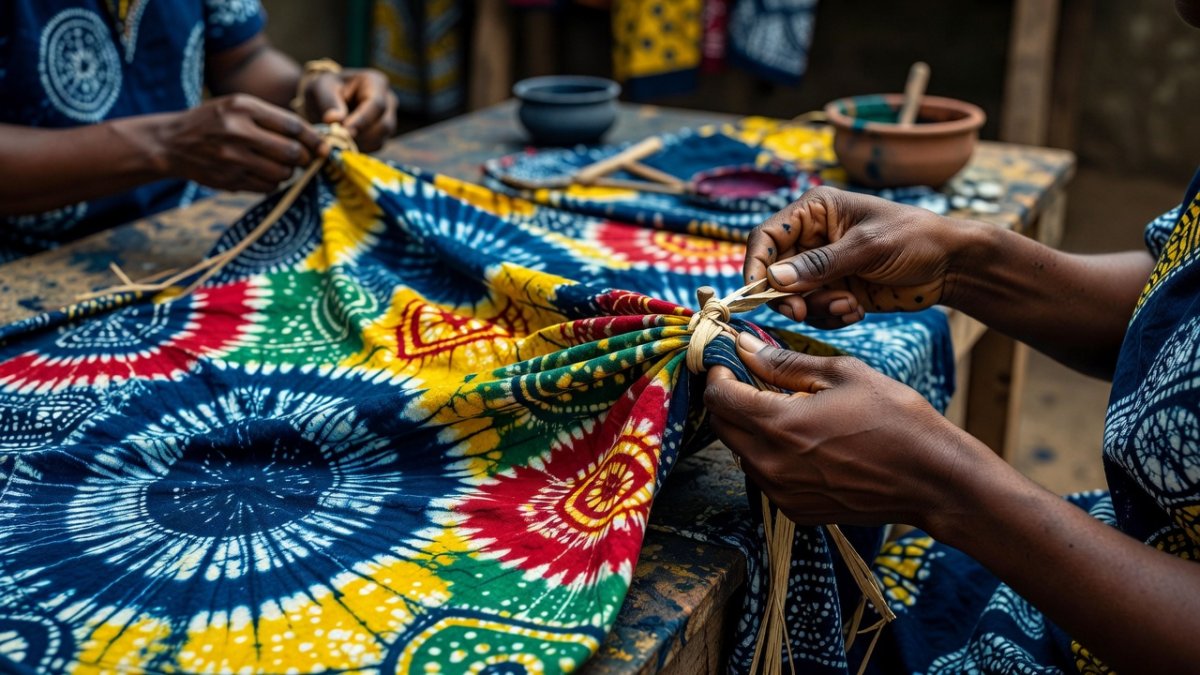
Heritage Textiles and Contemporary Design
A standout moment was House of Lunettes unveiling their Adire beachwear collection for the "Lagos Beach" store, where traditional craftsmanship met relaxed coastal vibes. Founder Akin Olaoye attended and paid respects to the Ooni of Ife, acknowledging the spiritual and cultural anchors that inform his work. The collection blended traditional Adire tie-dye fabric with modern beachwear silhouettes, creating pieces that felt both rooted and refreshingly new.
Focus on heritage textiles such as Adire, Ankara, and Aso-oke reimagined for global markets ran through many presentations, showing how Nigerian designers are taking traditional fabrics and giving them contemporary, wearable forms. These materials carry stories of community, ritual, and artistry that resonate far beyond the runway. Viewers could see the careful dyeing techniques and intricate patterns transformed into flowing dresses, tailored jackets, and even swimwear that honors the past while speaking to today's lifestyles.
The cultural significance of Adire as a Yoruba textile art form dating back centuries added depth to every look, reminding audiences of the skill passed down through generations. AFWN has become a platform where tradition meets innovation, allowing young creators to experiment without losing the essence of their heritage. This balance has helped Nigerian fashion gain respect in circles that once overlooked African textiles.
Senegal's own designers often draw similar inspiration from local weaves and dyes, making the Lagos presentations feel like a natural extension of conversations happening in Dakar. The result is clothing that travels well, appealing to diaspora communities and international buyers alike. Such moments reinforce why events like AFWN matter for preserving and evolving cultural expressions through fashion.
Celebrity Power and Runway Energy
BBNaija Season 10 winner Imisi walked the runway with confidence, bringing star power that amplified the excitement of the weekend. Koyin Sanusi, a BBNaija S10 contestant, delivered a praised runway appearance alongside Sterling, their chemistry lighting up the catwalk and drawing cheers from the crowd. Celebrity attendance included the Ooni of Ife, one of Nigeria's most prominent traditional rulers, whose presence lent gravitas and cultural blessing to the proceedings.
The runway shows drew large crowds that spilled into the surrounding areas of the J. Randle Centre, creating a festive street-party atmosphere typical of Detty December. Models showcased collections from established names like Mai Atafo, the Nigerian premium menswear designer known for modern agbada tailoring that updates classic silhouettes for the contemporary man. Orange Culture, led by Adebayo Oke-Lawal, brought contemporary streetwear with an activist edge, using bold prints to comment on social themes.
Sisiano presented artistic collections with distinctive creative direction, featuring sculptural forms and unexpected color combinations that challenged conventional ideas of evening wear. Style Afrique described the event as "Lagos Ignites the Global Runway Revolution," capturing the sense that something significant was unfolding in real time. AFWN has become a destination for celebrities and fashion lovers alike, where red-carpet moments blend seamlessly with serious design discussions.
The energy on the runway translated into social media buzz that extended the event's reach far beyond Lagos. Young attendees left inspired to pursue their own creative paths, seeing familiar faces from reality television alongside respected traditional leaders. This mix of glamour and substance keeps the audience returning year after year.
Lagos as Africa's Fashion Capital
Lagos has established itself as Africa's undisputed fashion capital through events that consistently attract global attention and investment. The broader Lagos fashion calendar includes AFWN, Lagos Fashion Week, GTCO Fashion Weekend, and the Lagos Leather Fair scheduled for June 27-28, 2026, creating a year-round ecosystem of creativity and commerce. Nigeria's fashion industry is worth billions and growing, with AFWN serving as a key driver of this expansion by spotlighting both established houses and newcomers.
The economic impact of fashion on Lagos and Nigeria's creative economy is substantial, generating jobs in tailoring, textile production, modeling, and event management. Detty December has become a major cultural phenomenon that draws visitors from across the diaspora, boosting hotels, restaurants, and local artisans during the festive season. Fashion, music, and film intersect in Lagos's creative scene, forming a powerful trifecta where Afrobeats rhythms influence runway music and Nollywood stars become style icons.
Designers often cite the city's energy as a source of constant inspiration, with street style providing endless ideas for collections. The free and open nature of AFWN ensures that this economic activity reaches a wide cross-section of society rather than remaining confined to elite circles. As the industry matures, more young people see viable careers in fashion rather than viewing it solely as a hobby.
International buyers now schedule trips around the Lagos calendar, recognizing the quality and originality on display. This recognition helps circulate revenue back into local communities that produce the fabrics and garments. The result is a self-reinforcing cycle of creativity and commerce that strengthens Lagos's position on the world stage.
From Lagos to London: African Fashion Goes Global
Africa Fashion Week London (AFWL) 16th edition is coming in August 2026, serving as the sister event to AFWN and extending the platform's reach into European markets. How AFWN connects Nigerian designers to international markets was evident in the number of buyers and press who traveled specifically for the December shows. Wear Africa Fashion Week and Award 2026, held June 4-6, 2026, just concluded and signaled another sign of the growing fashion ecosystem across the continent.
The global demand for African-inspired fashion continues to rise, with consumers seeking authentic stories behind the garments they purchase. African diaspora engagement through fashion creates emotional connections that turn casual buyers into loyal supporters of the industry. Platforms like AFWN are changing perceptions of African creativity worldwide by presenting work that rivals any European or American counterpart in sophistication and originality.
The economic opportunity for African designers in the global luxury market is significant, as brands increasingly look to the continent for fresh perspectives and sustainable practices. Many Lagos-based labels are now exploring partnerships that allow them to scale production while maintaining artisanal quality. This expansion brings both opportunities and the need for careful navigation of intellectual property and cultural representation.
Senegalese creatives watch these developments closely, seeing parallels with their own efforts to position Dakar as a fashion destination. The cross-pollination between events in Nigeria and those in Senegal strengthens the entire African fashion narrative. Ultimately, the journey from Lagos runways to London stages demonstrates how local pride can translate into worldwide influence.
What to Watch For
AFWN 2026 is expected in December 2026 during the next Detty December, promising even larger crowds and more ambitious presentations. The growth of African fashion weeks across the continent signals a maturing industry that no longer relies on validation from Western capitals. Senegalese connection remains strong through Dakar Fashion Week and Saint-Louis fashion events, where similar themes of heritage and innovation appear in local collections.
The rising influence of African designers at international fashion weeks in Paris, Milan, and New York shows that the momentum from Lagos is spreading. Mbalax-inspired fashion from Senegal, blending traditional fabrics with contemporary streetwear, offers a complementary voice to the Nigerian expressions seen at AFWN. The future of African fashion will likely emphasize sustainability, technology, and cultural preservation as designers respond to global challenges while honoring their roots.
Young talents from both countries are already experimenting with digital tools to create virtual collections and reach wider audiences. These developments suggest that the next decade will bring even greater integration between African fashion ecosystems. Observers in Dakar and Lagos alike are optimistic about what lies ahead.
Africa Fashion Week Nigeria 2025 proved once again that the continent's fashion industry is not just growing — it's leading. From the Adire-draped runways of Lagos to the global stages of London and Paris, African designers are writing a new chapter in fashion history. For fashion lovers across the continent and the diaspora, this is a moment to celebrate — and to wear proudly.
By Amara Diop, Staff Writer
This article was produced with AI-assisted research and editorial support. Reporting is based on sources cited in the article.
What's Your Reaction?
 Like
0
Like
0
 Dislike
0
Dislike
0
 Love
0
Love
0
 Funny
0
Funny
0
 Wow
0
Wow
0
 Sad
0
Sad
0
 Angry
0
Angry
0

West Africa/Sahel Correspondent at Global1.News. Dakar-based journalist covering politics, security, climate, and development across Francophone and Anglophone West Africa. Tells the stories of a region undergoing profound transformation.










Comments (0)