
Erwin Tulfo Eyes Blue Ribbon Review of Mindanao Infra Projects After Magnitude 7.8 Earthquake
When a magnitude 7.8 earthquake leveled swaths of Mindanao, it was not just the ground that cracked — questions about the buildings that fell are now pushing Philippine lawmakers toward a reckoning. In a recent ANC 24/7 report, ACT-CIS Party-list Representative Erwin Tulfo announced he is seeking a House Blue Ribbon committee review of infrastructure projects across Mindanao fo
When a magnitude 7.8 earthquake leveled swaths of Mindanao, it was not just the ground that cracked — questions about the buildings that fell are now pushing Philippine lawmakers toward a reckoning. In a recent ANC 24/7 report, ACT-CIS Party-list Representative Erwin Tulfo announced he is seeking a House Blue Ribbon committee review of infrastructure projects across Mindanao following the magnitude 7.8 earthquake that struck on June 8, 2026. For the thousands of families now sleeping in makeshift tents, the inquiry offers the first real chance to ask why their schools, hospitals, and homes did not survive the shaking.
Erwin Tulfo Eyes Blue Ribbon Review of Mindanao Infra Projects After Devastating Magnitude 7.8 Earthquake
Manila, Philippines — June 12, 2026 — ACT-CIS Party-list Representative Erwin Tulfo announced he is seeking a House Blue Ribbon committee review of infrastructure projects across Mindanao. Tulfo stated the inquiry would focus on whether substandard construction and weak building code enforcement by the DPWH contributed to the collapse of schools, hospitals, and residential buildings in General Santos City, Glan, and Jose Abad Santos.
The proposal comes after House Speaker Bojie Dy led a congressional delegation to the quake-hit areas on June 11, where lawmakers inspected damaged public works funded through the national budget.
Senator Sherwin Gatchalian separately called for a nationwide review of building code standards, citing the 19,000-plus houses damaged in the Cotabato Trench quake.
The Earthquake's Toll — specific facts about casualties and damage
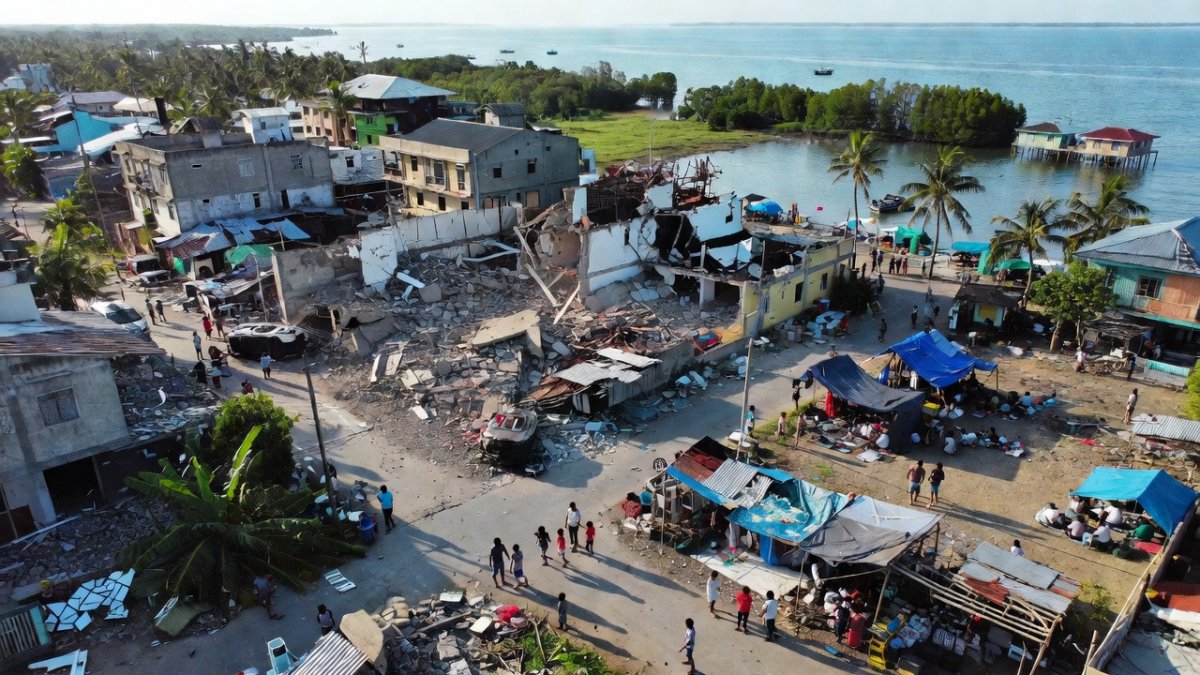
The magnitude 7.8 earthquake struck off Mindanao at 7:37 AM on June 8 from the Cotabato Trench, triggering a 3-foot tsunami recorded in the Philippines, Indonesia, Japan, and Palau.
The OCD validated 47 deaths as of June 12, while the BFP reported more than 60 fatalities and other agencies counted 55; 38 people remain missing in Glan, Sarangani, General Santos City, Jose Abad Santos, and Balut Island.
More than 200 people were injured and over 10,000 families were displaced, with 3,500 houses totally destroyed and another 15,500 damaged across the affected barangays.
Phivolcs recorded 130 aftershocks, including one measuring magnitude 6.7, and warned that quakes exceeding magnitude 8.1 remain possible from the six active trenches surrounding the archipelago.
Infrastructure Questions — building code concerns
Tulfo's proposed Blue Ribbon review will examine DPWH projects in Mindanao to determine if contractors violated the National Building Code during construction of public schools and hospitals that collapsed.
A Jollibee restaurant in one of the hardest-hit towns crumbled during the shaking, while school children in Glan fled as the roof of their evacuation shelter gave way.
Thousands of buildings, including government facilities in Sarangani and Balut Island, suffered severe damage, prompting criticism that substandard materials and lax inspections amplified the destruction.
House members noted that many affected structures had received funding in recent national budgets yet failed to withstand the main shock and subsequent aftershocks.
Government Response — aid efforts and challenges
President Marcos ordered P50,000 in financial assistance for each affected family, while the NHA suspended amortization payments for all Mindanao housing projects in June and began distributing P30,000 cash grants to at least 2,000 families in General Santos City.
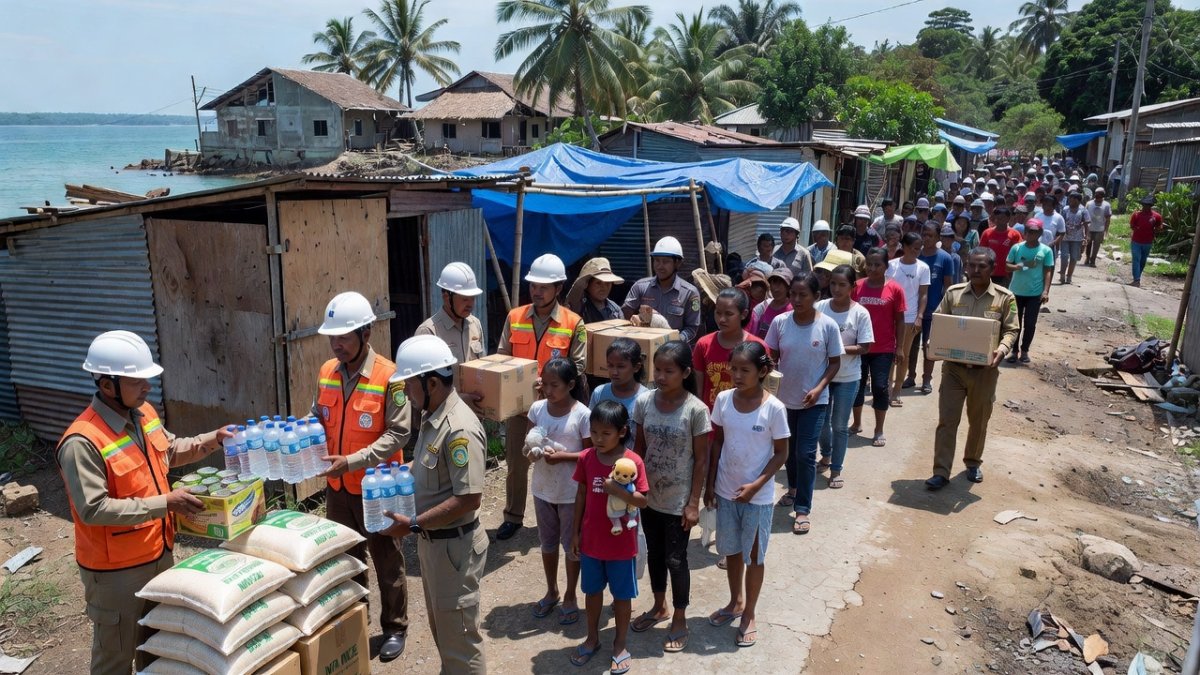
DPWH teams continue clearing landslide-blocked highways using heavy equipment, with helicopters and sea vessels delivering food, water, and medicine to isolated areas in Glan and Balut Island.
The OCD is assessing whether to shift search-and-rescue operations to retrieval, as urgent needs include clean water, shelter repair kits, and tents for the displaced.
Classes remain suspended in all affected municipalities, and local governments coordinate with the Philippine National Police to maintain order at distribution points.
Impact on Communities — human stories from affected areas
In Glan, Sarangani, families who lost homes now sleep in makeshift tents along the coast, relying on bayanihan efforts from neighboring barangays to share rice and cooking fuel.
Residents of Jose Abad Santos reported that landslides cut off the main road, forcing the use of fishing boats to transport the injured to medical facilities in General Santos City.
School children in Balut Island described running from collapsing classrooms, while parents worry about lost school supplies and the indefinite suspension of DepEd classes.
OFW families in the region, many of whom invested remittances in concrete houses, now face total loss and uncertain reconstruction timelines amid ongoing aftershocks.
What to Watch For — next steps
The House Blue Ribbon committee is expected to schedule hearings within the coming weeks to summon DPWH officials and contractors involved in Mindanao infrastructure projects.
Phivolcs continues to monitor the Cotabato Trench and five other active faults, advising local governments to update their earthquake preparedness plans before the next major event.
Relief organizations report that donations of water, tarpaulins, and medical supplies remain critically low, with OCD urging continued public support for the 10,000 displaced families.
Community leaders in General Santos City and Sarangani are organizing meetings to push for stricter enforcement of building codes in any future reconstruction funded by the national government.
By Bella Reyes, Staff WriterThis article was produced with AI-assisted research and editorial support. Reporting is based on sources cited in the article.
What's Your Reaction?
 Like
0
Like
0
 Dislike
0
Dislike
0
 Love
0
Love
0
 Funny
0
Funny
0
 Wow
0
Wow
0
 Sad
0
Sad
0
 Angry
0
Angry
0

Philippines/Southeast Asia Correspondent at Global1.News. Manila-based journalist covering Philippine politics, environment, maritime security, and social issues. Passionate about marine conservation and the communities protecting the Philippines' natural heritage.














Comments (0)