
1,000 Days Since Oct 7: Southern Israel Remembers
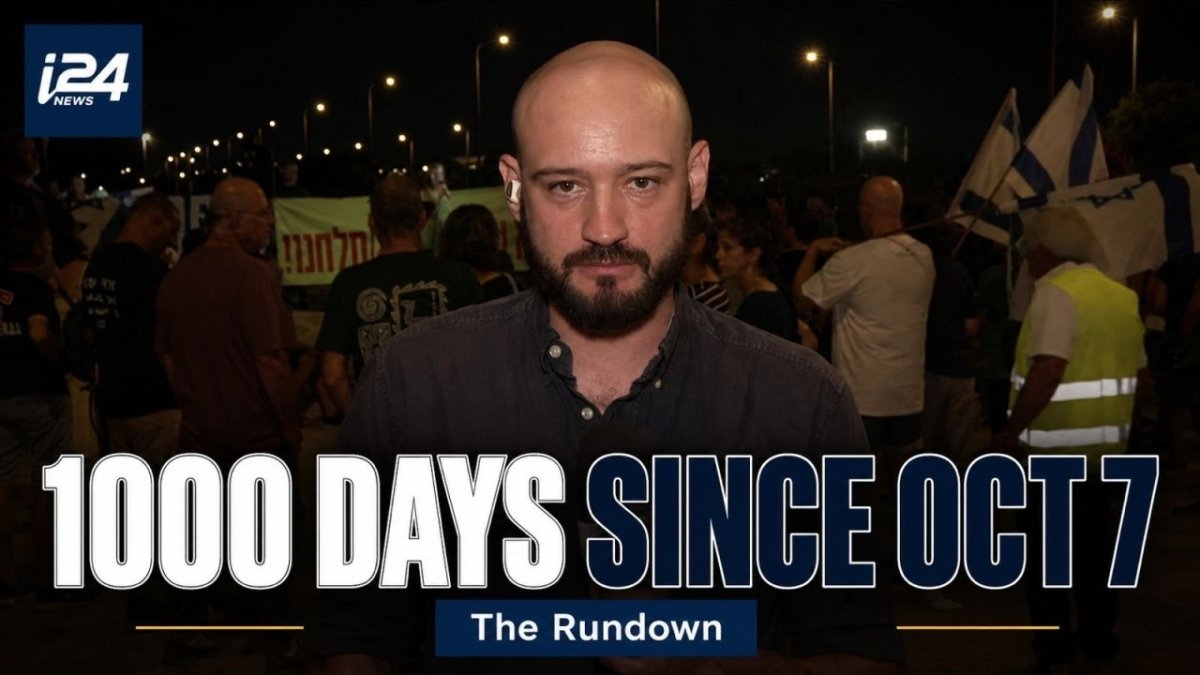
In a recent i24NEWS report on southern Israeli residents marking 1,000 days since October 7, communities across the Gaza envelope began ceremonies at 6:29 a.m. on July 2, 2026, the precise moment Hamas launched its assault from Gaza. The October Council, representing bereaved families, survivors, and former hostages, coordinated events that included roadblocks in Jerusalem and
In a recent i24NEWS report on southern Israeli residents marking 1,000 days since October 7, communities across the Gaza envelope began ceremonies at 6:29 a.m. on July 2, 2026, the precise moment Hamas launched its assault from Gaza. The October Council, representing bereaved families, survivors, and former hostages, coordinated events that included roadblocks in Jerusalem and Caesarea. These actions highlighted ongoing demands for accountability from the Prime Minister's Office and the Knesset.
Memorial Convoys and Exhibitions
The October Council organized a memorial convoy that visited the Nova festival grounds near Kibbutz Re'im, then proceeded to Nir Oz, Kissufim, Be'eri, Nahal Oz, and Kfar Aza before concluding at a memorial site near Sderot. Participants placed personal items at each location to honor the 1,200 people killed, mostly civilians, during the October 7, 2023 attack. The convoy underscored the direct impact on kibbutzim that lost 318 residents that day.
A nationwide moment of silence took place at 10 a.m. across Israel, including in Tel Aviv where the "One Thousand Memories" exhibition opened. The exhibition displayed personal belongings of murdered civilians, fallen soldiers, and hostages for the first time. Organizers from the October Council stated that these items connect daily life in southern communities to the broader failure of border security managed by the IDF.
Protests Targeting Leadership
Demonstrators gathered outside Prime Minister Benjamin Netanyahu's private residence in Caesarea, where activists installed a symbolic bedside table, red telephone, calendar marked October 7, and clock frozen at 6:29 a.m. Protesters wore orange prison-style jumpsuits and carried signs accusing the government of moral, leadership, and strategic failure. The October Council framed these actions as direct pressure on the PMO to establish a state commission of inquiry.
Near the Knesset in Jerusalem, a mock funeral procession drew attention to the absence of any state commission of inquiry after 1,000 days. Opposition MK Avigdor Lieberman visited Kfar Aza and noted that warning signs before the attack had been ignored by security officials. Former IDF Chief of Staff Gadi Eisenkot, now heading the centrist Yashar party, issued a statement pledging that Israel would still prove worthy despite the failures.
Testimonies from Former Hostages and Families
Freed hostage Rom Braslavski, held in Gaza for 737 days before release in October 2025, addressed the main evening rally and invited the public to pay respects at memorial sites. Danny Miran, whose son Omri was held hostage before being freed, stated that the conflict represented a war of bloodshed rather than revival, with fifty additional hostages potentially returned alive under different decisions by the security cabinet.
Sharon Sharabi, whose brother Yossi died in Hamas captivity while his brother Eli, sister-in-law Lian, and nieces Noya and Yahel were murdered in the Kibbutz Be'eri attack, questioned how the State of Israel failed to protect its citizens after 1,000 days without a commission. These accounts from the Gaza envelope tie directly to Shin Bet assessments of intelligence lapses along the border fence.
Rehabilitation in the Gaza Envelope
The Tekuma Directorate, Israel's rehabilitation authority for Gaza border communities, reported that over 92 percent of residents have returned to their homes. Fifty-six kibbutzim were evacuated after October 7, 2023, and the directorate confirmed that 5,000 new residents have since moved into the area. These figures reflect ongoing efforts coordinated with the IDF to restore daily life near the Gaza border.
Reconstruction projects in places such as Kibbutz Be'eri and Nahal Oz now include reinforced security infrastructure funded through the Tekuma Directorate. Residents in Sderot and surrounding communities have resumed agricultural work and local commerce, though sporadic clashes on the Gaza front continue to affect routines. The return rate demonstrates concrete progress amid unresolved questions about long-term defense policy from the Defense Ministry.
Regional Implications and Ongoing Fronts
The October 7 attack triggered a war that expanded to multiple fronts involving Hezbollah in Lebanon and the Houthis in Yemen, both backed by Iran, along with direct exchanges between Israel and Iran. Fighting has largely subsided, yet no permanent ceasefire exists and clashes persist along the northern border and in Gaza. The Foreign Ministry continues diplomatic efforts to address these threats while the Knesset debates military readiness.
Israeli institutions including the Mossad and IDF maintain operations against Iranian proxies, with security concerns in Jerusalem and Tel Aviv reflecting the wider fallout. The absence of a state commission of inquiry into the original attack limits public examination of how these regional dynamics developed from the initial breach at the Gaza envelope. Families and survivors argue that accountability remains essential for restoring confidence in national defense structures.
By Hannah Berg, Staff WriterThis article was produced with AI-assisted research and editorial support. Reporting is based on sources cited in the article.
What's Your Reaction?
 Like
0
Like
0
 Dislike
0
Dislike
0
 Love
0
Love
0
 Funny
0
Funny
0
 Wow
0
Wow
0
 Sad
0
Sad
0
 Angry
0
Angry
0

Israel Correspondent at Global1.News. Based in Tel Aviv, covering Israeli politics, security, technology, and society. Provides balanced, deeply-sourced reporting on one of the most closely-watched regions in the world.















Comments (0)