
Back to the Roots: Zimbabwe's Traditional Food Revival Gains Momentum
In the bustling markets of Dakar where I grew up, the aroma of thieboudienne simmering in clay pots always reminded me that food carries the soul of a people. That same truth struck me deeply during my recent visit to Bulawayo, Zimbabwe's second city and cultural heartland of the Ndebele people, where a quiet but powerful revival of traditional cuisine is unfolding in narrow al
In the bustling markets of Dakar where I grew up, the aroma of thieboudienne simmering in clay pots always reminded me that food carries the soul of a people. That same truth struck me deeply during my recent visit to Bulawayo, Zimbabwe's second city and cultural heartland of the Ndebele people, where a quiet but powerful revival of traditional cuisine is unfolding in narrow alleyways and family-run kitchens. From open-fire cooking using three-legged pots to the slow simmer of thick maize-meal porridge called sadza (isitshwala in Ndebele), the city is reclaiming its culinary heritage with pride and purpose.
Back to the Roots: Zimbabwe's Traditional Food Revival Gains Momentum
Bulawayo, Zimbabwe — The streets here hum with the scent of sorghum porridge and village-reared chicken, drawing locals and visitors alike back to flavors that sustained generations. This movement is not merely about nostalgia but about health, identity, and resilience in the face of changing diets across the continent.
The Rise of Indigenous Restaurants in Bulawayo
Dr. Makhosi Mahlangu, food scientist and lecturer, notes that five years ago Bulawayo had fewer than 10 indigenous restaurants, yet today around 30 vibrant establishments now serve traditional meals daily. These spots operate from modest spaces where open-fire cooking using three-legged pots in narrow alleyways creates an authentic atmosphere that cannot be replicated in modern kitchens. Taurai Gona, restaurant manager, explains that customers increasingly seek out these venues because they recognize the value of returning to ancestral eating patterns.
Siphatisiwe Ncube, kitchen owner for 15 years, runs one such establishment that employs more than a dozen workers and serves only traditional dishes without modern shortcuts. Her menu features boiled village-reared chicken, ox-head stew, tripe, and okra prepared exactly as she learned while growing up cooking for her brothers. Ncube insists that every ingredient must meet the standards of authenticity that her family upheld for decades.
These restaurants have become gathering points where families reconnect over meals that evoke childhood memories. The demand has grown so steadily that many owners report lines forming before opening hours, especially on weekends when extended families arrive together. The growth reflects a broader shift away from processed options toward meals rooted in Ndebele culinary traditions.
Former Miss Zimbabwe Nomusa Ndiweni-Emiyoit, who spent years in Britain and France, returned craving the home-cooked Zimbabwean food she missed abroad. She now frequents several of these new establishments, noting how they fill a gap that international cuisine never could. The scene continues to expand as more entrepreneurs recognize the steady customer base.
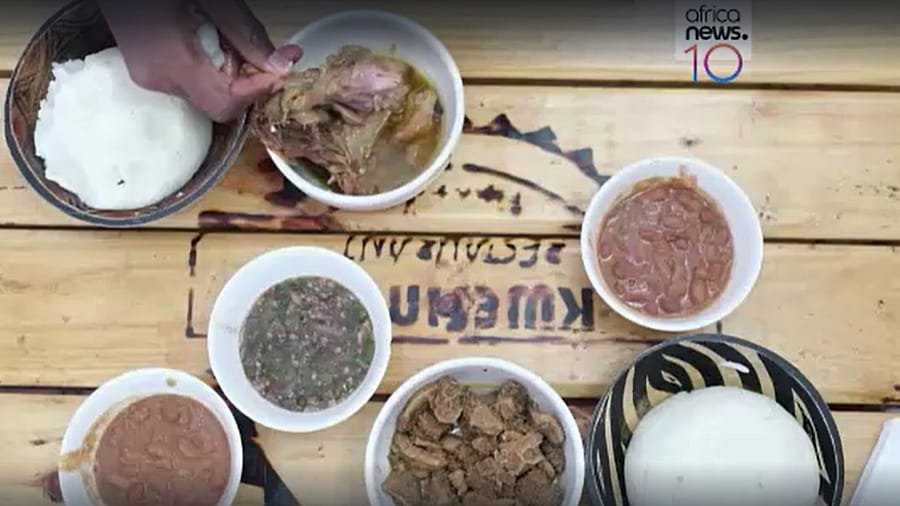
Why Traditional Food Is Making a Comeback
Nutrition experts have documented how the decline of indigenous grains, legumes, and leafy vegetables caused widespread deficiencies in iron, zinc, and vitamin A across Zimbabwe. Processed diets have been directly linked to rising metabolic diseases throughout the continent, prompting many residents to reconsider what they place on their plates. Small-grain sadza made from sorghum or millet offers a healthier alternative to refined maize because it carries higher protein, fiber, and micronutrients along with a lower glycemic index.
Sorghum, known locally as mapfunde or amabele, stands out for its drought-tolerant qualities that prove vital for Zimbabwe's increasingly variable climate. Taurai Gona emphasizes that people are beginning to understand prevention is better than cure, leading them to focus on eating healthy through these traditional grains. Fermented drinks such as amahewu or mahewu made from maize or sorghum, and amasi sour milk, further support digestive health in ways that commercial beverages cannot match.
Restaurants report that customers who once avoided traditional options now request sorghum porridge specifically for its nutritional benefits. The shift gained momentum after public health campaigns highlighted how indigenous ingredients address deficiencies that imported processed foods cannot. Families appreciate that these meals provide sustained energy without the crashes associated with refined carbohydrates.
The revival also counters the dominance of Western fast food and processed meals that flooded urban areas in recent decades. Many Bulawayo residents recall how their grandparents relied on sorghum and millet, and they now seek to restore those practices for their own children. This awareness has translated into consistent patronage at indigenous restaurants.
Cultural Preservation Through Cuisine
Indigenous restaurants offer more than nourishment; they provide a tangible connection to identity, culture, and childhood memories for Ndebele communities. Siphatisiwe Ncube's kitchen preserves recipes passed down through generations, ensuring that techniques like slow-cooking ox-head stew remain alive. The act of preparing mopane worms, known as amacimbi or madora, alongside okra and tripe reinforces communal bonds that extend beyond the dining table.
Younger generations who grew up on packaged snacks are now discovering the depth of flavor in village-reared chicken and fermented amasi. These establishments function as informal cultural centers where stories accompany each meal, strengthening ties to heritage. Dr. Makhosi Mahlangu observes that the food itself becomes a vehicle for transmitting knowledge about Ndebele history and values.
Tourists are also drawn to authentic culinary experiences that cannot be found in hotel buffets. Visitors often leave with recipes and a deeper appreciation for how Bulawayo's foodways reflect broader African resilience. The preservation effort gains strength from this dual local and international interest.
By maintaining open-fire cooking methods and three-legged pots, these restaurants safeguard practices that industrial kitchens have largely abandoned. The result is a living archive of flavors that keeps cultural memory vibrant in everyday life.
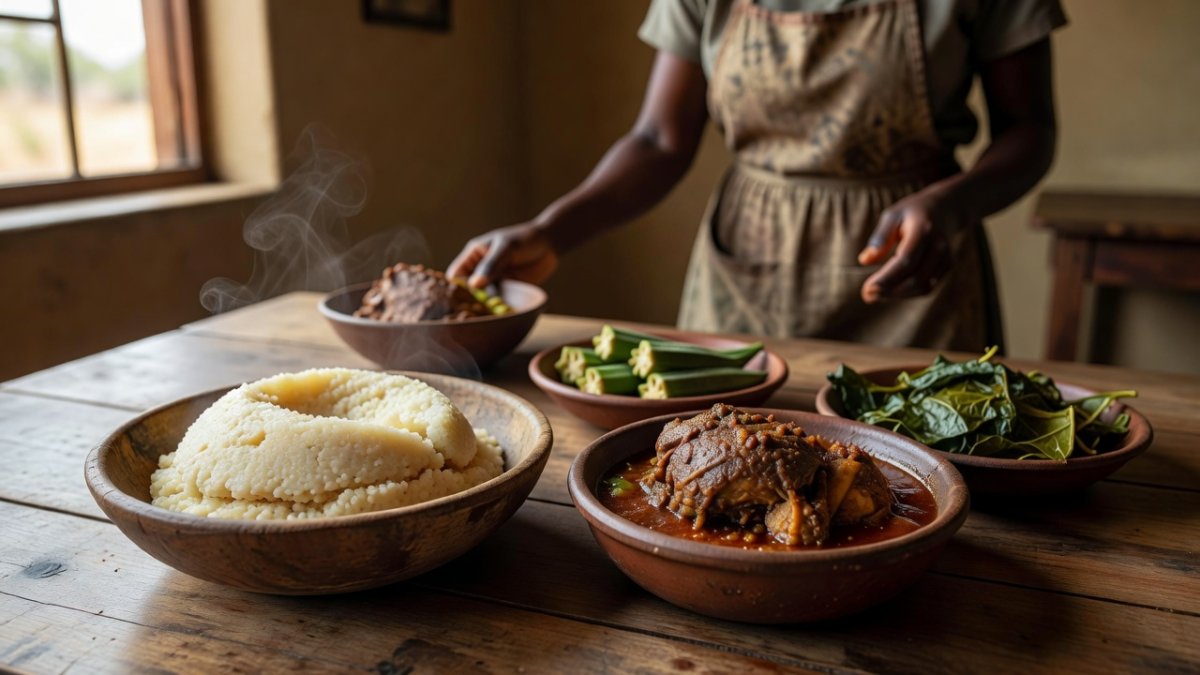
The Agricultural Impact
The revival directly supports smallholder farmers growing traditional grains and raising free-range livestock across Zimbabwe's rural areas. Demand for sorghum has encouraged expanded planting of this resilient crop, with the national production forecast reaching 123,000 metric tonnes in 2026. This growth helps stabilize incomes for families who have long cultivated mapfunde and amabele despite challenging conditions.
Restaurants struggling to source enough indigenous chickens illustrate how supply cannot yet keep up with surging demand. Farmers respond by increasing free-range poultry operations, which in turn improves soil health through natural grazing patterns. The cycle benefits both urban diners and rural producers who supply the ingredients.
Small-grain sadza made from sorghum or millet requires less water than maize, aligning agricultural practices with Zimbabwe's climate realities. This shift reduces reliance on imported fertilizers and seeds while restoring biodiversity in fields once dominated by single crops. Local supply chains strengthen as restaurants prioritize direct purchases from nearby growers.
The agricultural ripple effects extend to legumes and vegetables traditionally paired with these dishes. Okra and other leafy greens see renewed cultivation, supporting more diverse farming systems that enhance food security for entire communities.
A Pan-African Food Movement
Similar traditional food revivals are underway across Zambia, Kenya, and other Southern African countries, creating a continent-wide momentum toward reclaiming culinary sovereignty. In Senegal, the enduring popularity of thieboudienne and yassa demonstrates how heritage dishes can thrive alongside modern life while nourishing both body and spirit. Bulawayo's movement fits squarely within this larger pattern of resistance to homogenized global diets.
These parallel efforts share common goals of preserving biodiversity, supporting smallholder economies, and addressing nutrition gaps left by processed imports. Zimbabwe's focus on sorghum and millet mirrors initiatives elsewhere that elevate drought-resistant indigenous grains. The exchange of knowledge between countries strengthens each national revival.
Creating jobs, supporting local supply chains, and preserving culinary traditions for younger generations stand as shared outcomes across these movements. Restaurants in Bulawayo employ dozens while sourcing from farmers who might otherwise struggle with market access. The model proves replicable and adaptable to different African contexts.
By centering dishes such as village-reared chicken and fermented amahewu, the revival affirms that African solutions to health and sustainability already exist within local knowledge systems. This pan-African perspective encourages cross-border collaboration that amplifies impact beyond any single nation.
What to Watch For
Continued growth in indigenous restaurants will likely pressure supply chains further, prompting more farmers to expand sorghum and free-range poultry production. Watch for partnerships between urban kitchens and rural cooperatives that could stabilize ingredient availability while improving farmer incomes. The forecast of 123,000 metric tonnes of sorghum production in 2026 signals potential for scaling these efforts.
Health outcomes deserve close monitoring as more residents shift toward small-grain sadza and traditional fermented drinks. Reductions in iron, zinc, and vitamin A deficiencies could emerge as measurable benefits if the trend sustains. Nutrition experts anticipate that wider adoption of sorghum's higher protein and lower glycemic profile will contribute to lower rates of metabolic diseases.
Tourist interest may drive innovation in presentation while maintaining core authenticity, attracting international visitors seeking genuine cultural immersion. At the same time, the risk of commercialization could challenge smaller family operations if larger investors enter the space. Maintaining the integrity of open-fire cooking and three-legged pot methods will remain essential.
Finally, the movement's success in Bulawayo offers lessons for other African cities facing similar dietary transitions. By grounding revival efforts in cultural pride and agricultural realities, communities can build resilient food systems that honor the past while securing the future.
By Amara Diop, Staff Writer
This article was produced with AI-assisted research and editorial support. Reporting is based on sources cited in the article.
What's Your Reaction?
 Like
0
Like
0
 Dislike
0
Dislike
0
 Love
0
Love
0
 Funny
0
Funny
0
 Wow
0
Wow
0
 Sad
0
Sad
0
 Angry
0
Angry
0

West Africa/Sahel Correspondent at Global1.News. Dakar-based journalist covering politics, security, climate, and development across Francophone and Anglophone West Africa. Tells the stories of a region undergoing profound transformation.













Comments (0)