
Two Alleged Bagmen Retract 'Maleta' Claims vs Senator Loren Legarda
In a recent ANC 24/7 report, two of the 18 self-proclaimed bagmen formally retracted their allegations linking Senator Loren Legarda to cash-filled suitcase deliveries at a North Forbes Park residence, casting fresh doubt on the credibility of the entire set of accusations tied to the flood control fund probe. The development, which unfolded inside Senator Robin Padilla's offic
In a recent ANC 24/7 report, two of the 18 self-proclaimed bagmen formally retracted their allegations linking Senator Loren Legarda to cash-filled suitcase deliveries at a North Forbes Park residence, casting fresh doubt on the credibility of the entire set of accusations tied to the flood control fund probe. The development, which unfolded inside Senator Robin Padilla's office at the Senate in Manila, directly affects public trust in how congressional investigations handle allegations involving public funds meant for infrastructure projects that protect Filipino communities from flooding.
Two Alleged Bagmen Retract 'Maleta' Claims vs Senator Loren Legarda as Credibility Questions Mount
Manila, Philippines — Two of the 18 alleged former security aides of ex-Ako Bicol Representative Zaldy Co have formally withdrawn their statements linking Senator Loren Legarda to deliveries of cash-filled suitcases, their lawyer announced Monday at a press conference hosted by Senator Robin Padilla.
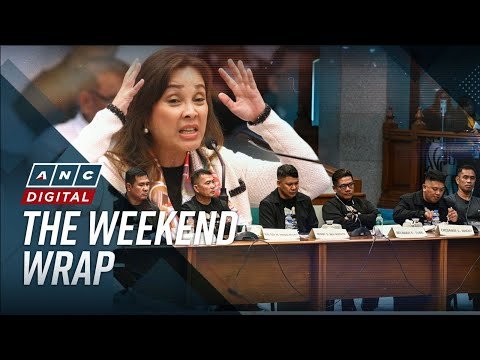
Retraction of Maleta Allegations Announced in Senate Setting
As the ANC 24/7 video captured the moment inside Senator Robin Padilla's Senate office on June 8 2026, Atty. Levito Baligod stood before reporters and declared that two key witnesses had come forward to correct their earlier statements about cash deliveries linked to Senator Loren Legarda. The atmosphere in the room reflected the weight of the admission, with Baligod emphasizing that the men were man enough to admit a mistake and brave enough to correct it. This public correction arrived amid ongoing scrutiny of flood control fund allegations that had drawn national attention since March 2026.
Rodante Orbillo and Rommel Galapon, the two witnesses who stepped back from their original claims, had previously described handing over two suitcases at No. 40 Cambridge Street in North Forbes Park. Their revised account now states that only the vehicle belonging to Zaldy Co entered the gate, while they handed the suitcases to someone outside without seeing the items carried inside. This shift removes the direct connection to Legarda's residence that had fueled weeks of speculation across Manila and beyond.
The retraction was relayed through former Representative Mike Defensor rather than submitted directly to the Office of the Ombudsman, leaving the formal correction process still pending. Community leaders in Quezon City noted how such procedural details matter deeply to ordinary citizens who rely on transparent institutions to protect public funds meant for infrastructure. Baligod's willingness to facilitate the change was presented as an act of accountability that could restore some faith in the process.
Filipino families watching from barangays in Cebu and Davao expressed cautious relief, hoping the correction might prevent further distraction from real issues like delayed flood mitigation projects. The announcement highlighted how witness statements can ripple through political circles, affecting not just senators but also the daily lives of jeepney drivers who navigate flooded streets during monsoon season.
Revised Account of Events at North Forbes Park Residence
Under the updated version of events, Orbillo and Galapon clarified that they never witnessed the suitcases being brought through the gate of the Cambridge Street property. Instead, they described passing the items to an unidentified person outside while Zaldy Co's vehicle proceeded inward. This distinction carries significant weight because earlier claims had placed the deliveries inside Legarda's home, intensifying public debate over alleged cash transactions.
Residents near North Forbes Park in Manila observed how such precise location details influence perceptions of accountability among elected officials. The correction underscores the importance of accurate testimony when allegations involve high-profile figures whose decisions shape national budgets. Baligod stressed that admitting the limitation in their observation represented a responsible step rather than an attempt to evade scrutiny.
OFW families sending remittances back to provinces like Baguio voiced concerns that unverified claims could erode trust in leaders tasked with overseeing infrastructure spending. The revised account removes the visual confirmation of suitcases entering the residence, shifting focus back to documented evidence rather than secondhand descriptions. This change matters for sari-sari store owners who depend on stable local economies supported by properly allocated flood control resources.
Political analysts in Quezon City pointed out that the adjustment aligns with the need for witnesses to stick strictly to what they personally observed. The absence of direct entry confirmation now places greater emphasis on other aspects of the broader investigation into flood control anomalies. Such clarifications help prevent the spread of incomplete narratives that can distract from community needs in flood-prone areas across the archipelago.
Timeline of Earlier Allegations and Admitted Mistakes
Original claims linking cash deliveries to several senators including Legarda, President Marcos Jr., Senate President Sotto III, and others first emerged in March 2026 from a group that presented itself as former Marines. These assertions centered on suitcases supposedly containing funds tied to flood control projects, raising alarms among communities reliant on those infrastructure investments. By February 2026, Baligod had already acknowledged one error when De Lima was mistakenly included, prompting her to file cyberlibel and perjury complaints.
The group of 18 men later identified as former bodyguards of Zaldy Co rather than honorably discharged Marines added another layer of complexity to the narrative. This second admitted error, following the De Lima correction, prompted renewed questions about the reliability of the entire set of statements. Senate observers noted how repeated adjustments can affect public confidence in investigations that touch on national budget allocations.
Farmers in rural barangays from Davao to Cebu watched these developments closely because flood control projects directly influence their ability to protect crops during heavy rains. The timeline of mistakes illustrates why thorough verification remains essential before allegations reach the level of Senate hearings. Baligod's role in announcing the latest retraction was framed as part of an ongoing effort to align testimony with actual observations.
Jeepney drivers operating routes through Manila's busy streets discussed how such evolving stories can influence perceptions of government integrity. The history of unverified elements resurfacing against Legarda echoes earlier unproven links from 2013 involving pork barrel issues, though she was cleared at that time by both the Ombudsman and the Department of Justice. This pattern reminds communities that accuracy in public accusations protects everyone involved in the democratic process.
Senate Hearing Procedures Under Scrutiny
Senator Raffy Tulfo raised pointed questions during recent proceedings about the credibility of the witnesses, particularly their status as dishonorably discharged personnel rather than the bayani image initially suggested. He cautioned against granting automatic respect without proper examination, emphasizing that Senate inquiries must maintain rigorous standards. The June 4 Blue Ribbon hearing proceeded without official chamber stenographers, creating gaps in the formal record that could affect future reviews.
The group's decision to skip the majority-bloc Blue Ribbon hearing despite receiving invitations further complicated the process. Presiding officers faced criticism for what some described as coaching and leading resource persons, potentially influencing the direction of testimony. These procedural concerns matter to citizens in provinces like Baguio who expect Senate committees to model the accountability they demand from other institutions.
Community discussions in Quezon City highlighted how lapses in hearing protocols can undermine the perceived legitimacy of findings related to flood control spending. The absence of stenographers and questions about witness preparation reflect broader challenges in ensuring that Senate work serves the public interest effectively. Tulfo's warnings against uncritical acceptance of the witnesses' narratives encouraged a more measured approach across political lines.
Ordinary Filipinos, including sari-sari store owners whose livelihoods depend on stable local conditions, recognize that credible Senate oversight helps direct resources toward genuine infrastructure needs. The procedural issues raised during the hearings underscore the value of transparent processes that withstand public examination. Such scrutiny ultimately supports the bayanihan spirit by fostering trust between leaders and the communities they represent.
Malacanang's Firm Rejection of the Allegations
Presidential Press Officer Claire Castro dismissed the original claims as basura, using the term to signal that inconsistent statements would not hold up under judicial review. She referred to the group as maleta boys and basureros, drawing on their own earlier phrasing about taking out the trash to underscore the lack of solid evidence. Malacanang challenged the witnesses to present concrete proof rather than relying on revised accounts that had already required corrections.
This strong response from the Palace resonated with families in flood-prone regions who prioritize verified information over sensational allegations. Castro's comments reinforced the administration's position that public discourse on budget matters should rest on facts capable of surviving court examination. The rejection also served as a reminder that institutions like the Department of Budget and Management require stable leadership to execute projects effectively.
Residents in Cebu and Davao noted how Palace statements can influence national conversations about accountability in infrastructure funding. By labeling the claims as garbage, Castro highlighted the potential harm of unverified accusations to ongoing efforts to improve flood defenses. The challenge for evidence placed the burden back on those making the assertions to substantiate their positions.
Political observers in Manila pointed out that such clear dismissals help maintain focus on practical governance rather than prolonged controversies. The Palace stance aligns with the need for reliable processes at the Ombudsman and DOJ when handling complaints involving public officials. This approach ultimately benefits communities that depend on consistent delivery of services funded through national allocations.
Legal Pathways Opened by the Retraction
Senator Legarda is considering perjury charges against the two witnesses following their admission of incomplete observations. Baligod indicated he would provide evidence if Legarda chooses to pursue the matter, stating that the materials would be made available should she decide to file cases. This development opens a new chapter in the legal dimension of the controversy that began with the March 2026 allegations.
Former Representative Benny Abante has already filed libel complaints against Baligod and the 18 men, with the Department of Justice currently conducting preliminary investigation. The ongoing DOJ process reflects the formal mechanisms available to address potential harms caused by public statements. Communities across the Philippines watch these legal steps because they demonstrate how institutions respond to contested claims involving elected leaders.
OFW families in Baguio and other areas expressed hope that the legal route would clarify responsibilities without further delaying attention to flood control needs. The possibility of perjury charges underscores the seriousness with which false or misleading testimony is treated under Philippine law. Baligod's offer to supply evidence illustrates one path toward resolution that prioritizes documented facts.
Jeepney drivers and sari-sari store operators in Manila discussed how legal accountability can reinforce public trust in the system. The combination of potential perjury and existing libel cases shows the multiple avenues through which individuals can seek redress. These proceedings ultimately contribute to a culture where accuracy in public discourse is valued and protected.
Connection to Flood Control Projects and Community Safety
The allegations originated from concerns over anomalies in flood control fund allocations, a topic that directly affects residents in vulnerable areas from Cebu to Davao. Properly managed infrastructure spending supports barangay-level preparations that protect homes, farms, and small businesses during typhoon season. The retraction now shifts attention back to ensuring that these funds reach intended projects without the distraction of unverified claims.
Farmers relying on effective drainage systems understand that credibility issues at the Senate level can slow down approvals and implementations managed by the Department of Budget and Management. The human impact extends to OFW families who invest remittances in properties located in flood-prone zones, counting on government infrastructure to safeguard their hard-earned assets. Sari-sari store owners in Quezon City similarly depend on stable local conditions that well-executed flood control measures help maintain.
Historical patterns of unverified accusations resurfacing against Legarda, including the 2013 pork barrel links where she was cleared by the Ombudsman and DOJ, remind communities that sustained scrutiny must be paired with verified evidence. The current retraction reinforces the importance of accurate witness accounts when public resources are at stake. Institutions such as the Blue Ribbon Committee play a vital role in channeling these concerns into constructive oversight.
Jeepney drivers navigating Manila streets during heavy rains experience firsthand the consequences of delayed or incomplete flood mitigation. The retraction allows renewed focus on practical solutions that embody the bayanihan tradition of collective community resilience. By addressing the allegations with precision, the process supports broader goals of accountability that benefit every Filipino household dependent on reliable public infrastructure.
By Bella Reyes, Staff Writer
This article was produced with AI-assisted research and editorial support. Reporting is based on sources cited in the article.
What's Your Reaction?
 Like
0
Like
0
 Dislike
0
Dislike
0
 Love
0
Love
0
 Funny
0
Funny
0
 Wow
0
Wow
0
 Sad
0
Sad
0
 Angry
0
Angry
0

Philippines/Southeast Asia Correspondent at Global1.News. Manila-based journalist covering Philippine politics, environment, maritime security, and social issues. Passionate about marine conservation and the communities protecting the Philippines' natural heritage.










Comments (0)