
The Yazidi Survivors' Doctor: Nagham Nawzat's Mission to Heal
In the northern Iraqi town of Sinjar, the morning of 3 August 2014 began like many others for a young Yazidi woman named Shireen. She was preparing for a high school examination when Islamic State militants entered her home and took her from her family. At nineteen years old, she was forced into a system of captivity that would last more than two years and leave lasting effects
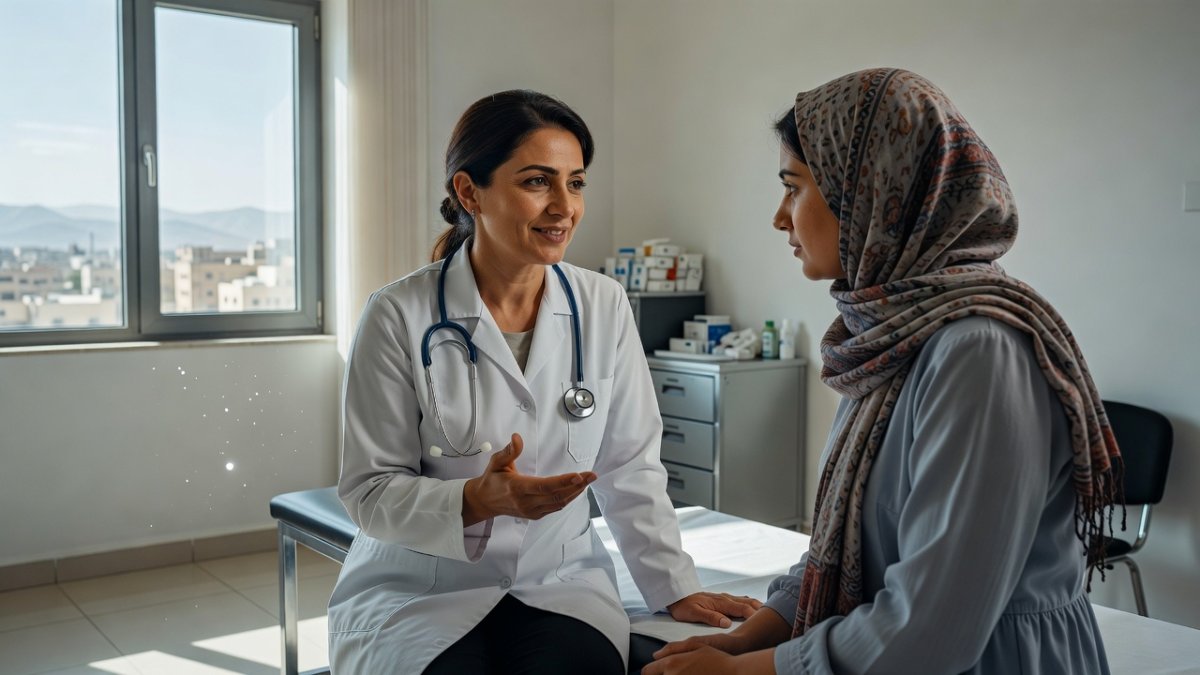
In the northern Iraqi town of Sinjar, the morning of 3 August 2014 began like many others for a young Yazidi woman named Shireen. She was preparing for a high school examination when Islamic State militants entered her home and took her from her family. At nineteen years old, she was forced into a system of captivity that would last more than two years and leave lasting effects on her health and future.
The Seizure of Sinjar and Individual Captivity
Shireen’s account illustrates the sudden rupture experienced by thousands of Yazidi families when Islamic State forces overran Sinjar. She was transported first to Tal Afar, where she was sold to an Islamic State militant. Three months later she was sold again, this time to a fighter named Abu Omar in Mosul. There she became his third wife, living under conditions that separated her from the outside world and subjected her to repeated violence.
Abu Omar already maintained two Iraqi wives in a separate house. Shireen recalled that these women beat her during visits. She was confined to the residence, guarded at the entrance, and forbidden even to step into the garden. Daily tasks consisted of cooking, cleaning, and washing dishes under constant surveillance. Two additional Yazidi girls, aged six and ten, were later brought to the same house; the younger child was also forced to perform household labor.
Forced Religious Conversion and Daily Realities
Yazidi belief centers on Yasdan and the veneration of Melek Tawwus, the Peacock Angel. Shireen was told by her captors that this figure represented the devil and was compelled to convert to Islam. For more than two years she remained inside the Mosul house, denied fresh air and any contact with the wider community. She described how Abu Omar repeatedly raped her despite her protests, an experience she said destroyed aspects of her life and sense of self.
These conditions were not isolated. Shireen’s uncle and many friends were killed. Her father and one sister were taken in 2014 and remain missing. The pattern of abduction, sale, and sexual exploitation formed part of the systematic targeting of Yazidi women and girls documented by international observers as genocide.
Release and Immediate Aftermath
Shireen was freed in 2016 during Iraqi forces’ campaign to retake Mosul. Upon release she experienced depression and recurring nightmares that disrupted sleep. Seeking medical attention, she traveled to Duhok in the Kurdistan region of Iraq and met Dr. Nagham Nawzat, a Yazidi gynaecologist. The consultation included both a physical examination and sustained emotional support.
Shireen later stated that Dr. Nawzat’s reassurance and willingness to listen helped her survive the period after captivity. She described the doctor as someone who affirmed her bravery and provided a consistent source of encouragement. Without that assistance, Shireen said, she would not be present today.
Dr. Nagham Nawzat’s Clinical and Psychological Approach
Dr. Nagham Nawzat, born in Mosul in 1976 to a Yazidi family, completed her medical degree in gynaecology at Mosul’s Medical College in 2002. Her early interest in women’s health issues led her to focus on care that combined physical treatment with attention to psychological trauma. In 2015 she began volunteering at the Duhok Survivors’ Centre, the only facility in Iraq specializing in gender-based violence and funded by the United Nations Population Fund.
Her method begins with a post-traumatic medical evaluation followed by attentive listening. Patients are encouraged to speak about fears and experiences at their own pace. Dr. Nawzat offers reinforcement and remains available for follow-up sessions whenever survivors request further support. Hussein al-Qaidi, director of the Kidnapped Affairs department at the Kurdistan Regional Government in Duhok, reported that 2,023 Yazidi women had been liberated from Islamic State territory as of July 2018. Dr. Nawzat has provided care to an estimated 1,200 of them.
Recognition, Community Impact, and Continuing Needs
In March 2016, Dr. Nawzat received the International Women of Courage Award from then-Secretary of State John Kerry for her work with traumatized Yazidi survivors and her efforts against gender-based violence. Within the Yazidi community she is regarded as a trusted figure who combines medical expertise with sustained personal engagement.
Shireen’s recovery remains tied to the availability of such specialized support. The loss of family members, prolonged isolation, and sexual violence have produced lasting health consequences for many survivors. The Duhok centre continues to address both immediate medical needs and the longer-term psychological effects documented among those released from Islamic State control.
Stories such as Shireen’s highlight the human cost of the campaign against the Yazidi population and the critical role of sustained medical and psychological services in the aftermath. Dr. Nawzat’s continued availability to former captives underscores the importance of care that extends beyond initial release.
By Fatima Al-Rashid, Staff WriterThis article was produced with AI-assisted research and editorial support. Reporting is based on sources cited in the article.
What's Your Reaction?
 Like
0
Like
0
 Dislike
0
Dislike
0
 Love
0
Love
0
 Funny
0
Funny
0
 Wow
0
Wow
0
 Sad
0
Sad
0
 Angry
0
Angry
0
Middle East Correspondent at Global1.News. Based in Beirut, covering politics, conflict, energy, and society across the Middle East. Brings context and depth to a region often reduced to headlines.














Comments (0)