
The Yazidi Doctor Who Restored Life to Survivors of Islamic State Captivity
The Abduction from Sinjar Dr Nagham Nawzat (Middle East Eye) Shireen was studying for a high school examination at her home in the northern Iraqi town of Sinjar on 3 August 2014 when Islamic State group militants broke into her house and kidnapped her from her family. At the age of 19 she was sold as a sex slave to an IS militant in the north-western city of Tal Afar. Three mon
The Abduction from Sinjar
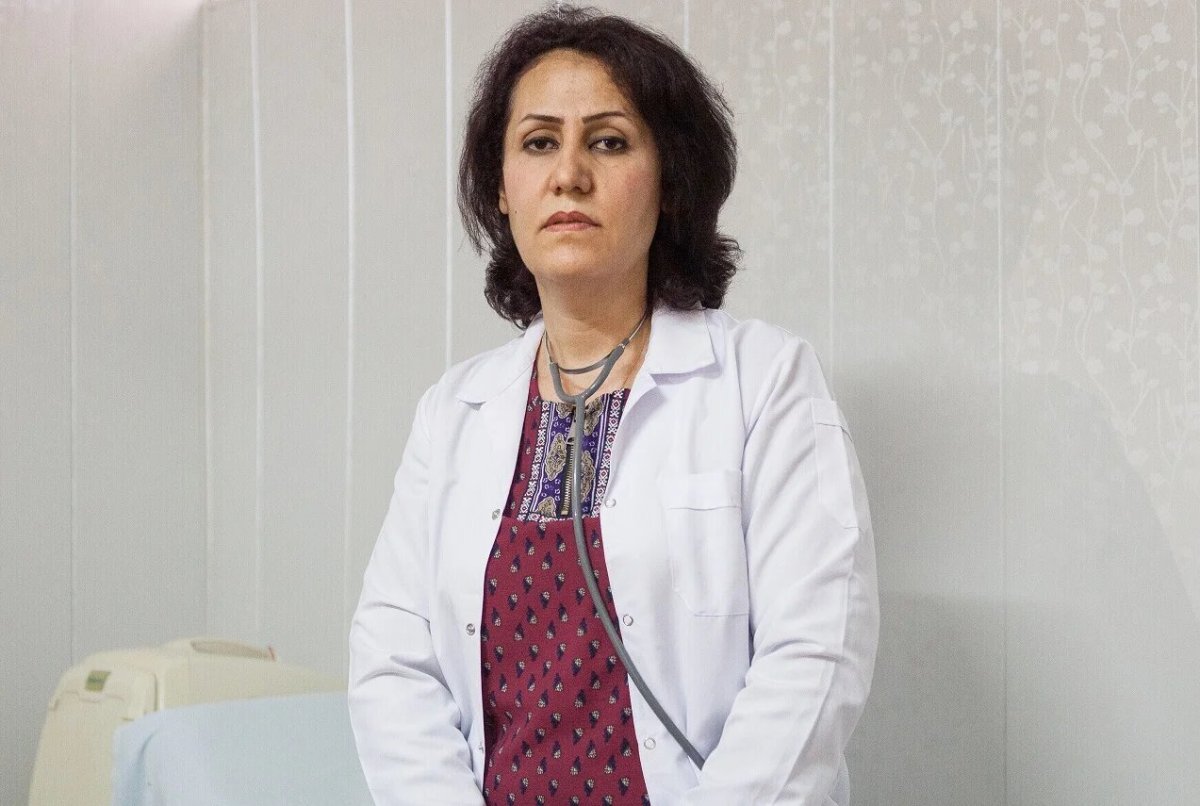
Dr Nagham Nawzat (Middle East Eye)
Shireen was studying for a high school examination at her home in the northern Iraqi town of Sinjar on 3 August 2014 when Islamic State group militants broke into her house and kidnapped her from her family. At the age of 19 she was sold as a sex slave to an IS militant in the north-western city of Tal Afar. Three months later Shireen was sold once again to Abu Omar another IS fighter in Mosul to become his third wife. He said I love you but when you love someone you do not rape her. It destroyed my life Shireen tells of her ordeal. Abu Omar already had two Iraqi wives who used to beat her whenever they got together.
Shireen's story is just one from the thousands of stories recounted by Yazidi women who have experienced the raw cruelty of IS. These accounts highlight the systematic targeting of an entire community. Human rights organizations have documented the scale of these abductions as part of a broader campaign of violence. The suffering endured by survivors underscores the urgent need for justice and protection. Families were torn apart in an instant leaving lasting scars on the Yazidi people. International attention remains essential to address these violations.
The events in Sinjar unfolded against a backdrop of centuries-old Yazidi marginalization in Iraq, where the community had long navigated precarious coexistence with neighboring groups amid shifting political powers from Ottoman times through modern state formations. Shireen's abrupt separation from her studies and family exemplifies the sudden rupture of normalcy that thousands endured, amplifying the human cost through lost educational opportunities and severed generational ties. Analysts note that such targeted abductions served not only immediate exploitation but also long-term demographic disruption, prompting renewed calls for international tribunals to classify these acts within frameworks of crimes against humanity and to prioritize survivor testimonies in ongoing accountability processes.
The Yazidi Faith Under Attack
Yazidis believe in Yasdan a god who emanates seven angels. The angel they revere above all others is Melek Tawwus or the Peacock Angel. Shireen was told by IS that Melek Tawwus was the devil and so was forced to convert to Islam. This attack on their faith represented a direct assault on their cultural and spiritual identity. Such persecution violates fundamental rights to religious freedom. The Yazidi community has faced repeated threats throughout history yet continues to preserve its traditions.
The forced conversions inflicted deep psychological wounds on survivors. IS militants used religious coercion as a tool of domination and control. These actions have been recognized by the United Nations as elements of genocide. Yazidi women in particular bore the brunt of this ideological violence. Support for their right to practice their faith freely is a cornerstone of human rights advocacy. Global solidarity can help safeguard minority beliefs against future attacks.
Historically, Yazidi beliefs have endured repeated inquisitions, including massacres in the 19th and early 20th centuries under various regional rulers who viewed the Peacock Angel veneration as heretical, yet the community maintained oral traditions and sacred sites like Lalish that anchor their identity. The IS campaign represented an escalation of this pattern, weaponizing theology to justify enslavement and erasure while fracturing communal bonds through enforced apostasy. Human rights frameworks emphasize that protecting such minority cosmologies requires not only legal safeguards but also educational initiatives to counter misinformation, fostering resilience that allows survivors to reclaim spiritual agency amid reconstruction efforts.
Two Years of Captivity in Mosul
For more than two years Shireen says she was not allowed to leave the house in Mosul. She was forced to cook wash the dishes and clean every day. There were two guards at the entrance of the house and I was not allowed to go outside or even to the garden to breathe fresh air she says. According to Shireen Abu Omar later brought two other Yazidi girls to the house. One was six years old and was forced to clean the house while the other was 10. She was raped frequently by Abu Omar and her pleas fell on deaf ears.
The daily routines of captivity stripped survivors of their dignity and autonomy. Young girls were also subjected to exploitation and labor under IS control. These experiences reflect the gendered nature of the violence perpetrated against Yazidi women. Physical and emotional abuse became a constant reality in such households. Documentation of these crimes is vital for holding perpetrators accountable. The resilience shown by survivors speaks to their inner strength amid unimaginable hardship.
Mosul under IS control became a microcosm of enforced isolation, where domestic spaces turned into prisons mirroring broader patterns of urban siege that restricted movement and communication for all residents, particularly non-Sunni minorities. The inclusion of child captives alongside adult women highlighted the intergenerational transmission of trauma, as young girls performed menial tasks while absorbing the same ideological indoctrination aimed at breaking Yazidi lineage. Documentation efforts by NGOs reveal how such households operated as nodes in a larger network of control, underscoring the necessity for forensic investigations that map these sites to support future prosecutions and community healing initiatives.
Liberation and Lingering Trauma
In 2016 Shireen was released by Iraqi forces during the campaign to retake Mosul from IS. After more than two years of captivity Shireen suffered from depression and constant nightmares that prevented her from sleeping. Her uncle and many of her friends were killed by IS while her father and one of her sisters have been missing since 2014 after they were also taken. The loss of loved ones compounded the trauma of her experiences. Many survivors continue to search for missing family members. Healing requires both medical care and societal recognition of their suffering.
The psychological effects of prolonged captivity persist long after physical release. Nightmares and depression are common among those who endured IS captivity. Support systems must address these mental health challenges with compassion and expertise. The international community has a responsibility to assist in recovery efforts. Yazidi women like Shireen demonstrate remarkable courage in rebuilding their lives. Ongoing monitoring of their well-being remains crucial for sustainable healing.
Post-liberation reintegration for Yazidi survivors often intersects with Iraq's fragmented security landscape, where returning to ancestral lands remains fraught due to destroyed infrastructure and lingering militant sympathies in former IS strongholds. The unresolved cases of missing relatives fuel collective grief that extends beyond individual therapy, necessitating community-based memorial practices alongside clinical interventions. International observers stress that sustainable recovery hinges on linking mental health support with economic empowerment programs, enabling survivors to transition from victimhood narratives toward active participation in transitional justice mechanisms.
Dr Nagham Nawzat: A Yazidi Doctor's Calling
Upon her release she visited Dr Nagham Nawzat a Yazidi gynaecologist in the city of Duhok in Iraq's Kurdish region for a check-up. Nawzat not only gave her a physical examination but she also listened to Shireen and offered her emotional support. Dr Nawzat helped all of us. Without her help I would not be here today the 23-year-old says. After I came back from captivity Dr Nawzat sat down with me and told me that I was brave. I love her so much.
Nawzat is highly respected among the Yazidi community for her dedicated service. According to Hussein al-Qaidi the director of the Kidnapped Affairs department at the Kurdistan Regional Government in Duhok 2023 Yazidi women have been liberated from IS territories as of July 2018. Nawzat 42 has provided life-saving support to more than half of them helping an estimated 1200 Yazidi women according to al-Qaidi. Her commitment stems from a deep understanding of the community's needs. Born in Mosul to a Yazidi family in 1976 her lifelong dream was to study medicine. She graduated with a degree in gynaecology from Mosul's Medical College in 2002.
Nawzat's trajectory from Mosul's medical halls to frontline advocacy mirrors the broader arc of Yazidi professionals who leveraged education as a bulwark against historical exclusion from urban centers of learning. Her dual role as clinician and confidante addresses the intersection of physical sequelae from sexual violence and the cultural stigma that often silences survivors, fostering environments where trust rebuilds fractured identities. Regional health data indicate that such integrated care models have reduced long-term morbidity rates, highlighting how individual dedication can scale into systemic change when aligned with governmental and international health infrastructures.
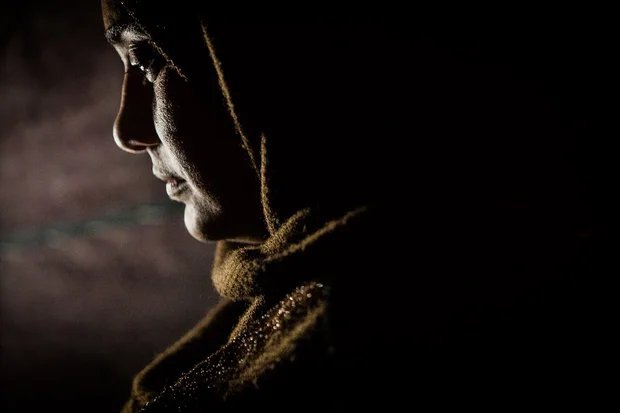
A Yazidi survivor receives care (Middle East Eye)
The Duhok Survivors Centre
In 2014 IS seized almost a third of Iraq. At least 12000 Yazidis were killed or kidnapped as part of what the United Nations describes as an ongoing genocide against the religious minority. The following year Nawzat decided to join the Duhok Survivors Centre where she volunteers to provide healthcare and psychological support for Iraqi women who survived IS. Funded by the United Nations Population Fund it is the only facility in Iraq that specialises in gender-based violence. Nawzat uses a post-traumatic medical approach in her work.
Afterwards she conducts a thorough physical check-up and then listens attentively as her patients talk about their fears and their traumatising experiences. Nawzat offers them support and positive reinforcement like a big sister the survivors can confide in she says. The centre serves as a vital haven for those rebuilding their lives. Its specialized focus on gender-based violence addresses a critical gap in services. Compassionate care like that provided by Nawzat fosters trust and recovery. International funding ensures the centre can continue its essential mission.
The centre's establishment responded to the acute vacuum in specialized services following the 2014 IS offensive, which displaced over 400,000 Yazidis into the Kurdistan Region and exposed deficiencies in Iraq's national health system for handling conflict-related sexual violence. By adopting trauma-informed protocols that integrate gynecological care with narrative therapy, the facility has become a model replicated in limited pilots elsewhere, demonstrating how targeted funding can mitigate the cascading effects of genocide on reproductive health and social cohesion within minority populations.
International Women of Courage Award
In March 2016 Nawzat received the International Women of Courage Award from then-US Secretary of State John Kerry for providing psychological support to traumatised Yazidi survivors and for combating gender-based violence. This recognition highlights her pivotal role in supporting survivors. Her efforts have brought global attention to the plight of Yazidi women. The award underscores the importance of frontline healthcare workers in conflict zones. Nawzat's work exemplifies dedication to human rights and dignity.
Concerned about women's issues from an early age she has channeled her expertise into meaningful action. The award serves as inspiration for others in the medical field. It also draws needed resources to survivor support programs. Nawzat continues her work with humility and focus on those she serves. Such honors affirm the value of compassionate medical intervention. They encourage sustained advocacy for women's rights worldwide.
The award ceremony in Washington amplified narratives often sidelined in mainstream conflict reporting, positioning Yazidi women's experiences within global discourses on wartime sexual violence akin to those documented in Rwanda and Bosnia. Nawzat's recognition catalyzed partnerships that expanded the centre's reach, illustrating how individual accolades can leverage diplomatic channels to secure sustained resources while inspiring a new generation of Yazidi medical practitioners committed to ethical, culturally sensitive care in post-conflict settings.
Ongoing Displacement and Healing
Many Yazidi survivors remain displaced following the atrocities committed by IS. Access to specialized care like that at the Duhok centre is essential for their recovery. Nawzat's approach combines medical treatment with emotional support to address complex trauma. The scale of displacement requires coordinated international responses. Healing processes must respect the cultural context of the Yazidi community.
Efforts to locate missing family members continue alongside medical interventions. Psychological support helps survivors navigate the challenges of rebuilding. The resilience of Yazidi women stands as a testament to human endurance. Continued funding and attention are necessary to sustain these programs. Human rights frameworks guide the path toward justice and restoration. Every survivor deserves comprehensive care and respect.
Displacement camps in the Kurdistan Region continue to house tens of thousands, where protracted uncertainty exacerbates intergenerational trauma and delays returns to Sinjar amid unresolved disputes over security guarantees and reconstruction funding. Nawzat's holistic methodology, blending clinical protocols with community rituals, offers a template for culturally attuned interventions that honor Yazidi endogamous traditions while advancing gender equity, reminding policymakers that durable peace necessitates addressing both material losses and the intangible wounds of identity-based persecution.
Conclusion
The stories of Yazidi survivors like Shireen illuminate the profound impact of targeted violence and the power of dedicated caregivers. Dr Nagham Nawzat's contributions have transformed countless lives through her medical and emotional support. Her recognition with the International Women of Courage Award reflects the global importance of such work. The ongoing needs of displaced communities call for sustained commitment from the international community.
Human rights advocacy remains central to ensuring that survivors receive justice and healing. The Yazidi experience serves as a reminder of the resilience found in the face of adversity. Compassionate professionals like Nawzat embody the principles of care and solidarity.
By Fatima Al-Rashid, Staff Writer
This article was produced with AI-assisted research and editorial support. Reporting is based on sources cited in the article.
What's Your Reaction?
 Like
0
Like
0
 Dislike
0
Dislike
0
 Love
0
Love
0
 Funny
0
Funny
0
 Wow
0
Wow
0
 Sad
0
Sad
0
 Angry
0
Angry
0

Middle East Correspondent at Global1.News. Based in Beirut, covering politics, conflict, energy, and society across the Middle East. Brings context and depth to a region often reduced to headlines.











Comments (0)