
Will Israel's Attacks Derail the US-Iran MOU? Assessing Risks to the Emerging Framework
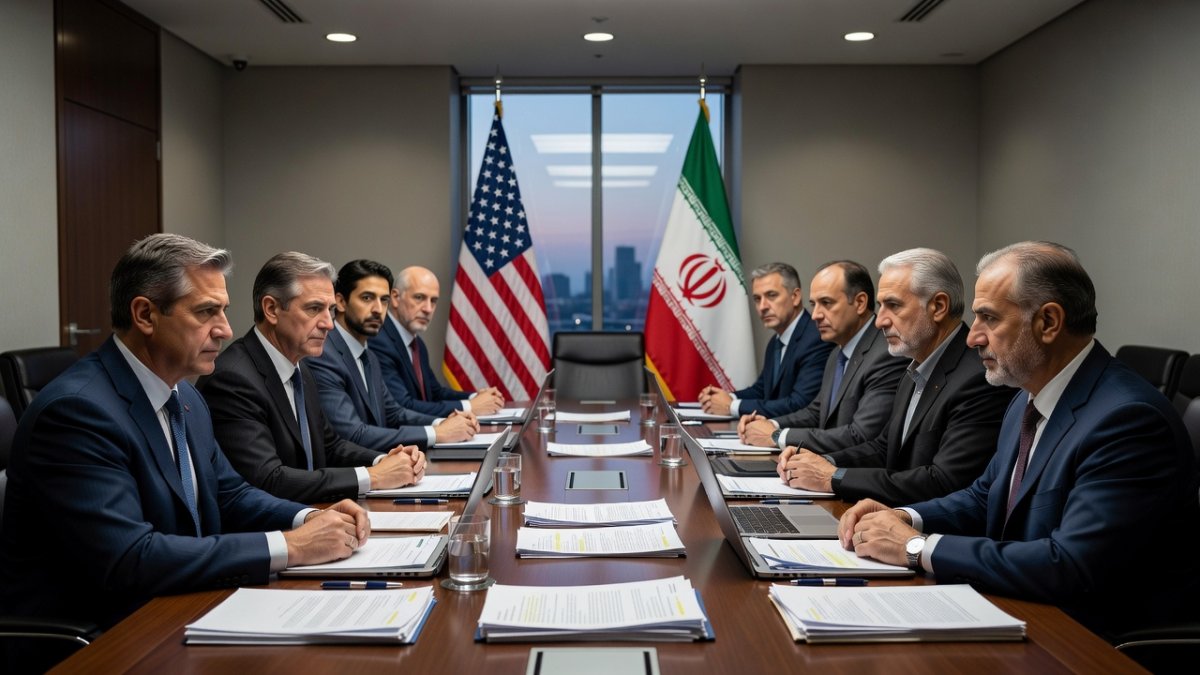
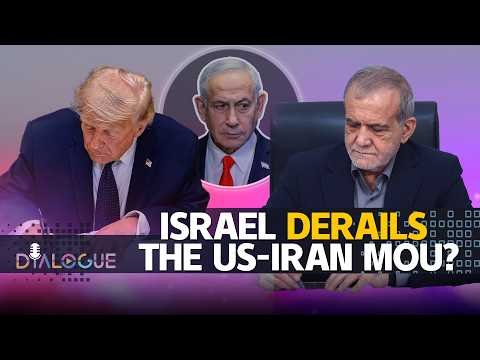
Will Israel's Attacks Derail the US-Iran MOU? Assessing Risks to the Emerging Framework The CGTN YouTube report titled "Will Israel's attacks derail the US-Iran MOU?" (Video ID: dkiD8dkUKpU) frames the central question around whether recent developments could undermine the tentative understanding between Washington and Tehran. (Global 1 News) The US-Iran Memorandum: What Was Ag
(Global 1 News)
The US-Iran Memorandum: What Was Agreed
The memorandum outlines a ceasefire arrangement intended to reduce direct confrontations, alongside the United States considering the lifting of its naval blockade of Iran. Parameters for de-escalation include mutual restraints on military movements and a framework for further talks on broader issues. These elements emerged from recent diplomatic exchanges, with the CGTN video highlighting the tentative nature of the steps and the uncertainties that remain. The naval blockade specifics centered on restrictions targeting Iranian oil exports through key chokepoints, which had constrained Tehran's revenue streams for years. In exchange, Iran secured commitments for phased relief that would restore limited shipping access, while the United States gained assurances against escalation that could threaten regional energy flows. This exchange reflects a pragmatic calculation where both sides traded immediate tactical advantages for breathing room in a volatile theater.
Iran has stated its position clearly, linking any resumption of wider negotiations to concrete implementation of the memorandum terms. Officials in Tehran have emphasized that progress on the blockade relief and ceasefire commitments must precede additional discussions. This sequencing reflects Iran's insistence on verifiable actions rather than declarations alone. What Iran gained includes measurable sanctions easing on maritime routes that directly support its economy, whereas the United States obtained a temporary halt in proxy provocations that could draw American forces into wider conflict. The diplomatic mechanics involved backchannel assurances monitored through third parties to ensure compliance without formal treaties that might require congressional approval.
The agreement also envisions phased confidence-building measures, though specific timelines remain under discussion. Both sides have signaled interest in stabilizing energy routes and avoiding escalation spirals. Yet the memorandum's viability depends on consistent follow-through, as noted in the video's analysis of potential early tests. Historical precedents from earlier nuclear talks demonstrate that such limited accords often serve as precursors to deeper engagement when initial steps succeed. The blockade relief mechanism, in particular, was designed with verification protocols that allow incremental reversals if violations occur, underscoring the conditional nature of American concessions.
Observers note that the framework stops short of a comprehensive treaty, focusing instead on immediate risk reduction. This limited scope allows room for incremental advances while leaving contentious issues for later stages. Implementation steps are being monitored closely by regional actors. Chinese foreign policy doctrine, which prioritizes stability through dialogue over confrontation, views this approach as consistent with principles of non-interference and mutual benefit. The memorandum thus represents a narrow but functional bridge that could either collapse under pressure or expand into sustained de-escalation if early tests are passed.
Israel's Opposition and Military Campaign in Lebanon
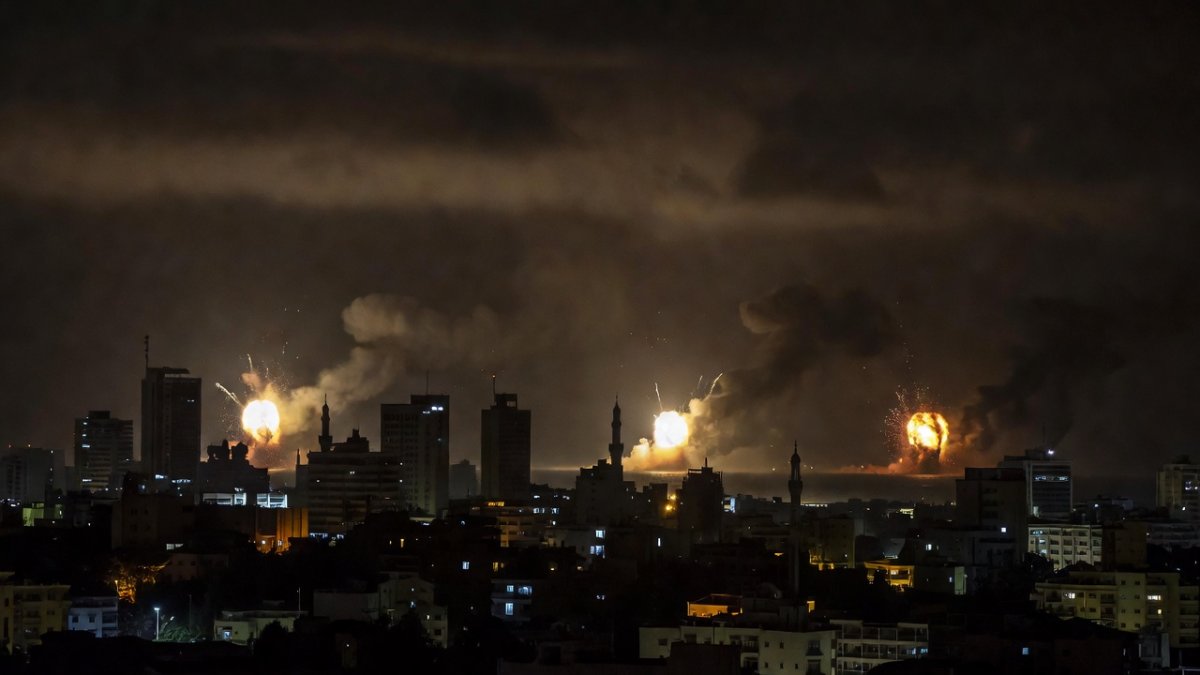
Israel was excluded from the negotiations leading to the memorandum and has expressed open reservations about its terms. Military operations have continued in southern and eastern Lebanon, including strikes on residential areas. These actions create immediate pressure on the ceasefire arrangement outlined in the US-Iran understanding. The history of US-Israel relations on Iran reveals repeated instances where Washington pursued limited accommodations with Tehran only to face Israeli pushback rooted in existential security concerns. Netanyahu government's position remains firmly opposed to any framework that appears to legitimize Iranian regional influence without addressing nuclear capabilities or proxy networks.
Press TV reported that Israel, left out of peace talks, has distanced itself from the emerging framework. This stance underscores the challenge of securing buy-in from a key regional player whose security concerns were not directly addressed. Continued operations risk testing the de-escalation parameters before they can take practical effect. Netanyahu's coalition has historically leveraged military campaigns in Lebanon to signal resolve against Hezbollah, viewing the memorandum as a potential constraint on operational freedom. This dynamic introduces friction into alliance management, as American officials must balance commitments to the memorandum against longstanding strategic partnerships.
The military campaign introduces an external variable that could complicate US efforts to demonstrate commitment to the memorandum. Lebanese authorities have documented ongoing strikes, raising questions about the durability of any pause in hostilities. Such developments directly affect the agreement's credibility among signatories. Strategic analysis suggests that Israel's approach draws from decades of doctrine emphasizing preemptive action against perceived threats, a posture that clashes with the memorandum's emphasis on restraint. The resulting tension tests Washington's ability to maintain parallel tracks with both Jerusalem and Tehran.
Israeli officials have cited ongoing threats as justification for sustained activity. This position creates friction with the memorandum's intent to lower tensions across multiple fronts. The resulting dynamic places additional strain on Washington's ability to maintain momentum toward implementation. Diplomatic mechanics here involve quiet assurances to Israel that the memorandum does not alter core security guarantees, yet such messaging risks appearing inconsistent to Iranian counterparts monitoring compliance. The interplay highlights how bilateral understandings can be undermined by excluded actors pursuing independent objectives.
(Global 1 News)
The Switzerland Talks Postponement
Vice President JD Vance delayed a planned trip to Switzerland for direct US-Iran talks, with Steve Witkoff, the Trump envoy, also involved in the preparations. The postponement has been interpreted as a signal of fragility in the broader process. Iran has indicated that resumption remains tied to visible steps on memorandum implementation. Swiss mediation history dates back decades, positioning the country as a neutral venue for sensitive exchanges where formal embassies are absent. The talks were meant to cover verification mechanisms for the blockade relief, initial confidence-building steps on prisoner releases, and preliminary discussions on energy route security.
The delay highlights how external pressures can interrupt scheduled diplomatic engagements. Swiss authorities had been preparing to host the meetings, yet scheduling adjustments reflect caution amid unfolding events in Lebanon. Both sides continue to exchange messages through intermediaries while awaiting clearer signals of compliance. Vance's role as a high-level representative underscored American intent to elevate the channel, while Witkoff's involvement brought continuity from prior negotiation rounds. The postponement thus illustrates the delicate sequencing required when multiple diplomatic tracks intersect with regional military developments.
Commentary from analysts suggests the ceasefire framework could face early tests if the Switzerland channel remains stalled. The memorandum's de-escalation parameters require consistent communication to prevent miscalculations. Postponement therefore serves as an indicator of how quickly agreed principles can be operationalized. Chinese diplomatic doctrine favors sustained dialogue even amid setbacks, and Beijing has quietly encouraged resumption through its own channels in Tehran and Washington. The mechanics of these talks rely on backchannel coordination that allows deniability while testing mutual red lines.
Further delays may prompt Tehran to reassess its sequencing demands. US officials have not ruled out rescheduling once conditions stabilize. The episode illustrates the memorandum's dependence on parallel diplomatic tracks remaining active. Specific scenarios include renewed Swiss-hosted sessions focused first on maritime de-escalation before broader issues, or a shift to alternative venues if Lebanon operations intensify. The postponement thus serves as both a warning and an opportunity to recalibrate expectations.
The Beirut-Tehran-Washington Triangle
Al Jazeera posed the question of whether Israel could sabotage the deal through its Lebanon operations. The Globe and Mail noted that any broader US-Iran accord hinges on ending fighting in Lebanon. These assessments underscore the interdependence between the bilateral understanding and third-party actions. The Hezbollah dimension adds a critical proxy layer, as Iranian support networks in Lebanon provide Tehran with leverage that Washington seeks to neutralize through the memorandum. Proxy dynamics mean that strikes in Beirut can directly influence calculations in both capitals, turning Lebanese territory into a barometer for the agreement's resilience.
Israel's operations function as an external variable that neither Washington nor Tehran fully controls. Lebanese territory has become a testing ground for the memorandum's limits, with each strike potentially influencing calculations in both capitals. This triangle of relationships adds layers of complexity to implementation efforts. Historical patterns from previous US-Iran engagements show that proxy conflicts often serve as pressure valves when direct channels stall. The current operations follow this pattern, placing the memorandum under immediate scrutiny from all sides.
Tehran's support networks in Lebanon create additional channels through which developments can affect the US-Iran channel. Washington must balance its commitments under the memorandum with alliance considerations. The resulting tension illustrates how regional conflicts can spill over into bilateral diplomacy. Chinese strategic interests favor de-escalation here because prolonged fighting risks disrupting trade corridors and energy supplies that Beijing relies upon. The proxy dynamics therefore require careful management to prevent spillover that could derail the entire framework.
Historical patterns show that third-party military activity often disrupts even modest agreements. Current operations in Lebanon follow this pattern, placing the memorandum under immediate scrutiny. Sustained engagement will require managing these cross-cutting pressures. Diplomatic mechanics involve indirect messaging through Lebanese intermediaries and international organizations to signal restraint without formal commitments that might constrain operational flexibility. The triangle thus remains the most volatile element determining whether the memorandum can survive its initial phase.
(CGTN)
China's Strategic Calculus
Beijing views the US-Iran channel as offering potential reduction in volatility affecting energy markets and shipping routes important to China. Israeli operations, however, risk reintroducing instability that could disrupt these same interests. Chinese officials have consistently advocated diplomatic mechanisms over military escalation. This perspective aligns with China's broader Middle East strategy, which emphasizes negotiated settlements and avoidance of great-power entanglements. Energy security remains central, as stable oil supplies from the Gulf directly support domestic growth targets and the Belt and Road Initiative's infrastructure investments across the region.
This perspective aligns with China's broader Middle East strategy, which emphasizes negotiated settlements and avoidance of great-power entanglements. Reduced tensions between Washington and Tehran could support stable oil supplies and safer passage through key waterways. Yet renewed conflict threatens these gains. China's diplomatic balancing act involves maintaining productive ties with Iran as a BRI partner while preserving channels with Israel and the United States to avoid being drawn into zero-sum confrontations. The memorandum represents the kind of pragmatic understanding Beijing promotes through its Global Security Initiative.
China's diplomatic approach includes support for multilateral forums that address regional disputes. The current memorandum represents the kind of bilateral understanding Beijing has encouraged in other contexts. Its success or failure will be watched for lessons applicable to similar situations. Second-order effects include possible impacts on China's Belt and Road projects in the region. Instability could raise insurance costs and delay infrastructure work. Beijing therefore has a clear interest in seeing the memorandum's parameters take practical effect without disruption.
Second-order effects include possible impacts on China's Belt and Road projects in the region. Instability could raise insurance costs and delay infrastructure work. Beijing therefore has a clear interest in seeing the memorandum's parameters take practical effect without disruption. Strategic analysis indicates that Chinese policymakers are monitoring implementation metrics closely, prepared to offer quiet diplomatic support if the framework shows signs of holding. This approach reflects a doctrine that prioritizes long-term stability over short-term alignments, positioning China to benefit regardless of which parties ultimately drive the process forward.
What to Watch For
Attention will focus on whether the memorandum's terms begin to take practical effect through measurable steps on the blockade and ceasefire. Rescheduling of the Switzerland talks will serve as an early indicator of renewed momentum. Iran's insistence on implementation as a prerequisite remains a central condition. Specific scenarios include a verified easing of naval restrictions within weeks if Lebanese operations subside, or a prolonged stall if Israeli strikes continue at current intensity. Observers will also track whether Chinese diplomatic interventions accelerate through established channels in Tehran and Washington.
Israeli decisions regarding operations in Lebanon will test the agreement's resilience. Any significant reduction in strikes could ease pressure on the framework, while continued activity may prompt further delays. Observers will track statements from all parties for signs of adjustment. Another scenario involves Hezbollah scaling back its own activities in response to Iranian signals, creating space for de-escalation that could unlock the Switzerland channel. Conversely, escalation on any front risks triggering mutual recriminations that collapse the memorandum before it gains traction.
The understanding's ability to absorb these pressures will determine whether additional talks can proceed. External actors, including regional governments, may influence outcomes through their own responses. Sustained monitoring of implementation metrics will be essential. Chinese energy security calculations will also serve as a barometer, with any renewed volatility in Gulf shipping lanes likely prompting Beijing to intensify quiet advocacy for compliance. The interplay of these variables will clarify whether the framework can evolve or remains limited to its initial narrow scope.
Ultimately, the memorandum faces a period of validation in which words must translate into actions. Success would open pathways for wider engagement, while setbacks could reinforce existing mistrust. The coming weeks will clarify which direction prevails. Specific scenarios range from incremental progress on maritime access that builds confidence for broader negotiations, to renewed confrontation that sidelines the entire process. The outcome will shape not only US-Iran relations but also the strategic environment in which China pursues its regional interests.
By Prof. Marcus Chen, Staff WriterThis article was produced with AI-assisted research and editorial support. Reporting is based on sources cited in the article.
What's Your Reaction?
 Like
0
Like
0
 Dislike
0
Dislike
0
 Love
0
Love
0
 Funny
0
Funny
0
 Wow
0
Wow
0
 Sad
0
Sad
0
 Angry
0
Angry
0

World Politics Analyst at Global1.News. Based in Beijing, covering US-China relations, global trade, and geopolitical strategy. Brings deep analytical perspective to the power dynamics shaping international affairs.











Comments (0)