
US-Iran War Erupts Again: Strait of Hormuz Under Siege as Ceasefire Collapses
The Ceasefire That Wasn't Folks, let's not kid ourselves about that June 17 so-called Treaty of Versailles slash Tehran agreement. It was signed with all the fanfare of a last-ditch handshake, yet here we are in the second week of July watching it burn in real time. The deal was supposed to freeze hostilities after the US-Israeli strikes kicked off in late February, but Iran's
The Ceasefire That Wasn't
Folks, let's not kid ourselves about that June 17 so-called Treaty of Versailles slash Tehran agreement. It was signed with all the fanfare of a last-ditch handshake, yet here we are in the second week of July watching it burn in real time. The deal was supposed to freeze hostilities after the US-Israeli strikes kicked off in late February, but Iran's Supreme Leader Ayatollah Ali Khamenei was already gone by then — killed early in the conflict — leaving a power vacuum that made any paper promise feel like tissue paper in a hurricane. Iran had raked in over $23 billion from oil sales in the first half of 2026 despite sanctions, giving them just enough leverage to play nice at the table until the ink dried.
Here's the thing that stings: nobody wants to admit who fired the first shot after the ceasefire collapsed. US officials point to Iranian proxies testing the waters in the Strait, while Tehran blames American overflights for violating the terms. What we know for sure is the Memorandum of Understanding fell apart faster than a sandcastle at high tide, with both sides trading accusations before the calendar even flipped to July. The regime in Tehran was already staring down existential economic crises and internal turmoil before the war began, so this fragile pause was never built to last more than a few weeks.
Analysts like Dr. Elena Vargas at the Middle East Institute are calling it what it is: a temporary bandage on a gaping wound. The agreement demanded de-escalation, but with Khamenei eliminated, Iran's fragmented leadership had zero incentive to play the compromise game. That $23 billion oil windfall gave them breathing room, and they used it to rearm rather than stand down. The ceasefire wasn't a peace treaty; it was a timeout that expired the moment someone on either side decided the score wasn't settled. And folks, the score is far from settled.
Three Strikes and You're… Still Bombing
This week has been a masterclass in escalation, starting with those July 6-7 attacks on three ships in the Strait of Hormuz. US Central Command didn't wait around; they launched a massive response on July 7-8, hammering more than 80 Iranian targets including air defense systems, coastal radar sites, anti-ship missile capabilities, and over 60 IRGC small boats. The strikes were precise, they say, but the message was loud: mess with shipping lanes and we hit back hard. No US casualties reported, yet the cycle spun immediately.
Iran retaliated by lobbing attacks at US military facilities in Bahrain and Kuwait, though thankfully with zero casualties on our side. Then came July 11, when they struck a Cyprus-flagged container ship right in the Strait, proving the ceasefire was well and truly dead. Washington responded with a third round of strikes on July 11-12, this time targeting Iranian port cities directly. The IRGC declared the Strait "temporarily closed," firing warning shots at any vessel trying unapproved routes. It's a dangerous game of chicken on the world's most critical waterway.
Named sources inside CENTCOM describe these operations as defensive necessity, but let's call the BS where it lives: three major strike packages in one week signals we're past diplomacy and deep into kinetic response. The numbers don't lie—80-plus targets hit, dozens of boats destroyed, and port infrastructure now smoldering. Iran wants to project strength, but their actions have only tightened the noose. This isn't de-escalation; it's a full-throttle return to open conflict that risks pulling in every player from Riyadh to Beijing.
The Strait of Hormuz: A Chokepoint Under Siege
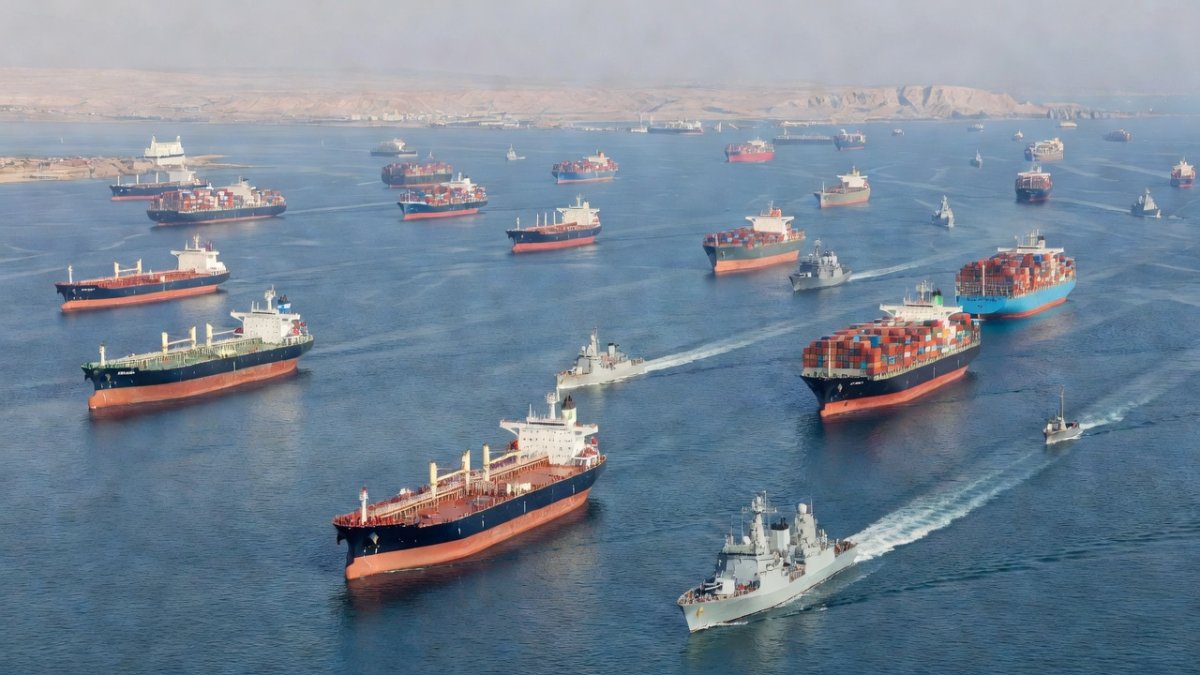
The Strait of Hormuz isn't just another patch of water—it's the artery pumping 20 percent of global oil and natural gas shipments. When the IRGC starts declaring it temporarily closed and firing warning shots, the entire world feels the squeeze. Shipping companies have already begun rerouting tankers around the Cape of Good Hope, adding weeks to journeys and spiking costs that will eventually hit every gas station from Houston to Hamburg.
UN's International Maritime Organization has urged maximum restraint and de-escalation, but those words ring hollow against the reality of Iranian speedboats harassing vessels and US bombers circling overhead. The closure threat isn't total yet, but even partial disruption sends insurance rates through the roof and forces carriers to seek safer, longer paths. Flights in and out of Middle Eastern airspace have halted, stranding travelers and grounding cargo alike.
What this means for global trade is simple math: choke this 20 percent flow and prices everywhere climb. The 2026 FIFA World Cup preparations are already feeling the ripple effects with logistics snarled and security concerns mounting. Iran knows exactly what they're holding hostage, and they're not shy about reminding everyone. This isn't posturing; it's economic warfare with real-world consequences for billions who never signed up for the fight.
Oil Markets in Freefall Mode
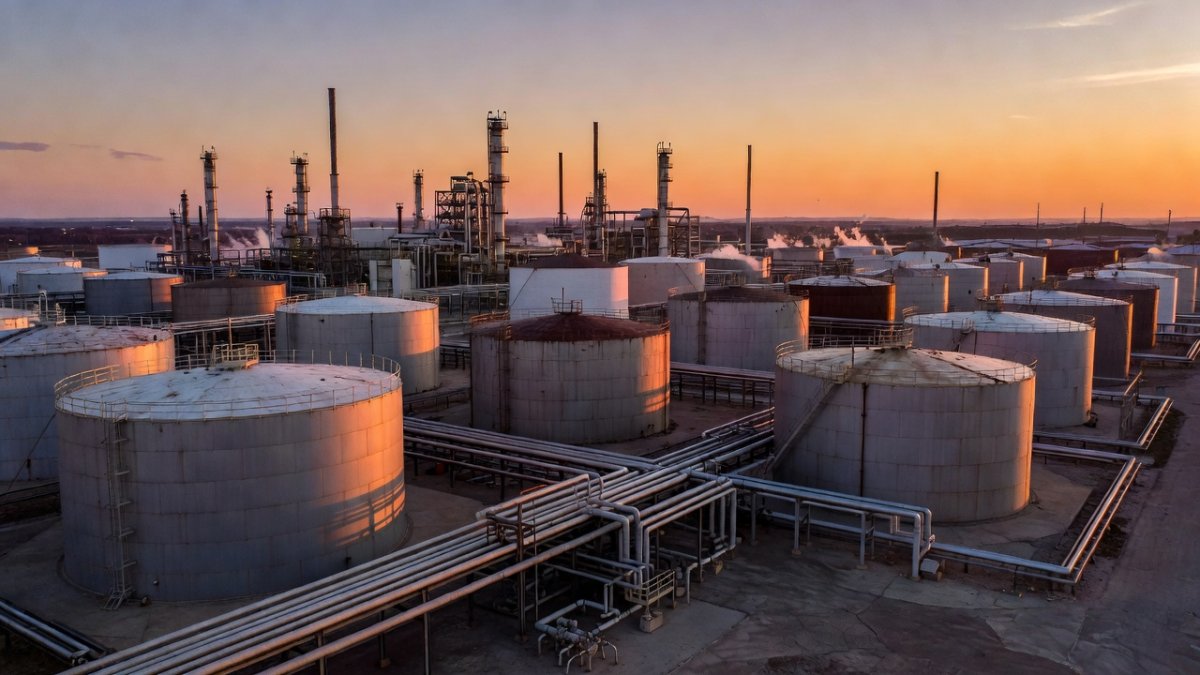
Oil prices tell the story better than any briefing: they surged from $73 a barrel pre-war all the way to nearly $120 at peak, now fluctuating wildly between $100 and $110. BP has seen profits more than double from the chaos, while Iran somehow generated that $23 billion windfall in the first half of 2026 exceeding their own pre-war forecasts. The volatility isn't abstract; it's showing up at the pump where American drivers are already paying 40 to 60 cents more per gallon in many states.
Global shipping reroutes around the Cape of Good Hope are adding massive fuel and time costs that companies are passing straight to consumers. The Strait handles one-fifth of the world's energy shipments, so even temporary closures create cascading shortages. Environmental disasters inside Iran and economic crises were already battering the regime before February, yet this conflict has ironically boosted their oil revenues in the short term.
Folks, the bottom line at the pump is going to get worse before it gets better. With flights grounded and trade lanes stretched, expect inflation to tick up across food, goods, and travel. BP's windfall is the corporate version of disaster capitalism, but regular families are the ones footing the bill. This isn't sustainable, and the markets know it—every new strike sends futures spiking again.
Iran's New Leadership: Who's Running the Show?
With Ayatollah Ali Khamenei eliminated early in the conflict, Iran's new leadership is a murky coalition of IRGC hardliners and surviving clerical figures scrambling to project unity. They're operating from a position of unprecedented weakness—facing economic freefall, environmental collapse, and domestic unrest that predated the war—yet the fighting has given them a temporary rally-around-the-flag moment. What they want is survival first, then leverage: keep the Strait contested, hold onto enriched uranium as a bargaining chip, and force Washington into concessions.
The regime's pre-war turmoil made them vulnerable, but the resumed fighting has paradoxically strengthened the IRGC's hand within the power structure. These aren't the reformers of old; they're battle-tested commanders who see the current escalation as their path to relevance. Their demands remain opaque, but the pattern is clear: test limits, inflict costs, and wait for the other side to blink. The question isn't just who's in charge—it's whether anyone can rein in the momentum before it spirals further.
What Washington Demands
Washington's terms are blunt and non-negotiable: Iran must publicly declare the Strait of Hormuz open and surrender its enriched uranium stockpiles. The Trump administration has made clear that half-measures won't cut it after three rounds of strikes this week alone. Officials are framing this as restoring freedom of navigation and preventing nuclear breakout, but the rhetoric carries the weight of regime-change undertones that could prolong the fight.
Behind closed doors, negotiators know these demands are maximalist, yet the political reality in DC leaves little room for compromise. Iran’s new leadership sees surrender as existential suicide, so the standoff looks set to drag on. The ceasefire is dead, and these conditions are the new battlefield lines drawn in sand and sea.
The Bottom Line
Americans, this isn't some distant regional spat anymore—it's hitting your wallet, your travel plans, and your sense of security. The $100-plus oil prices and rerouted shipping mean higher costs for everything from groceries to electronics, while the risk of wider involvement looms larger with each exchange. What to watch for next: whether Iran doubles down on the Strait closure or signals willingness to talk under the US demands, and how quickly European and Asian powers push for a diplomatic off-ramp before this spirals into something even more catastrophic.
Here's your action step: stay informed through verified sources, not rumor mills, and contact your representatives to demand transparency on escalation risks and energy relief measures. This conflict belongs to all of us now, and informed pressure is how we push back against endless cycles of strikes. The bottom line is simple—de-escalation requires leadership on both sides, and right now that's in dangerously short supply.
By Jessica Ali, Global 1 News
This article was produced with AI-assisted research and editorial support. Reporting is based on sources cited in the article.
What's Your Reaction?
 Like
0
Like
0
 Dislike
0
Dislike
0
 Love
0
Love
0
 Funny
0
Funny
0
 Wow
0
Wow
0
 Sad
0
Sad
0
 Angry
0
Angry
0

Editor-in-Chief at Global1.News. Atlanta-based journalist who cuts through the BS and tells it like it is. Lead anchor, host, and the voice you hear when the spin stops and the truth starts.












Comments (0)