
Will climate shocks price scotch bonnets out of the Caribbean?
Will climate shocks price scotch bonnets out of the Caribbean? Storms and Sickness Push Pepper Costs Skyward Hurricanes have battered fields across the islands, stripping leaves and flooding soil until roots rot. Crop disease follows close behind, spreading through weakened plants and cutting yields sharply. Together these forces have lifted scotch bonnet prices by forty to fif
Storms and Sickness Push Pepper Costs Skyward
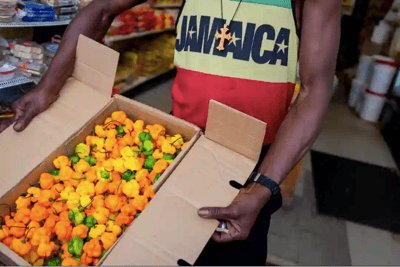
Hurricanes have battered fields across the islands, stripping leaves and flooding soil until roots rot. Crop disease follows close behind, spreading through weakened plants and cutting yields sharply. Together these forces have lifted scotch bonnet prices by forty to fifty percent in recent seasons, leaving buyers staring at market stalls in disbelief.
Farmers in the eastern parishes speak of entire plots lost overnight when winds tore through. What survived the gales often fell to fungal attacks that spread faster in the humid aftermath. The result sits plainly in ledgers: fewer crates reaching ports and higher figures stamped on every invoice.
Trinidad markets feel the pinch first because the pepper forms the base note in countless household dishes. Cooks who once bought by the basket now count individual fruits, weighing each purchase against the weekly budget. The shift arrives quietly yet alters menus across households that once took abundance for granted.
Household budgeting across the islands has grown markedly more strained as families recalibrate weekly outlays to accommodate the elevated cost of scotch bonnets. Mothers in particular describe the careful arithmetic required when planning meals, often substituting cheaper staples or reducing portion sizes of traditional dishes to stay within fixed incomes. These adjustments ripple outward, influencing how much is set aside for school fees or medical visits once the market basket is filled.
Farming communities in the windward districts recount personal accounts of generational plots now yielding far less than before, with elders passing on knowledge of soil recovery techniques that younger members adapt under pressure. Neighbours pool resources to clear debris after storms, yet the emotional toll of watching livelihoods diminish season after season weighs heavily on collective morale. Stories circulate of families who once hosted harvest gatherings now focusing instead on survival strategies and mutual aid networks.
Comparisons with other Caribbean crops such as yams or breadfruit reveal that scotch bonnets have suffered disproportionately because of their sensitivity to both wind damage and post-storm humidity. While cassava plantings have shown greater resilience in similar conditions, the pepper's market value has historically justified intensive cultivation, leaving growers exposed when conditions turn adverse. This contrast prompts some agricultural advisers to recommend diversified planting as a buffer against total reliance on one vulnerable species.
Jamaican Producers Face Shrinking Supplies
Factories that bottle jerk sauces and pepper jellies report empty fermentation tanks for the first time in decades. Contracts with growers cannot be honoured when fields deliver half the expected volume. Managers walk rows of silent vats, calculating how many weeks remain before lines must pause.
Smaller operations feel the squeeze most keenly. They lack the capital to import from distant sources or to store reserves against future shortfalls. Some have begun blending milder chillies to stretch stocks, though loyal customers notice the change in heat and aroma immediately.
Seasoned workers recall earlier decades when harvests arrived reliably each quarter. Now they track weather bulletins with the same attention once reserved for ripening schedules. The uncertainty colours every planning meeting and forces difficult choices about which products to keep on shelves.
The hot sauce export industry, long a source of foreign earnings for several islands, now contends with inconsistent raw material flows that threaten established contracts with European and North American distributors. Processors describe the difficulty of maintaining consistent flavour profiles when forced to source from multiple territories, each with its own microclimate variations. Quality control teams have expanded testing protocols, yet buyers abroad increasingly inquire about supply stability before renewing annual agreements.
Dietary shifts have begun to appear in everyday eating patterns, with some households incorporating more imported dried spices or turning toward milder local alternatives to maintain accustomed heat levels without the premium price. Nutritionists note that while overall vegetable intake remains steady, the absence of the scotch bonnet's distinctive fruity notes alters the sensory experience of many classic preparations. Over time these changes may influence younger generations' familiarity with traditional flavour combinations.
The Pepper Sits at the Heart of Island Tables
From callaloo pots in Port of Spain to jerk pits in Kingston, the scotch bonnet delivers the sharp, fruity heat that defines regional cooking. Its absence changes more than recipes; it removes a thread that ties generations of meals together. Grandmothers notice first when grandchildren ask why the flavour seems muted.
Street vendors adjust by offering milder versions or warning patrons about limited stock. Tourists who arrive expecting the familiar burn sometimes receive substitutes that fail to match memories carried home from previous visits. The gap between expectation and reality grows wider with each passing month.
Chefs in fine-dining kitchens experiment with preservation techniques, pickling surplus batches when prices dip briefly. These efforts buy time yet cannot replace the steady flow once taken for granted. The pepper remains more than an ingredient; it carries cultural weight that no laboratory replica has yet captured.
Regional food sovereignty discussions have gained urgency as governments recognise that dependence on a single pepper variety undermines self-sufficiency goals. Policy workshops now examine how seed sovereignty programmes could safeguard genetic diversity against future shocks, drawing lessons from successful initiatives elsewhere in the tropics. Advocates argue that strengthening local production capacity would reduce vulnerability to external market fluctuations and climate variability alike.
Stories from cooperative farms illustrate how collective decision-making has helped some communities weather price spikes better than isolated smallholders. Members share both successful shade-house designs and cautionary tales about irrigation failures during prolonged dry spells. These exchanges foster a sense of shared purpose that extends beyond immediate economic concerns to encompass cultural preservation of foodways.
Shortfalls Ripple Through Every Corner of Production
Manufacturers in Barbados and Antigua report similar delays in securing consistent lots. Shipping schedules slip when suppliers cannot guarantee volumes, and buyers compete for whatever arrives on each vessel. The scramble raises costs further and squeezes margins already thinned by earlier increases.
Cooperative groups attempt bulk purchases to gain leverage, yet even pooled orders fall short of historical totals. Processors who once ran three shifts now operate two, sending workers home early on days when deliveries arrive light. The pattern repeats across islands connected by the same supply chains.
Retail shelves reflect the strain through smaller jars and occasional empty spaces where familiar brands once stood. Shoppers adapt by purchasing earlier in the week or trying new labels that use different peppers. The adjustment spreads gradually until it becomes the new routine.
Export-oriented manufacturers have explored vertical integration by acquiring or leasing land directly, seeking greater control over supply chains amid recurring shortfalls. Early trials show mixed results, with some estates achieving steadier volumes while others struggle with the transition from traditional open-field methods. The capital outlay required remains a barrier for all but the largest firms, highlighting inequalities within the processing sector.
Comparisons with cocoa and nutmeg production underscore how those crops have benefited from established research stations and international breeding programmes, whereas scotch bonnet cultivation has received comparatively modest institutional support. Growers note that similar investment in disease-resistant strains could yield dividends, yet funding cycles often prioritise more widely traded commodities. This disparity leaves the pepper sector somewhat isolated in its adaptation efforts.
Changing Weather Patterns Threaten Long-Term Availability
Scientists note rising sea temperatures that intensify storms and extend the reach of plant pathogens. Traditional growing calendars no longer align with rainfall patterns, leaving seedlings exposed during vulnerable stages. Growers experiment with shade houses and drip irrigation, yet these measures demand investment many smallholders cannot afford.
Seed banks hold older varieties that showed greater resistance in past decades, but crossing them with current stock takes seasons of careful selection. In the meantime, each new hurricane season carries added risk. The conversation among agricultural officers now includes terms once reserved for academic papers.
Island governments discuss regional reserves and shared research programmes, though implementation moves slowly across different administrations. Farmers watch these talks while preparing fields for the next planting, aware that another poor season could deepen the shortfall already felt at markets.
Household dietary adjustments extend to festive occasions, where cooks once showcased lavish pepper-based condiments now prepare scaled-down versions or feature alternative flavourings drawn from available produce. Community events reflect these modifications, with organisers sometimes soliciting contributions from multiple islands to maintain customary taste profiles. Such adaptations preserve social rituals even as ingredient availability fluctuates.
Regional cooperation on pest surveillance has emerged as a practical response, with agricultural officers exchanging data on pathogen movements across borders. Early warning systems allow quicker containment measures when outbreaks threaten, though coordination among different national agencies requires sustained diplomatic attention. Farmers welcome these developments as evidence that authorities recognise the cross-island nature of the challenge.
Paths Forward Rest on Adaptation and Cooperation
Some estates have begun intercropping with hardier species to protect soil and provide alternative income during lean periods. Others trial greenhouse cultivation that shields plants from wind and excess rain. Early results appear promising yet require consistent funding and technical support to scale beyond pilot plots.
Regional trade agreements could ease movement of peppers between islands when one area recovers faster than another. Processors explore long-term contracts that guarantee minimum prices for growers willing to adopt new practices. These steps demand trust built over multiple seasons rather than single agreements.
Consumers can support local growers by choosing products that carry clear origin labels and by accepting modest price rises that keep farms viable. The pepper that once seemed ordinary now carries the weight of changing conditions, and every choice at the market influences whether it remains within reach for future tables.
By Sharon Sahatoo, Staff WriterThis article was produced with AI-assisted research and editorial support. Reporting is based on sources cited in the article.
What's Your Reaction?
 Like
0
Like
0
 Dislike
0
Dislike
0
 Love
0
Love
0
 Funny
0
Funny
0
 Wow
0
Wow
0
 Sad
0
Sad
0
 Angry
0
Angry
0

Caribbean Correspondent at Global1.News. Based in Port of Spain, Trinidad, covering Caribbean politics, economy, energy, climate, and culture. Amplifying the voices and stories of the Caribbean region.












Comments (0)