
Can Trump Get a Better Iran Deal Than the JCPOA?
When former Pentagon official Mick Mulroy told Al Arabiya English that Donald Trump "needs a deal MORE RESTRICTIVE than the JCPOA," he encapsulated the central challenge of the most consequential US-Iran nuclear negotiations in a decade. The question is not merely whether Washington and Tehran can reach an agreement — it is whether any deal can bridge the gap between Trump's ma
When former Pentagon official Mick Mulroy told Al Arabiya English that Donald Trump "needs a deal MORE RESTRICTIVE than the JCPOA," he encapsulated the central challenge of the most consequential US-Iran nuclear negotiations in a decade. The question is not merely whether Washington and Tehran can reach an agreement — it is whether any deal can bridge the gap between Trump's maximalist demands and Iran's hardened negotiating position after two wars and a dramatically expanded enrichment program.
The JCPOA Framework and Its Collapse
The 2015 JCPOA capped Iran's uranium enrichment at 3.67 percent and limited its stockpile to 300 kilograms. It also imposed a 15-year sunset clause on key restrictions while granting the IAEA extensive inspection rights. Iran remained fully compliant with these terms when President Trump withdrew from the agreement in 2018. He described the original deal as fundamentally one-sided and insufficient to prevent future nuclear breakout.
European signatories attempted to salvage the framework through continued economic engagement. However, renewed US sanctions quickly eroded any remaining benefits for Tehran. Iranian leaders responded by gradually reducing their own compliance commitments over subsequent years. This sequence of events left both sides deeply skeptical about the durability of any future accord.
Analysts note that the original agreement's verification mechanisms proved more robust than critics initially claimed. Yet the absence of permanent limits on enrichment capacity created long-term vulnerabilities. These structural weaknesses continue to shape current US negotiating strategy.
Iran's Escalated Nuclear Position
Iran now possesses approximately 440 kilograms of uranium enriched to 60 percent purity. IAEA chief Rafael Grossi has publicly stated that this stockpile could support more than ten nuclear warheads if further processed. This represents a dramatic escalation beyond the strict limits established under the JCPOA. Iranian officials consistently describe the current levels as reversible political leverage rather than an irreversible weapons program.
Tehran has also expanded its centrifuge installations at multiple underground facilities. These advances have shortened the estimated breakout time to weeks rather than the year originally envisioned. Regional powers view this development with increasing alarm. The technical threshold for weaponization has narrowed considerably since 2018.
Despite the escalation, Iranian diplomats maintain that all steps remain reversible upon reaching a satisfactory agreement. This position creates both opportunity and risk for negotiators seeking to restore constraints. The current enrichment trajectory places significant pressure on any new framework.
Trump's Demands: A Deal More Restrictive Than JCPOA
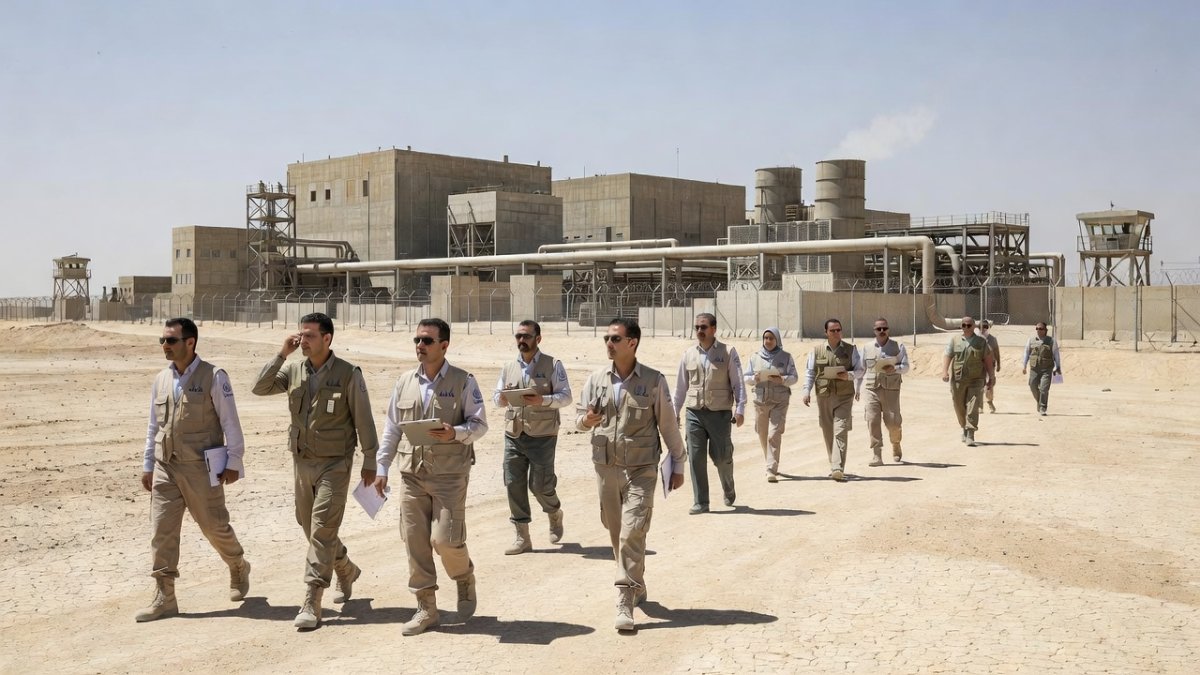
Washington is insisting on a 20-year suspension of all uranium enrichment activities. Additional requirements include zero enrichment permitted on Iranian soil and automatic snapback sanctions without requiring a United Nations vote. Enhanced verification protocols would extend beyond declared nuclear sites to include military installations. Former Pentagon official Mick Mulroy has emphasized that anything less restrictive would face rejection in Washington.
These demands reflect a deliberate strategy to close perceived loopholes from the original agreement. US negotiators argue that temporary limits proved inadequate to prevent Iran's subsequent advances. Permanent or near-permanent restrictions are therefore presented as essential. The approach prioritizes verifiable permanence over diplomatic flexibility.
Critics within the US foreign policy community warn that such maximalist positions may prove impossible to achieve. They point to Iran's demonstrated willingness to absorb economic pain rather than surrender core capabilities. The gap between stated US goals and realistic outcomes remains substantial.
Iran's Counteroffers and Red Lines
Tehran has proposed a five-year pause on enrichment expansion in exchange for immediate sanctions relief. Iranian negotiators insist on preserving their rights under the Nuclear Non-Proliferation Treaty to conduct peaceful enrichment. They reject any permanent renunciation of domestic nuclear fuel cycle capabilities. The central disagreement centers on the duration of restrictions, with the United States seeking 20 years and Iran offering only five.
Front-loaded sanctions relief remains a non-negotiable Iranian demand. Tehran argues that gradual or conditional relief failed to deliver promised economic benefits under the original JCPOA. This insistence creates friction with US preferences for phased implementation tied to compliance milestones. Both sides view their core positions as essential to domestic political survival.
Regional observers note that Iran's hardened stance reflects lessons learned from the 2018 withdrawal. Any new agreement must include stronger guarantees against future unilateral abandonment. Without such assurances, Tehran sees little incentive to accept long-term constraints.
The June 12 Bombshell: Deal Claims Collide With Denials
President Trump announced that planned military strikes had been canceled because a deal was largely negotiated. Iran's Foreign Ministry immediately issued a denial, stating that no agreement had been reached. This public divergence highlighted the persistent gap between signaling and substance. Both capitals appear to be managing domestic audiences while testing the other side's resolve.
The episode revealed how easily optimistic statements can outpace actual diplomatic progress. Iranian officials emphasized that core differences on enrichment duration remain unresolved. US sources suggested that technical discussions had advanced further than publicly acknowledged. Such mixed messaging risks undermining trust in future rounds of talks.
Observers in the region interpret the conflicting statements as evidence of ongoing internal debates within both governments. The lack of synchronized messaging suggests that final terms are still distant. This dynamic increases the likelihood of prolonged negotiations or sudden breakdowns.
Israeli Opposition and Security Calculus
Israel regards any enrichment capacity on Iranian soil as an existential threat. Prime Minister Netanyahu's government has consistently opposed agreements that permit domestic uranium enrichment. Jerusalem has warned that it reserves the right to take unilateral military action if the terms appear inadequate. Israel's security establishment views even temporary suspensions as insufficient to address long-term risks.
Israeli intelligence assessments emphasize that Iran's nuclear infrastructure has become more dispersed and hardened. This complicates any potential military option while simultaneously raising the stakes of diplomatic failure. Coordination between Washington and Jerusalem remains close but not identical in objectives. Differences in risk tolerance could strain the alliance during final negotiations.
Israeli officials continue to advocate for zero enrichment as the only acceptable outcome. They argue that anything short of this threshold leaves Iran with a viable breakout option. This position aligns closely with the most restrictive US demands but may prove difficult to achieve.
Gulf States: Saudi and UAE Strategic Calculations
Saudi Arabia and the United Arab Emirates maintain their own civilian nuclear programs and fear a regional arms race. Both countries possess sovereign wealth funds exceeding three trillion dollars combined. Their economic diversification plans under Vision 2030 and similar initiatives depend on stable energy markets. Riyadh has coordinated closely with Washington on sanctions design and enforcement mechanisms.
Gulf leaders worry that any retained Iranian enrichment capacity could trigger competitive nuclear programs across the region. They have signaled willingness to support stronger verification measures in a new agreement. Economic interdependence with global markets makes them particularly sensitive to renewed sanctions volatility. Their support or opposition could influence the sustainability of any deal.
These states also maintain significant security partnerships with the United States. Their strategic calculations therefore blend nuclear nonproliferation concerns with broader regional stability objectives. A durable agreement would need to address their security perceptions directly.
Great Power Dynamics: Russia and China
Russia and China remain formal stakeholders in the original JCPOA framework. Moscow has offered to store Iranian enriched uranium as a confidence-building measure. Beijing continues purchasing Iranian oil despite US sanctions, providing Tehran with critical revenue. Both powers seek to prevent conflict that would spike global energy prices and disrupt their economic interests.
Their diplomatic support shapes the multilateral viability of any new agreement. Russia and China have indicated they would oppose arrangements that appear designed to permanently weaken Iran. This stance creates potential veto points at the United Nations Security Council. Their involvement complicates US efforts to secure automatic snapback provisions.
Western negotiators must therefore balance bilateral demands with the need for broader international buy-in. Without Russian and Chinese acquiescence, enforcement mechanisms may lack legitimacy. This dynamic adds another layer of complexity to already difficult talks.
Energy Markets and the Strait of Hormuz
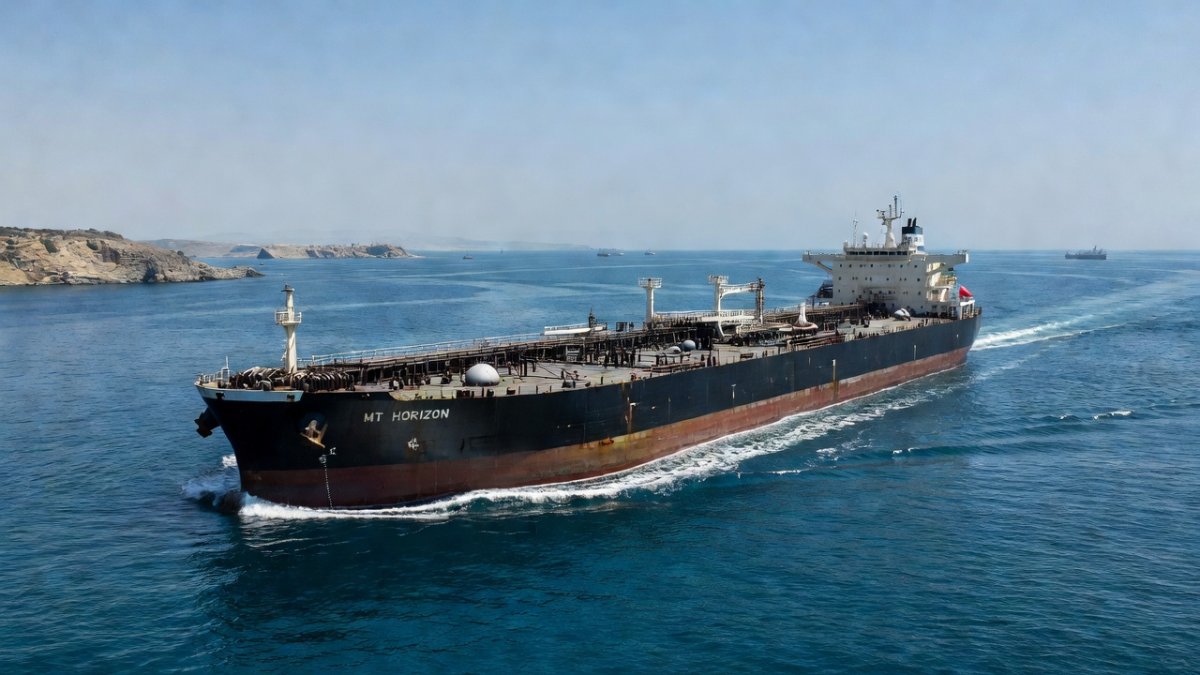
Approximately 20 percent of global oil trade transits the Strait of Hormuz daily. Any escalation between the United States and Iran threatens this critical waterway. Brent crude prices have already shown volatility during periods of heightened negotiation tension. Gulf sovereign wealth funds remain highly exposed to instability in energy markets.
A successful agreement could stabilize prices by reducing the risk of supply disruption. Conversely, negotiation failure or renewed confrontation could trigger sharp price spikes. Market participants closely monitor diplomatic signals for indications of impending supply risks. The economic stakes extend far beyond the immediate parties to the talks.
Insurance costs for tankers have risen during periods of uncertainty. This additional expense affects global energy consumers and producers alike. Energy security considerations therefore reinforce the urgency of reaching a workable nuclear arrangement.
Regional Implications
The outcome of current negotiations will shape alliance patterns across the Middle East for at least a decade. An agreement perceived as too lenient could prompt Israeli and Gulf states to pursue independent military hedging strategies. Conversely, terms viewed as excessively strict risk triggering negotiation collapse and renewed escalation. Iran's proxy networks in Yemen, Iraq, Syria, and Lebanon remain active regardless of nuclear progress.
Energy security, Gulf economic diversification, and ongoing proxy conflicts all hang in the balance. Regional actors are preparing contingency plans for multiple possible outcomes. The interplay between nuclear diplomacy and conventional security dynamics creates a complex strategic environment. Success requires addressing both immediate nuclear concerns and longer-term regional stability.
Ultimately, any deal must navigate competing interests among multiple stakeholders. The narrow path between Iranian red lines and US maximalist demands leaves limited room for compromise. Observers will watch closely to see whether negotiators can bridge these gaps before tensions escalate further.
By Malik Hassan, Staff WriterThis article was produced with AI-assisted research and editorial support. Reporting is based on sources cited in the article.
What's Your Reaction?
 Like
0
Like
0
 Dislike
0
Dislike
0
 Love
0
Love
0
 Funny
0
Funny
0
 Wow
0
Wow
0
 Sad
0
Sad
0
 Angry
0
Angry
0
Middle East Correspondent at Global1.News. Based in Beirut, covering politics, conflict, energy, and society across the Middle East. Brings context and depth to a region often reduced to headlines.












Comments (0)