
Why Washington and Tehran Both Chose the Exit
Why Washington and Tehran Both Chose the Exit The Inflection Point in Prolonged Conflict Wars rarely conclude with outright victory for either side. They wind down when the mounting costs begin to exceed any realistic gains from continued fighting. The 2026 Iran war, which began on February 28 with coordinated U.S.-Israeli strikes that killed Ali Khamenei and targeted nuclear a
Why Washington and Tehran Both Chose the Exit
The Inflection Point in Prolonged Conflict
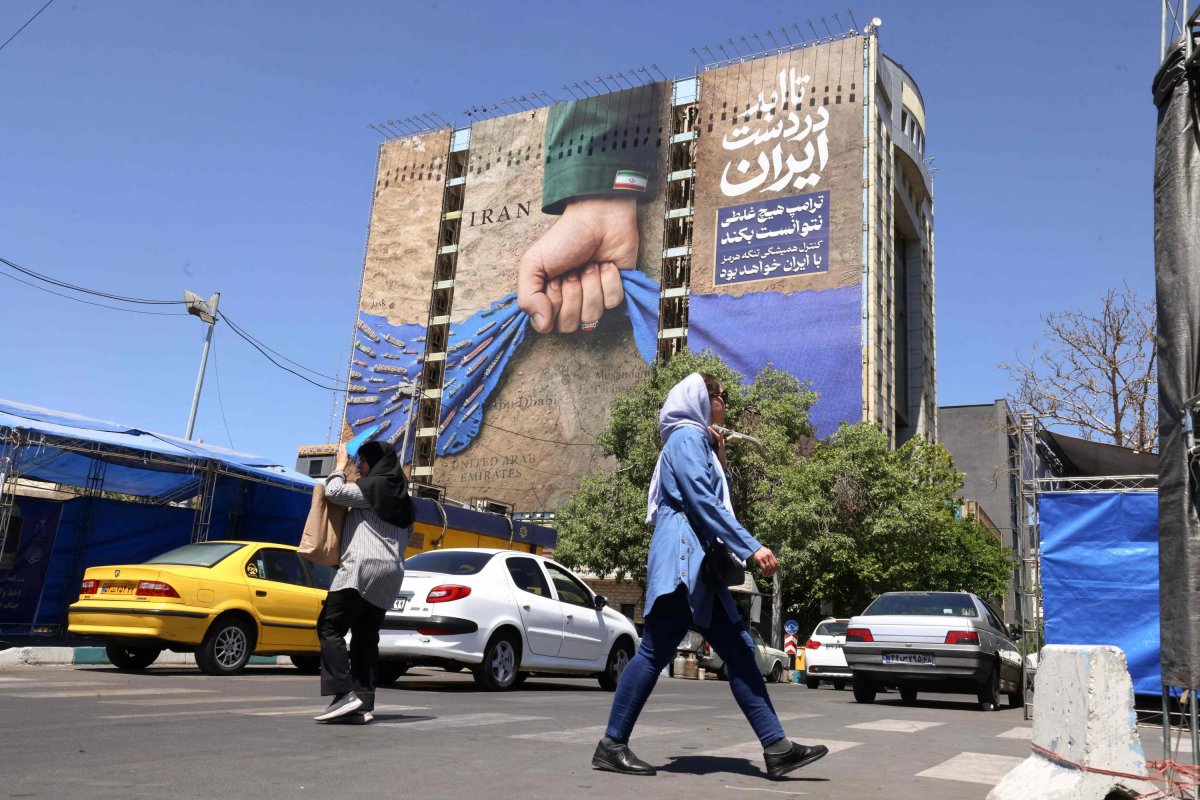
Wars rarely conclude with outright victory for either side. They wind down when the mounting costs begin to exceed any realistic gains from continued fighting. The 2026 Iran war, which began on February 28 with coordinated U.S.-Israeli strikes that killed Ali Khamenei and targeted nuclear and missile sites, has now reached this stage. A Pakistan-brokered cease-fire in April and ongoing talks around a draft memorandum of understanding signal that both Washington and Tehran see value in stepping back from a conflict without a decisive winner.
Dual Objectives Driving U.S. Involvement
Washington pursued two overlapping goals when it entered the fighting. The public aims centered on removing Iran's nuclear threshold capability, weakening its ballistic missile forces, and disrupting its network of regional partners. Beneath those stated aims lay an implicit hope that sustained pressure would trigger a political collapse and install a successor government more favorable to U.S. and Israeli priorities.
Resilience of Iranian Leadership Structures
That political collapse never occurred. After the initial strikes, authority passed to Mojtaba Khamenei while the Islamic Revolutionary Guard Corps maintained operational control and preserved the core command structure. The social and institutional conditions required for regime change simply failed to appear, leaving Washington to confront a still-functioning adversary rather than a vacuum.
Consolidation of Military Authority in Tehran
Tehran's decision to pursue negotiations reflects a survival calculation, yet the state that now sits at the table differs from the one that entered the war. Decision-making power has shifted toward military commanders, producing a system that operates more like a garrison republic than the earlier theocratic model. This internal tightening has allowed the leadership to absorb the shock of the February strikes without fracturing.
Strategic Exit for Both Capitals
For Washington, the choice is between a managed conclusion and a drawn-out stalemate that could tie down resources indefinitely. For Tehran, talks offer a way to halt further damage while the military command consolidates its position. Neither capital views the current moment as a return to the pre-war status quo; both see it as the least damaging path available under present conditions.
Implications Across the Middle East
The war's approach to an exit will reshape dynamics far beyond Iran's borders. Proxy networks that once operated with greater freedom now face tighter constraints, while neighboring states weigh how a more militarized Iranian decision-making process will affect border security, energy routes, and local political balances. In capitals from Beirut to Riyadh, officials are already recalibrating expectations about future influence operations and alliance patterns that defined the previous decade.
By Malik Hassan, Staff WriterThis article was produced with AI-assisted research and editorial support. Reporting is based on sources cited in the article.
What's Your Reaction?
 Like
0
Like
0
 Dislike
0
Dislike
0
 Love
0
Love
0
 Funny
0
Funny
0
 Wow
0
Wow
0
 Sad
0
Sad
0
 Angry
0
Angry
0

Middle East Correspondent at Global1.News. Based in Beirut, covering politics, conflict, energy, and society across the Middle East. Brings context and depth to a region often reduced to headlines.













Comments (0)