
Trump DOJ Subpoenas Nine Law Firms in Boris Epshteyn Probe
Trump DOJ issued subpoenas July 14, 2026, to nine law firms for all Boris Epshteyn communications. Targets include firms that pledged ~$1B pro bono work (e.g., Paul Weiss) and those that sued (Perkins Coie, WilmerHale, Jenner & Block). Escalates March 2025 executive orders; ABA subpoenas blocked; six lawsuits pending; future congressional probes expected.
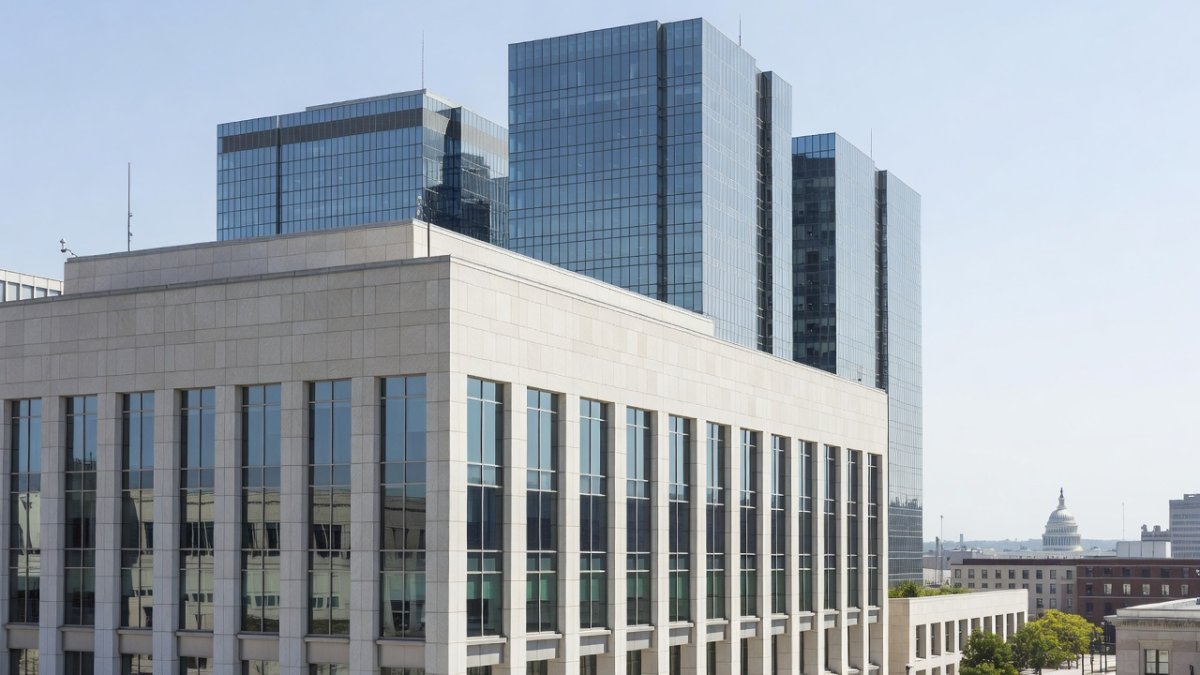
The Trump Department of Justice has issued subpoenas to nine law firms seeking communications involving Boris Epshteyn, the president’s personal lawyer and adviser. The demands target both firms that reached agreements to provide pro bono services and firms that challenged executive orders in court.
Trump DOJ Subpoenas Nine Firms in Epshteyn Probe
Washington, D.C. — The Department of Justice issued subpoenas on July 14, 2026, to nine law firms for records related to Boris Epshteyn.
The Breaking News: Subpoenas Issued Yesterday
On July 14, 2026, the Department of Justice served subpoenas on nine law firms for all communications involving Boris Epshteyn since 2024, according to reporting by the New York Times, Bloomberg Law, and Law360. The requests encompass emails, memos, and internal notes concerning Epshteyn’s interactions with clients, the White House, and third parties. The subpoenas are described in court filings as part of a civil inquiry.
The nine firms include Paul Weiss, which had agreed to provide $40 million in pro bono services, as well as Skadden and Kirkland & Ellis, according to Law360. Perkins Coie, WilmerHale, and Jenner & Block are also named, despite having filed suits against the executive orders. Bloomberg Law reported that the demands extend to firms that reached pro bono agreements and those that litigated.
Some managing partners characterized the subpoenas as broad in scope during conversations reported by Law.com. Several firms have retained outside counsel to manage responses, per the same reporting.
Backstory: March 2025 Executive Orders Ignite the War
In March 2025, President Trump issued executive orders that revoked security clearances and restricted federal contract eligibility for certain law firms, according to Law.com and Bloomberg Law. The first order targeted Perkins Coie; subsequent orders addressed additional firms that had challenged administration policies.
Constitutional scholars cited in Law360 described the orders as raising bill-of-attainder concerns. The American Bar Association issued statements opposing the measures on grounds of judicial independence, while some conservative bar groups did not comment, as noted in Bloomberg Law coverage.
Firms That Caved: Paul Weiss Sets the Precedent
Paul Weiss reached an agreement to provide $40 million in pro bono services focused on veterans and combating antisemitism, according to Law360. Other firms that entered similar arrangements are reported to have pledged amounts that, in aggregate, reached several hundred million dollars across the group.
Firms That Fought Back: Perkins Coie, WilmerHale, and Jenner & Block
Perkins Coie obtained a temporary restraining order shortly after the first executive order, with the district court citing First Amendment and due-process claims, according to Law.com. WilmerHale and Jenner & Block filed parallel suits, resulting in six active cases as of mid-2026, per Bloomberg Law.
Firms that litigated have continued to represent clients without additional administration approvals, while firms that reached agreements have faced ongoing protests, according to Law360. Law-school recruiting patterns have shifted, with some graduates avoiding firms perceived as aligned with the administration, as reported by Bloomberg Law.
Boris Epshteyn: The Central Figure Under Scrutiny
Boris Epshteyn, the president’s personal lawyer and former campaign adviser, is the subject of the subpoenas. His legal team filed a motion to quash one subpoena in early July 2026 on attorney-client privilege grounds, according to the New York Times.
The ABA Angle: Parallel Subpoenas and Federal Pushback
The American Bar Association issued its own subpoenas to the White House seeking records of communications with law firms and Trump associates, including Steve Bannon and Boris Epshteyn. On July 6, 2026, the Department of Justice moved to quash those subpoenas under the Federal Rules of Evidence, according to Law360.
What This Means for the Rule of Law
Legal scholars quoted in the New York Times and Bloomberg Law have compared the sequence of executive orders and subpoenas to earlier instances of government process directed at political opponents, including Nixon-era IRS actions and McCarthy-era investigations. These observers note that the current approach tests the limits of civil discovery when applied to law-firm records.
Bar associations in the United Kingdom, Canada, and the European Union have issued statements expressing concern that the U.S. example could influence other governments, according to Law.com. Domestically, some firms have declined representations in politically sensitive matters, while others have adjusted pro bono priorities, as reported by Bloomberg Law. The six pending lawsuits and any future congressional review will determine whether the practices establish precedent, according to the same sources.
What Happens Next: Congressional Investigations Loom
Democratic lawmakers have indicated plans to conduct congressional reviews of the law-firm agreements after the midterms, according to the New York Times. The six lawsuits remain pending, and the civil subpoenas continue to require responses from the affected firms.
By Jessica Ali, Staff Writer
Stay informed. Stay fired up. This is Jessica Ali for Global 1 News.
This article was produced with AI-assisted research and editorial support. Reporting is based on sources cited in the article.
What's Your Reaction?
 Like
0
Like
0
 Dislike
0
Dislike
0
 Love
0
Love
0
 Funny
0
Funny
0
 Wow
0
Wow
0
 Sad
0
Sad
0
 Angry
0
Angry
0

Editor-in-Chief at Global1.News. Atlanta-based journalist who cuts through the BS and tells it like it is. Lead anchor, host, and the voice you hear when the spin stops and the truth starts.














Comments (0)