
Escalating Tensions in the Strait of Hormuz: Iran-US Confrontation Reshapes Regional Leverage
Iran launched ballistic missiles at a U.S. air base in Jordan on July 14, 2026, according to reports from Daily Sabah. Jordanian forces intercepted four of the incoming projectiles. In response, the United States conducted five hours of strikes on Iranian targets, marking the third consecutive night of operations. These actions followed Iran's announcement on July 12 that it intended to close the Strait of Hormuz to international shipping. The Islamic Revolutionary Guard Corps (IRGC) confirmed
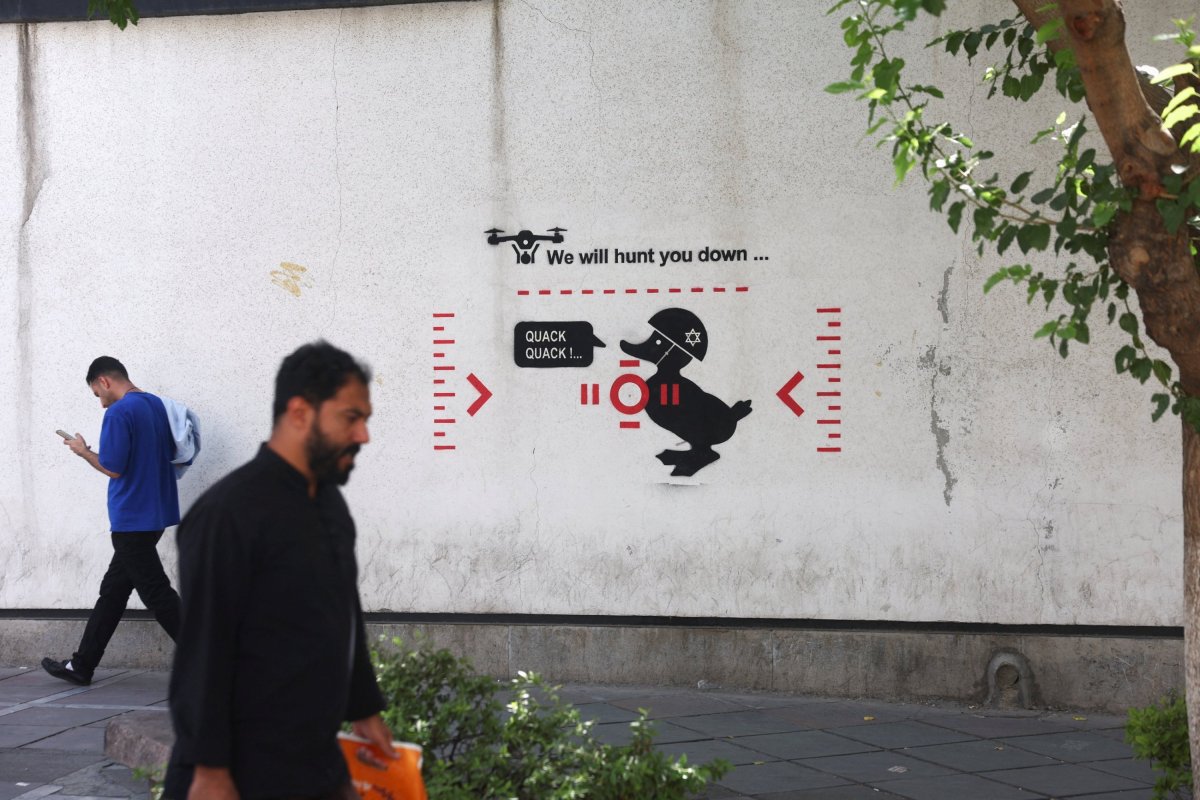
Iran launched ballistic missiles at a U.S. air base in Jordan on July 14, 2026, according to reports from Daily Sabah. Jordanian forces intercepted four of the incoming projectiles. In response, the United States conducted five hours of strikes on Iranian targets, marking the third consecutive night of operations. These actions followed Iran's announcement on July 12 that it intended to close the Strait of Hormuz to international shipping.
The Islamic Revolutionary Guard Corps (IRGC) confirmed targeting the Jordanian facility while also reporting strikes on two supertankers that allegedly ignored warnings. The United Arab Emirates Ministry of Defence stated that Iranian missiles hit two Emirati oil tankers, resulting in one Indian crew member killed and eight others wounded. Iranian Foreign Minister Abbas Araghchi posted on X that Tehran remains the guardian of the strait, directly addressing earlier comments from President Trump regarding a proposed 20 percent fee.
Strategic Calculus Behind Control of the Strait
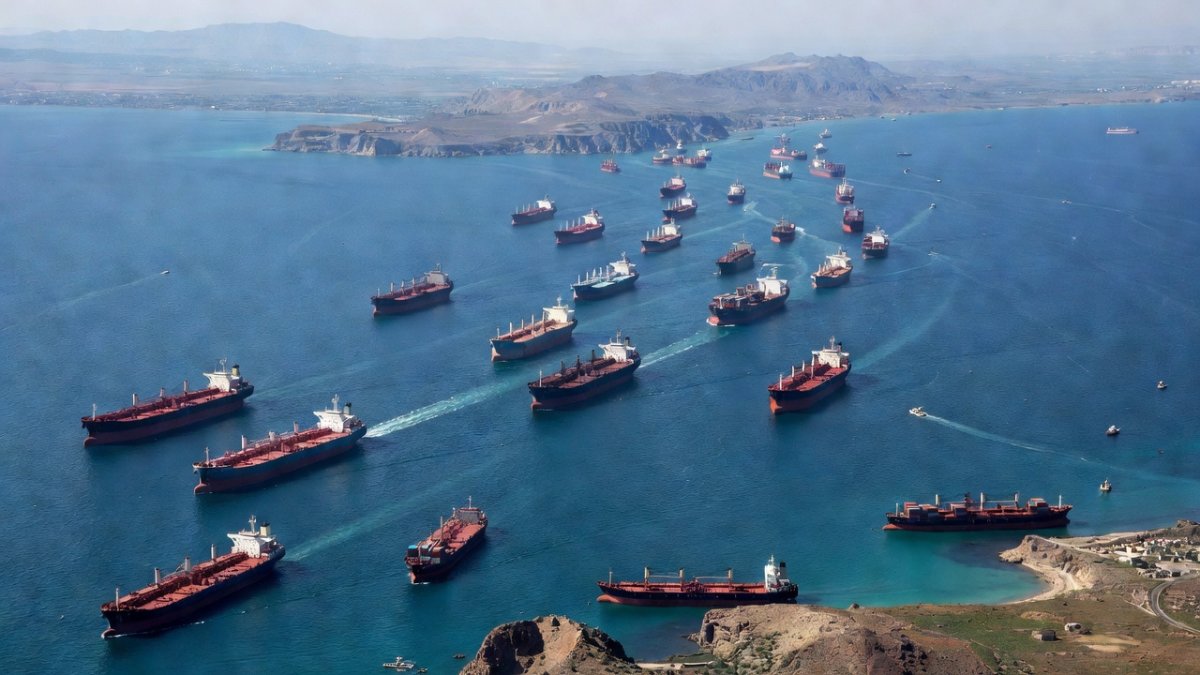
Approximately one-fifth of global oil and gas traffic transits the Strait of Hormuz each day, equating to more than 15 million barrels valued at least at $1.2 billion. Iran's decision to threaten closure reflects its long-standing leverage over this chokepoint, which sits between the Persian Gulf and the Gulf of Oman. By asserting guardianship, Tehran signals its capacity to disrupt energy flows that sustain Gulf economies and global markets.
President Trump's reversal of the 20 percent United States Reimbursement Fee, announced on Truth Social, illustrates the limits of unilateral pressure. He cited productive conversations with Middle East leadership and shifted focus to trade and investment deals with Gulf states. The United Nations shipping agency opposed any fees on straits used for international navigation, adding diplomatic weight against the original plan. Oil futures moderated after the announcement, showing how market actors quickly priced in reduced risk of sustained blockage.
Regional Actors and Their Positions
Jordan's interception of Iranian missiles demonstrates its role as a frontline state hosting U.S. military assets. The UAE's direct losses in the tanker strikes highlight the vulnerability of Gulf shipping even when vessels operate under international norms. Saudi Arabia and other GCC members face indirect exposure through higher insurance costs and potential supply disruptions, though none issued immediate public statements in the provided reporting.
Iran's IRGC has positioned the confrontation as defensive, framing U.S. strikes as aggression. Abbas Araghchi's reference to fairness in fee structures suggests Tehran seeks negotiated outcomes rather than outright closure. Analysts Andreas Krieg of King's College London and Yezid Sayigh of the Carnegie Middle East Center both described the fighting as low-intensity conflict aimed at generating leverage for future talks rather than decisive victory.
Implications for Global Energy Markets and OPEC+ Dynamics
Brent crude reached $87.49 per barrel, the highest level since June 12, 2026, immediately after the missile exchanges. This spike reflects market fears that even partial disruption could tighten supply at a time when OPEC+ members are already managing output quotas. Gulf states pursuing economic diversification remain exposed because their revenues still depend heavily on reliable export routes.
Second-order effects include higher shipping insurance premiums and possible rerouting around the Cape of Good Hope, both of which raise costs for Asian importers. The episode reinforces Iran's ability to influence pricing without a full blockade, while the United States retains the option of military response to keep the strait open except to Iranian traffic, as Trump stated.
Domestic Political Ramifications in Washington
President Trump notified Congress on July 10 that hostilities against Iran had resumed on July 7, triggering a fresh 60-day window under the War Powers Act. He argued that the prior May 1 deadline no longer applied because a ceasefire had ended active fighting, even though attacks persisted. Both chambers of Congress passed a resolution last month directing withdrawal of U.S. forces, despite Republican majorities.
A senior House Democratic aide noted that the president cannot simply reset timelines after months of operations initially described as lasting four to six weeks. This tension between executive action and legislative oversight adds another layer of complexity to U.S. decision-making in the region.
Pathways to De-escalation and Broader Regional Outlook
The current pattern of limited strikes and rapid diplomatic signaling suggests both sides are calibrating force to improve their positions ahead of potential negotiations. Iran retains proxy networks and missile capabilities that can impose costs on U.S. partners without triggering all-out war. The United States maintains air and naval superiority that can reopen sea lanes, yet faces political constraints at home.
Future developments will likely hinge on whether Gulf states convert Trump's proposed trade and investment framework into concrete deals that reduce Iranian incentives for further disruption. Continued low-intensity exchanges risk gradual erosion of maritime security norms and higher baseline energy prices, affecting global inflation and the pace of economic diversification across the Gulf.
By Malik Hassan, Staff Writer
This article was produced with AI-assisted research and editorial support. Reporting is based on sources cited in the article.
What's Your Reaction?
 Like
0
Like
0
 Dislike
0
Dislike
0
 Love
0
Love
0
 Funny
0
Funny
0
 Wow
0
Wow
0
 Sad
0
Sad
0
 Angry
0
Angry
0
Middle East Correspondent at Global1.News. Based in Beirut, covering politics, conflict, energy, and society across the Middle East. Brings context and depth to a region often reduced to headlines.











Comments (0)