
Todd Blanche Confirmation Hearing: AG Nominee Faces Senate Grilling
Today in Washington, the Senate Judiciary Committee kicks off a two-day showdown that could reshape the Department of Justice for years to come. Todd Blanche, already serving as acting attorney general after President Trump axed Pam Bondi back in April, sits before senators ready to grill him on everything from secret funds to high-profile prosecutions. This isn't routine confirmation theater, folks. This is a fight over who really controls federal law enforcement.
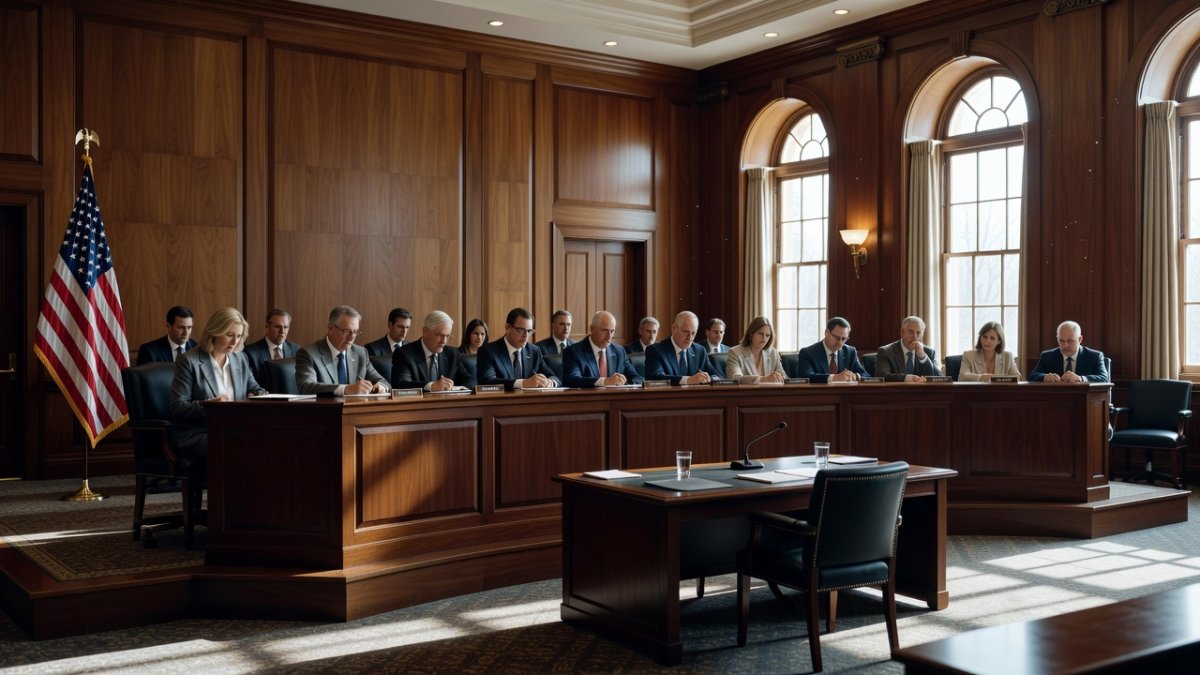
Today in Washington, the Senate Judiciary Committee kicks off a two-day showdown that could reshape the Department of Justice for years to come. Todd Blanche, already serving as acting attorney general after President Trump axed Pam Bondi back in April, sits before senators ready to grill him on everything from secret funds to high-profile prosecutions. This isn't routine confirmation theater, folks. This is a fight over who really controls federal law enforcement.
A SEAT AT THE TABLE: BLANCHE'S ATTORNEY GENERAL CONFIRMATION HEARING
Washington, D.C. — July 15, 2026
The Stage Is Set for Fireworks
Blanche steps into the hot seat on Day One while outside witnesses take the spotlight tomorrow. Committee chair Sen. Chuck Grassley runs the show from the Republican side, with Sen. Dick Durbin leading Democrats. The panel sits at an 11-10 split after Sen. Lindsey Graham's passing over the weekend. That narrow edge makes every word Blanche utters count double.
Republicans hold a 53-47 Senate majority overall, yet nothing feels locked in. Blanche already carries experience from his March 2025 confirmation as deputy AG and his months running the department since Bondi's exit. Still, the questions coming his way promise to test every inch of that record.
The Billion-Dollar Shadow Over DOJ
Top of the list sits the $1.8 billion anti-weaponization fund pulled from a Trump IRS lawsuit settlement. A federal judge already labeled the setup improper and floated sanctions against DOJ lawyers. Sen. Thom Tillis has drawn a hard line: the fund must vanish completely before he offers support. Blanche will have to explain how that money was meant to protect the department from political pressure while critics call it a slush fund built on shaky legal ground.
This isn't abstract budget talk. The fund touches the core question of whether the Justice Department can stay independent when big settlements flow straight into its coffers. Expect Democrats to hammer the point that such cash gives the executive branch too much unchecked power.
Judge Williams' July 13, 2026 ruling laid bare the rot at the heart of this scheme. He ruled the $1.8 billion anti-weaponization fund—carved from a $10 billion IRS lawsuit settlement—violated separation of powers by letting the executive branch bankroll its own operations without congressional oversight. Williams went further, recommending sanctions against DOJ attorneys for what he called a collusive maneuver that funneled settlement cash straight into departmental coffers rather than the Treasury. The mechanism was simple and cynical: Trump-era IRS litigation produced a massive payout, and instead of returning it to taxpayers, the money became a slush fund disguised as protection against political interference.
Cornyn's pointed concern about the "potentially collusive nature" of the deal hits the mark. This wasn't some neutral safeguard; "anti-weaponization" in practice meant shielding the department from accountability while giving it unchecked resources to pursue favored targets. The DOJ's ongoing fight against the court order only deepens the scandal, proving the administration views judicial checks as optional obstacles rather than constitutional requirements. This fund represents raw power consolidation, not reform.
Epstein Files and Lingering Questions
Blanche also oversaw the release of DOJ files on Jeffrey Epstein. Senators will want details on what stayed sealed, what got redacted, and why certain documents moved when they did. The topic carries heavy political weight, and Blanche's handling of it will face direct scrutiny from both sides of the aisle.
Release of those files was always going to draw attention. Now it lands squarely in the middle of a confirmation fight where every decision Blanche made as acting AG gets re-examined under bright lights.
The Epstein files Blanche oversaw contained explosive details on high-profile connections, flight logs, and witness statements that had remained sealed for years. Their partial release fueled immediate controversy because key documents stayed redacted or delayed, leaving the public with more questions than answers about who escaped scrutiny. Political dynamics around Epstein transparency have always been toxic—both parties have members with ties to the disgraced financier—yet the timing of these releases during Blanche's acting tenure amplified accusations of selective disclosure designed to protect allies.
Blanche's handling shifted public perception sharply. What could have been a moment of genuine accountability instead looked like another calculated move in a confirmation battle. While some bipartisan voices have quietly pushed for fuller transparency, the issue has largely split along partisan lines, with Democrats demanding unredacted materials and Republicans defending the process as necessary for national security. The damage to trust is real and lasting.
Targeting Perceived Enemies
Prosecutions of figures like former FBI Director James Comey sit high on the agenda. Democrats argue these cases show the department has become a tool for settling political scores. Blanche will need to defend the legal basis for each move while senators probe whether investigations crossed into retribution territory.
The line between accountability and weaponization blurs fast in these hearings. Blanche's answers here could determine whether swing senators see him as steady or as someone willing to bend the system.
The Comey prosecution stands as the clearest example of this pattern. After years of public attacks from Trump, the former FBI director now faces charges that critics say rest on stretched interpretations of classified documents and obstruction statutes. Similar scrutiny has hit other Trump antagonists, from intelligence officials to congressional investigators, creating a chilling list that reads like a revenge roster. Durbin captured it perfectly when he called the department a "sword against Trump's political opponents," a weaponized apparatus that prioritizes score-settling over equal justice.
History offers stark parallels. Past administrations from both parties tested these boundaries—Nixon's enemies list and Obama's IRS targeting come to mind—but never with this level of brazenness at the top. The letter signed by more than 1,000 former DOJ employees details specific instances of politicized hiring, selective charging decisions, and pressure on career prosecutors to align with White House priorities. Their warning is unambiguous: institutional norms have eroded to the point where independence is now a memory.
January 6 Positions Draw Fresh Heat
Blanche's past support for some January 6 defendants, including those convicted of assaulting police, will get airtime. Tillis has already signaled he wants straight answers on that record. The issue remains raw more than five years later, and any perceived softness on accountability for the Capitol riot could cost Blanche votes.
Republicans who back law-and-order messaging will watch closely how Blanche threads this needle. Democrats will use it to paint a picture of selective justice that favors political allies.
Support Lines Up, Pressure Mounts
William Barr penned a Wall Street Journal op-ed backing Blanche, calling him no toady and arguing he stands the best chance of pushing back against improper White House pressure. The Fraternal Order of Police added its endorsement. President Trump posted on Truth Social urging every Republican senator to confirm Blanche immediately.
On the other side, more than 1,000 former DOJ employees signed a letter accusing Blanche of corruption. Common Cause is running a targeted campaign aimed at Cornyn and Tillis. Durbin summed up the Democratic view bluntly: the independence of the DOJ has been decimated under Blanche's watch.
Graham's sudden death over the weekend removed the committee's most experienced and combative voice. As former chair, he shaped years of Judiciary Committee battles with a mix of Southern charm and ruthless procedural skill that kept even controversial nominees on track. His absence leaves an 11-10 Republican edge that feels more fragile than the numbers suggest, forcing Grassley into a leadership role without Graham's ability to corral votes or deliver memorable takedowns.
Narrow majorities change everything for nominations like this. Without Graham's institutional memory and willingness to twist arms, the committee risks more unpredictable outcomes where personal grudges or last-minute deals decide the result. The panel will function differently—more cautious, less theatrical, and potentially more prone to deadlock. That shift hands even more leverage to undecided members like Cornyn and Tillis, who now operate without Graham's shadow looming over every vote.
Swing Votes Hold the Key
Cornyn and Tillis sit in the undecided column. Both face no voters this fall—Cornyn lost his primary, Tillis is retiring—so they answer only to conscience and colleagues. Tillis has already tied his vote to the anti-weaponization fund disappearing. Cornyn's position remains less clear but equally pivotal.
If the committee votes against Blanche on the 11-10 split, Republicans can still move the nomination to the full Senate floor through procedural steps. That reality keeps the pressure high on every member.
What Readers Must Watch Next
Pay attention to how Blanche handles Tillis and Cornyn specifically. Their questions on the fund, January 6, and prosecutorial independence will reveal whether this nomination clears the committee or heads into a messy floor fight. The outcome decides whether the Justice Department regains any claim to independence or continues down a path of open political control. Stay locked on Global 1 News for every exchange.
By Jessica Ali, Lead Anchor — Global 1 News SUMMARY: Blanche faces intense Senate scrutiny over a controversial $1.8B fund, Epstein files, Jan. 6 stances, and perceived enemy prosecutions. Swing votes from Cornyn and Tillis remain decisive in an 11-10 committee split. Watch for direct clashes on DOJ independence and possible floor maneuvers if the panel rejects him. (478 chars)This article was produced with AI-assisted research and editorial support. Reporting is based on sources cited in the article.
What's Your Reaction?
 Like
1
Like
1
 Dislike
0
Dislike
0
 Love
0
Love
0
 Funny
0
Funny
0
 Wow
0
Wow
0
 Sad
0
Sad
0
 Angry
0
Angry
0

Editor-in-Chief at Global1.News. Atlanta-based journalist who cuts through the BS and tells it like it is. Lead anchor, host, and the voice you hear when the spin stops and the truth starts.















Comments (0)