
Iran-US missile strikes escalate as Trump reverses Strait of Hormuz toll plan
Iran and US Trade Limited Strikes in Ongoing Hormuz Dispute Iran fired ballistic missiles at a US air base in Jordan on Tuesday, prompting five hours of US strikes on Iranian targets as both sides continue a calibrated struggle for influence over the Strait of Hormuz. The latest exchanges come days after Tehran declared it was closing the strategic waterway, triggering an immediate American response that included reinstating a blockade of Iranian shipping.
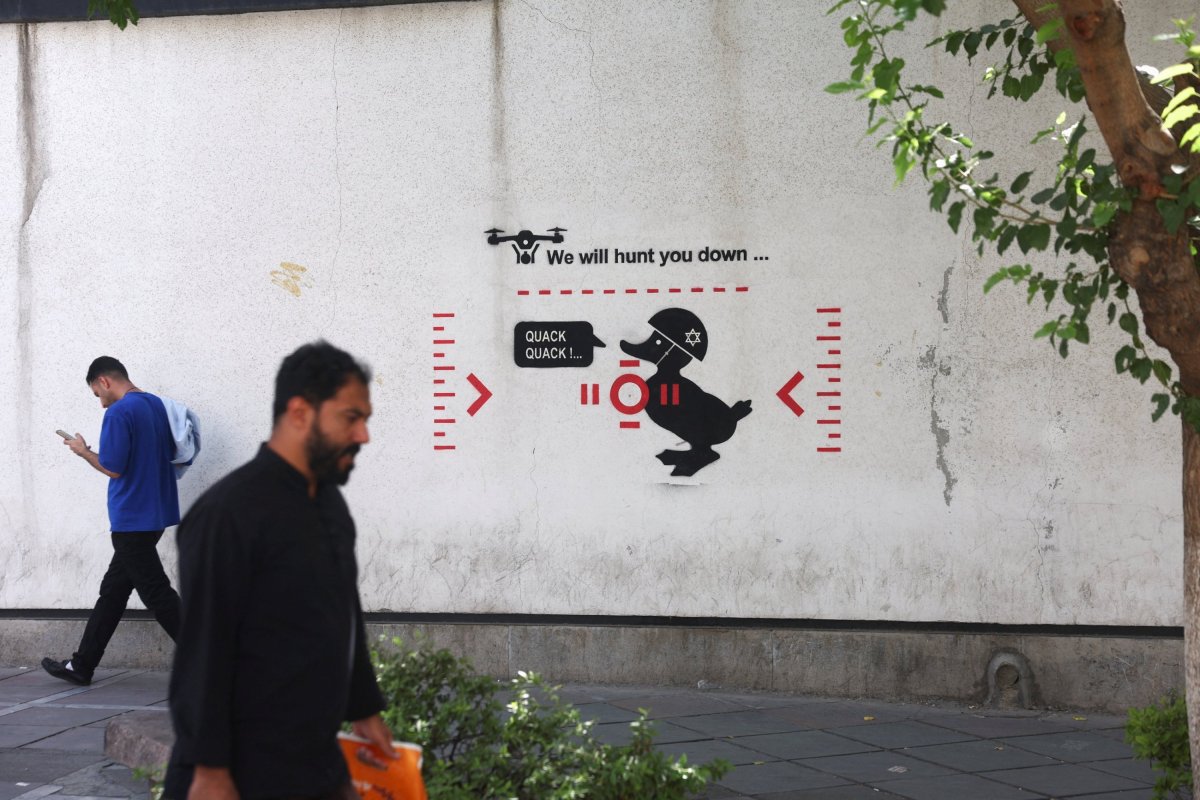
Iran and US Trade Limited Strikes in Ongoing Hormuz Dispute
Iran fired ballistic missiles at a US air base in Jordan on Tuesday, prompting five hours of US strikes on Iranian targets as both sides continue a calibrated struggle for influence over the Strait of Hormuz. The latest exchanges come days after Tehran declared it was closing the strategic waterway, triggering an immediate American response that included reinstating a blockade of Iranian shipping.
Regional analysts describe the current phase as a return to low-intensity conflict boundaries established before last month’s Memorandum of Understanding (MoU). While both Washington and Tehran appear to be seeking leverage ahead of eventual negotiations, the risk of miscalculation remains elevated given the economic stakes involved.
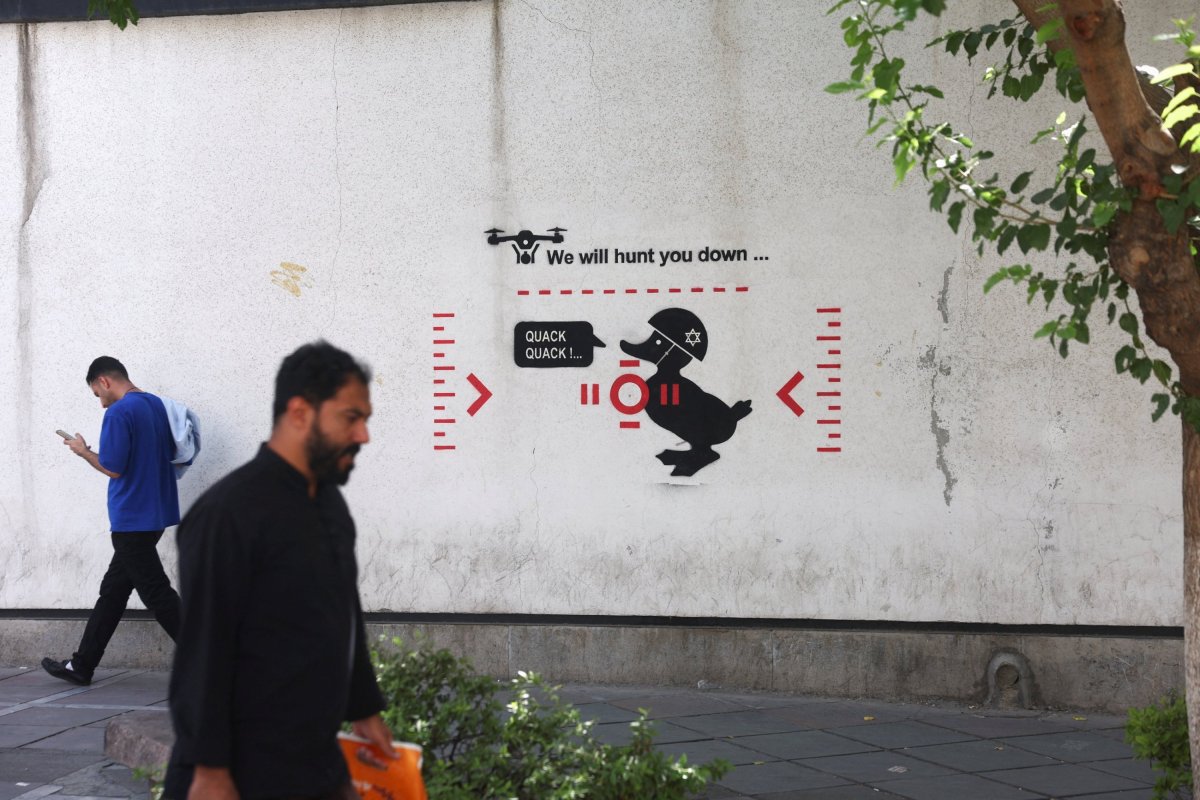
Sequence of Escalation Following Iran’s Closure Announcement
The current flare-up intensified late Saturday when Iran announced it had closed the Strait of Hormuz after firing a warning shot at a vessel it claimed was traveling an unauthorized route. In response, US President Donald Trump reinstated a blockade of Iranian shipping that had been lifted as part of the recent MoU and initially proposed charging a 20% fee on all cargo passing through the waterway.
The US Navy-led Joint Maritime Information Center stated the blockade would take effect at 8 p.m. GMT on Tuesday. Iran, which shares the northern coast of the strait with Oman to the south, has long asserted its role as the primary guardian of the passage and signaled it would establish its own fee-collection system.
Iranian Foreign Minister Abbas Araghchi posted on X that Tehran would remain the guardian of the strait “forever” and responded to the US proposal by stating that “20% is of course too much. We will be fair.” The United Nations shipping agency has opposed any mandatory fees, arguing there is no legal basis for tolls on international straits.
Trump’s Sudden Reversal on Hormuz Tolls
In a notable policy shift announced Tuesday, President Trump backed away from the proposed 20% toll just under five hours before it was scheduled to come into force. Instead, he declared that Middle Eastern countries would pursue investment and trade deals with the United States.
“Based on highly productive conversations with Middle East leadership, I have decided to replace the 20% United States Reimbursement Fee with Trade and Investment Deals that the various Gulf States will be making into the United States,” Trump wrote on Truth Social. He described the anticipated investments as “MASSIVE,” though it remains unclear whether these represent new commitments beyond those discussed during his visit to the region last year.
Oil futures pared earlier gains following the announcement. Brent crude had risen 5% to $87.49 per barrel earlier Tuesday — the highest level since June 12 — but remained well below peaks recorded since the current tensions began.
Missile Exchanges and Regional Involvement
Iran’s Islamic Revolutionary Guard Corps (IRGC) claimed responsibility for the ballistic missile attack on the US air base in Jordan. Jordan’s armed forces reported shooting down four missiles that entered its airspace. The strike was described as smaller in scale than barrages seen at the height of earlier fighting.
Bahrain, which hosts a major US naval base, stated it had successfully fended off an Iranian aerial attack. The United Arab Emirates Ministry of Defence reported that Iranian missiles struck two Emirati oil tankers transiting the strait, killing one Indian crew member and wounding eight others. The IRGC countered that it had disabled two supertankers after they ignored warnings and switched off their navigation systems.
Iranian media reported US strikes on several locations, with explosions heard in Bushehr and Choghadak. State outlets said four people were wounded in these attacks.
Analyst Perspectives on Controlled Escalation
Yezid Sayigh, a senior fellow at the Carnegie Middle East Center in Beirut, told Global1.News that both sides currently appear to be operating within defined limits. “I doubt the two sides will resume a full war, especially as Trump will suffer — though there is also a distinct possibility that the Iranians will overplay their hand. That is true of Trump too, of course,” he said.
Andreas Krieg, a senior lecturer at King’s College London, characterized the situation as “a low-intensity conflict that will not produce any clear victory for anyone.” He noted that hostilities have returned to parameters observed before the recent MoU was signed.
The conflict has proven politically challenging for the Trump administration in the United States, where rising gasoline prices have drawn public criticism ahead of congressional elections scheduled for November.
Strategic Calculus: What Each Side Seeks
For Iran, asserting control over the Strait of Hormuz serves multiple objectives. It reinforces Tehran’s narrative as the indispensable regional power along the northern littoral while applying pressure on Gulf Arab states and global energy consumers. By demonstrating its ability to disrupt shipping even temporarily, Iran seeks to strengthen its hand in future nuclear and sanctions negotiations.
The United States, under President Trump, is balancing energy market stability with the desire to reduce direct military costs. The initial proposal for a 20% fee appeared designed to generate significant revenue — potentially around $240 million per day based on pre-conflict traffic of over 15 million barrels daily worth at least $1.2 billion. The swift reversal toward Gulf investment deals suggests Washington is pivoting toward economic leverage that aligns with long-term Gulf economic transformation goals.
Gulf Cooperation Council states, particularly the UAE and Bahrain, find themselves caught between American security guarantees and the need to avoid direct confrontation with Iran. Their willingness to engage in major trade and investment deals with the US reflects a strategic preference for economic diversification over prolonged military escalation.
Implications for Sunni-Shia Dynamics and Great Power Competition
The Hormuz confrontation cannot be separated from broader Sunni-Shia competition. Iran’s actions reinforce its “Axis of Resistance” posture while testing the resolve of US-aligned Sunni Gulf monarchies. The involvement of Jordan — a key Sunni Arab partner — in intercepting Iranian missiles highlights how the conflict continues to draw in multiple regional actors.
This episode also reflects intensifying great power competition. China and Russia, both permanent UN Security Council members, have historically opposed unilateral measures that affect freedom of navigation. The UN shipping agency’s clear opposition to mandatory tolls provides diplomatic cover for Beijing and Moscow to criticize US policy while quietly benefiting from lower energy prices if Hormuz disruptions remain limited.
Energy markets remain highly sensitive. Although current Brent prices at $87.49 have not reached crisis levels, sustained disruption to the 20% of global oil and gas traffic that historically passed through Hormuz daily would have severe second-order effects on Asian economies and European energy security.
The Hormuz crisis carries acute implications for China, which imports roughly 40% of its crude oil from the Gulf, with over 80% of those shipments transiting the strait. Beijing’s strategic petroleum reserve, estimated at 500-600 million barrels across national and commercial stocks, provides a buffer of roughly 90 days of imports, yet prolonged disruption would force China to tap reserves aggressively while accelerating diversification toward Russian, Brazilian, and African suppliers. Any extended closure would also threaten the viability of Beijing’s Belt and Road Initiative projects across the Gulf and Indian Ocean; ports, pipelines, and rail corridors from Gwadar to Duqm were explicitly designed to hedge against Hormuz vulnerabilities. A spike in insurance premiums and tanker rates would raise the delivered cost of oil, squeezing Chinese refiners and slowing industrial output at a time when Beijing is already managing fragile post-pandemic growth.
Russia, by contrast, stands to gain from the confrontation. As a major non-OPEC+ oil exporter, Moscow benefits directly from sustained Brent prices above $85 per barrel, which bolsters its war economy and offsets Western sanctions. Higher prices also widen the gap between Russian Urals crude, which trades at a discount, and benchmark grades, allowing Moscow to maintain export volumes to India and China. Within OPEC+, the episode exacerbates existing tensions: Saudi Arabia and the UAE, wary of losing market share and facing fiscal pressure from lower-for-longer prices in recent years, are reluctant to cut production further to accommodate Iranian or Venezuelan disruptions. This dynamic risks fracturing the fragile OPEC+ quota discipline precisely when coordinated supply management is most needed, potentially handing leverage back to Washington in its attempts to cap energy revenues flowing to both Tehran and Moscow.
Outlook for Middle East Stability and Global Energy Security
The Trump administration’s reversal on the toll proposal in favor of investment deals offers a potential off-ramp from immediate escalation. However, the underlying contest for political and economic influence over the Strait of Hormuz remains unresolved. Iran continues to position itself as the strait’s permanent guardian, while the US seeks to maintain freedom of navigation through a combination of naval presence and economic incentives for Gulf partners.
Whether this latest cycle of limited strikes and policy adjustments leads to renewed diplomacy or further escalation will depend on how both sides assess the other’s red lines. For now, the conflict remains contained, yet the potential for Iranian overreach or American miscalculation continues to loom over Gulf waters.
The coming weeks will test whether trade and investment deals can substitute for direct military confrontation in managing one of the world’s most vital energy chokepoints. Regional stability and global energy prices may ultimately hinge on whether Washington and Tehran can translate their current calibrated hostility into a sustainable understanding.
(Global 1 News) By Malik Hassan, Staff WriterThis article was produced with AI-assisted research and editorial support. Reporting is based on sources cited in the article.
What's Your Reaction?
 Like
0
Like
0
 Dislike
0
Dislike
0
 Love
0
Love
0
 Funny
0
Funny
0
 Wow
0
Wow
0
 Sad
0
Sad
0
 Angry
0
Angry
0

Middle East Correspondent at Global1.News. Based in Beirut, covering politics, conflict, energy, and society across the Middle East. Brings context and depth to a region often reduced to headlines.












Comments (0)