
Who Is Preventing a Peace Deal Between Israel and Lebanon?
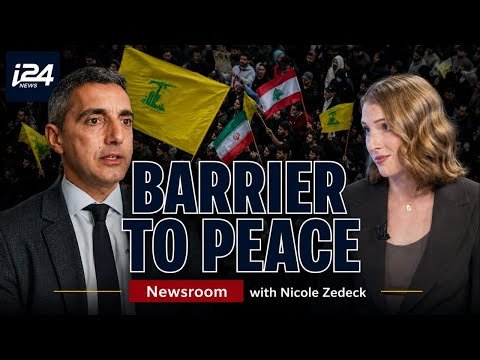
In a recent i24NEWS report titled "Who is preventing a peace deal between Israel and Lebanon?", the focus turns to US Secretary of State Marco Rubio's June 2, 2026 testimony before the Senate Foreign Relations Committee. Rubio stated that Israel and Lebanon could reach a peace deal tomorrow, noting Israel's lack of territorial claims in Lebanon and identifying Hezbollah as the
In a recent i24NEWS report titled "Who is preventing a peace deal between Israel and Lebanon?", the focus turns to US Secretary of State Marco Rubio's June 2, 2026 testimony before the Senate Foreign Relations Committee. Rubio stated that Israel and Lebanon could reach a peace deal tomorrow, noting Israel's lack of territorial claims in Lebanon and identifying Hezbollah as the core impediment tied directly to Iran.
Who Is Preventing a Peace Deal Between Israel and Lebanon? — Hezbollah, Iran, and the Battle for Diplomacy
Jerusalem, Israel – June 2026 — The question of what stands between Israel and a historic peace agreement with Lebanon has become the focal point of Washington-led diplomacy, with officials in Jerusalem, Beirut, and Washington all acknowledging that Hezbollah remains the primary barrier to ending decades of hostilities between the two neighboring states.
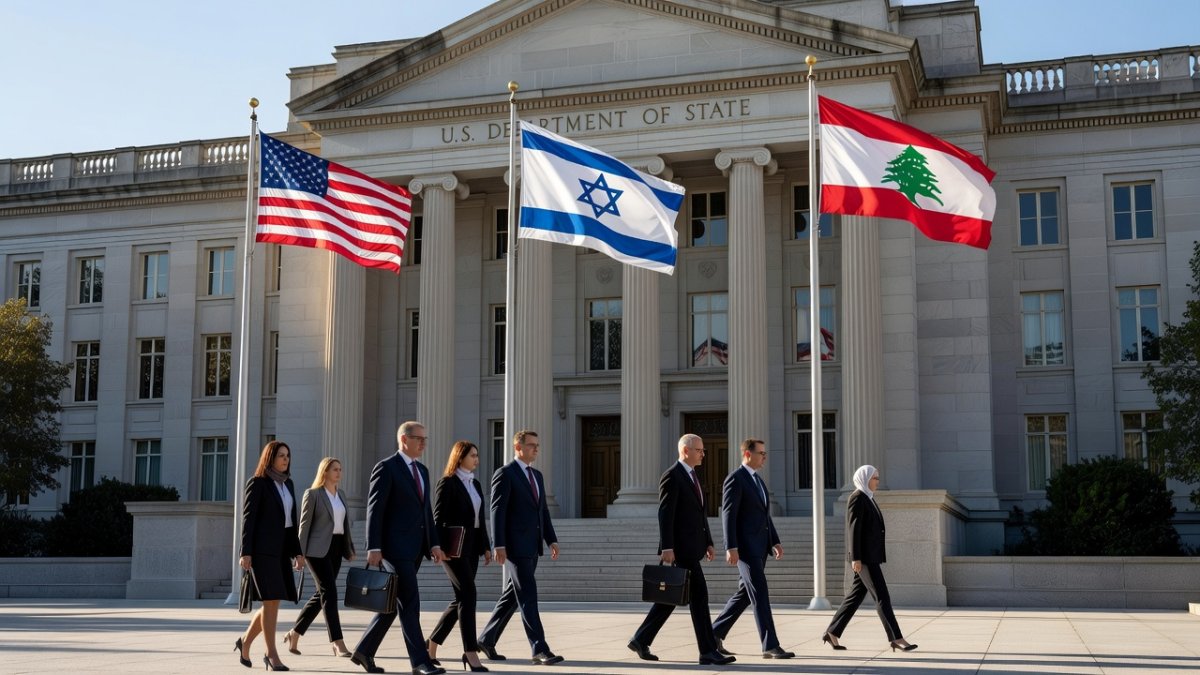
US Position on Direct Negotiations
Rubio emphasized that Washington seeks to advance Israel-Lebanon talks separately from any negotiations with Iran. This stance aligns with the fourth round of direct talks underway in Washington at the State Department, involving Israeli Ambassador to the US Yechiel Leiter, Lebanese envoy Nada Hamadeh Moawad, and US senior advisor Daniel Holler.
These talks occur without formal diplomatic relations between Israel and Lebanon. The two-day session aims to address immediate security issues along the northern border near Metula and Kiryat Shmona, where Hezbollah positions have threatened Israeli communities since the March 2 escalation.
Lebanese President's Public Call for Talks
Lebanese President Joseph Aoun issued a rare direct appeal to the Israeli government in a June 8, 2026 CNN interview. Aoun stated, "We are ready, we are willing, we are committed. Are you? If you are, let's sit and talk," while clarifying he would not meet Prime Minister Benjamin Netanyahu before an agreement to end hostilities.
Aoun described any potential deal as a non-aggression pact rather than full normalization. He tied Lebanon's approach to the 2002 Arab Peace Initiative and accused Iran of treating Lebanon as a bargaining chip, resulting in the deaths of Lebanese civilians to advance Tehran's interests with Washington.
Recent Missile Exchanges Between Iran and Israel
On June 8, 2026, Iran launched over 25 missiles toward Israel, including targets in Tel Aviv, though most were intercepted by Israeli defenses. Israel responded with strikes on Iranian air defenses and a petrochemical plant involved in missile production, prompting IRGC retaliation aimed at a petrochemical facility in Haifa.
President Trump spoke with Netanyahu that day and announced a halt to the attacks, warning, "Bibi, you better be careful, or you will be on your own very soon." Netanyahu addressed Israelis directly, stating the campaign against Iran and Hezbollah "is not over" and vowing a forceful response to any renewed Iranian attacks.
Continued Houthi Threats from Yemen
Houthi forces fired two missiles at Israel on June 8, 2026, while maintaining a ban on Israeli shipping through the Red Sea. Israeli forces intercepted an aerial target from Yemen near Eilat, underscoring the multi-front pressure on Israel's southern and northern borders.
These actions compound the challenges for Israeli security planning, as the IDF coordinates responses across Gaza, the West Bank, and the Lebanese frontier amid ongoing flare-ups following the April 16 ceasefire declaration.
Netanyahu's Stance and Israeli Security Priorities
Israeli Ambassador Yechiel Leiter dismissed reports of US pressure on Israel as a "lovers' spat," reinforcing that the Netanyahu government views Hezbollah's disarmament as essential before any binding agreement with Beirut. Netanyahu has linked progress on Lebanon to the broader effort against Iranian proxies.
Since the March 2 outbreak, when Hezbollah fired on Israel in support of Iran, over 3,600 people have been killed in Israeli strikes on Lebanon, with more than 1 million displaced. Nearly 3,500 Israeli strikes have occurred since the April 16 ceasefire, targeting Hezbollah infrastructure in southern Lebanon near the Blue Line.
Broader Regional Implications
The Washington talks and Aoun's appeal highlight Lebanon's internal divisions, with the Lebanese Armed Forces unable to fully assert control over Hezbollah strongholds in the Bekaa Valley and south of the Litani River. For Israel, a non-aggression framework could reduce the need for sustained IDF presence along the northern border.
UN Secretary-General Antonio Guterres called for maximum restraint following the June 8 exchanges, while oil prices fluctuated after the strikes. Any deal would need to address Hezbollah's rocket arsenal and Iranian supply lines through Syria, directly affecting daily security for residents in northern Israeli communities and diplomatic maneuvering by the Foreign Ministry in Jerusalem.
By Hannah Berg, Staff Writer
This article was produced with AI-assisted research and editorial support. Reporting is based on sources cited in the article.
What's Your Reaction?
 Like
0
Like
0
 Dislike
0
Dislike
0
 Love
0
Love
0
 Funny
0
Funny
0
 Wow
0
Wow
0
 Sad
0
Sad
0
 Angry
0
Angry
0
Israel Correspondent at Global1.News. Based in Tel Aviv, covering Israeli politics, security, technology, and society. Provides balanced, deeply-sourced reporting on one of the most closely-watched regions in the world.












Comments (0)