
White House releases report of Trump's physical exam
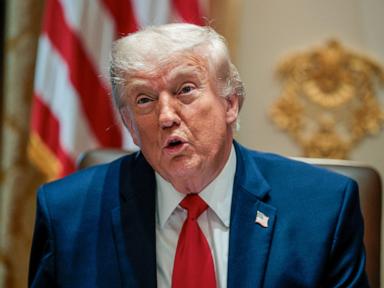
The White House has released a memo summarizing President Donald Trump's recent physical exam, a move that lands squarely amid ongoing national debates over leadership fitness and institutional transparency. This disclosure arrives as the administration navigates a packed legislative calendar and heightened scrutiny from both parties about the physical demands of the office. The release itself signals an effort to shape the narrative on presidential health before critics can fill the void with speculation.
The memo, issued through official channels, provides a high-level overview rather than exhaustive medical records. Its timing underscores how health disclosures have evolved from private matters into public political tools, especially in an era of nonstop media cycles and partisan warfare. For voters and lawmakers alike, the document offers a baseline for assessing whether the president remains capable of handling the rigors of the job, from crisis response to international travel.
This development matters because presidential health directly influences policy continuity, succession planning, and public confidence. When the White House controls the flow of information, it can preempt leaks or exaggerated claims, yet it also invites questions about completeness and independence of the evaluation.
The Mechanics of the Disclosure
The memo format represents a deliberate choice in how administrations manage sensitive personal data. Rather than a full physician's report or independent review, the White House opted for a concise summary that highlights key findings while limiting granular details. This approach allows officials to claim transparency without exposing every test result or recommendation. Such summaries have become standard because they balance privacy concerns with the public's right to know. The process typically involves the president's physician conducting the exam at a military facility, followed by internal review before any public version is prepared. By releasing it now, the administration avoids the perception of stonewalling during periods of intense political activity. Critics will likely argue that a memo alone falls short of full accountability. A more robust release might include data on cardiovascular health, cognitive screening, or mobility assessments—elements that speak directly to the capacity for sustained decision-making under stress. The current format keeps the focus narrow, which may satisfy supporters but leaves room for doubt among skeptics.Historical Context on Presidential Health Reports
Presidents have long treated medical information as closely guarded, with disclosures often triggered by crises rather than routine schedules. Franklin Roosevelt's health issues during World War II were minimized until after his death. Dwight Eisenhower faced public questions after heart attacks, prompting more structured updates. Modern practice shifted after Ronald Reagan's surgeries and Bill Clinton's knee procedure, where summaries became tools to reassure markets and allies. The pattern shows administrations releasing information when it serves strategic purposes, such as countering rumors during reelection cycles or major negotiations. Trump's prior exam reports followed similar lines, emphasizing overall fitness while downplaying specifics that could invite follow-up questions. This latest memo continues that tradition, reflecting how health updates function as political messaging rather than pure medical bulletins. Comparisons to other recent presidents reveal inconsistencies across administrations. Some have volunteered more data on weight, cholesterol, or preventive screenings; others have kept releases brief. The variation highlights that no binding standard exists, leaving each White House to decide how much to reveal and when.Political and Institutional Implications
Releasing the memo now carries clear political weight. It can blunt opposition attacks that portray the president as physically compromised, especially as midterm or general election cycles approach. Supporters gain ammunition to argue that the commander in chief remains fully operational, while detractors may use the limited scope to question whether the public is receiving the complete picture. Institutionally, the move reinforces the White House's control over the narrative. Independent medical reviews remain rare because they could invite second-guessing of the president's judgment. By handling the release internally, the administration maintains consistency with past practice but also exposes itself to charges of selective disclosure. The broader implication touches on succession and governance. If health concerns arise later, this memo establishes a recent benchmark against which future statements will be measured. Lawmakers and the public now have an official reference point that can either support or undermine claims of declining capacity, depending on how events unfold.Public Trust and Media Scrutiny
Media outlets and advocacy groups often push for greater detail in these reports, viewing them as essential to democratic oversight. The memo's release will likely generate immediate coverage dissecting its language and omissions, with some outlets calling for follow-up questions during press briefings. This cycle of release, analysis, and demand for more information has become predictable. Public reaction tends to split along partisan lines. Those already inclined to support the president may see the memo as sufficient proof of fitness. Opponents may treat its brevity as evidence of something to hide. The result is rarely a settled consensus, which explains why administrations calibrate these releases carefully to avoid fueling either side excessively. Over time, repeated limited disclosures can erode trust in official health communications. When voters sense information is managed rather than shared openly, they turn to unofficial sources or speculation, complicating efforts to maintain credibility.What Comes Next
The administration will now face pressure to clarify any ambiguities in the memo during upcoming briefings or interviews. Future exams could follow the same memo format, setting a precedent for the remainder of the term. Observers should watch whether additional context emerges through leaks, congressional inquiries, or voluntary expansions of the record. Longer term, this release feeds into larger conversations about establishing clearer guidelines for presidential medical transparency. Without formal rules, each administration retains wide latitude, which preserves flexibility but perpetuates inconsistency. The next benchmark will likely arrive with the following scheduled exam or any health event that forces another update.By Jessica, Staff Writer
This article was produced with AI-assisted research and editorial support. Reporting is based on sources cited in the article.
What's Your Reaction?
 Like
0
Like
0
 Dislike
0
Dislike
0
 Love
0
Love
0
 Funny
0
Funny
0
 Wow
0
Wow
0
 Sad
0
Sad
0
 Angry
0
Angry
0

Jessica Ali
Editor-in-Chief at Global1.News. Atlanta-based journalist who cuts through the BS and tells it like it is. Lead anchor, host, and the voice you hear when the spin stops and the truth starts.












Comments (0)